Pennisetum glaucum (L.) Oral Supplementation Mitigates Multi-Organic Dysfunction Associated with Carcinogenesis in HPV16-Transgenic Mice
Paula A. Oliveira, Latifa Hajri, Armando V. Pinto Moreno, Carlos E. Dias Santos, Haissa O. Brito, Margarida M. S. M. Bastos, Rui Medeiros, Soumaya Ghodbane, Mohamed Ammari, Rui M. Gil da Costa, Ana I. Faustino-Rocha

TL;DR
This study shows that millet supplementation improves health in mice with HPV-related cancer, reducing inflammation and organ damage.
Contribution
The study demonstrates that Pennisetum glaucum oral supplementation mitigates multi-organic dysfunction in HPV16-transgenic mice.
Findings
Millet supplementation improved health status and reduced serum glucose in HPV16-transgenic mice.
The treatment enhanced antioxidant responses and reduced severity of HPV-induced lesions.
Pennisetum glaucum was safe and well-tolerated in both wildtype and transgenic mice.
Abstract
Cancers induced by human papillomavirus are often associated with systemic inflammation and cachexia. This study aimed to determine the interference of Pennisetum glaucum oral supplementation over multi-organic dysfunction in HPV16-transgenic mice. The experimental groups included (1) wildtype (WT) mice with standard diet, (2) WT mice with 36% Pennisetum, (3) transgenic mice with standard diet, (4) transgenic mice with 29% Pennisetum, and (5) transgenic mice with 36% Pennisetum. During the 4-week experimental protocol, body weight, food and water intake, and humane endpoints were recorded. At sacrifice, blood and tissue samples were collected for analysis. Oral supplementation with millet was shown to be safe and well tolerated by both WT and transgenic mice, with no adverse effects on behavior, food or water intake, or general animal welfare. In HPV16-transgenic animals, millet…
Genes, proteins, chemicals, diseases, species, mutations and cell lines named across the full text — each resolved to its canonical identifier and authoritative record.
Click any figure to enlarge with its caption.
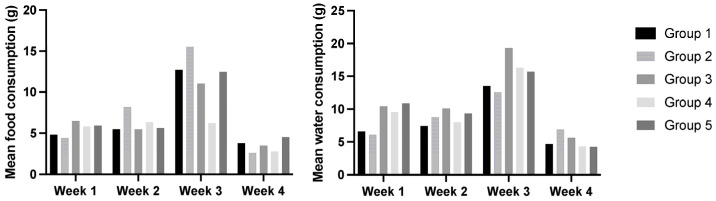 Figure 1
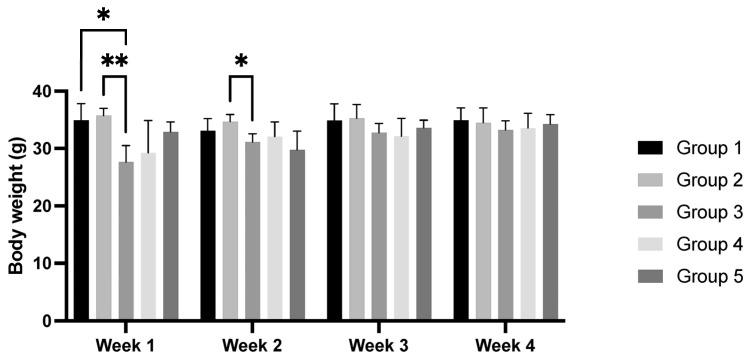 Figure 2
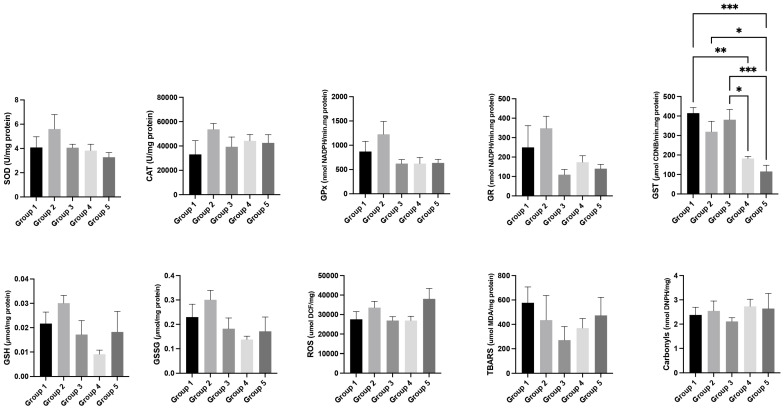 Figure 3
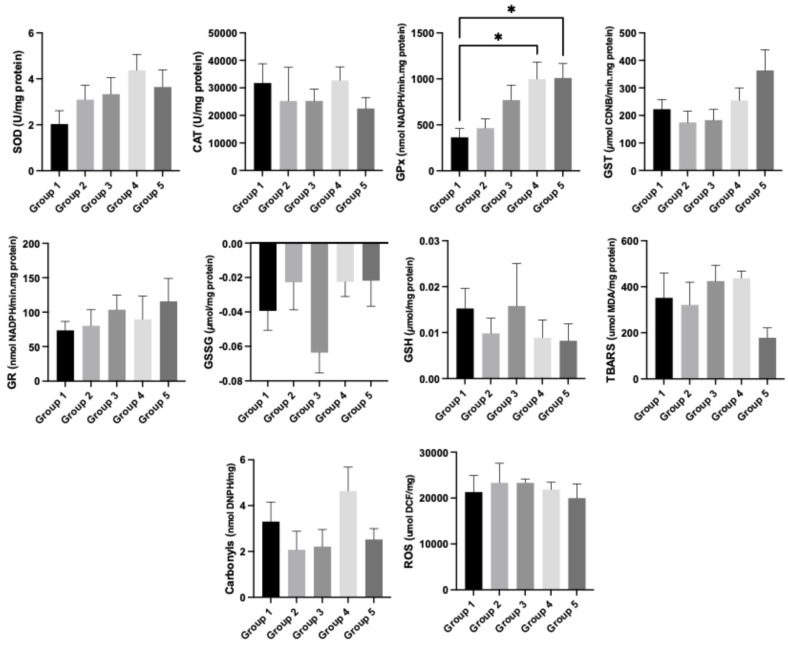 Figure 4
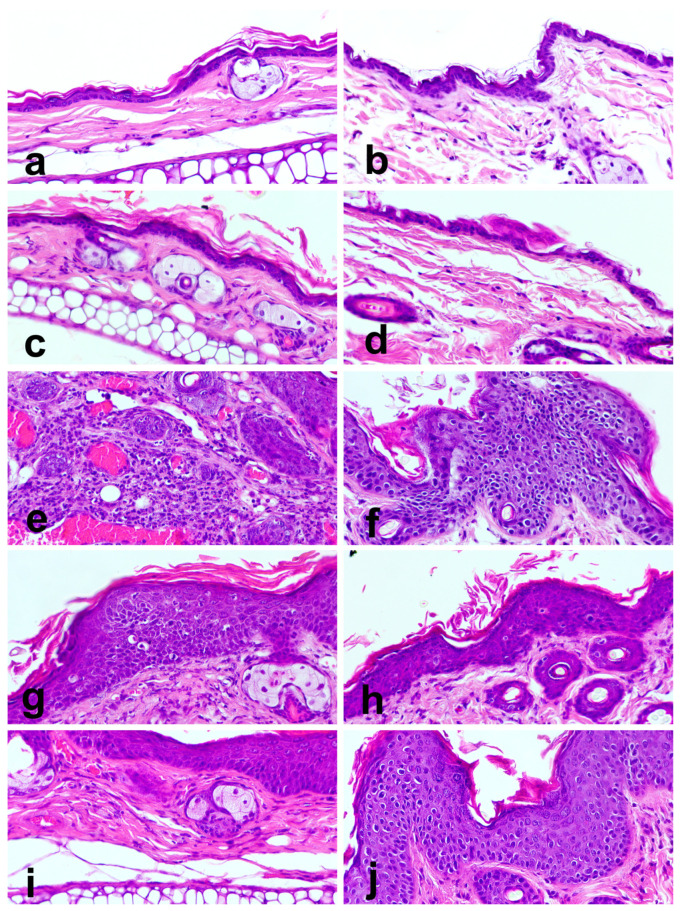 Figure 5
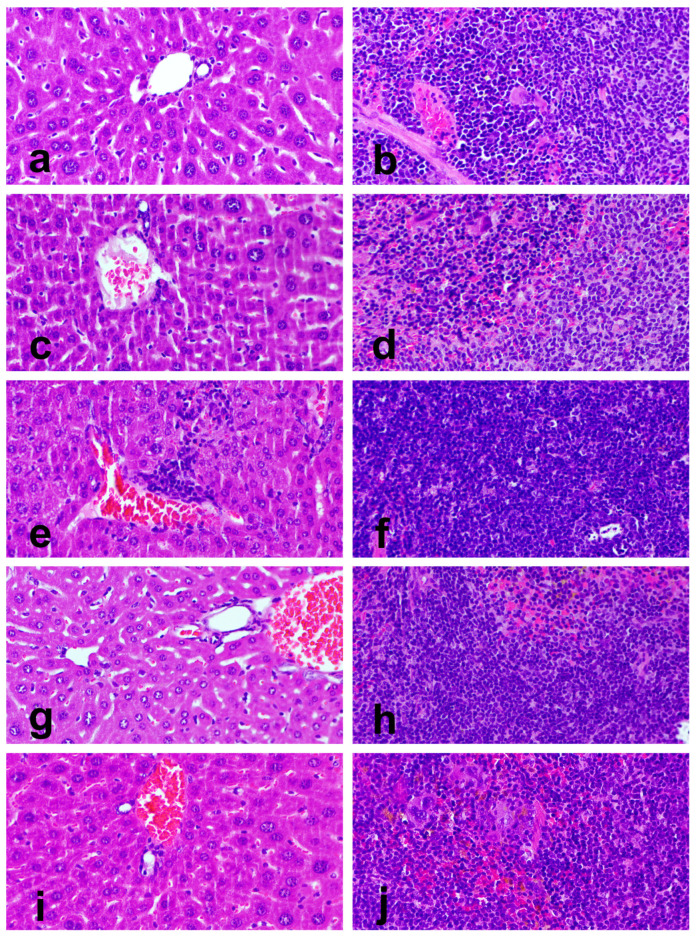 Figure 6
Peer Reviews
No public reviews on file for this paper yet. If you reviewed it on a platform where reviews are public (OpenReview, ICLR, NeurIPS, ICML), you can paste yours below so the community can read it here.
Videos
No videos yet. Explain this paper in a talk, walkthrough, or lecture? Add one.
Taxonomy
TopicsMoringa oleifera research and applications · Liver Disease Diagnosis and Treatment · Food and Agricultural Sciences