Predicting the Impact of Glycosylation on the Structure and Thermostability of Helicobacter pylori Blood Group Binding Adhesin
Daniel Sijmons, Heber Islas Rios, Benjamin R. Turner, Emma Wanicek, Jessica K. Holien, Anna K. Walduck, Paul A. Ramsland

TL;DR
This study explores how glycosylation affects the structure and stability of a key protein in Helicobacter pylori, shedding light on its role in the bacterium's function.
Contribution
The study identifies potential glycosylation sites and demonstrates glycan effects on protein stability and surface shielding in BabA.
Findings
Three potential O-linked and three N-linked glycosylation sites were predicted in BabA.
Glycosylation was found to stabilize specific regions of the BabA protein and shield its surface.
Molecular dynamics simulations revealed glycan-induced changes in protein flexibility and contacts.
Abstract
Post-translational modifications (PTMs) are critically important for protein structure and function, with glycosylation being one of the most common forms of PTM. The gastric pathogen Helicobacter pylori has a general glycosylation system, which performs complex glycosylation of lipopolysaccharide, flagella proteins, and outer membrane proteins (OMPs). One of the best-described OMPs of H. pylori is the blood group binding adhesin (BabA), which interacts with the Lewis histo-blood group antigen, Lewis b. The 3D structure for BabA has been determined, and the ligand specifically described. Although BabA is reported to be a glycoprotein, there are limited data examining the effects of glycosylation on the structure and function of this protein. This study examined the folding and thermostability of non-glycosylated recombinant BabA and used computational approaches to predict the effect of…
Genes, proteins, chemicals, diseases, species, mutations and cell lines named across the full text — each resolved to its canonical identifier and authoritative record.
Click any figure to enlarge with its caption.
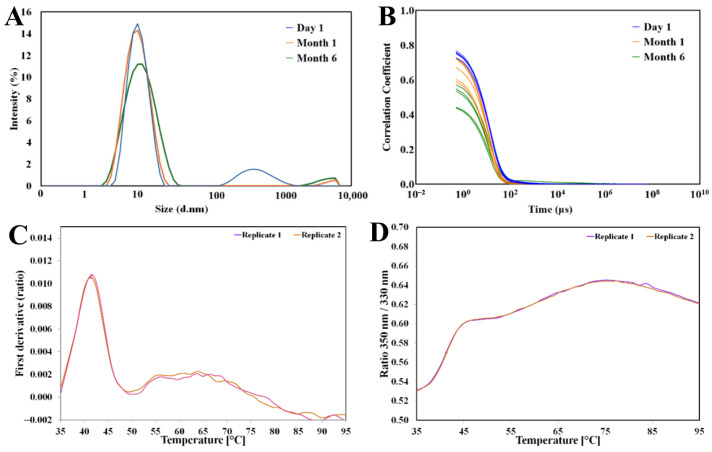 Figure 1
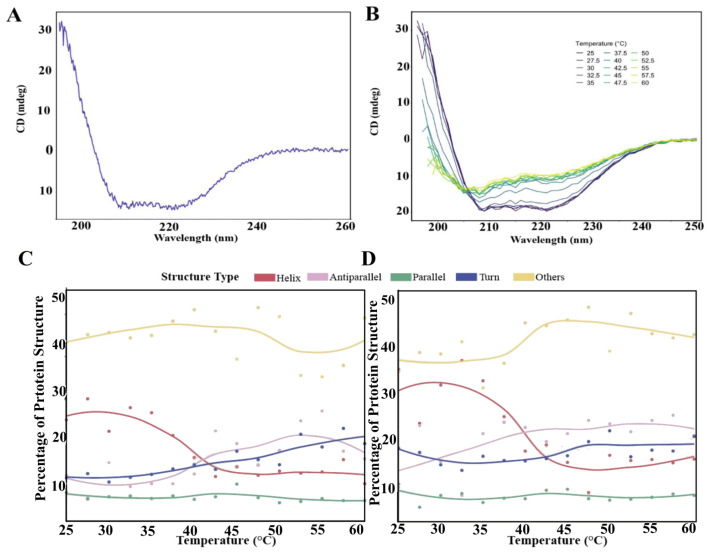 Figure 2
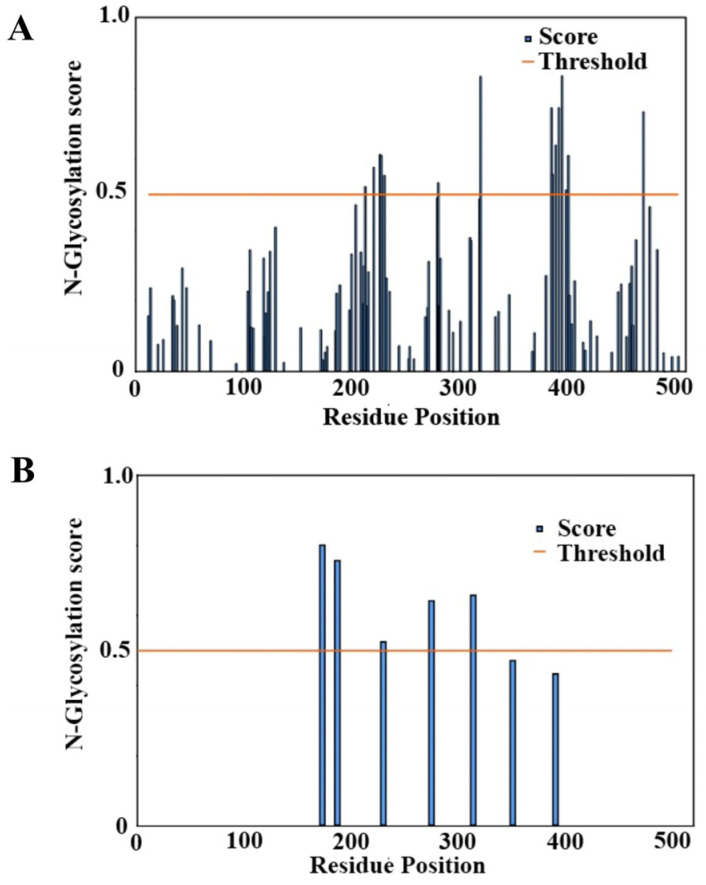 Figure 3
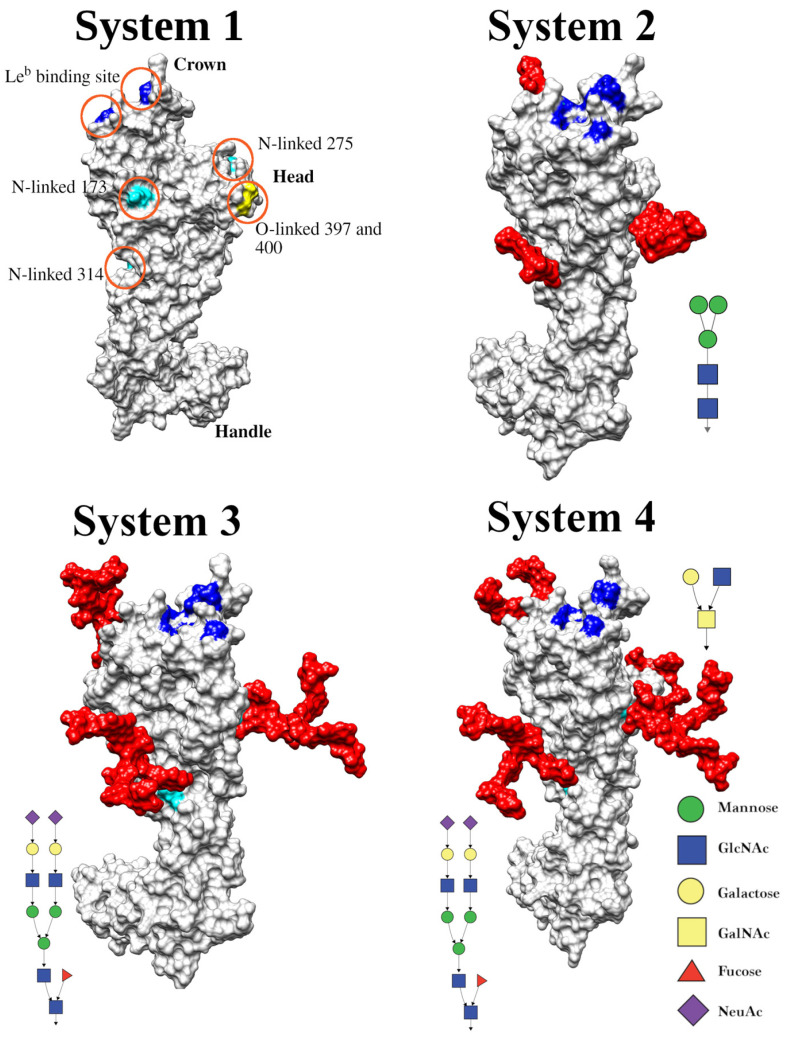 Figure 4
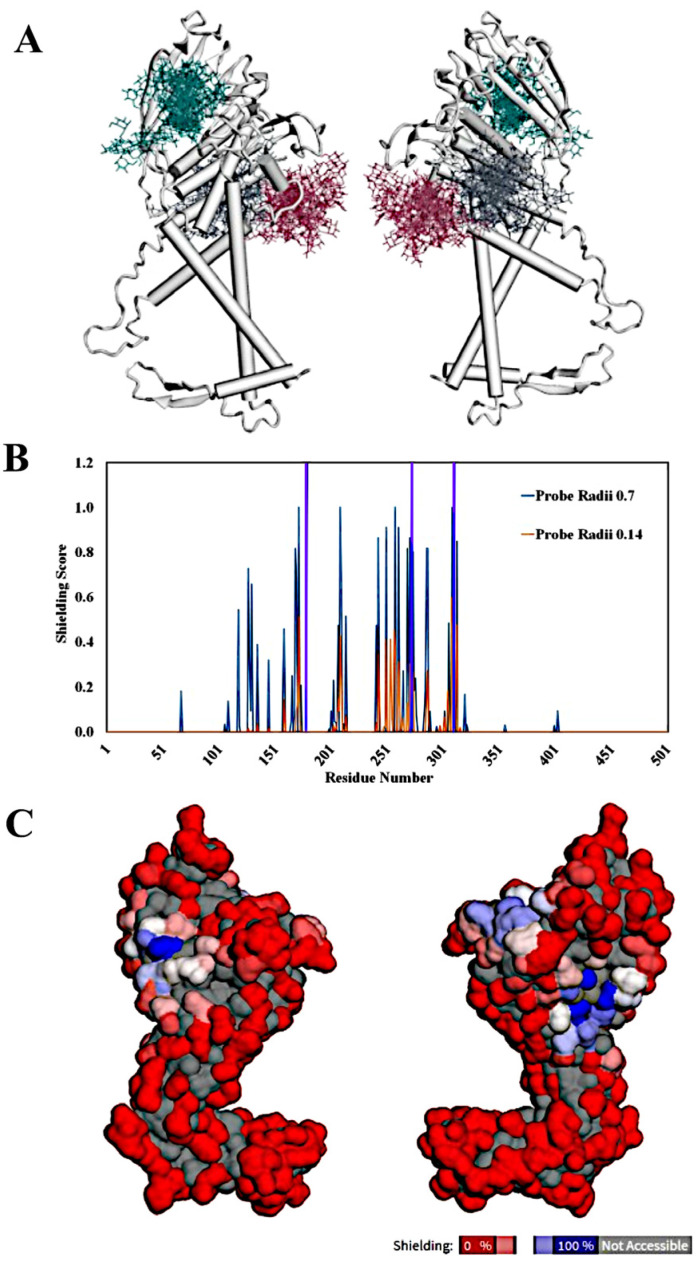 Figure 5
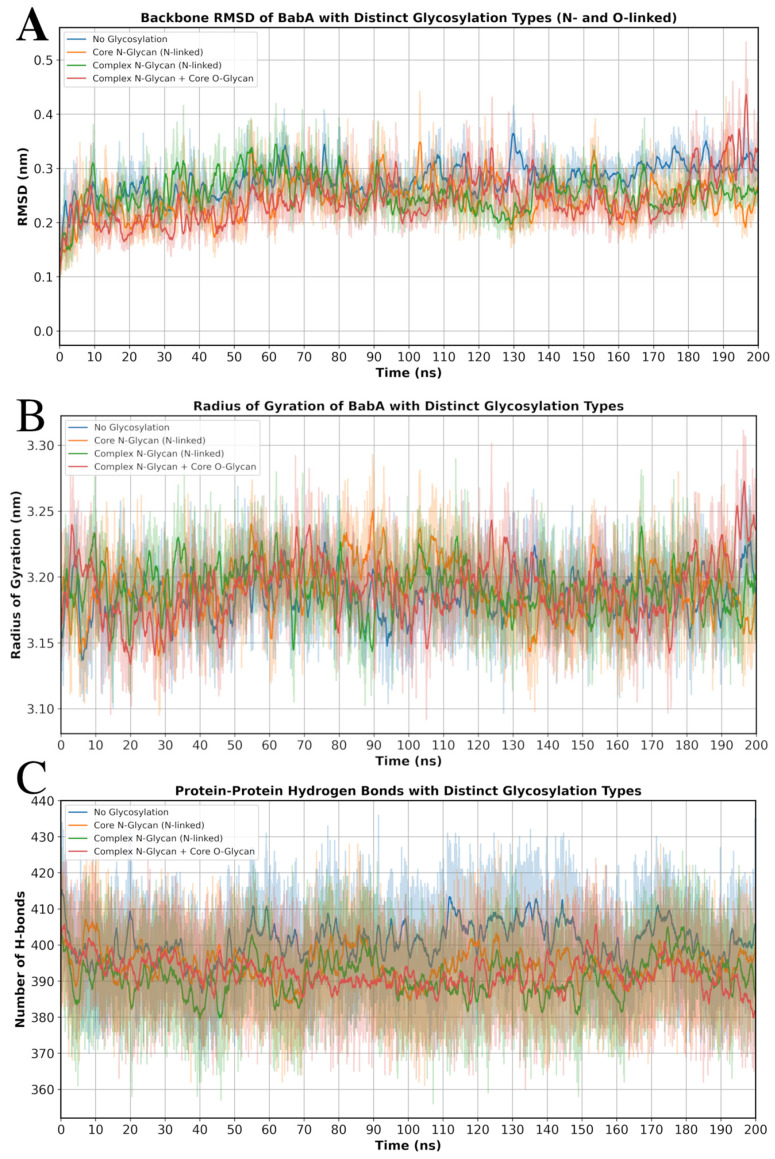 Figure 6
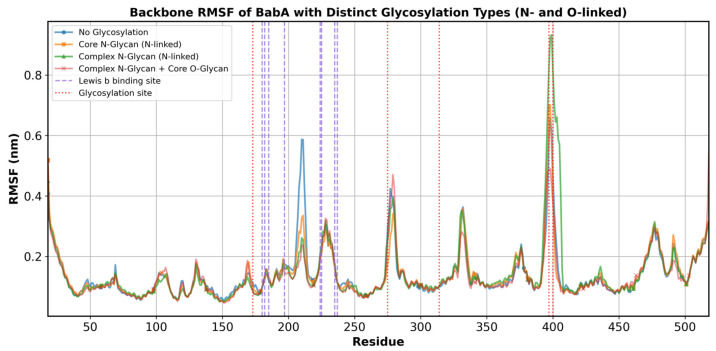 Figure 7
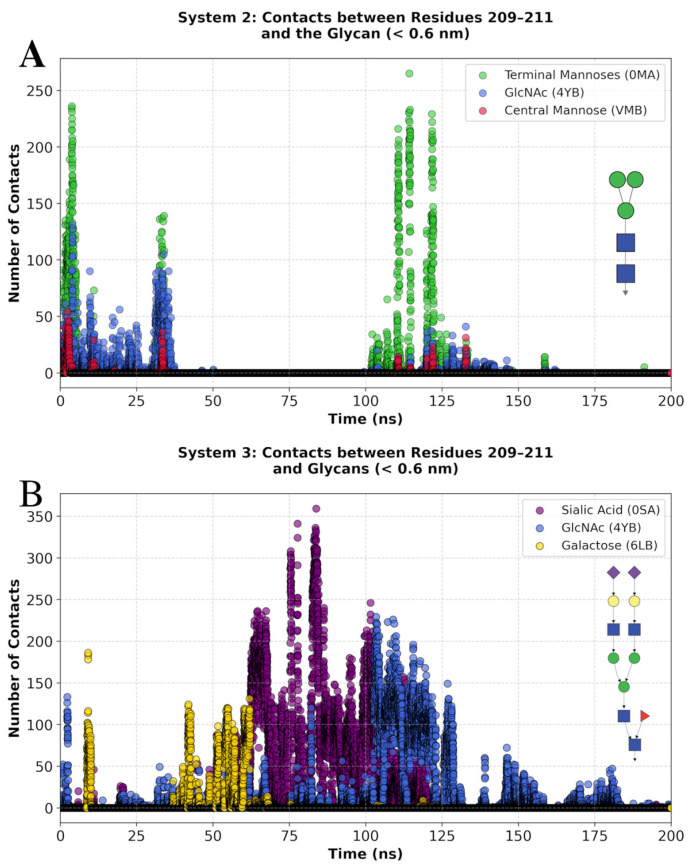 Figure 8
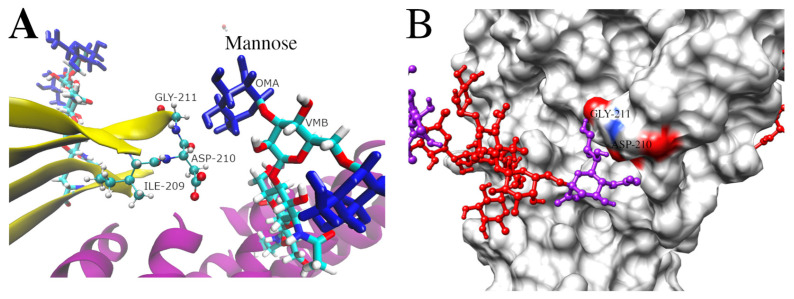 Figure 9
Peer Reviews
No public reviews on file for this paper yet. If you reviewed it on a platform where reviews are public (OpenReview, ICLR, NeurIPS, ICML), you can paste yours below so the community can read it here.
Videos
No videos yet. Explain this paper in a talk, walkthrough, or lecture? Add one.
Taxonomy
TopicsHelicobacter pylori-related gastroenterology studies · Galectins and Cancer Biology · Glycosylation and Glycoproteins Research