Innovative Therapeutic Approaches Targeting Obesity: Can Flavonoids Improve the Efficacy of Anti-Obesogenic Drugs?
Emanuele-Salvatore Scarpa, Stefano Amatori, Giovanni Caprioli, Filippo Maggi, Gianluca Moroncini, Giancarlo Balercia, Gilberta Giacchetti

TL;DR
This paper reviews how flavonoids, found in the human diet, may help improve anti-obesity drugs by reducing fat formation and inflammation.
Contribution
The paper identifies specific flavonoids with anti-adipogenic properties that could be combined with existing drugs for better obesity treatment.
Findings
Flavonoids inhibit adipogenesis and show anti-inflammatory and antioxidant effects.
Combining flavonoids with drugs like Semaglutide may enhance therapeutic outcomes for obesity.
Flavonoids modulate epigenetic mechanisms linked to obesity development.
Abstract
Obesity is a chronic, multifactorial metabolic disease associated with various factors such as insulin resistance, increased adipogenesis, induction of gluconeogenesis, epigenetic mechanisms, chronic inflammatory state, and oxidative stress. Anti-obesity drugs such as Semaglutide and Tirzepatide are currently used in therapies for obese patients and exert remarkable anti-obesogenic effects, determining weight loss and inhibition of insulin resistance. The impairment of the adipogenesis process and the inhibition of the differentiation of human bone marrow mesenchymal stem cells into adipocytes should also be considered to improve the therapeutic strategies for obesity. Notably, the ability of several flavonoids to inhibit adipogenesis has been described. Flavonoids are the most abundant polyphenols in the human diet and exhibit a wide range of biological properties, including…
Genes, proteins, chemicals, diseases, species, mutations and cell lines named across the full text — each resolved to its canonical identifier and authoritative record.
Click any figure to enlarge with its caption.
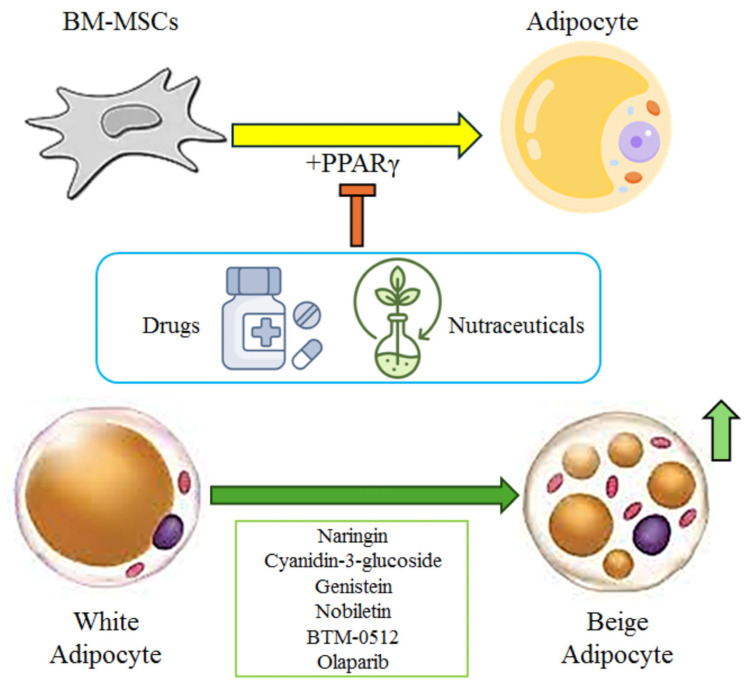 Figure 1
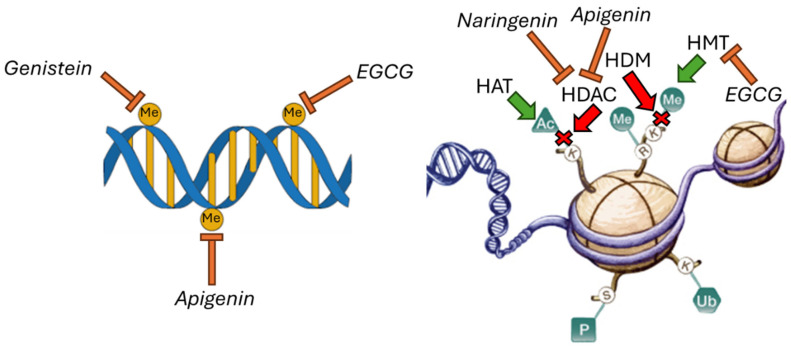 Figure 2
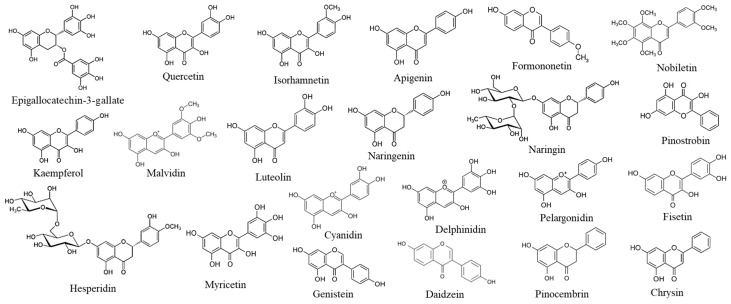 Figure 3
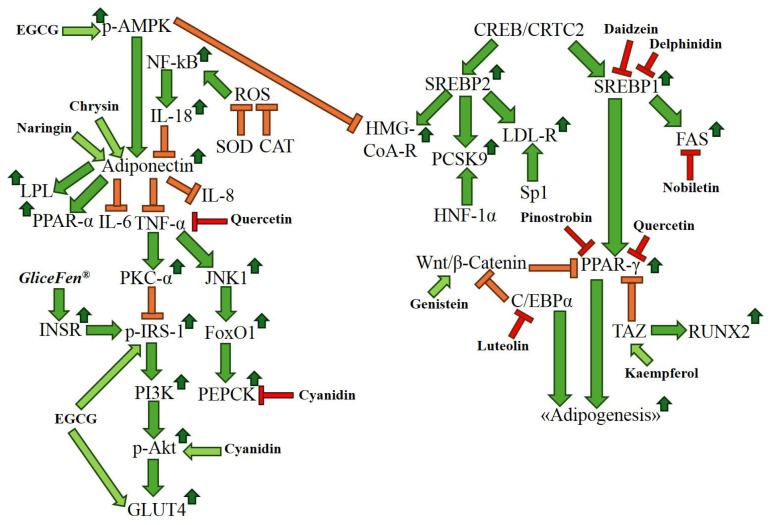 Figure 4
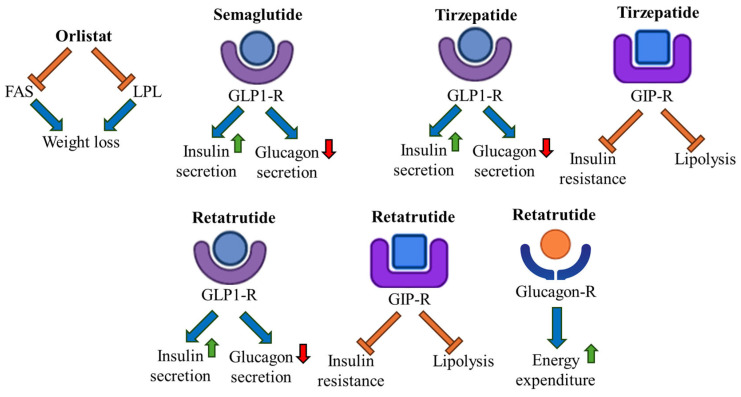 Figure 5
Peer Reviews
No public reviews on file for this paper yet. If you reviewed it on a platform where reviews are public (OpenReview, ICLR, NeurIPS, ICML), you can paste yours below so the community can read it here.
Videos
No videos yet. Explain this paper in a talk, walkthrough, or lecture? Add one.
Taxonomy
TopicsAdipose Tissue and Metabolism · Adipokines, Inflammation, and Metabolic Diseases · Sirtuins and Resveratrol in Medicine