Multiplexing Proteomic and Ingenuity Pathway Analysis of Attention/Working Memory in Virally Suppressed Women with HIV: A Feasibility Study
Wei Li, Leah H. Rubin, Yanxun Xu, Yuezhe Wang, Raha Dastgheyb, Travis Ptacek, Ge Wang, Mirjam-Colette Kempf, Jodie A. Dionne, Deborah Konkle-Parker, Daniel Y. Li, Anandi Sheth, Igho Ofotokun, David E. Vance

TL;DR
This study explores how blood proteins relate to attention and memory in HIV-positive women, using a new method to identify key biomarkers and gene networks.
Contribution
The study introduces a novel methodology combining proteomics, random forest analysis, and gene network interpretation for cognitive function in HIV.
Findings
TNF RI, TNF RII, IL-1RI, and IL-6R were negatively associated with attention/working memory.
Two gene signaling networks were identified linking plasma proteins to cognitive function.
The method successfully integrated blood-based biomarkers with cognitive assessments.
Abstract
Background/Objectives: Individual plasma protein biomarkers have been shown to correlate with cognitive performance in people with HIV (PWH). This study aimed to investigate the association between plasma proteomic signatures and attention/working memory in virologically well-controlled women with HIV (WWH). Methods: Seventy-seven WWH from three Women’s Interagency HIV Study (WIHS) sites completed neuropsychological (NP) testing and a blood draw. Selected protein biomarkers (200 total) were analyzed using a multiplexing method. Results: Random forest analysis was used to identify the top 10 biomarkers that were each positively or negatively associated with attention/working memory. Ingenuity pathway analysis (IPA) was used to facilitate data interpretation. Tumor necrosis factor receptor 1 (TNF RI), TNF RII, interleukin 1 receptor 1 (IL-1RI), and IL-6R were negatively associated with…
Genes, proteins, chemicals, diseases, species, mutations and cell lines named across the full text — each resolved to its canonical identifier and authoritative record.
Click any figure to enlarge with its caption.
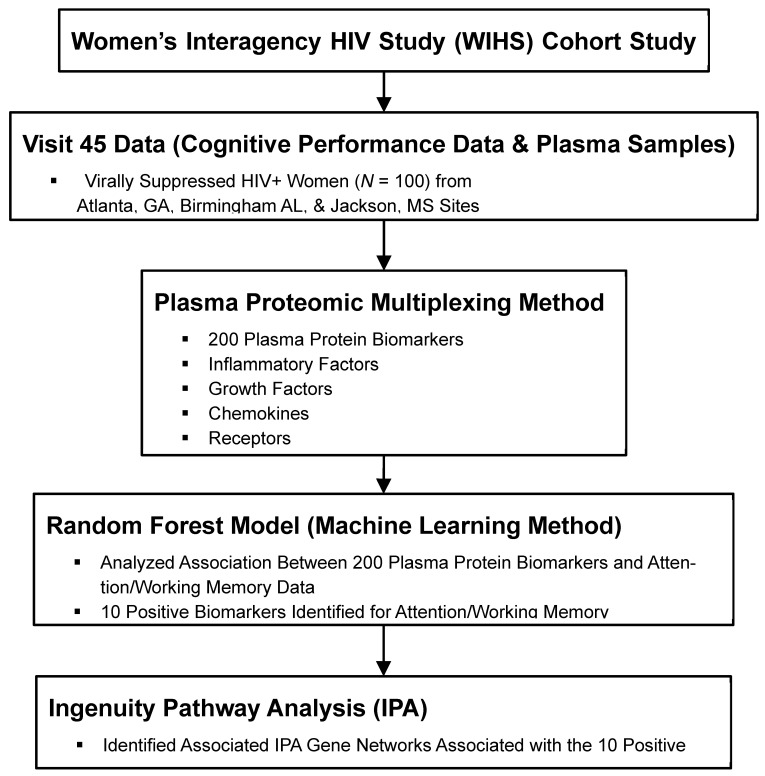 Figure 1
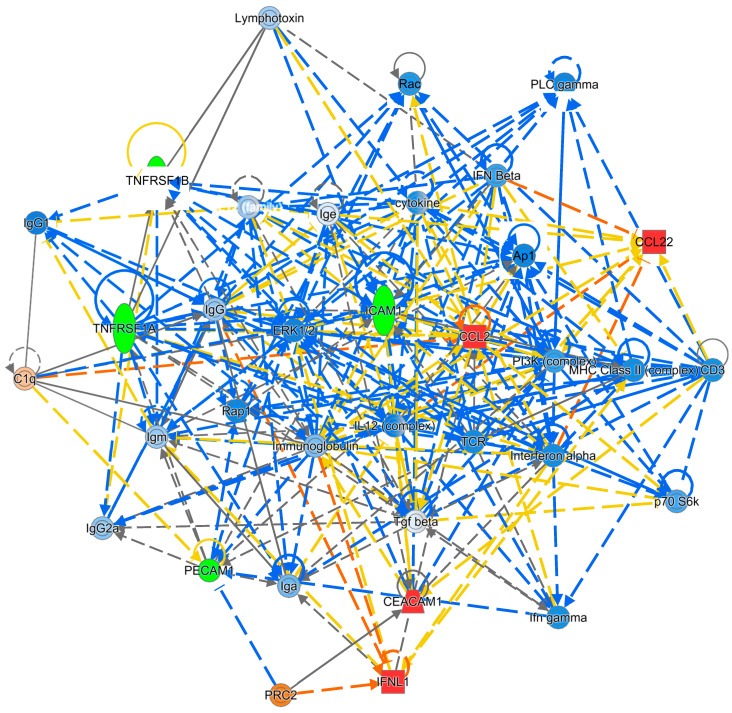 Figure 2
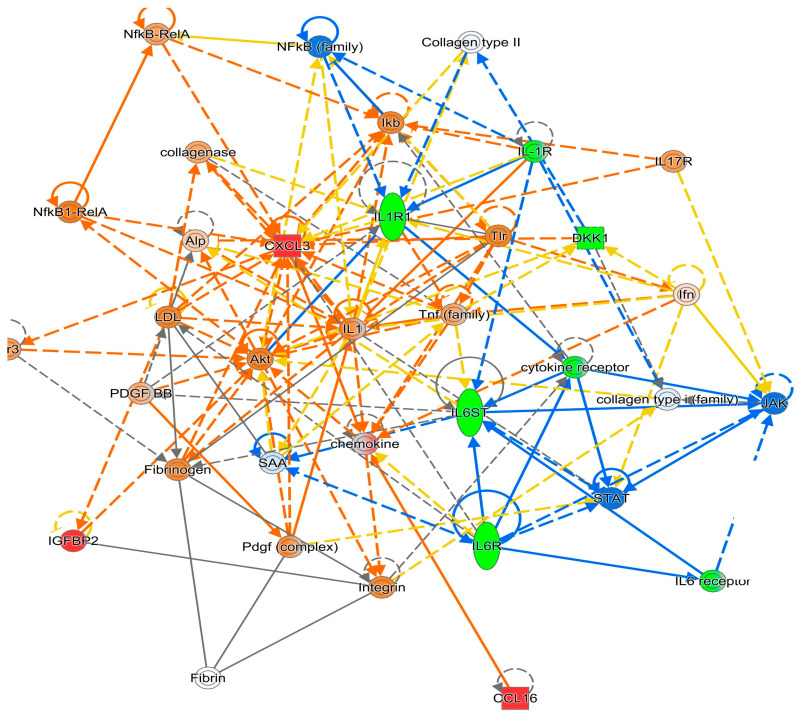 Figure 3
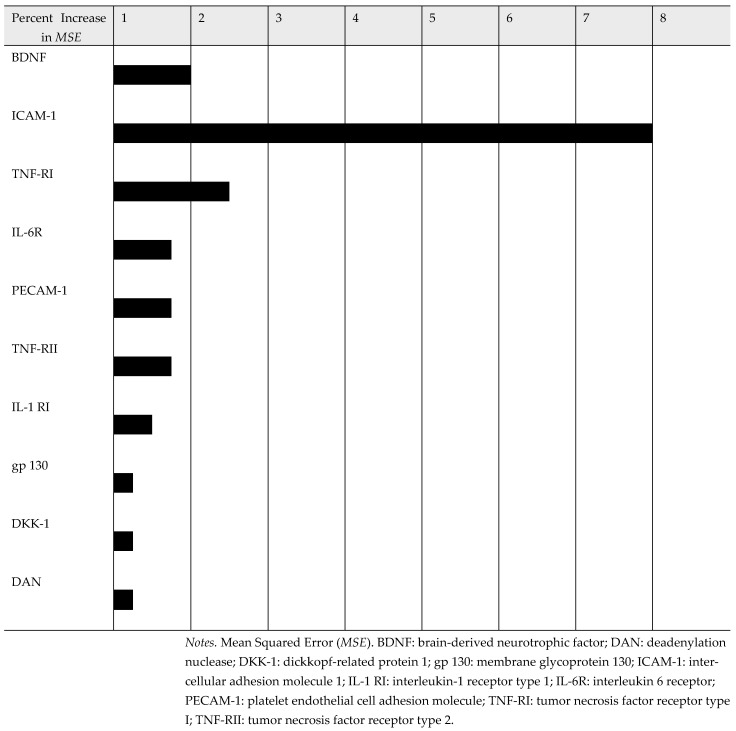 Figure 4
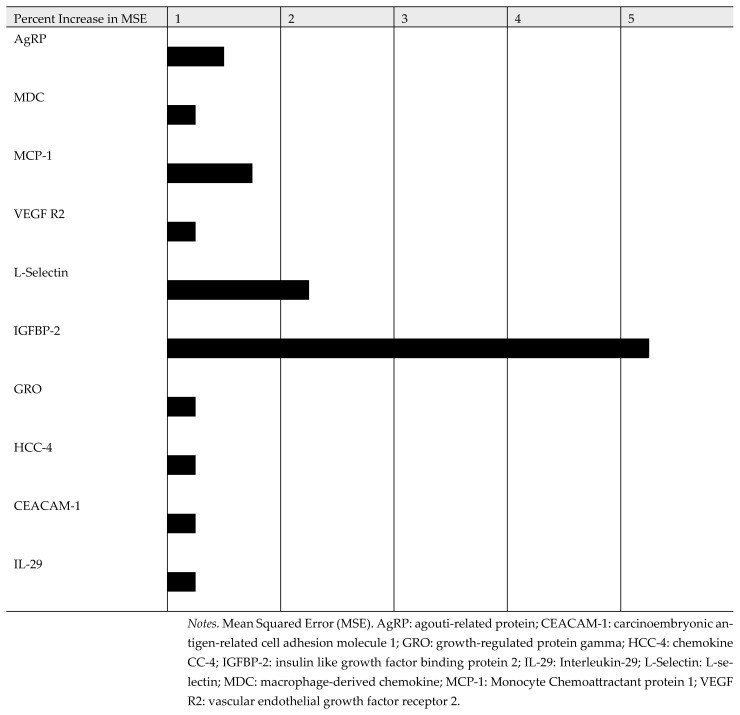 Figure 5
Peer Reviews
No public reviews on file for this paper yet. If you reviewed it on a platform where reviews are public (OpenReview, ICLR, NeurIPS, ICML), you can paste yours below so the community can read it here.
Videos
No videos yet. Explain this paper in a talk, walkthrough, or lecture? Add one.
Taxonomy
TopicsHIV Research and Treatment · Tryptophan and brain disorders · HIV-related health complications and treatments