RNAi-based functional analysis of a theta-class glutathione S-transferase implicated in deltamethrin detoxification in Pardosa astrigera (Araneae: Lycosidae)
Rui Li, Liyalin Jiao, Shuxin Zhai, Xingjie Jin, Congcong Cui, Boqi Ren, Xinghua Zhang, Fangyu Shen, Min Ma, Michael A. Rieger, Xinmin Li

TL;DR
This study identifies a gene in a spider species that helps it detoxify a common insecticide, showing that disrupting this gene increases spider mortality when exposed to the insecticide.
Contribution
The study identifies and functionally characterizes a theta-class GST gene involved in deltamethrin detoxification in Pardosa astrigera for the first time.
Findings
PaGSTt1 gene expression is highest in 5th instar nymphs and in the abdomen of adult spiders.
RNAi knockdown of PaGSTt1 increases deltamethrin-induced mortality in male spiders by 34.54%.
Deltamethrin exposure significantly induces PaGSTt1 expression in a dose- and time-dependent manner.
Abstract
Glutathione S-transferases (GSTs) play a critical role in insecticide detoxification. This study investigates the molecular characteristics and biological function of a theta-class glutathione S-transferase gene, PaGSTt1, in the spider Pardosa astrigera. Based on transcriptome data, the PaGSTt1 gene (GenBank accession number: PV848051.1) was cloned using RT-PCR and characterized via bioinformatics analysis. Its expression patterns across different developmental stages (2nd to 6th instar nymphs and adults), tissues (cephalothorax, abdomen, and legs), and in response to deltamethrin exposure (LC10, LC30, LC50) were quantified by RT-qPCR. RNA interference (RNAi) was employed to knock down PaGSTt1 in male spiders, and the subsequent change in susceptibility to deltamethrin was evaluated. The PaGSTt1 gene contains a 678 bp open reading frame encoding 225 amino acids. Expression was…
Genes, proteins, chemicals, diseases, species, mutations and cell lines named across the full text — each resolved to its canonical identifier and authoritative record.
Click any figure to enlarge with its caption.
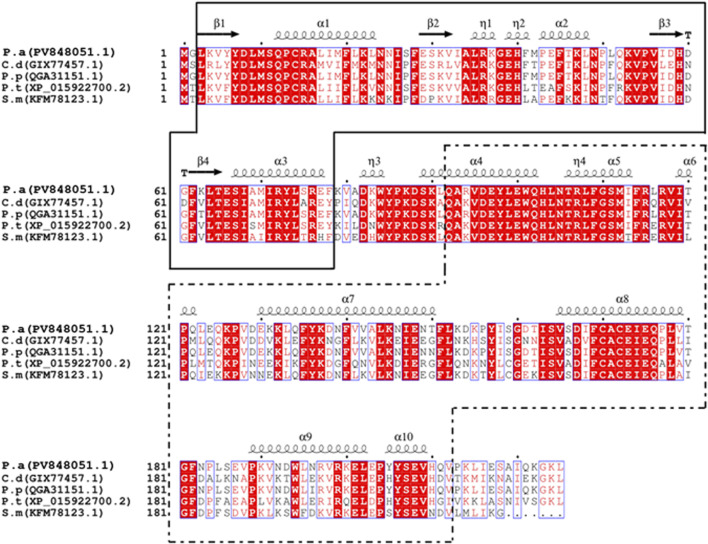 Figure 1
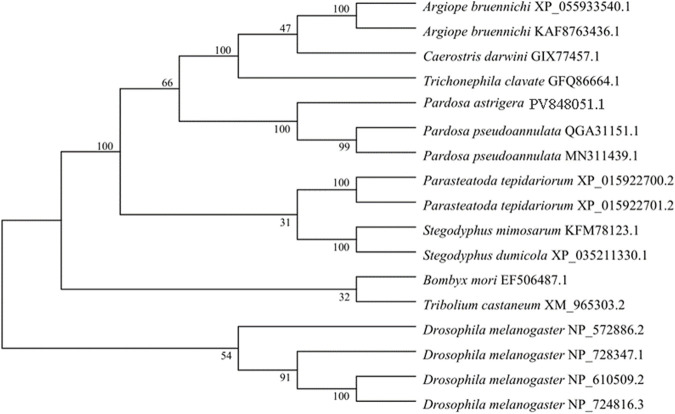 Figure 2
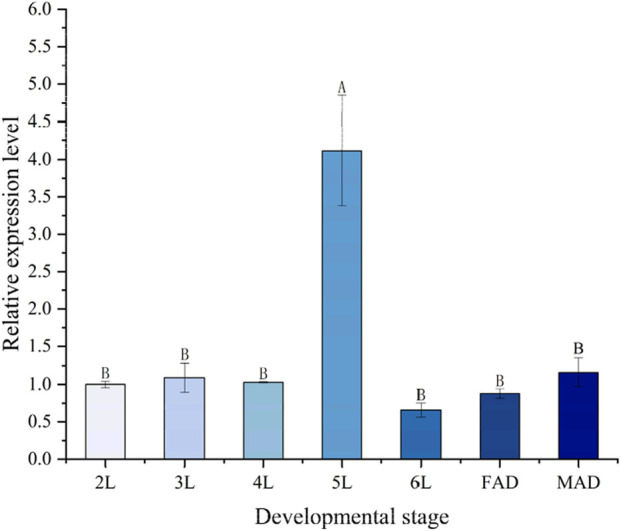 Figure 3
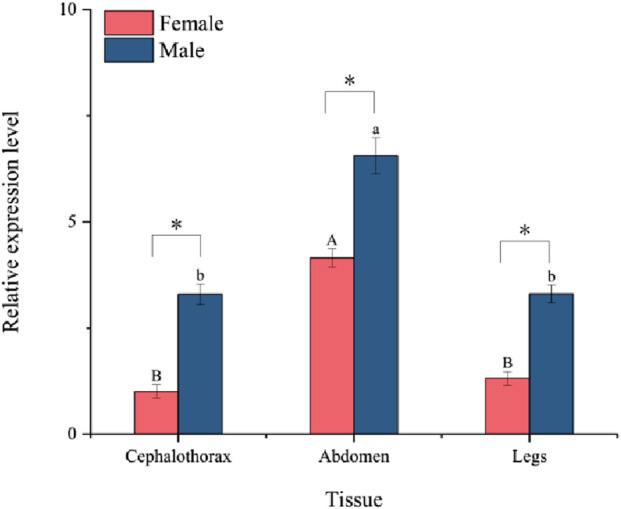 Figure 4
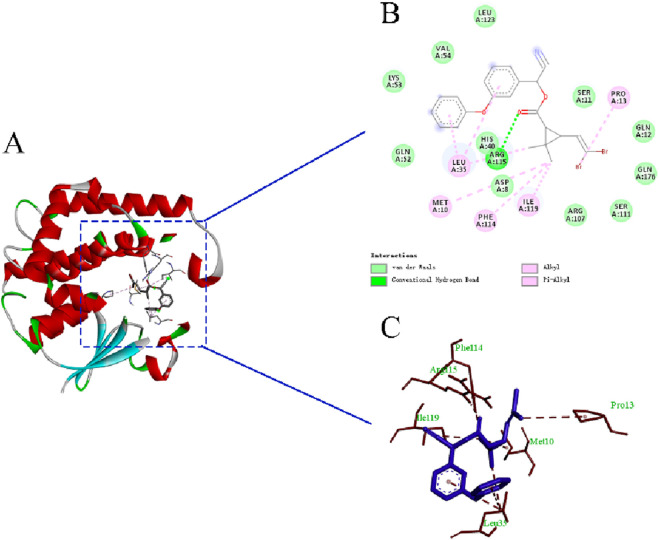 Figure 5
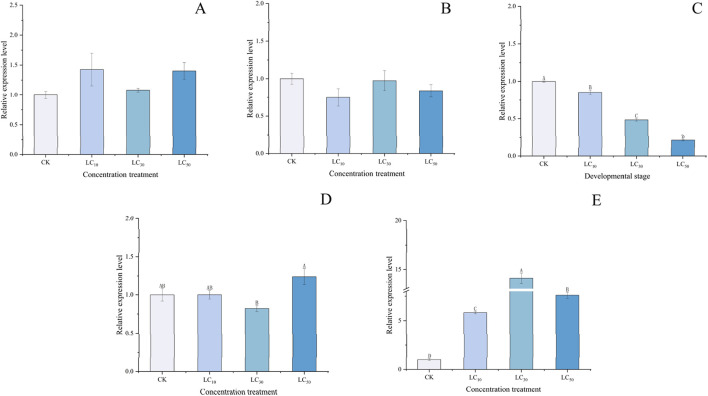 Figure 6
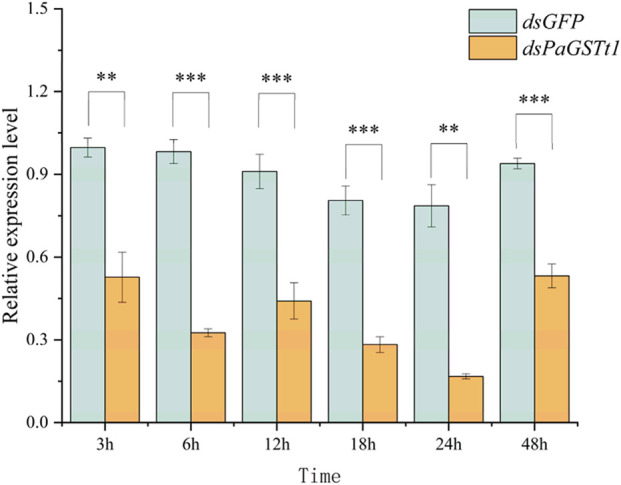 Figure 7
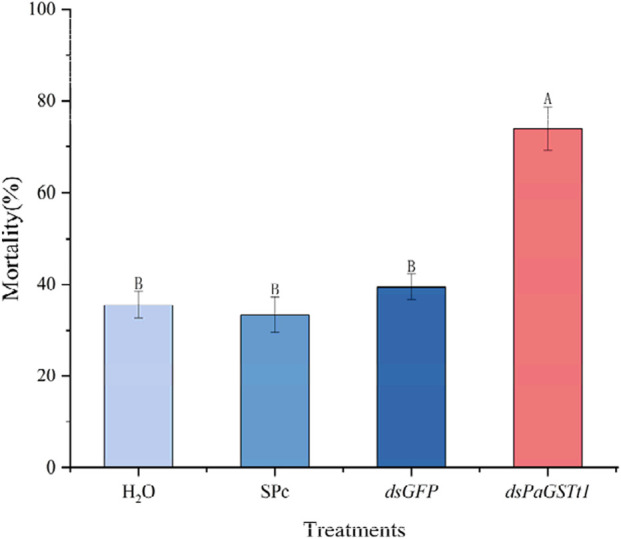 Figure 8
Peer Reviews
No public reviews on file for this paper yet. If you reviewed it on a platform where reviews are public (OpenReview, ICLR, NeurIPS, ICML), you can paste yours below so the community can read it here.
Videos
No videos yet. Explain this paper in a talk, walkthrough, or lecture? Add one.
Taxonomy
TopicsGlutathione Transferases and Polymorphisms · Genomics, phytochemicals, and oxidative stress · Insect Resistance and Genetics