Ultrastructure and Transcriptome Analysis Reveal Sexual Dimorphism in the Antennal Chemosensory System of Blaptica dubia
Yu Zhang, Liming Liu, Haiqi Zhao, Jiabin Luo, Lina Guo

TL;DR
This study shows that male and female Blaptica dubia have different antennal structures and gene activity related to sensing chemicals, suggesting evolved differences in how they interact with their environment.
Contribution
The study reveals novel insights into sexual dimorphism in chemosensory systems through combined ultrastructural and transcriptomic analysis in Blaptica dubia.
Findings
Males and females of Blaptica dubia show distinct antennal sensilla morphology and gene expression profiles.
Transcriptomic analysis identified 5664 differentially expressed genes, including chemosensory-related genes like CSPs, OBPs, GRs, Ors, and IRs.
Sex-specific differences in chemosensory gene expression suggest divergent chemical communication strategies between the sexes.
Abstract
Blaptica dubia relies on its chemosensory system to perform essential behaviors such as mate localization and environmental interactions. This study employed integrated morphological and transcriptomic analyses to investigate sexual dimorphism in this system. The results revealed significant differences between males and females in both sensilla morphology and gene expression profiles. These disparities suggest that the two sexes may have evolved distinct chemosensory strategies, providing new perspectives for understanding adaptive evolution in Blattodea insects. This study distinguished male and female individuals by wing morphology (males with long wings, females with short wings) and investigated sexual dimorphism in the chemosensory system of Blaptica dubia through integrated ultrastructural and transcriptomic analyses. Scanning electron microscopy (SEM) was used to characterize…
Genes, proteins, chemicals, diseases, species, mutations and cell lines named across the full text — each resolved to its canonical identifier and authoritative record.
Click any figure to enlarge with its caption.
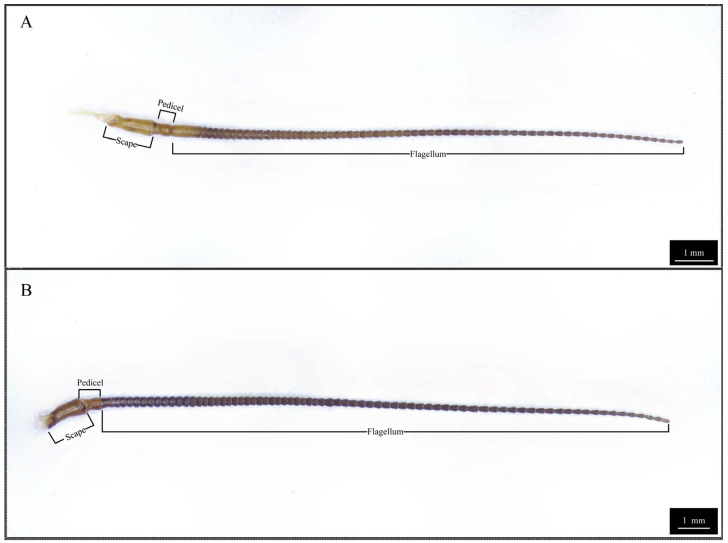 Figure 1
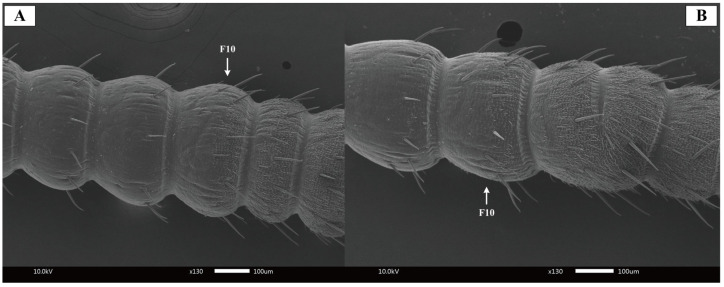 Figure 2
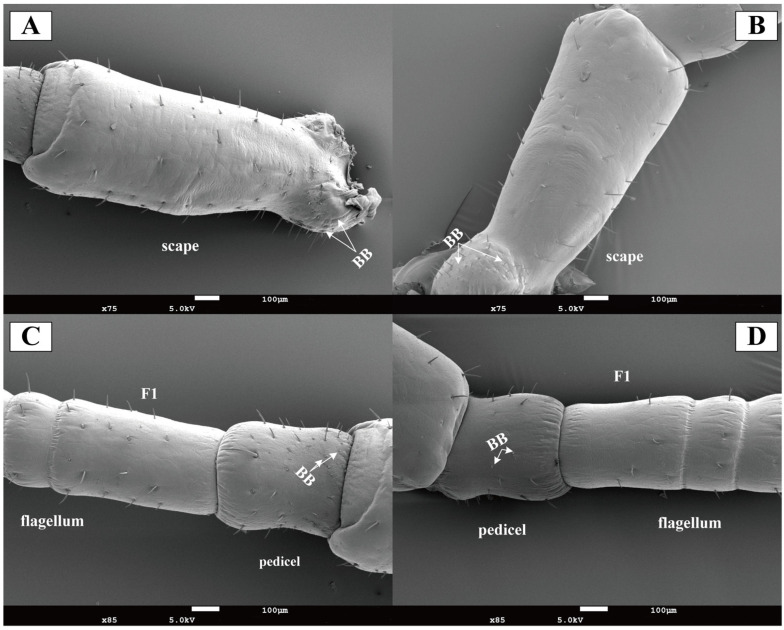 Figure 3
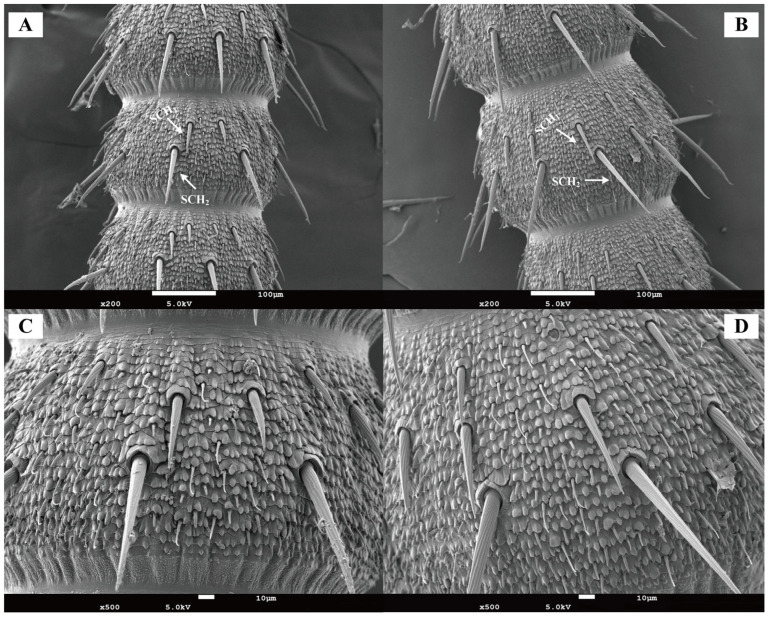 Figure 4
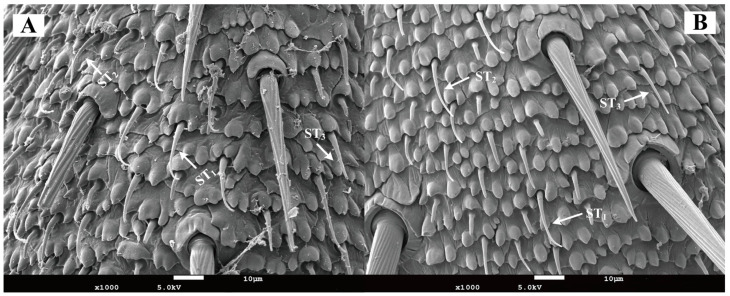 Figure 5
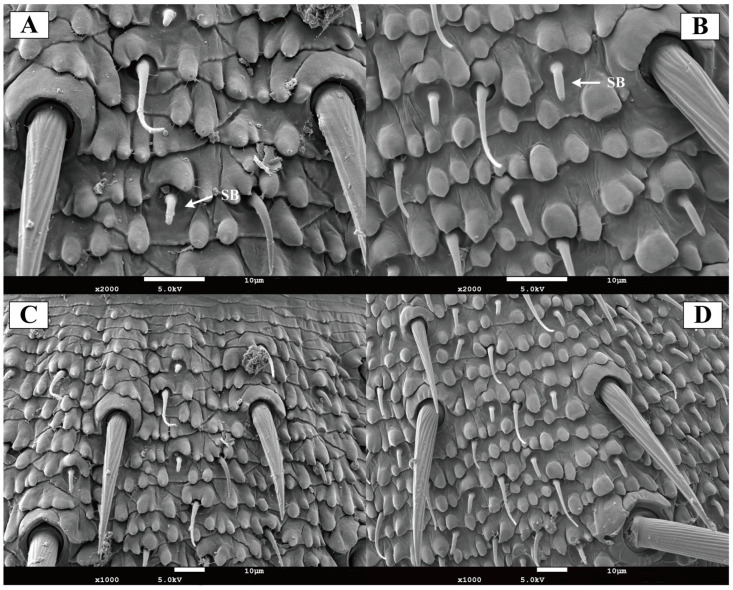 Figure 6
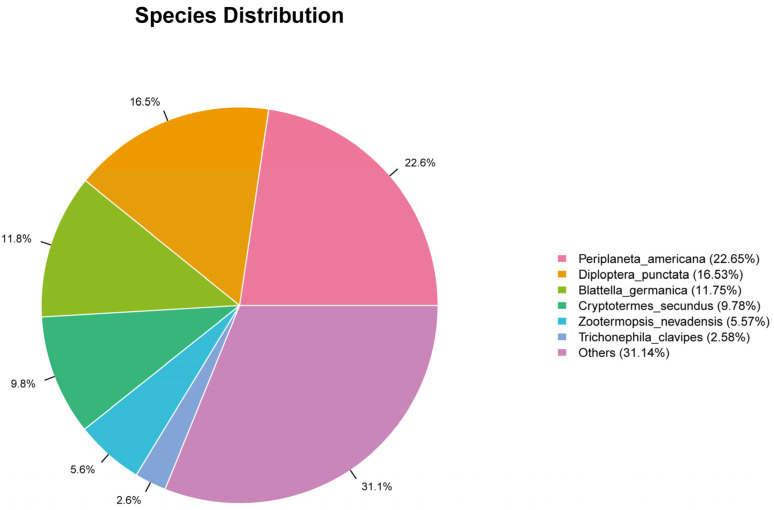 Figure 7
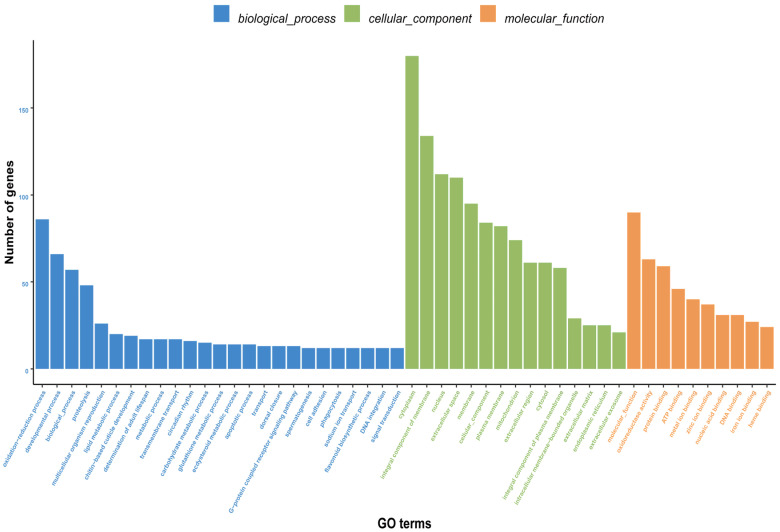 Figure 8
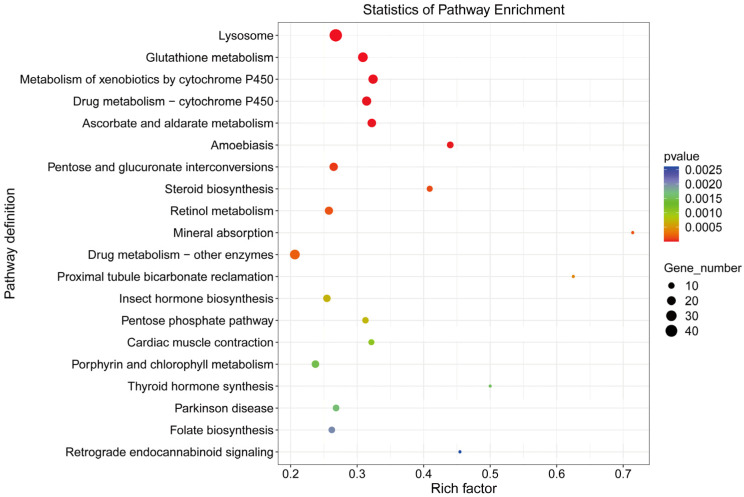 Figure 9
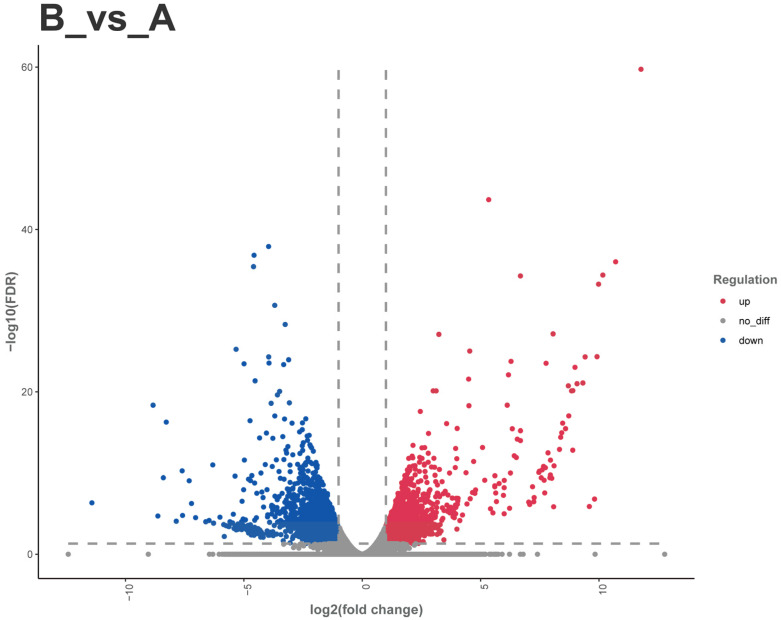 Figure 10
Peer Reviews
No public reviews on file for this paper yet. If you reviewed it on a platform where reviews are public (OpenReview, ICLR, NeurIPS, ICML), you can paste yours below so the community can read it here.
Videos
No videos yet. Explain this paper in a talk, walkthrough, or lecture? Add one.
Taxonomy
TopicsNeurobiology and Insect Physiology Research · Phytochemical compounds biological activities · Plant Reproductive Biology