A Recipe to Evolve Complex Life Chemically on Earth
Lei Lei, Zachary Frome Burton

TL;DR
This paper explores how tRNA molecules evolved chemically to enable life on Earth and suggests a pathway to recreate this process in the lab.
Contribution
The paper proposes a detailed chemical evolution pathway for tRNA and its role in the origin of life.
Findings
tRNA sequences are patterned in RNA repeats and inverted repeats.
tRNA precursors were strongly chemically selected in pre-life.
A simple pathway for tRNA-based life evolution can be assembled in labs.
Abstract
Sequences of tRNAs are highly patterned in easily identifiable RNA repeats and RNA inverted repeats (stem–loop–stems). Because of patterning, the multi-step evolution of tRNA can be described in remarkable detail. To evolve life on Earth or another planet or the moon requires the evolution of tRNA or a tRNA-like molecule to act as a genetic adapter. To replace tRNA with an alternate or improved genetic adapter is a remarkably challenging problem, indicating strong chemical selection of tRNA precursors in pre-life. The genetic code, translation systems, and first proteins coevolved with tRNAomes (all of the tRNAs of an organism). Because the tRNA sequence can be separated into component parts, a simple pathway for chemical evolution of life and genetic coding can be described in sufficient detail to allow the assembly of a living entity in laboratories.
Genes, proteins, chemicals, diseases, species, mutations and cell lines named across the full text — each resolved to its canonical identifier and authoritative record.
Click any figure to enlarge with its caption.
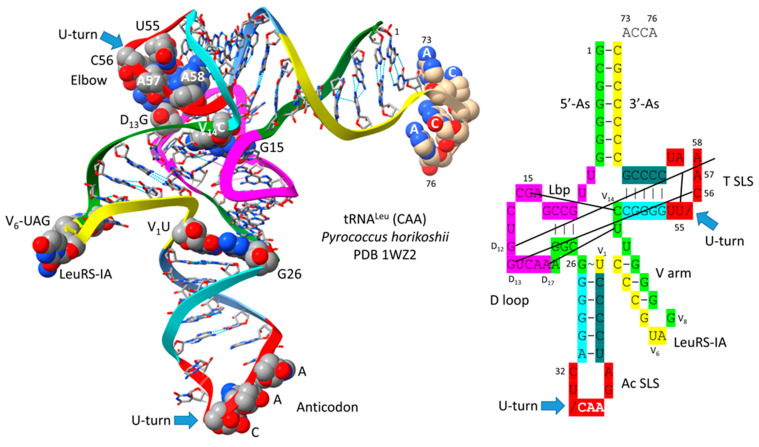 Figure 1
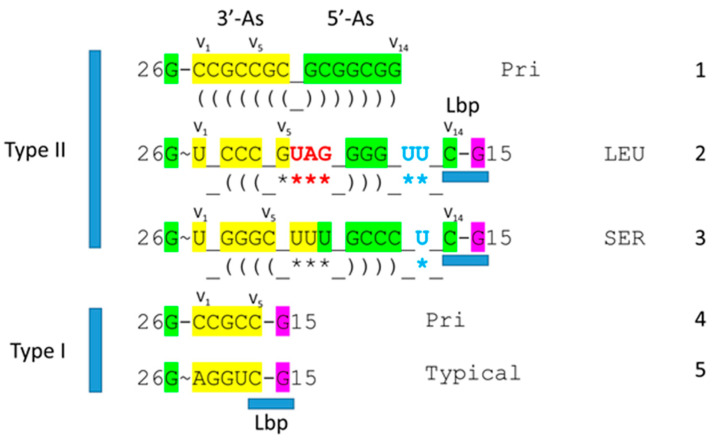 Figure 2
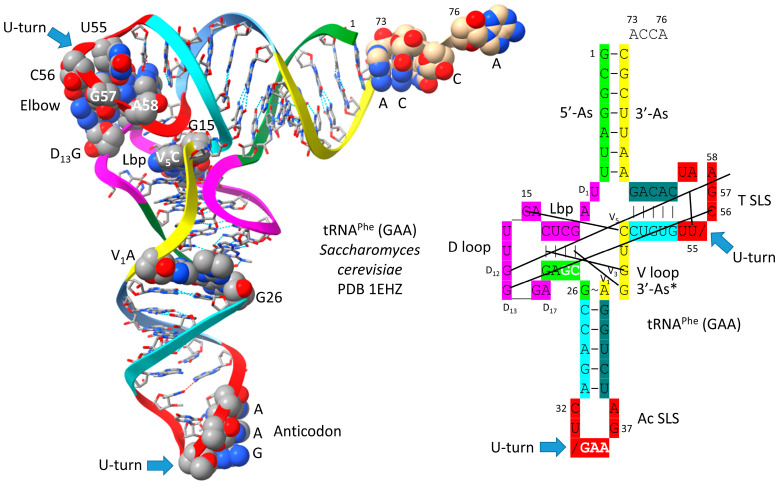 Figure 3
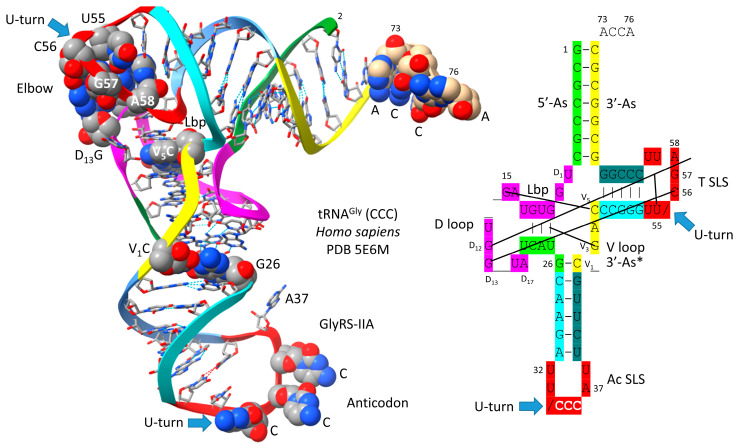 Figure 4
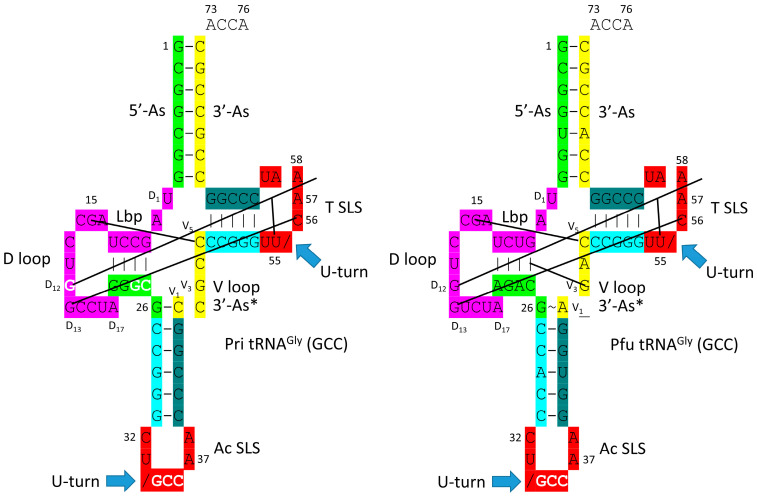 Figure 5
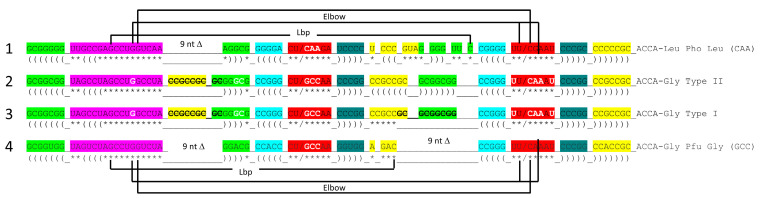 Figure 6
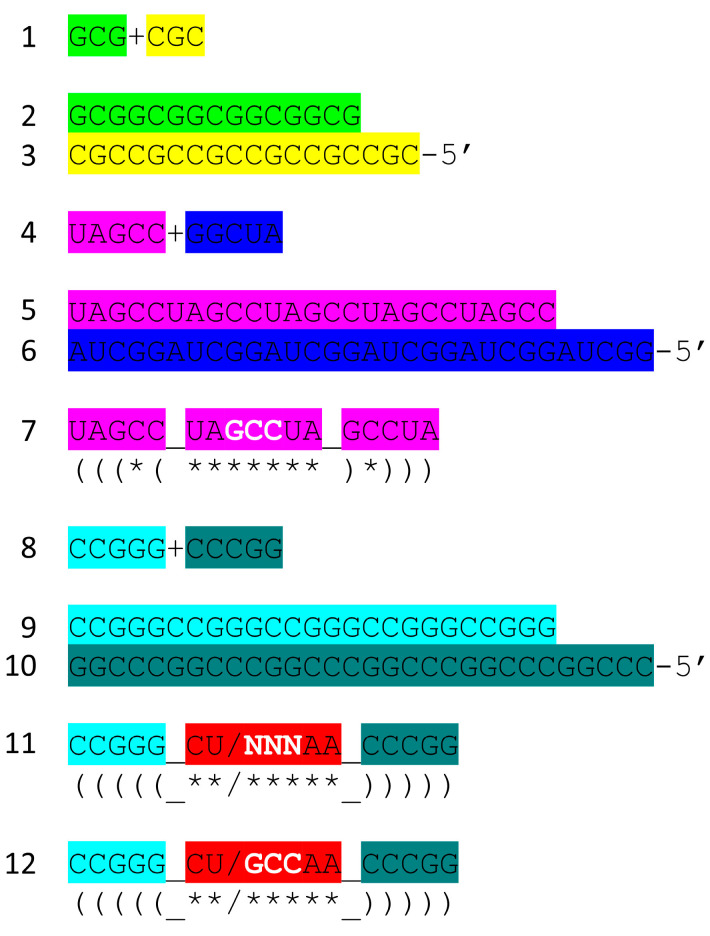 Figure 7
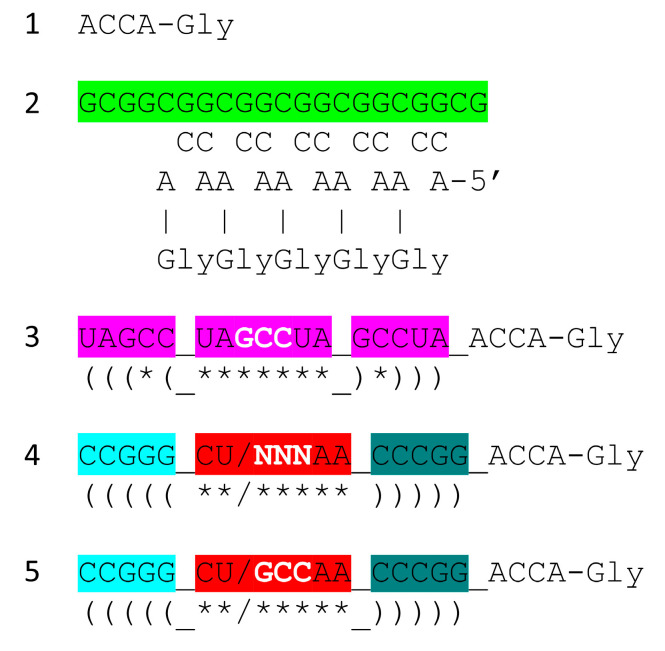 Figure 8
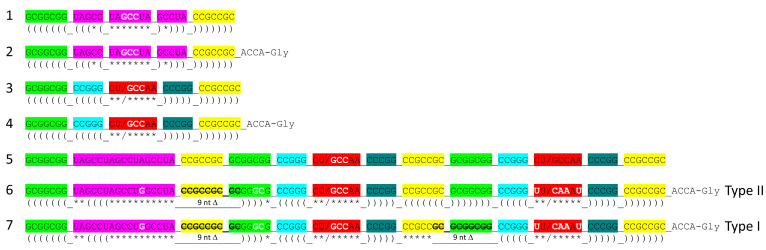 Figure 9
 Figure 10
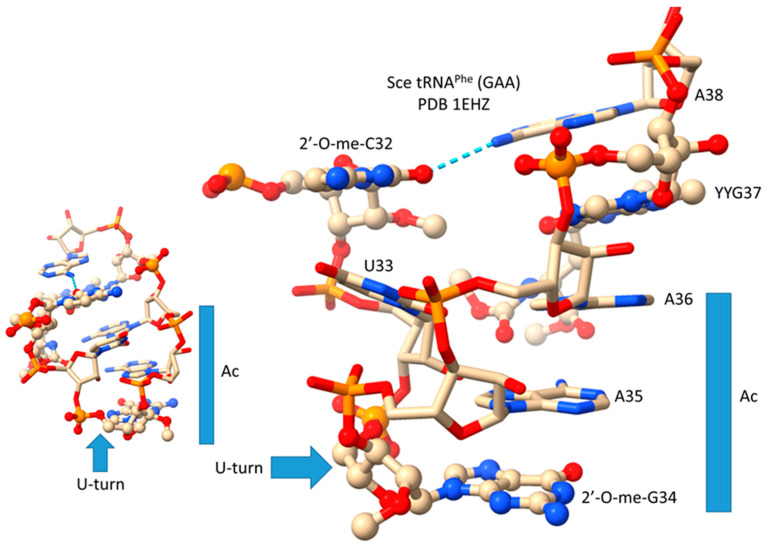 Figure 11
Peer Reviews
No public reviews on file for this paper yet. If you reviewed it on a platform where reviews are public (OpenReview, ICLR, NeurIPS, ICML), you can paste yours below so the community can read it here.
Videos
No videos yet. Explain this paper in a talk, walkthrough, or lecture? Add one.
Taxonomy
TopicsOrigins and Evolution of Life