Antihyperlipidemic Effect of Flavonoids and Saponins from Pyracantha fortuneana Fruits on L02 Cells and Caenorhabditis elegans
Yunfang Hao, Yinhong Wang, Kexin Hao, Yimeng Li, Longmei Geng, Liang Zhu, Jianguo Jiang

TL;DR
This study shows that compounds from Pyracantha fortuneana fruits can reduce high lipid levels in human liver cells and worms.
Contribution
The study identifies specific flavonoids and saponins in Pyracantha fortuneana with antihyperlipidemic properties.
Findings
PFF and PFS reduced lipid droplets in high-fat L02 cells and improved mitochondrial function.
Both fractions regulated lipid metabolism genes like Nrf2/ARE, CPT-1, and SIRT1.
PFF and PFS lowered lipid deposition and oxidative stress in Caenorhabditis elegans.
Abstract
In China, Pyracantha fortuneana has been consumed as a nutritious plant to improve indigestion. In the current study, the main chemical composition of P. fortuneana fruits was extracted and analysed for composition. Free fatty acids (FFA)-induced normal human hepatic L02 cells were used to construct a high-fat cell model, and lipid deposition in Caenorhabditis elegans was induced by a high concentration of glucose to study the anti-hyperlipidemic effects of the main components. The results showed that the flavonoid content of PFF (P. fortuneana Flavonoid Fractions) was 80.28%, and it contained various flavonoids such as epicatechin, isoquercetin, rutin, quercetin, and myricitrin, while the saponin content of PFS (P. fortuneana Saponin Fractions) was 74.4%, and it contained saponins such as shionone, crategolic acid, and ursolic acid. PFF and PFS significantly reduced the content of…
Genes, proteins, chemicals, diseases, species, mutations and cell lines named across the full text — each resolved to its canonical identifier and authoritative record.
Click any figure to enlarge with its caption.
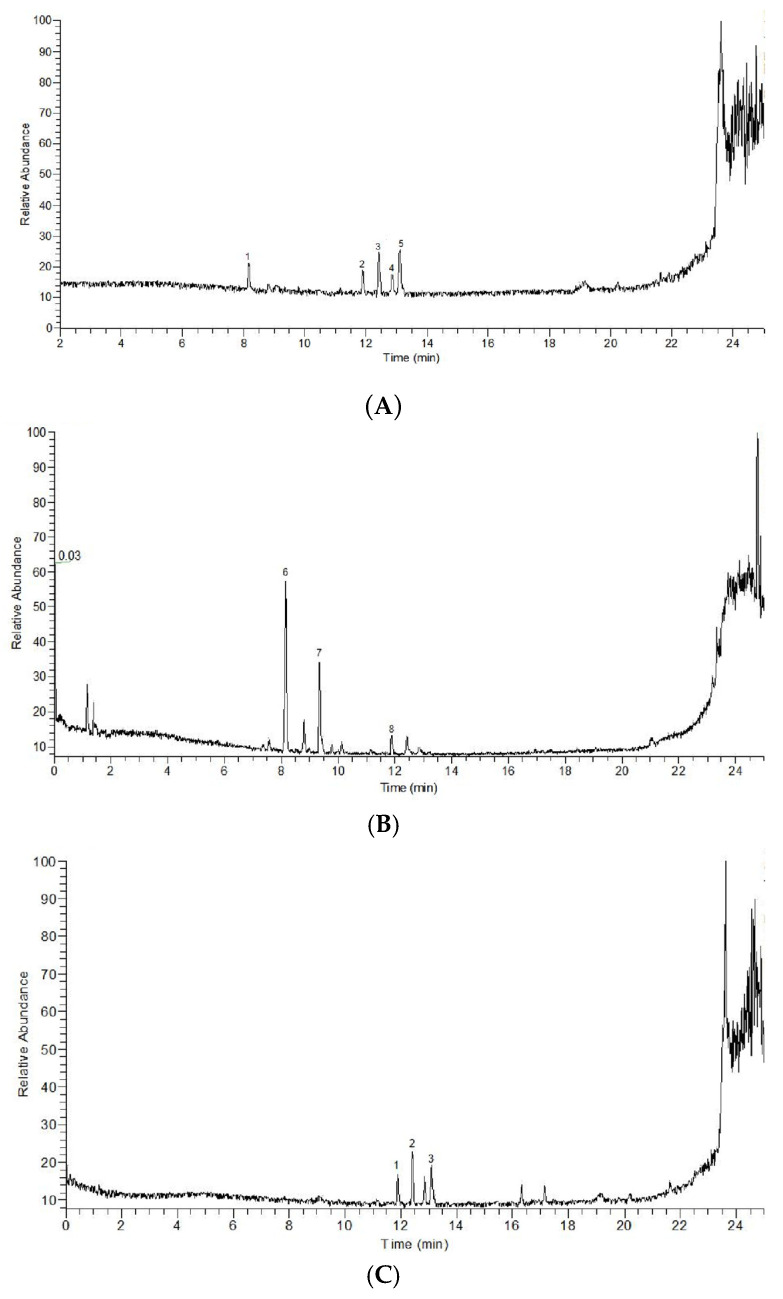 Figure 1
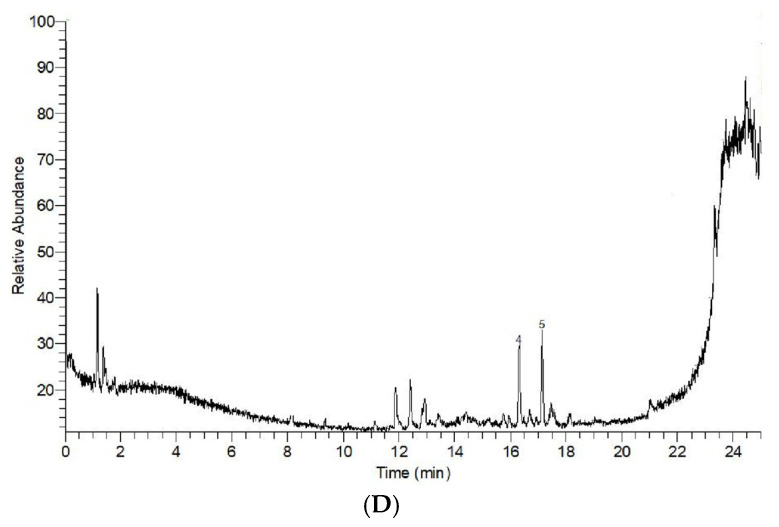 Figure 2
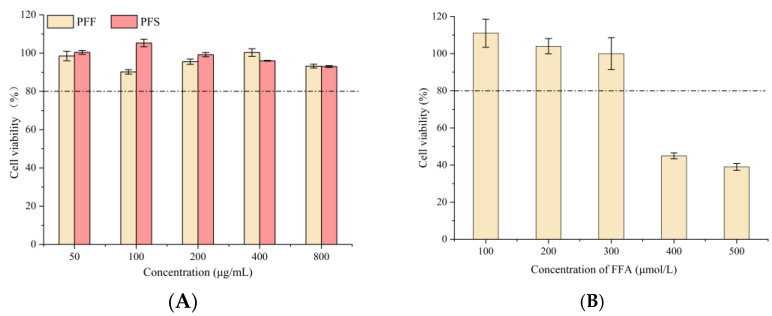 Figure 3
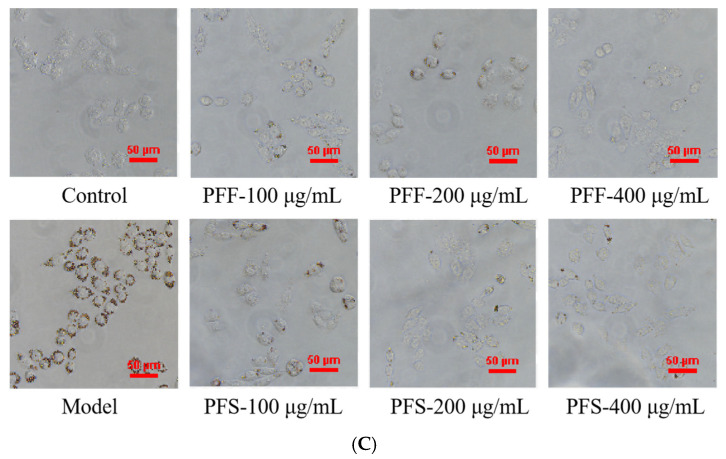 Figure 4
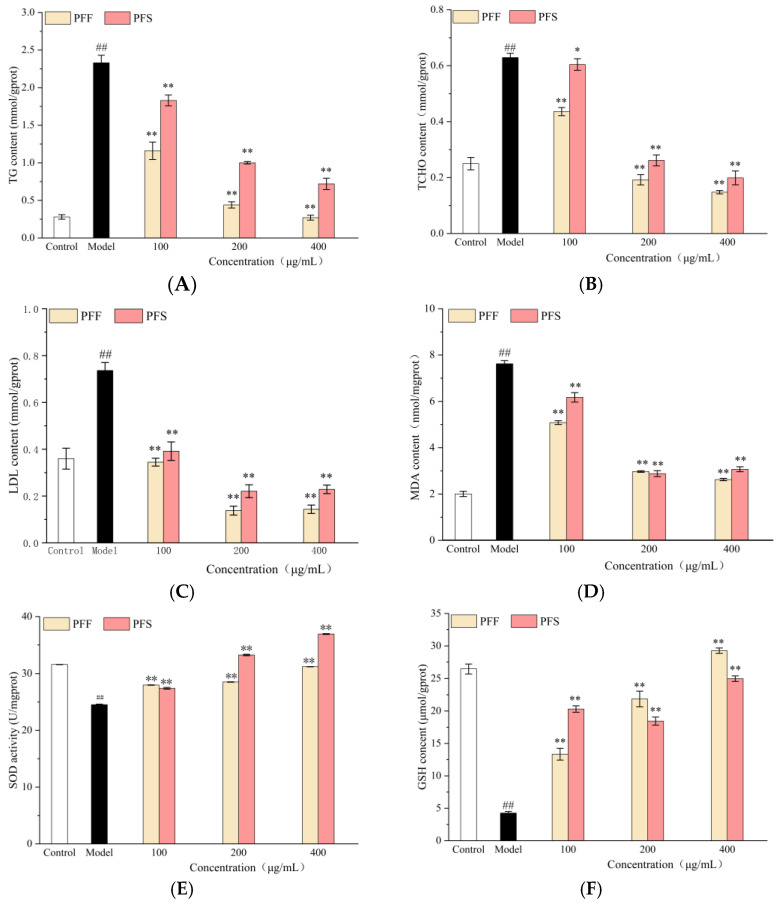 Figure 5
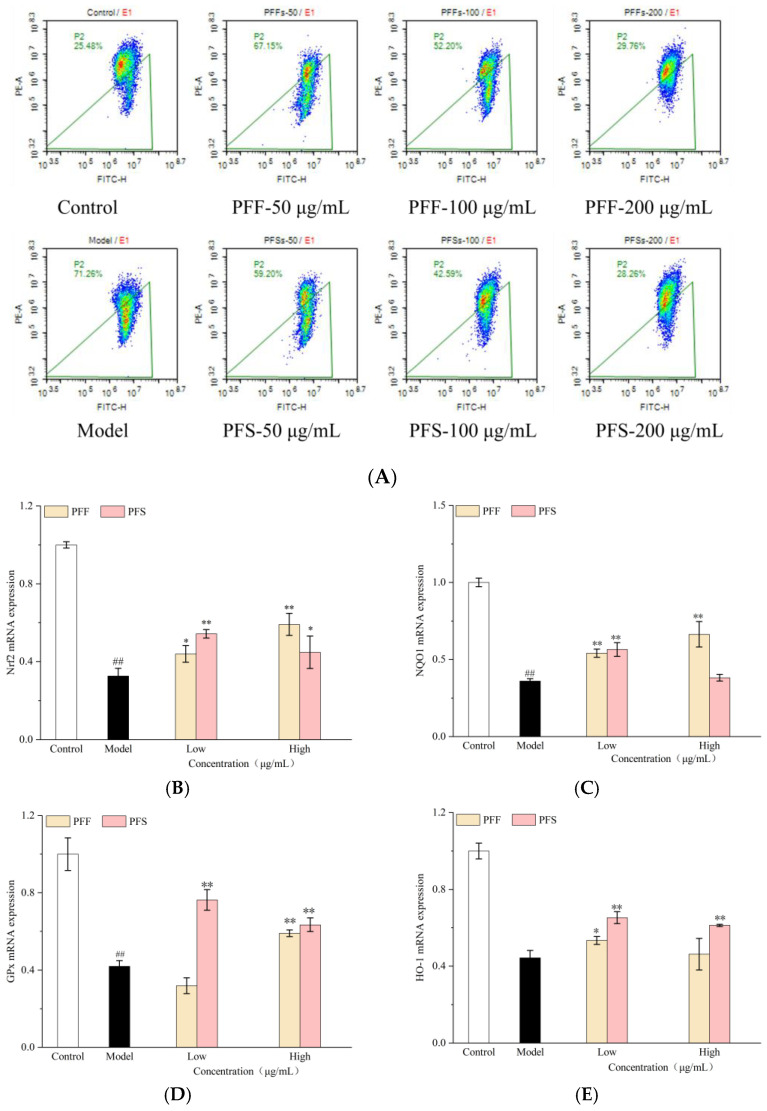 Figure 6
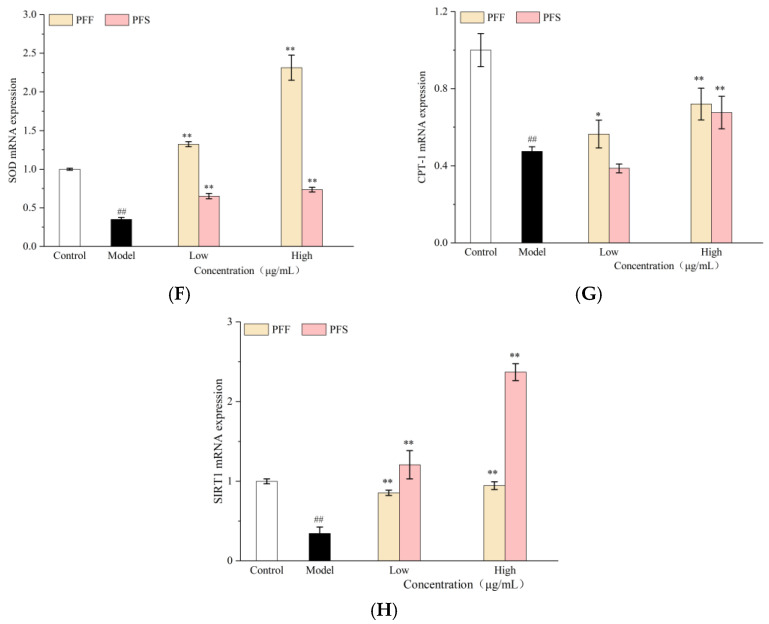 Figure 7
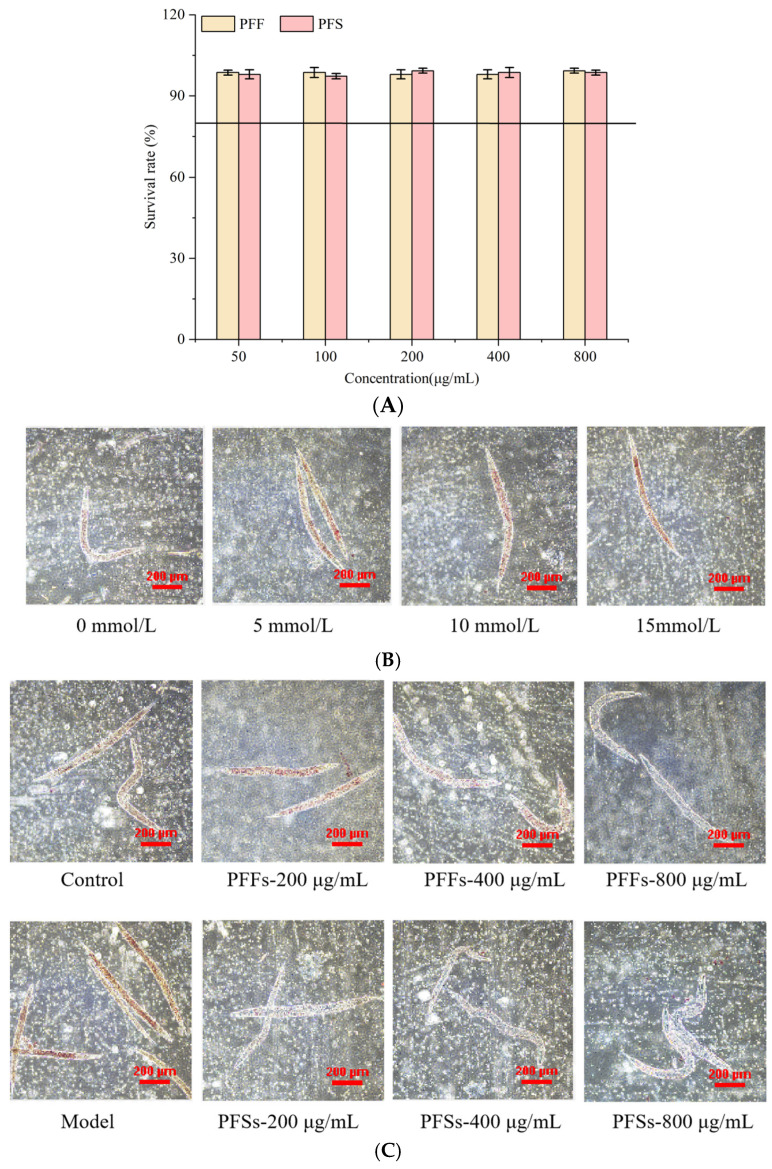 Figure 8
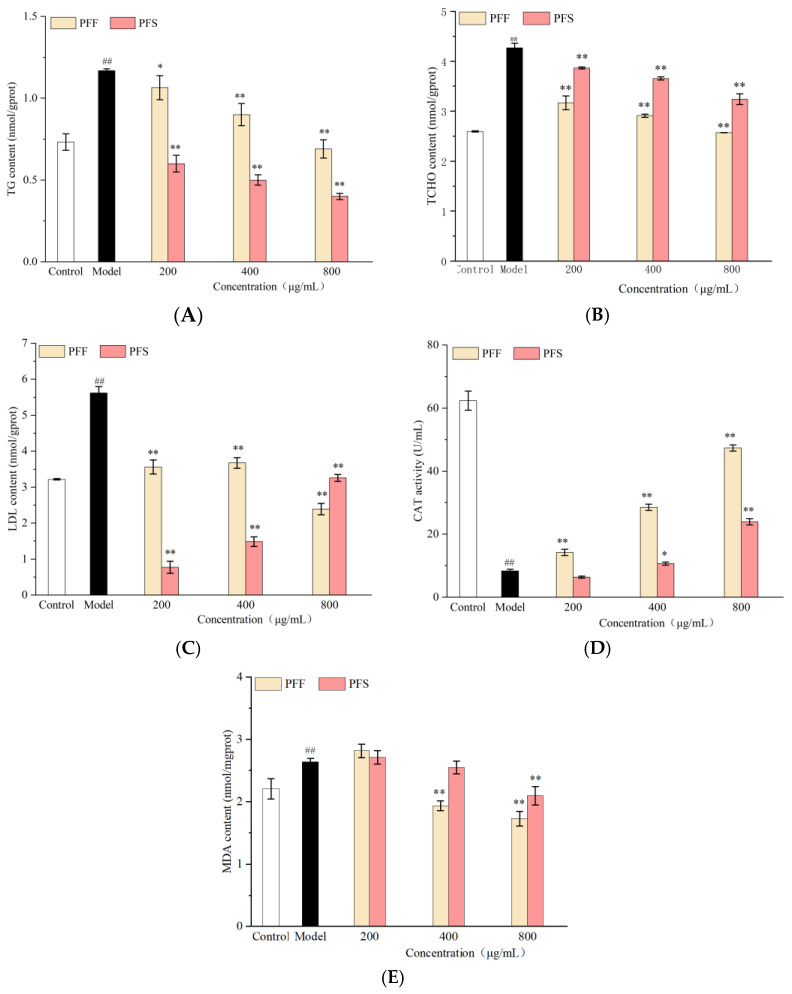 Figure 9
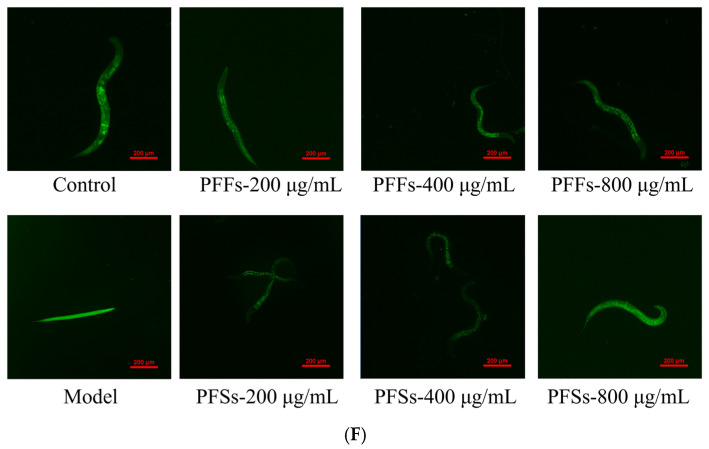 Figure 10
Peer Reviews
No public reviews on file for this paper yet. If you reviewed it on a platform where reviews are public (OpenReview, ICLR, NeurIPS, ICML), you can paste yours below so the community can read it here.
Videos
No videos yet. Explain this paper in a talk, walkthrough, or lecture? Add one.
Taxonomy
TopicsNatural Antidiabetic Agents Studies · GABA and Rice Research · Coconut Research and Applications