A Study on Hemodynamic and Brain Network Characteristics During Upper Limb Movement in Children with Cerebral Hemiplegia Based on fNIRS
Yuling Zhang, Yaqi Xu

TL;DR
This study uses fNIRS to compare brain activity and connectivity in children with cerebral hemiplegia and typically developing children during upper limb tasks.
Contribution
The study identifies distinct brain activation and connectivity patterns in HCP children during motor tasks, offering insights into neural mechanisms of motor dysfunction.
Findings
HCP children showed weaker left prefrontal cortex activation during non-mirror right tasks compared to typically developing children.
HCP children exhibited enhanced left motor cortex activation during non-mirror left tasks and reduced right motor cortex activation during mirror right tasks.
Weaker connectivity between right prefrontal cortex and right motor cortex was observed in HCP children during specific tasks.
Abstract
Background: Hemiplegic cerebral palsy (HCP) is a motor dysfunction disorder resulting from perinatal developmental brain injury, predominantly impairing upper limb function in children. Nonetheless, there has been insufficient research on the brain activation patterns and inter-brain coordination mechanisms of HCP children when performing motor control tasks, especially in contrast to children with typical development(CD). Objective: This cross-sectional study employed functional near-infrared spectroscopy (fNIRS) to systematically compare the cerebral blood flow dynamics and brain network characteristics of HCP children and CD children while performing upper-limb mirror training tasks. Methods: The study ultimately included 14 HCP children and 28 CD children. fNIRS technology was utilized to record changes in oxygenated hemoglobin (HbO) signals in the bilateral prefrontal cortex…
Genes, proteins, chemicals, diseases, species, mutations and cell lines named across the full text — each resolved to its canonical identifier and authoritative record.
Click any figure to enlarge with its caption.
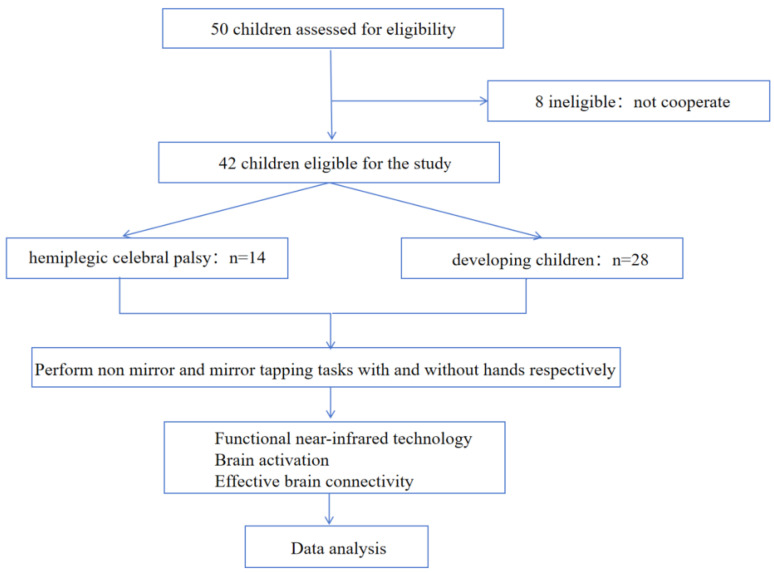 Figure 1
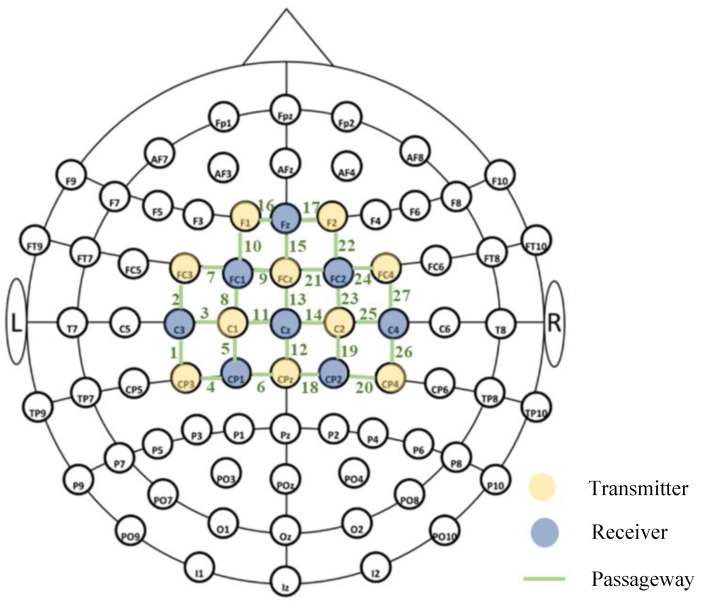 Figure 2
 Figure 3
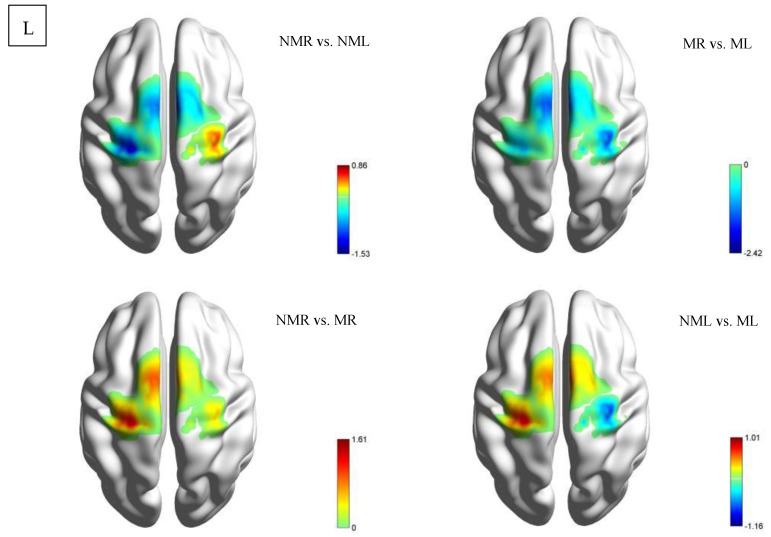 Figure 4
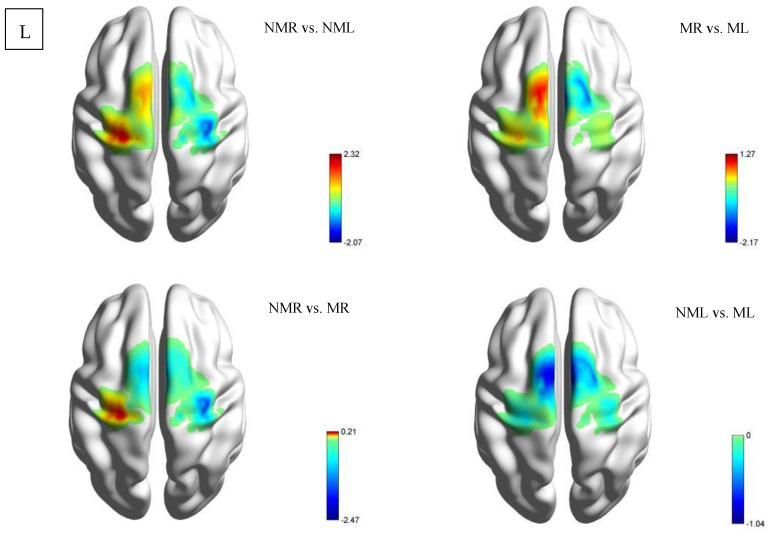 Figure 5
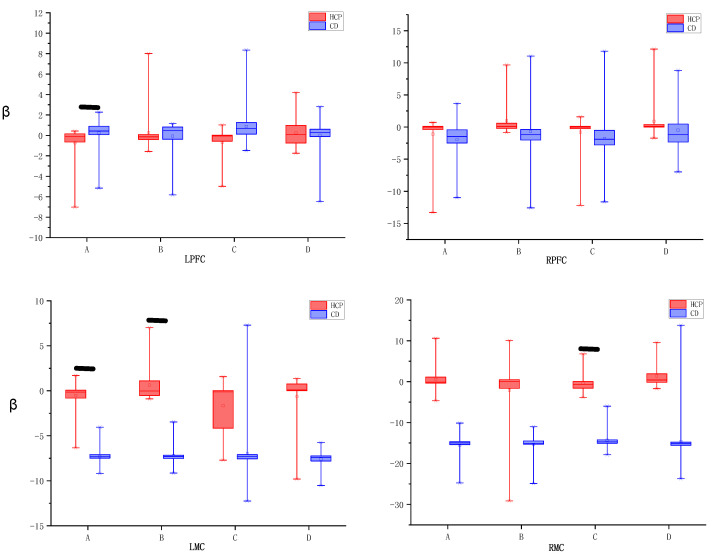 Figure 6
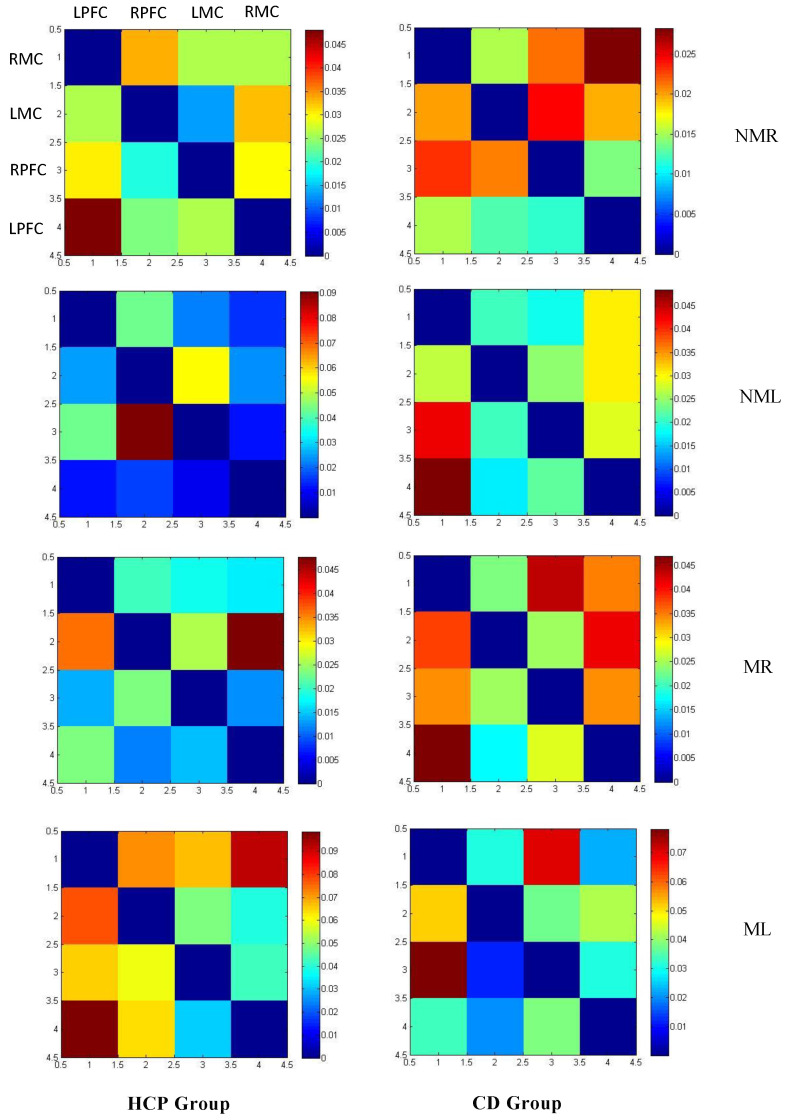 Figure 7
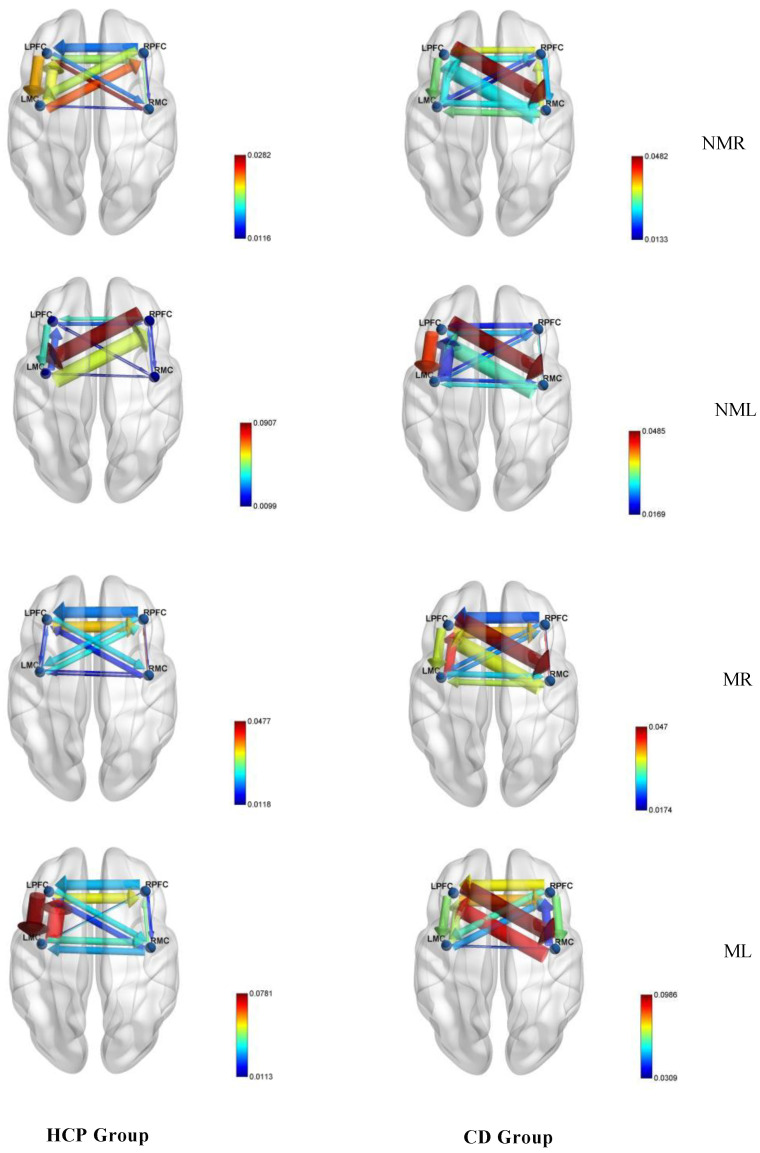 Figure 8
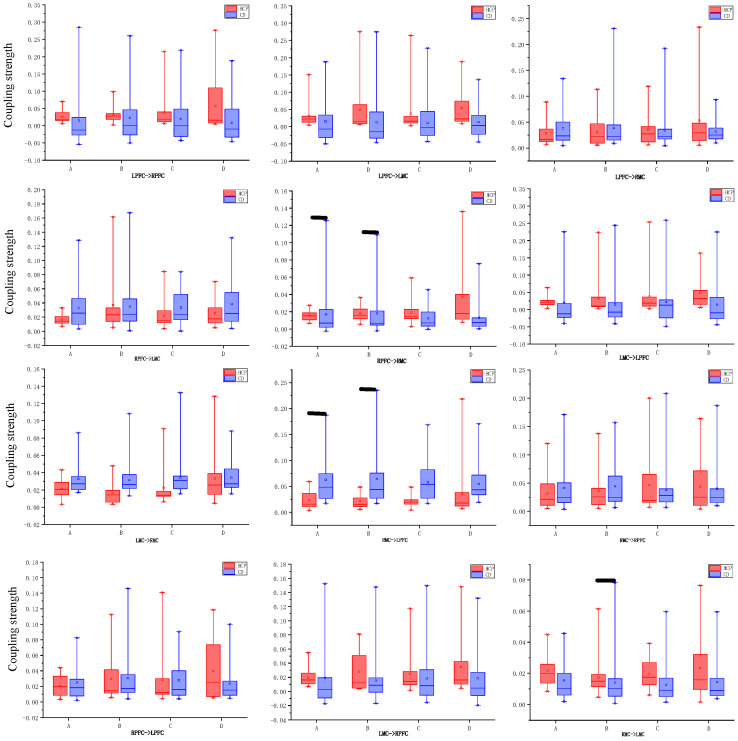 Figure 9
Peer Reviews
No public reviews on file for this paper yet. If you reviewed it on a platform where reviews are public (OpenReview, ICLR, NeurIPS, ICML), you can paste yours below so the community can read it here.
Videos
No videos yet. Explain this paper in a talk, walkthrough, or lecture? Add one.
Taxonomy
TopicsOptical Imaging and Spectroscopy Techniques · Stroke Rehabilitation and Recovery · Neonatal and fetal brain pathology