Noninvasive Cell Population Profiling of Normal and Dysplastic Cervical Biofluids by Multicolor Flow Cytometry as a Promising Tool for Companion Diagnostics
Christoph Berger, Wolf Dietrich, Manuela Richter, Florian Kellner, Christian Kühne, Katharina Strasser

TL;DR
This study shows that multicolor flow cytometry can analyze cervical biofluids to detect changes in cell populations across different stages of cervical cancer, offering a potential new diagnostic tool.
Contribution
The study introduces a noninvasive method using multicolor flow cytometry for profiling cervical cell populations in biofluids as a companion diagnostic tool.
Findings
Cervical biofluids can be subdivided into epithelial and immune cell populations using biomarkers like EpCAM, cytokeratin 8, and CD45.
Cellular composition changes with disease stage, with treated cancers showing reduced squamous epithelial cells and increased immune cells.
The method shows potential for monitoring tumor development, progression, and treatment outcomes.
Abstract
Cervical biofluids collected during routine Pap smears contain a mixture of epithelial and immune cells that reflect cervical health and disease. This study demonstrates proof-of-concept that multicolor flow cytometry can be applied to these samples to identify and characterize cell populations in normal cervical samples as well as in different stages of cervical cancer. Our analysis identified major cell populations, including different types of epithelial cells and immune cells, and revealed that their composition within the samples changes with disease stage. We observed variability in both cellular composition and marker expression, highlighting the need for additional markers and larger patient cohorts. Nonetheless, this minimally invasive approach could potentially be used to monitor tumor cells, immune responses, and therapeutic outcomes over time. Background/Objectives:…
Genes, proteins, chemicals, diseases, species, mutations and cell lines named across the full text — each resolved to its canonical identifier and authoritative record.
Click any figure to enlarge with its caption.
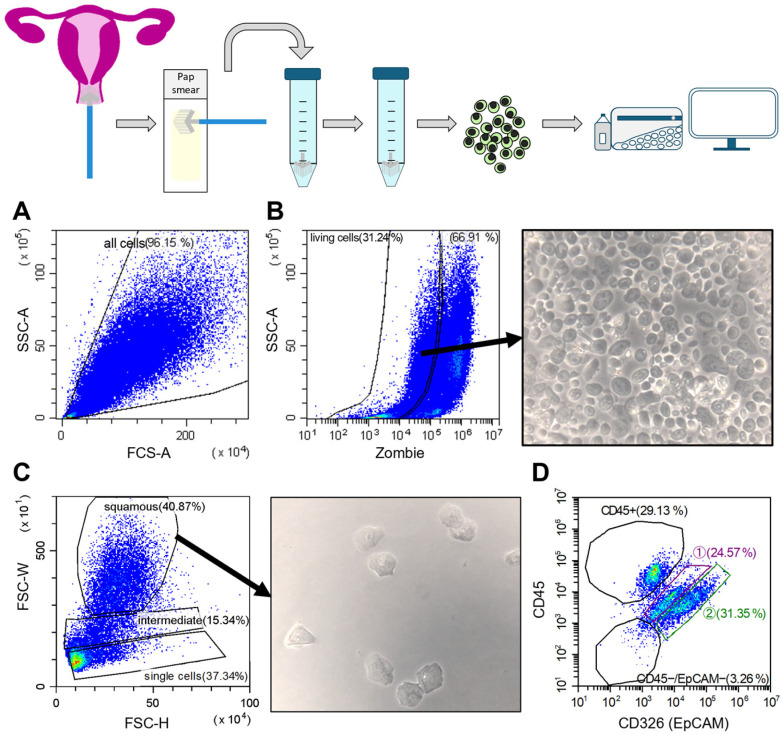 Figure 1
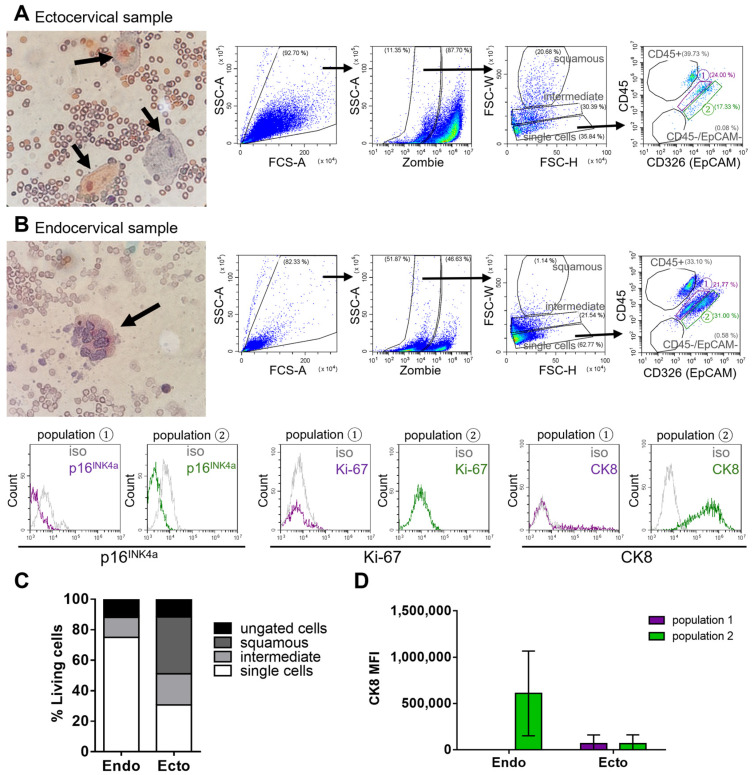 Figure 2
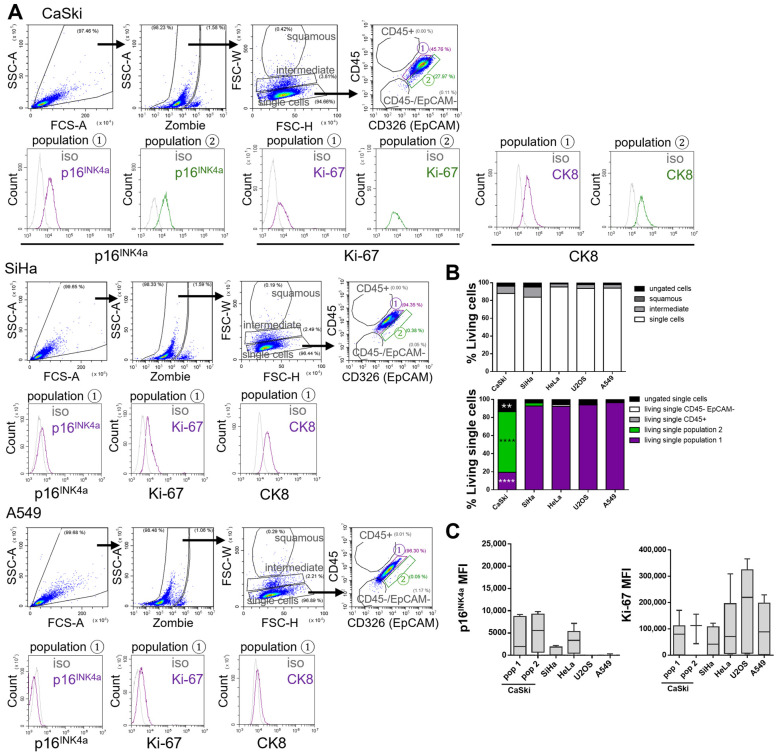 Figure 3
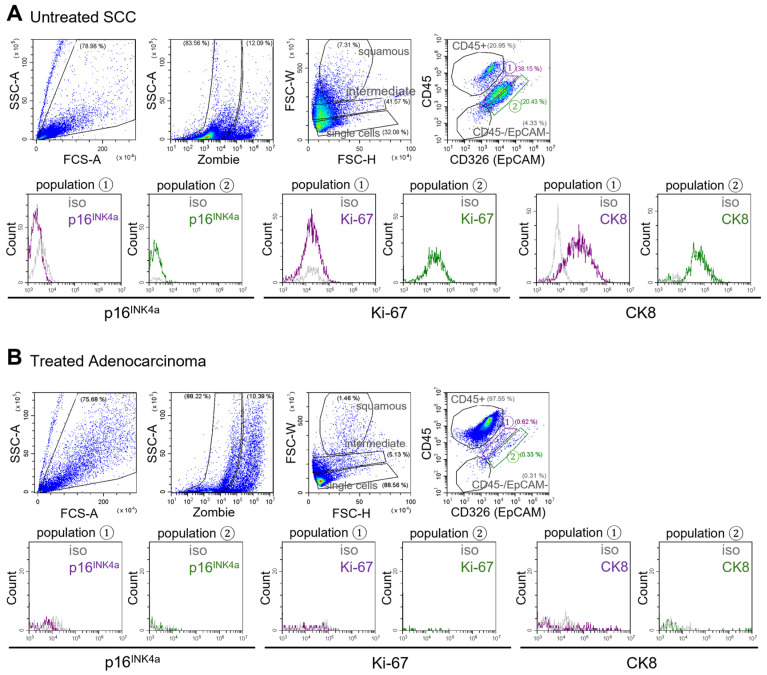 Figure 4
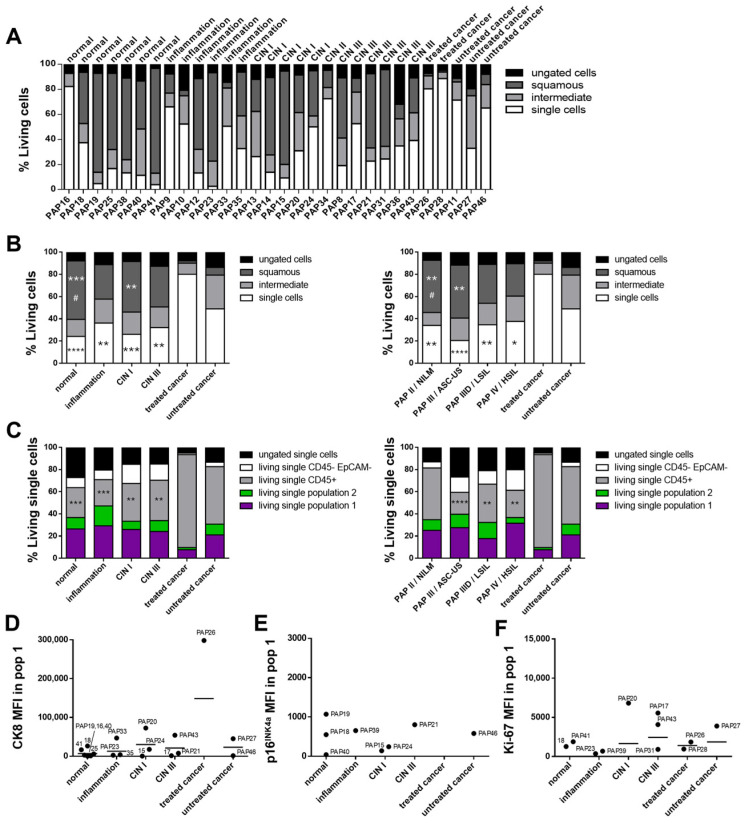 Figure 5
Peer Reviews
No public reviews on file for this paper yet. If you reviewed it on a platform where reviews are public (OpenReview, ICLR, NeurIPS, ICML), you can paste yours below so the community can read it here.
Videos
No videos yet. Explain this paper in a talk, walkthrough, or lecture? Add one.
Taxonomy
TopicsCervical Cancer and HPV Research