Survival Outcomes and Prognostic Factors in Metastatic Unresectable Appendiceal Adenocarcinoma Treated with Palliative Systemic Chemotherapy: A 10-Year Retrospective Analysis from Australia
Jirapat Wonglhow, Hui-Li Wong, Michael Michael, Alexander Heriot, Glen Guerra, Catherine Mitchell, Jeanne Tie

TL;DR
This study analyzed chemotherapy outcomes for advanced appendiceal cancer, finding fluoropyrimidine-based regimens effective and highlighting the role of molecular testing.
Contribution
The study provides real-world evidence on chemotherapy efficacy and identifies KRAS mutations as relevant for targeted therapy in appendiceal adenocarcinoma.
Findings
Fluoropyrimidine-based doublet chemotherapy achieved a 39.4% response rate in advanced appendiceal cancer.
KRAS mutations were found in 68.6% of tested patients, suggesting implications for targeted treatment strategies.
Irinotecan-based regimens showed numerically longer survival compared to oxaliplatin-based ones, though not statistically significant.
Abstract
Appendiceal adenocarcinoma is a rare cancer, and there is limited evidence to guide systemic treatment for metastatic or unresectable cases. This study evaluated real-world outcomes in patients with advanced appendiceal adenocarcinoma who received palliative chemotherapy. The results support fluoropyrimidine-based doublet chemotherapy as an appropriate and preferred option for patients with high disease burden and aggressive tumor features. Single-agent fluoropyrimidine therapy may be a reasonable alternative for frail patients with less aggressive disease. A high incidence of KRAS mutations was observed, which may affect the use of targeted therapies. These findings highlight the need for treatment strategies tailored specifically to appendiceal cancer and suggest that molecular testing may help guide future therapy. This study offers valuable insights to improve care for patients with…
Genes, proteins, chemicals, diseases, species, mutations and cell lines named across the full text — each resolved to its canonical identifier and authoritative record.
Click any figure to enlarge with its caption.
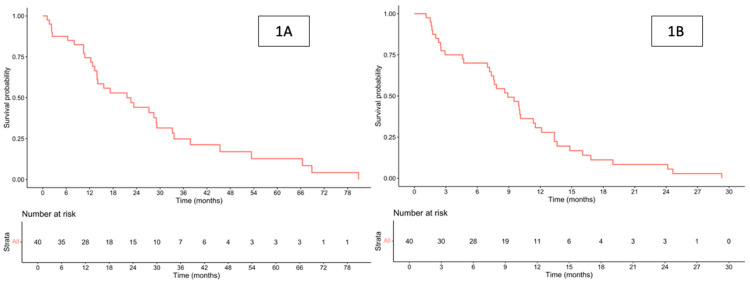 Figure 1
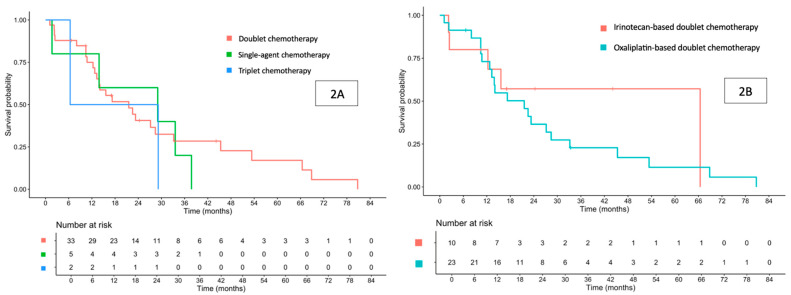 Figure 2
 Figure 3
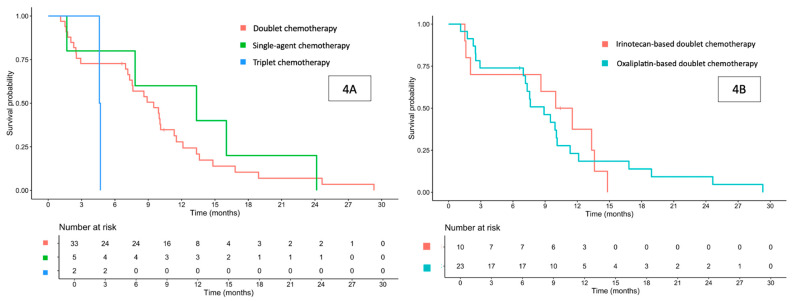 Figure 4
Peer Reviews
No public reviews on file for this paper yet. If you reviewed it on a platform where reviews are public (OpenReview, ICLR, NeurIPS, ICML), you can paste yours below so the community can read it here.
Videos
No videos yet. Explain this paper in a talk, walkthrough, or lecture? Add one.
Taxonomy
TopicsIntraperitoneal and Appendiceal Malignancies · Ovarian cancer diagnosis and treatment · Appendicitis Diagnosis and Management