Kinome-Wide Screening Identifies FAK as a Novel Post-Translational Regulator of PD-L1 Stability and Immune Evasion in Triple-Negative Breast Cancer
Asia-Lily Boyd, Prem Khanal, Tynan Kelly, Anni Ge, Yawei Hao, Xiaolong Yang

TL;DR
This study finds that FAK, a protein involved in cell adhesion, unexpectedly increases PD-L1 levels in aggressive breast cancer cells, potentially helping cancer evade the immune system.
Contribution
FAK is identified as a novel post-translational regulator of PD-L1 stability in triple-negative breast cancer.
Findings
FAK inhibition paradoxically increases PD-L1 expression in TNBC cell lines.
FAK directly interacts with PD-L1 to modulate its stability independently of kinase activity.
FAK inhibition enhances PD-L1 on cell membranes and reduces T-cell-mediated cancer cell killing.
Abstract
Triple-negative breast cancer (TNBC) is an aggressive subtype characterized by limited treatment options and poor prognosis. Although immune checkpoint inhibitors targeting the PD-1/PD-L1 axis have shown clinical promise, many TNBC patients exhibit resistance or limited response, underscoring the need to understand regulatory mechanisms of PD-L1 expression. Here, we performed a kinome-wide inhibitor screen using a HEK293A cell line stably expressing a NanoLuc-tagged PD-L1 construct lacking its endogenous promoter, to identify post-translational regulators of PD-L1 stability. We identified focal adhesion kinase (FAK) as a novel modulator of PD-L1. FAK inhibition significantly decreased PD-L1 levels in HEK293A cells but paradoxically increased PD-L1 expression in TNBC cell lines. Mechanistically, FAK directly interacts with PD-L1 to modulate its stability independently of its kinase…
Genes, proteins, chemicals, diseases, species, mutations and cell lines named across the full text — each resolved to its canonical identifier and authoritative record.
Click any figure to enlarge with its caption.
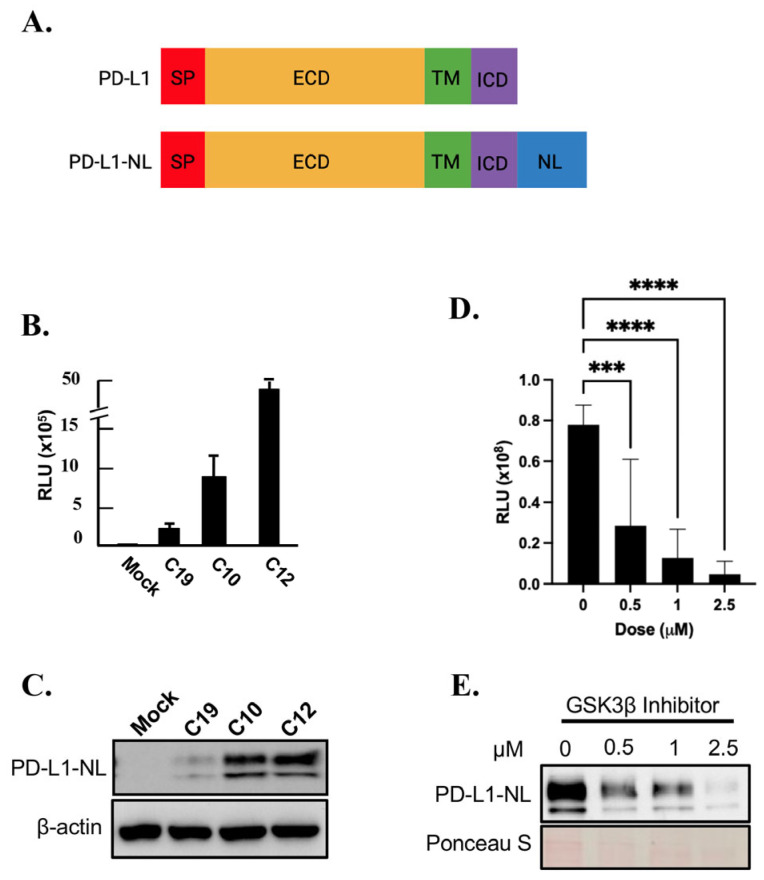 Figure 1
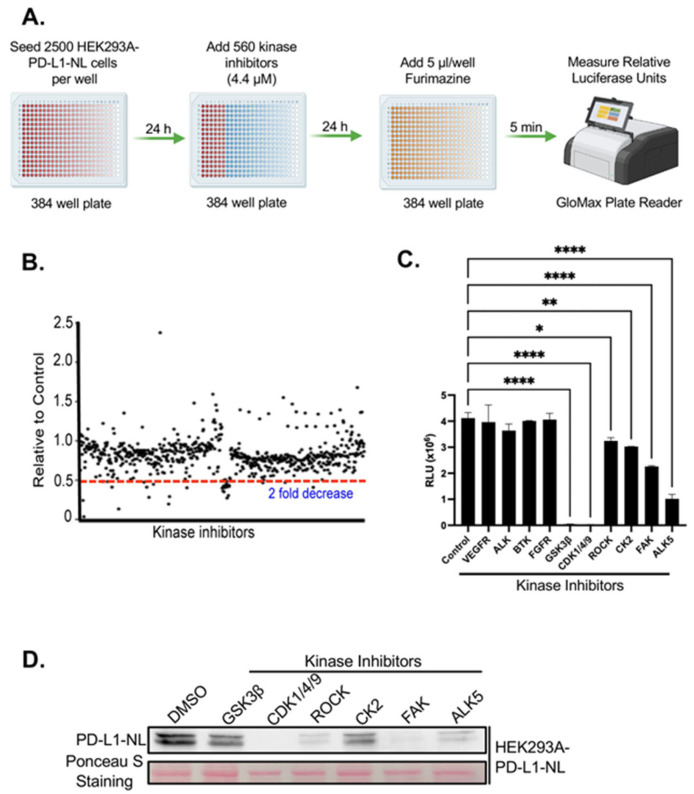 Figure 2
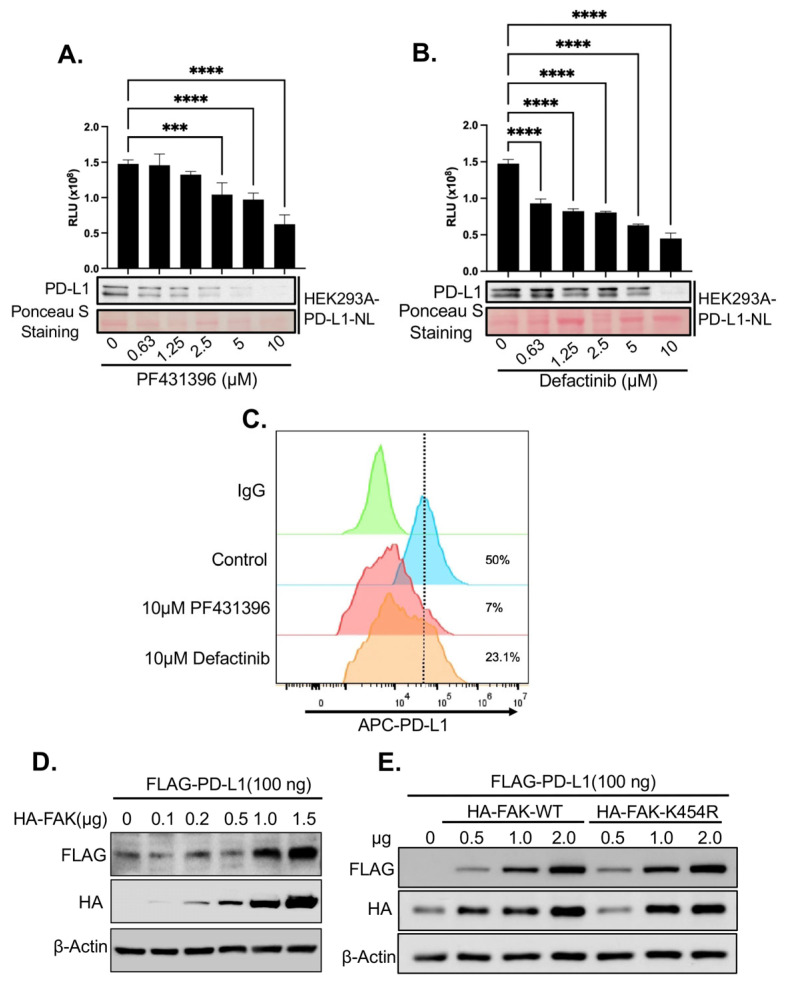 Figure 3
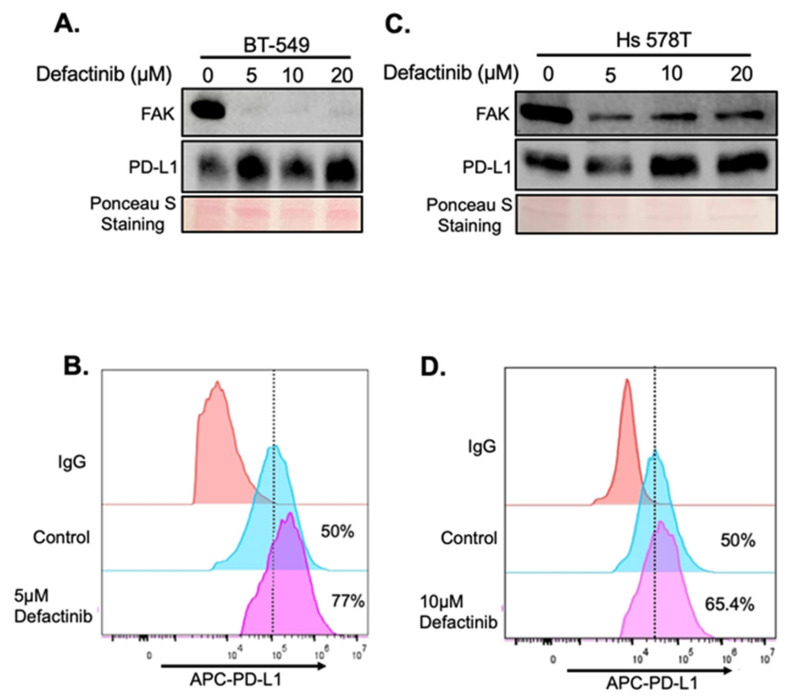 Figure 4
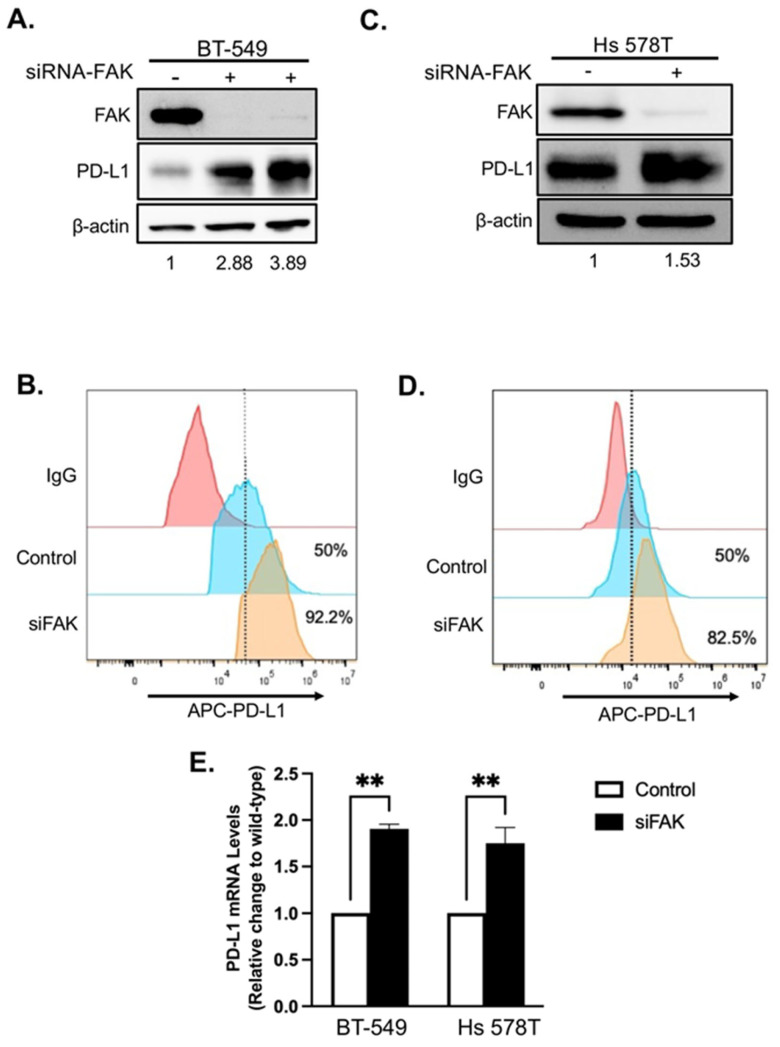 Figure 5
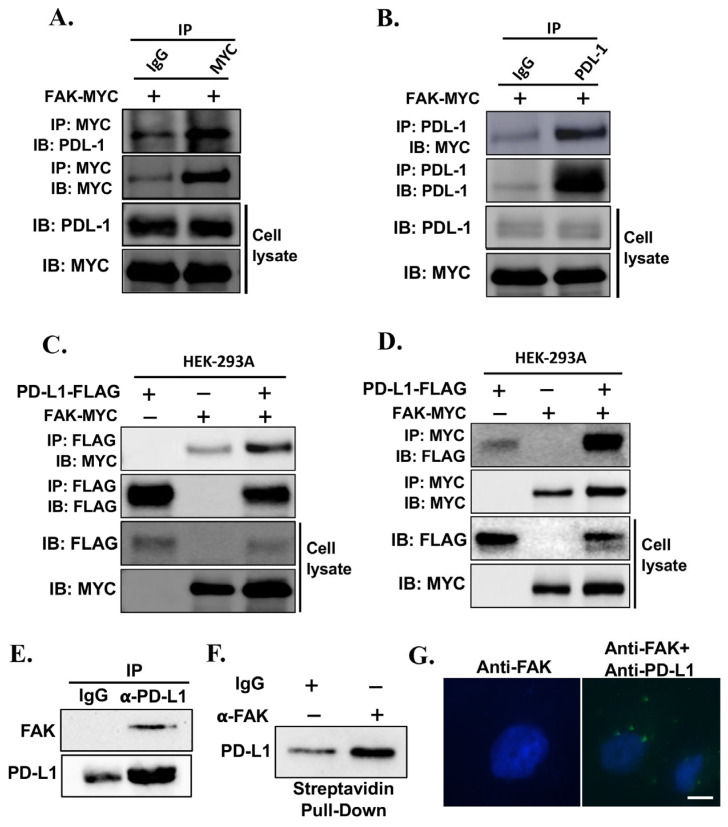 Figure 6
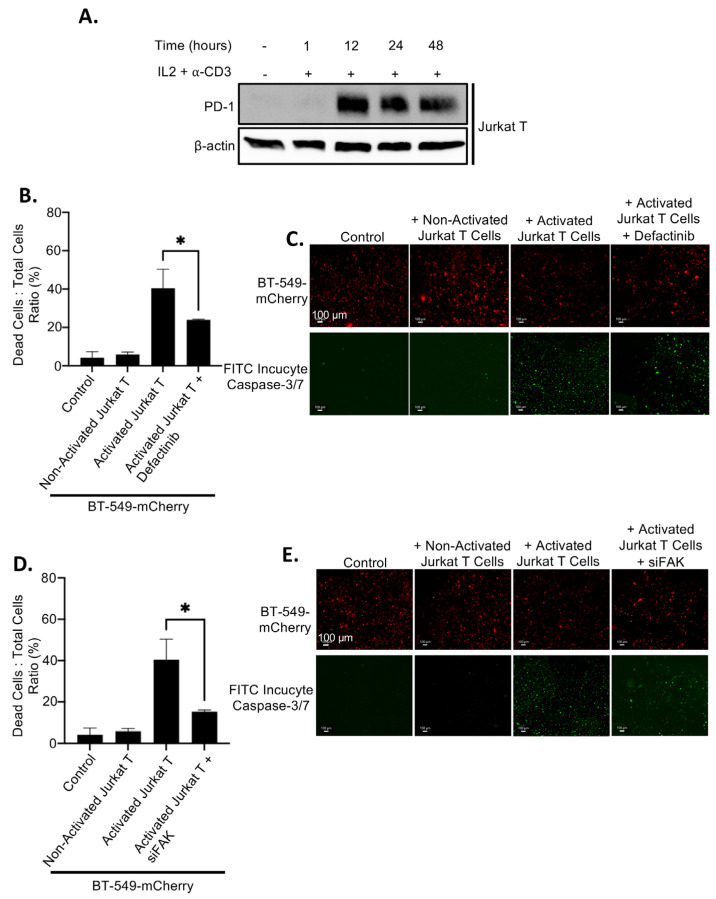 Figure 7
Peer Reviews
No public reviews on file for this paper yet. If you reviewed it on a platform where reviews are public (OpenReview, ICLR, NeurIPS, ICML), you can paste yours below so the community can read it here.
Videos
No videos yet. Explain this paper in a talk, walkthrough, or lecture? Add one.
Taxonomy
TopicsCancer Immunotherapy and Biomarkers · Immunotherapy and Immune Responses · Cell Adhesion Molecules Research