Serum miR-34a as Indicator of Impaired Fibrinolytic Capacity in Pediatric Thrombosis Through Inadequate Regulation of the ACE/PAI-1 Axis
Iphigenia Gintoni, Kleoniki Baldouni, Athina Dettoraki, Aikaterini Michalopoulou, Ioanna Papathanasiou, Aspasia Tsezou, Dimitrios Vlachakis, Helen Pergantou, George P. Chrousos, Christos Yapijakis

TL;DR
The study finds that low levels of miR-34a in children with blood clots may indicate problems with breaking down blood clots, linked to the ACE/PAI-1 system.
Contribution
This is the first study to show miR-34a's role in pediatric thrombosis and its regulation of the ACE/PAI-1 axis.
Findings
miR-34a levels were significantly lower in pediatric thrombosis patients compared to healthy controls.
miR-34a expression peaked shortly after thrombosis and decreased after treatment completion.
Genetic factors like SERPINE1-4G/5G and ACE-I/D polymorphisms interact with miR-34a levels in cerebral thrombosis cases.
Abstract
Pediatric thrombosis (PT) represents a rare condition that can manifest from neonatal life to adolescence, encompassing life-threatening complications. Its pathogenesis is attributed to immature hemostasis in conjunction with environmental and genetic factors, predominantly including those resulting in increased levels of plasminogen activator inhibitor 1 (PAI-1), the principal inhibitor of fibrinolysis, which is subject to upstream regulation by angiotensin-converting enzyme (ACE). Although the implication of microRNAs (miRNAs), epigenetic modulators of gene expression, has been demonstrated in adult thrombosis, evidence is lacking in the pediatric setting. Here, we investigated the involvement of two miRNA regulators of PAI-1 (SERPINE1 gene) in PT, in relation to clinical and genetic parameters that induce PAI-1 fluctuations. Following bioinformatic target-prediction, miRNA expression…
Genes, proteins, chemicals, diseases, species, mutations and cell lines named across the full text — each resolved to its canonical identifier and authoritative record.
Click any figure to enlarge with its caption.
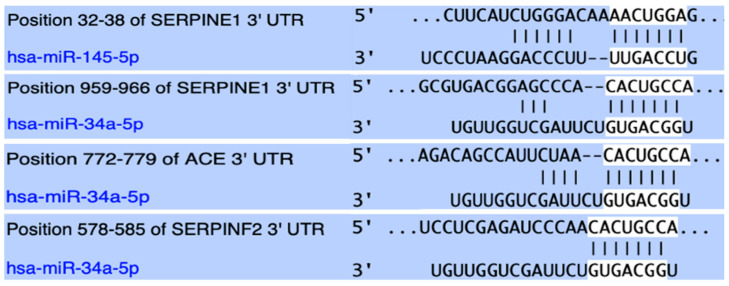 Figure 1
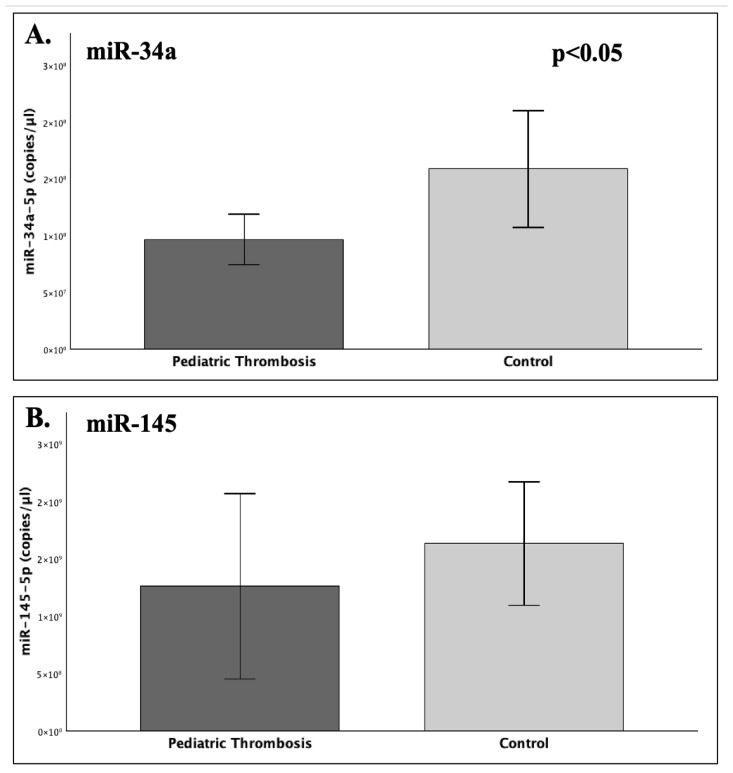 Figure 2
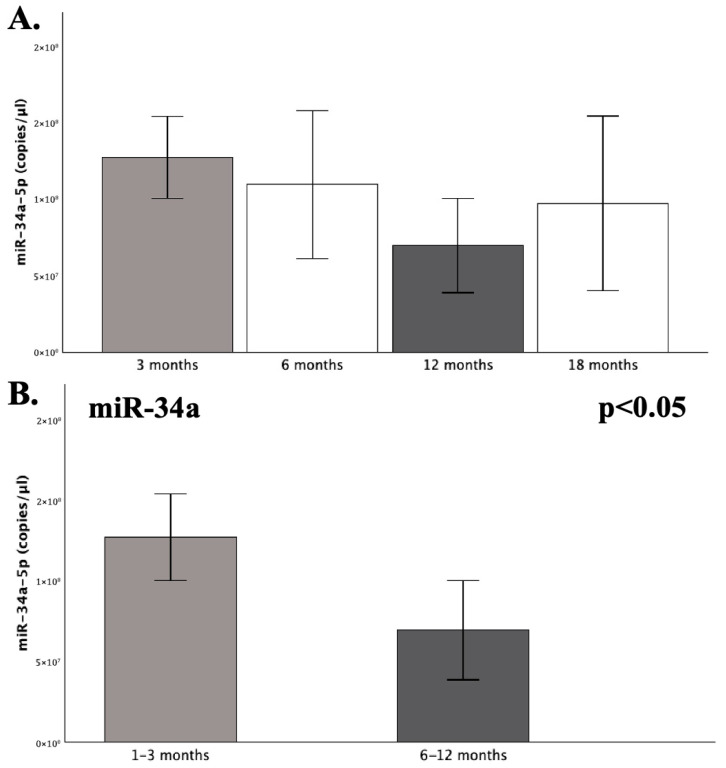 Figure 3
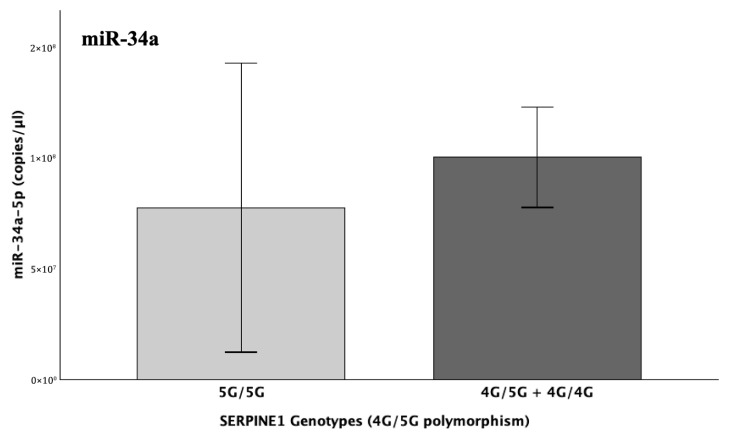 Figure 4
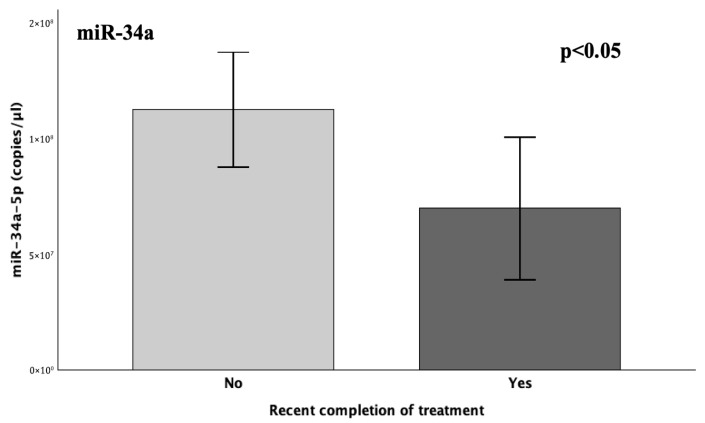 Figure 5
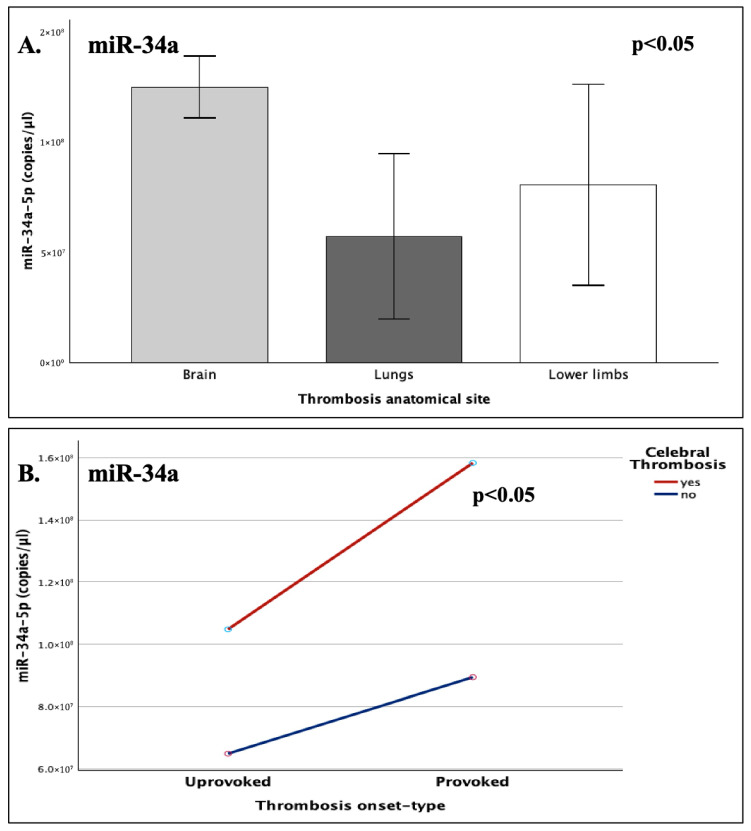 Figure 6
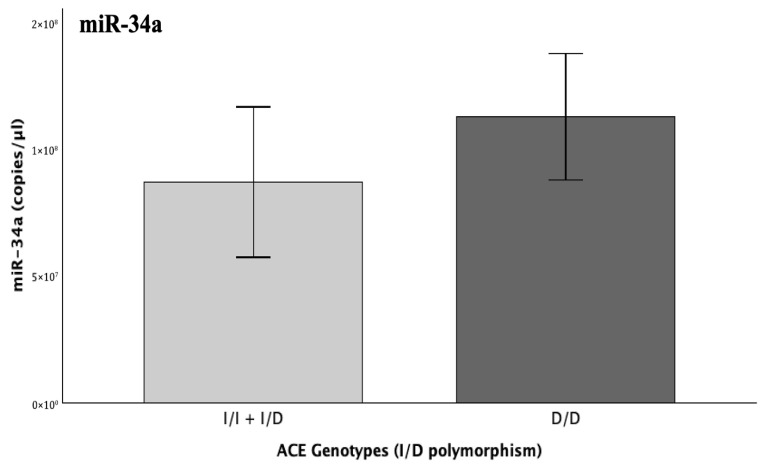 Figure 7
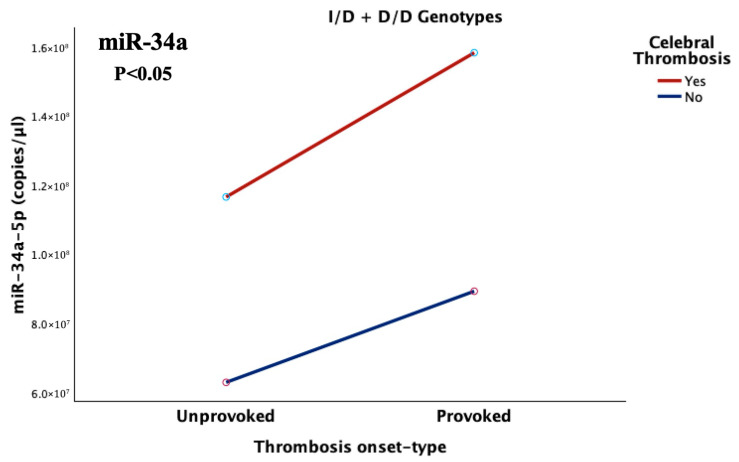 Figure 8
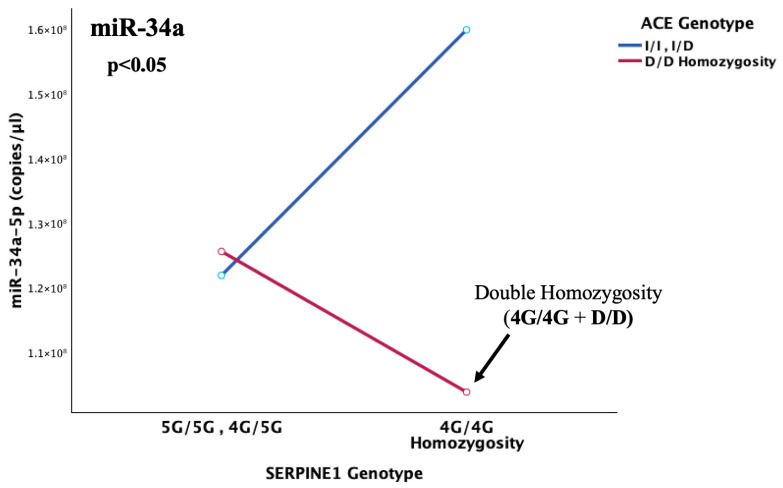 Figure 9
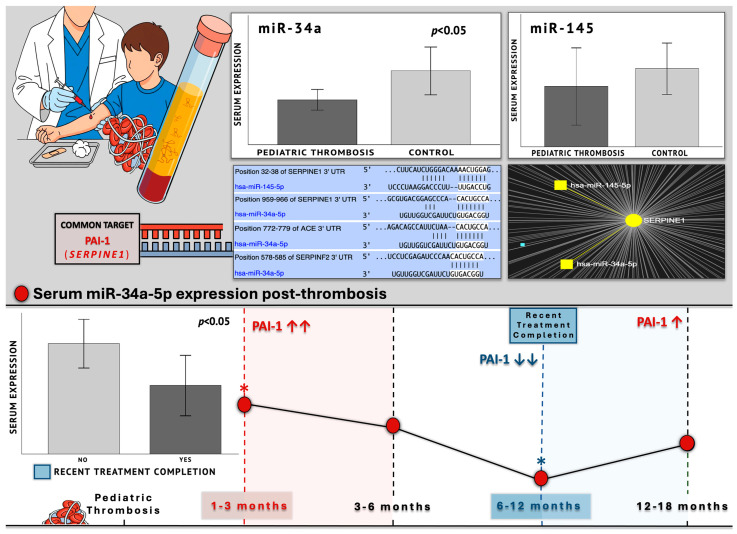 Figure 10
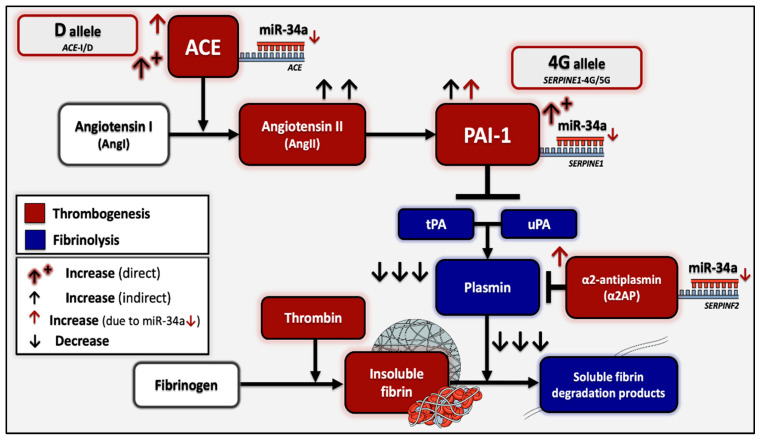 Figure 11
Peer Reviews
No public reviews on file for this paper yet. If you reviewed it on a platform where reviews are public (OpenReview, ICLR, NeurIPS, ICML), you can paste yours below so the community can read it here.
Videos
No videos yet. Explain this paper in a talk, walkthrough, or lecture? Add one.
Taxonomy
TopicsBlood Coagulation and Thrombosis Mechanisms · Blood properties and coagulation · Venous Thromboembolism Diagnosis and Management