Impact of Hemp Flour on the Nutritional, Sensory and Functional Characteristics of Wheat and Whole Wheat Muffins
Andreea-Lavinia Mocanu, Alina Alexandra Dobre, Corina-Alexandra Stroe, Cătălina-Beatrice Poteraș, Elena-Loredana Ungureanu, Gabriel Mustatea, Gabriela Daniela Criveanu-Stamatie, Șerban Eugen Cucu, Sabina Andreea Bobea, Cristian Florea, Mihai-Bogdan Nicolcioiu, Raluca Stan

TL;DR
This study explores how adding hemp flour to wheat and whole wheat muffins affects their nutrition, texture, and taste, finding that it can enhance nutritional value without compromising quality.
Contribution
The study introduces optimal substitution levels of hemp flour in wheat and whole wheat muffins to improve nutritional content while maintaining sensory and functional properties.
Findings
Hemp flour increased protein, fiber, and ash content in muffins while reducing moisture.
Whole wheat muffins showed better sensory acceptance with higher hemp flour substitution compared to wheat muffins.
Optimal hemp flour substitution levels were 10–15% for wheat and 20% for whole wheat muffins.
Abstract
The growing consumer demand for plant-based, protein- and fiber-enriched foods has encouraged the incorporation of novel functional ingredients into bakery products. Hemp flour (HF), obtained from cold-pressed hemp seeds, represents a sustainable ingredient rich in proteins, dietary fibers, lipids, and bioactive compounds, making it suitable for nutritional fortification. This study investigated the impact of HF addition (5–40%) on the quality of muffins prepared with wheat flour (WF) and whole wheat flour (WWF). An initial hedonic sensory evaluation identified 5–20% HF as the most acceptable substitution range, which was then subjected to detailed physicochemical, sensory, textural, colorimetric, and microbiological analyses. Incorporation of HF significantly increased protein (up to +44%), fiber (up to +172%), and ash (up to +76%) contents, while decreasing moisture (−39%). Both WF…
Genes, proteins, chemicals, diseases, species, mutations and cell lines named across the full text — each resolved to its canonical identifier and authoritative record.
Click any figure to enlarge with its caption.
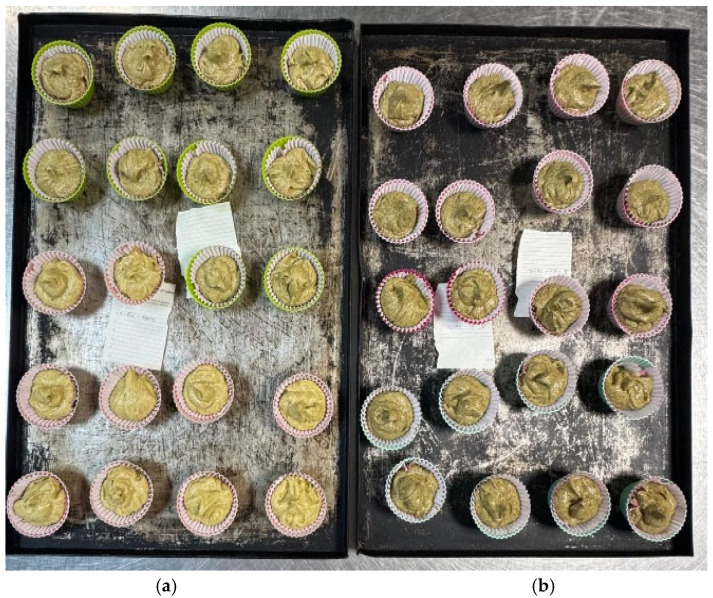 Figure 1
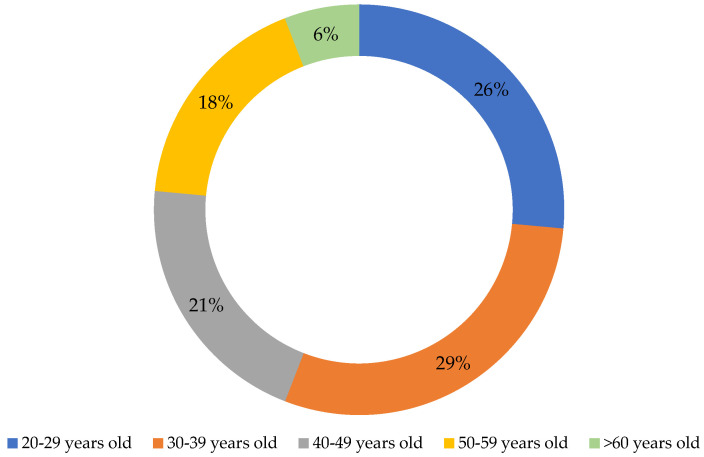 Figure 2
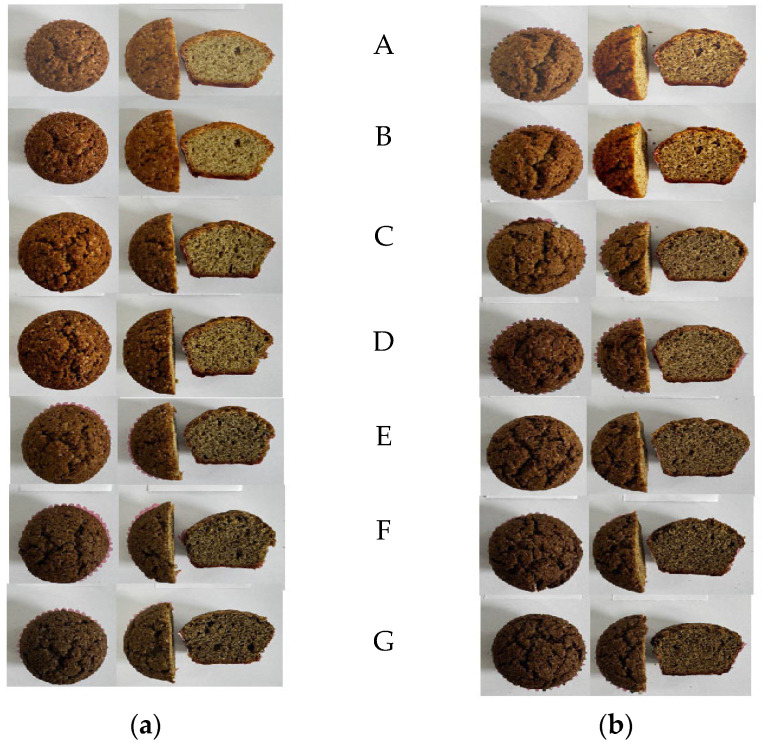 Figure 3
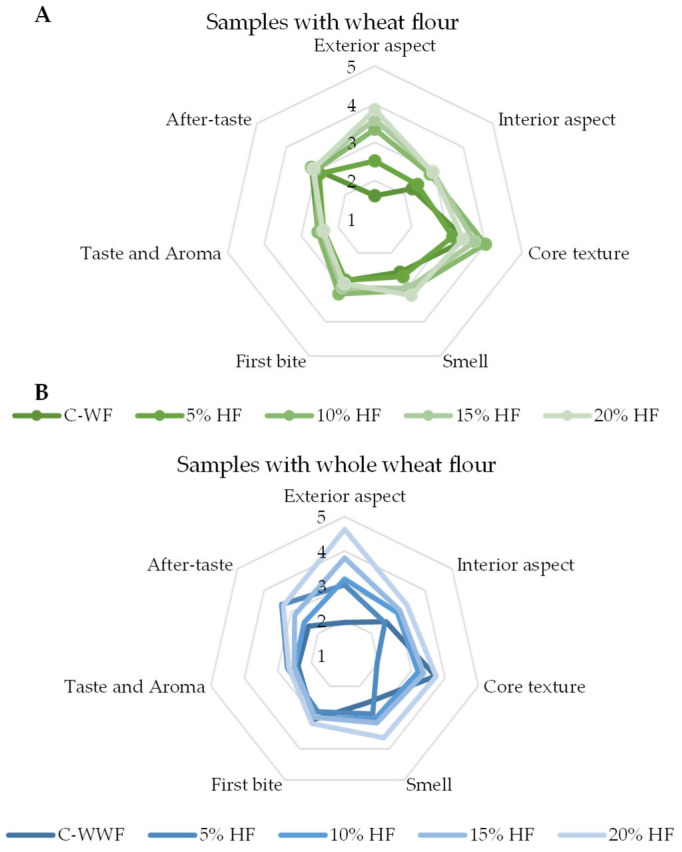 Figure 4
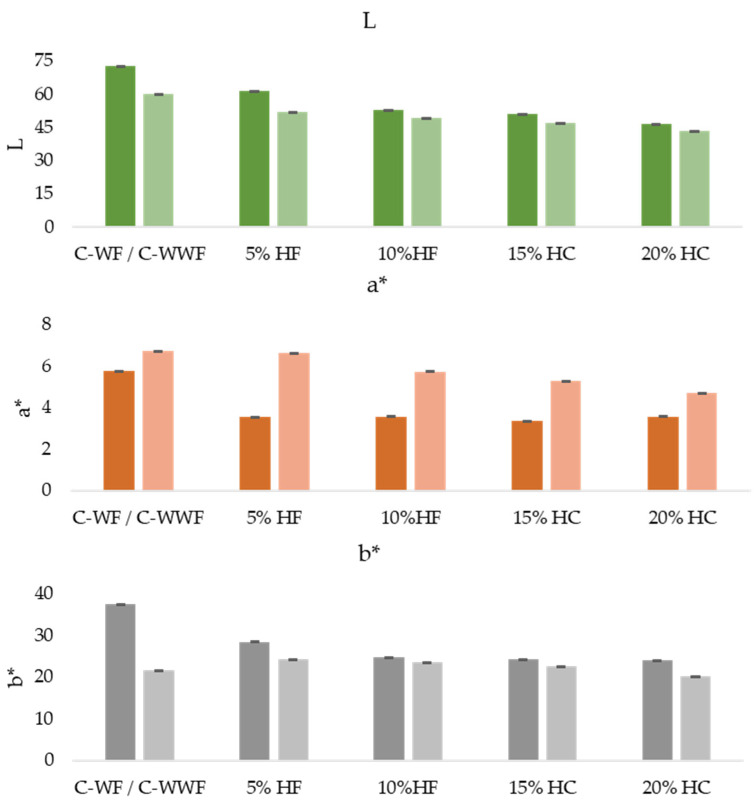 Figure 5
Peer Reviews
No public reviews on file for this paper yet. If you reviewed it on a platform where reviews are public (OpenReview, ICLR, NeurIPS, ICML), you can paste yours below so the community can read it here.
Videos
No videos yet. Explain this paper in a talk, walkthrough, or lecture? Add one.
Taxonomy
TopicsFood composition and properties · Microencapsulation and Drying Processes · Phytochemicals and Antioxidant Activities