Genome-Wide Identification of the CRY Gene Family in Solanum tuberosum and Response to Abiotic Stresses
Yan Gao, Xueying Yang, Xin Lv, Yuxuan Li, Kuihua Li, Yuliang Gao

TL;DR
This study identifies and characterizes the CRY gene family in potatoes and explores their roles in responding to environmental stresses like cold, drought, and salt.
Contribution
The study provides the first genome-wide analysis of the CRY gene family in potato and their differential expression under abiotic stresses.
Findings
Seven StCRY genes were identified and classified into three subgroups with conserved structures and cis-acting elements.
StCRY genes show differential expression under cold, drought, and salt stresses, with specific genes responding to each condition.
Phylogenetic analysis shows closer evolutionary relationships between potato and tomato CRY genes compared to rice.
Abstract
Background: Cryptochromes (CRYs) are not only blue-light receptors in plants but also participate in abiotic stress responses, making them essential for plant growth and development. Methods: In this study, the CRY gene family in potato (StCRY) was identified and analyzed using bioinformatics approaches, and the expression patterns of StCRY genes under different abiotic stresses were validated through transcriptome datasets and RT-qPCR analysis. Results: A total of 7 StCRY genes were identified, unevenly distributed across 4 chromosomes. The StCRY genes exhibit conserved structures, with predicted subcellular localization primarily in the nucleus, cytoplasm, and plastids. Promoter region analysis revealed the significant presence of cis-acting elements related to light, plant growth and development, hormones, and stress responses. Phylogenetic analysis classified the CRY gene family…
Genes, proteins, chemicals, diseases, species, mutations and cell lines named across the full text — each resolved to its canonical identifier and authoritative record.
Click any figure to enlarge with its caption.
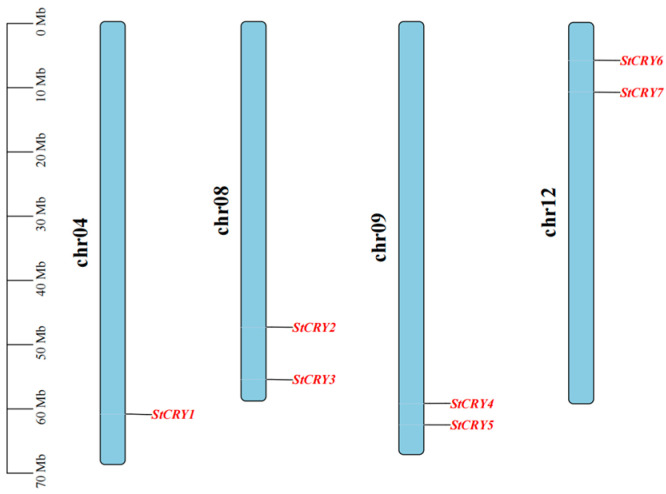 Figure 1
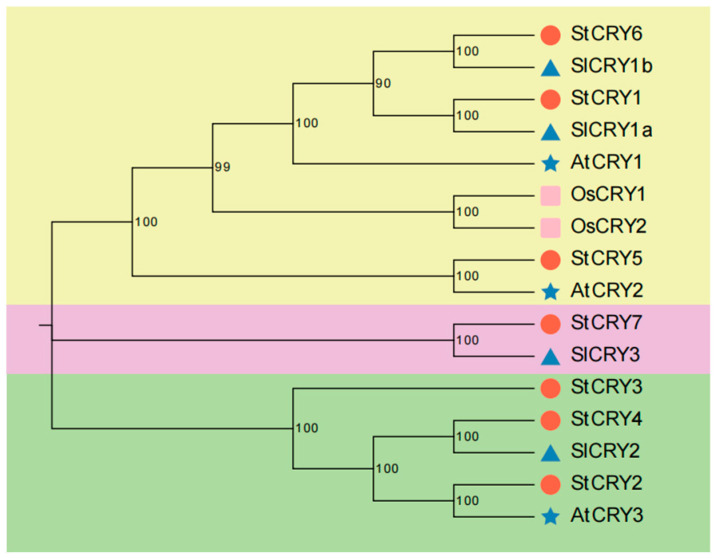 Figure 2
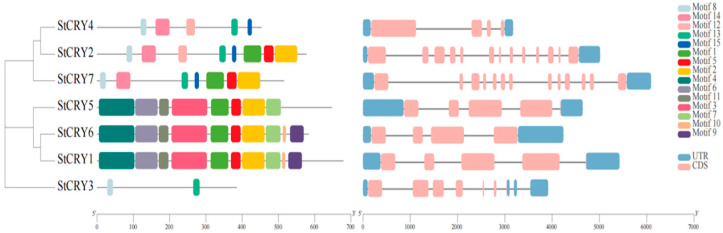 Figure 3
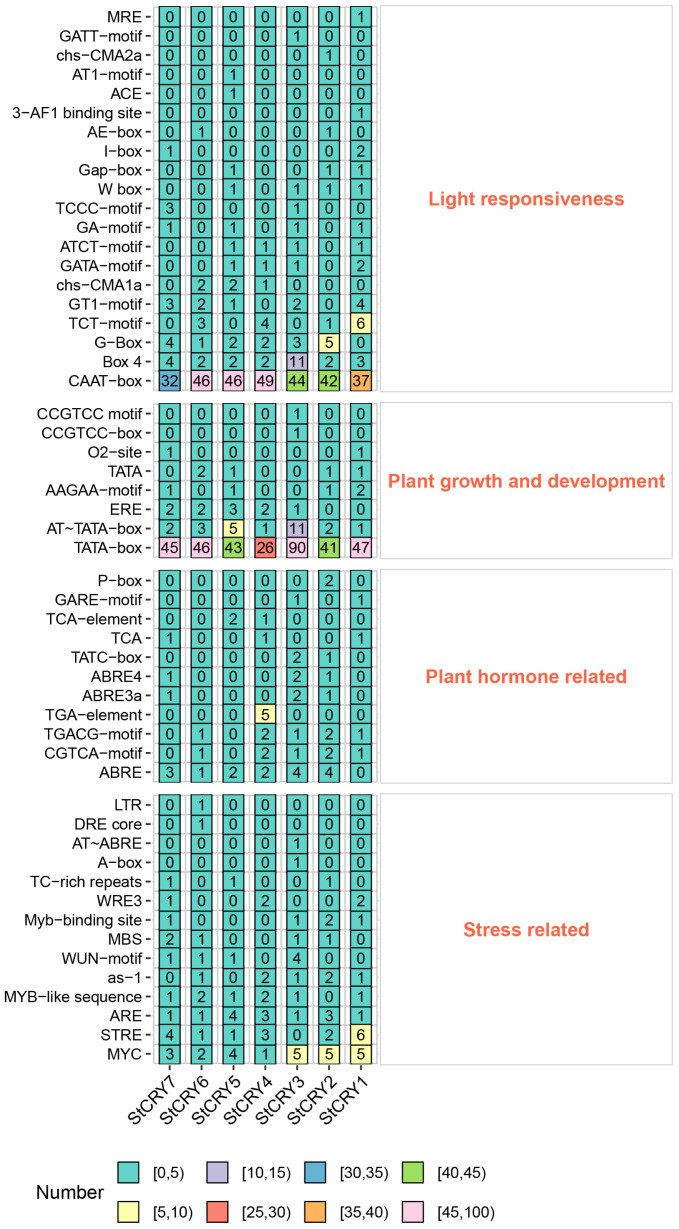 Figure 4
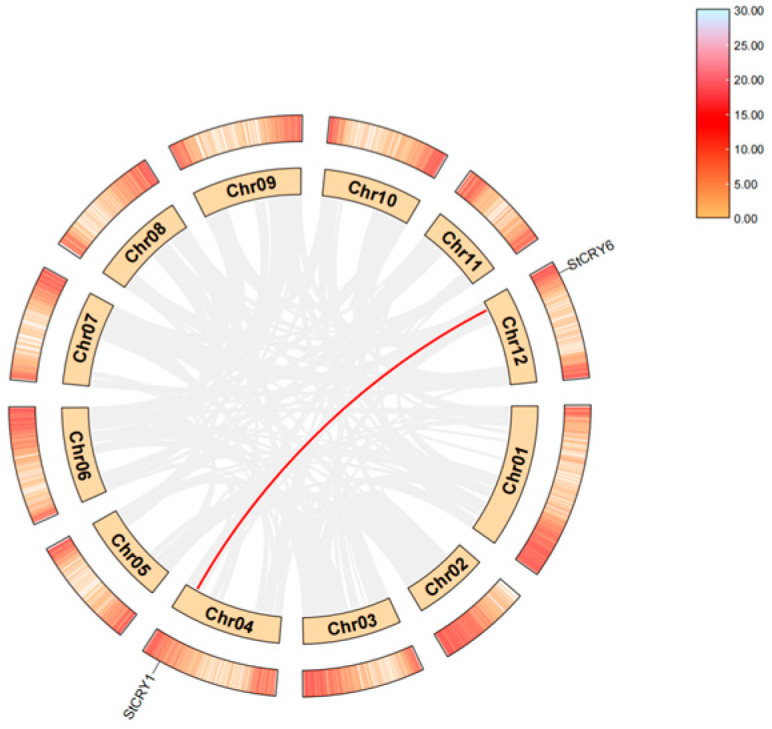 Figure 5
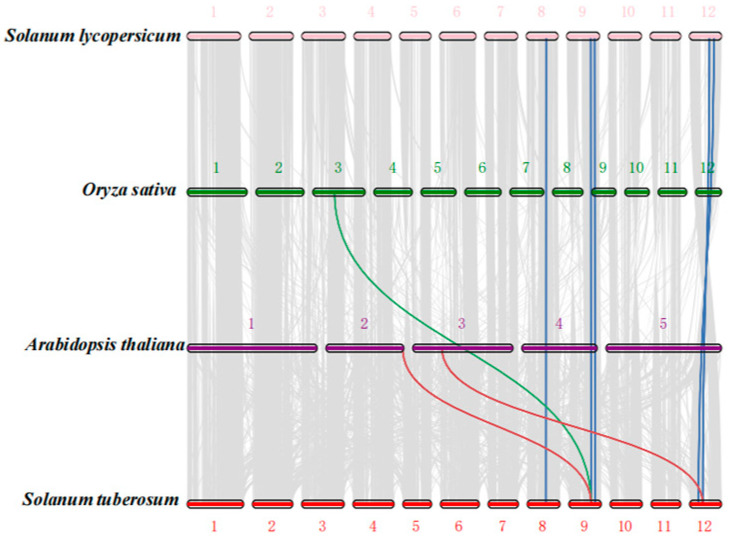 Figure 6
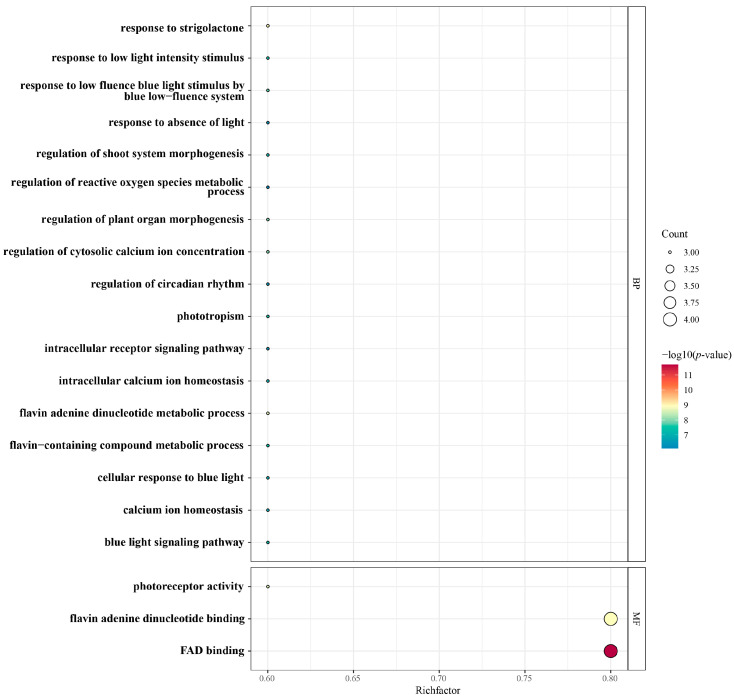 Figure 7
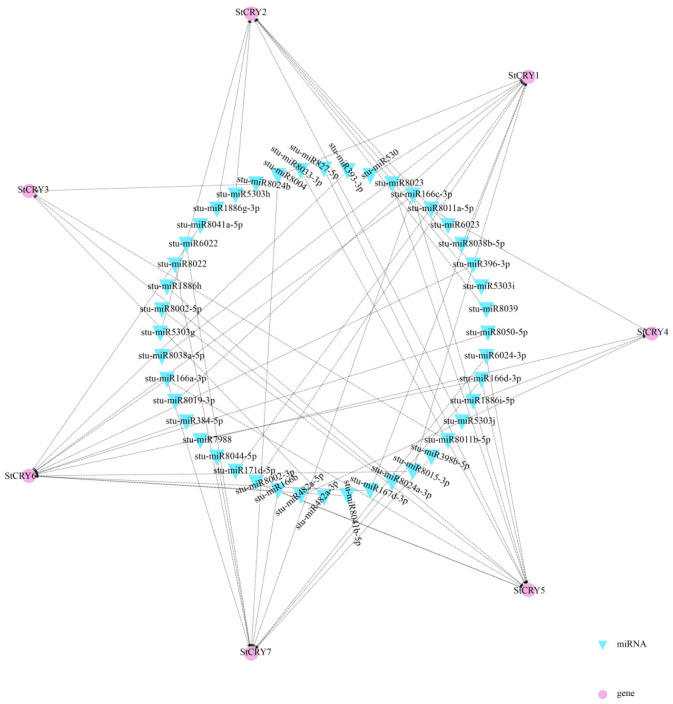 Figure 8
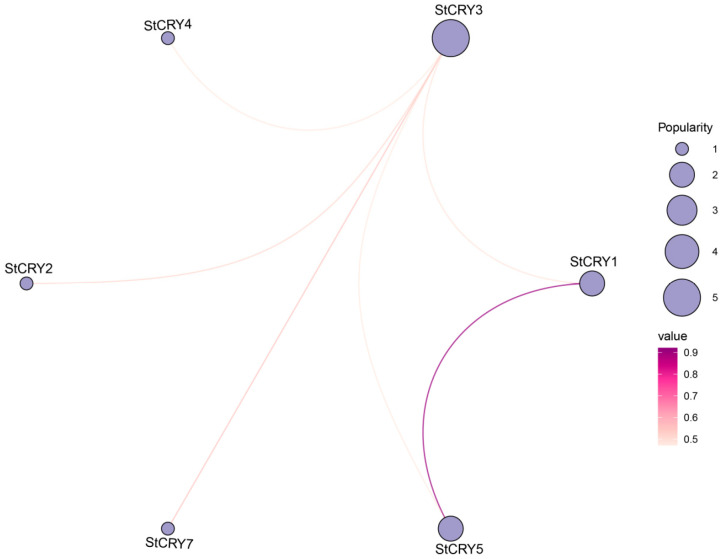 Figure 9
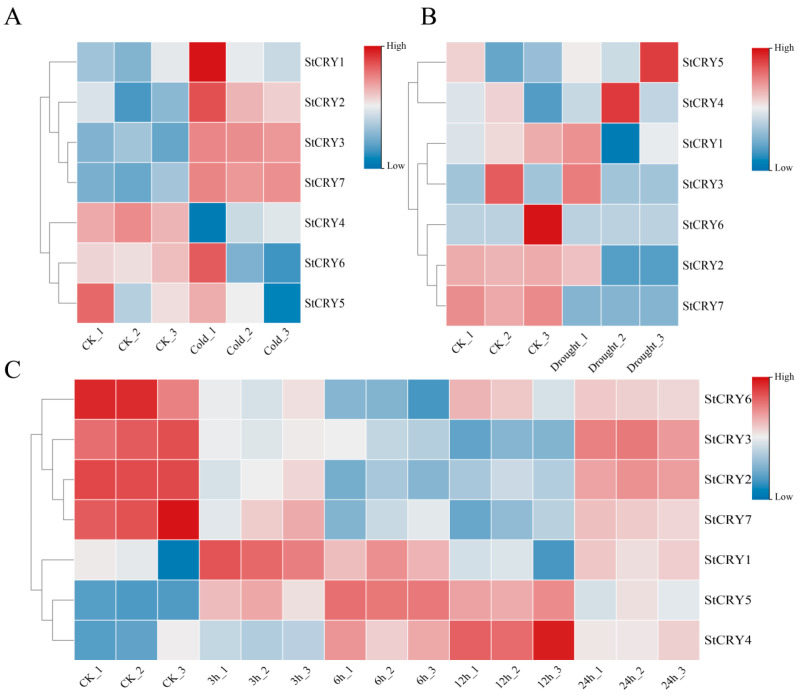 Figure 10
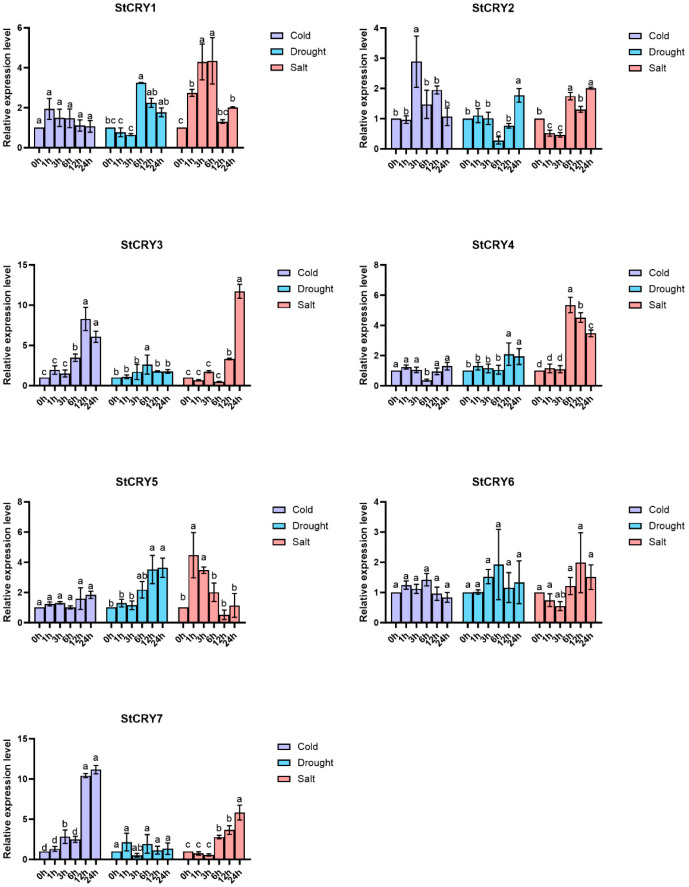 Figure 11
Peer Reviews
No public reviews on file for this paper yet. If you reviewed it on a platform where reviews are public (OpenReview, ICLR, NeurIPS, ICML), you can paste yours below so the community can read it here.
Videos
No videos yet. Explain this paper in a talk, walkthrough, or lecture? Add one.
Taxonomy
TopicsPlant Molecular Biology Research · Plant Reproductive Biology · Light effects on plants