Oncolytic Maraba Virus MG1 Mediates Direct and Natural Killer Cell-Dependent Lysis of Ewing Sarcoma
Tyler Barr, Victoria A. Jennings, Elizabeth A. Roundhill, Richard T. Baugh, Maisa Yamrali, Heather E. Owston, Dennis McGonagle, Peter V. Giannoudis, Natasha J. Caplen, Javed Khan, John C. Bell, Susan A. Burchill, Fiona Errington-Mais, Graham P. Cook

TL;DR
The Maraba virus MG1 can directly destroy Ewing sarcoma cells and boost immune cell activity, offering a new treatment option for this aggressive cancer.
Contribution
MG1's direct oncolytic effect and NK cell-dependent immune stimulation in Ewing sarcoma is newly demonstrated.
Findings
MG1 directly kills Ewing sarcoma cell lines, including doxorubicin-resistant and patient-derived cultures.
MG1 activates peripheral blood mononuclear cells and enhances natural killer cell-mediated destruction of Ewing sarcoma cells.
Primary mesenchymal stem cells are resistant to MG1, with IFN-I playing a key role in tumor cell selectivity.
Abstract
The five-year survival rates of Ewing sarcoma (EWS) patients, particularly those with metastatic and/or relapsed disease are poor and remain at less than 30%. This highlights a desperate need for new treatment approaches. The aim of this study was to investigate the efficacy of oncolytic Maraba virus strain, MG1, using in vitro models of EWS. Here, we demonstrate that MG1 exerts direct lytic effects on established EWS cell lines, doxorubicin resistant cell lines, spheroid cultures and primary patient-derived EWS cell cultures. We also explored the immune-stimulatory properties of MG1, where MG1 activated human healthy donor peripheral blood mononuclear cells and increased the immune-mediated destruction of EWS. These findings highlight the therapeutic potential of MG1 for EWS and warrant further investigation. Background: Ewing sarcoma (EWS) is a rare cancer of the bone and soft…
Genes, proteins, chemicals, diseases, species, mutations and cell lines named across the full text — each resolved to its canonical identifier and authoritative record.
Click any figure to enlarge with its caption.
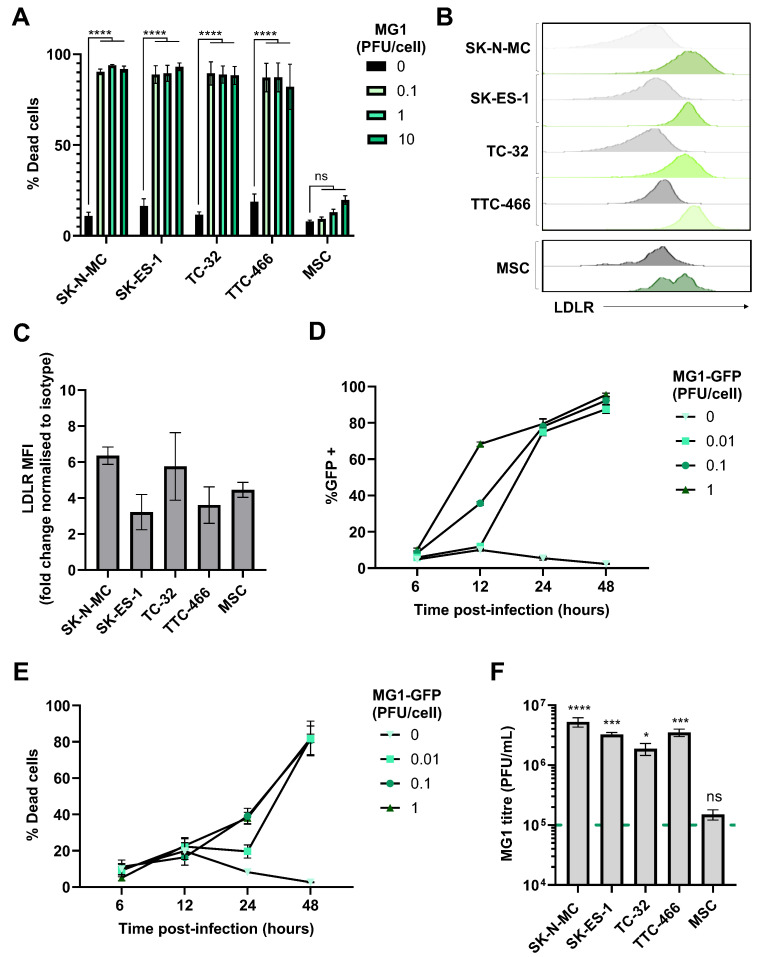 Figure 1
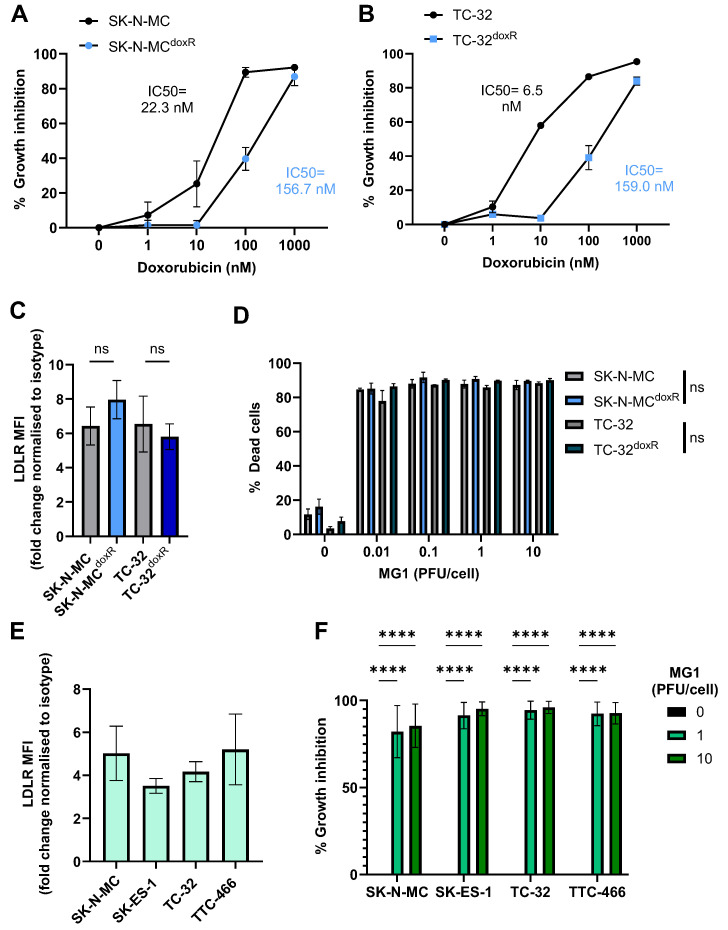 Figure 2
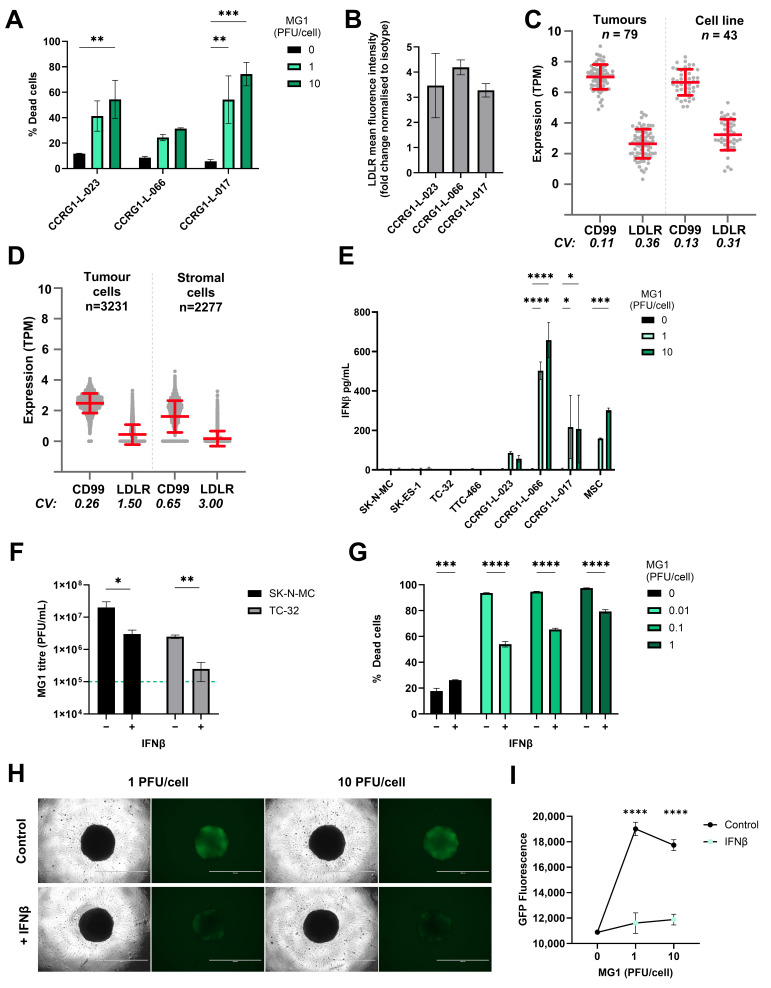 Figure 3
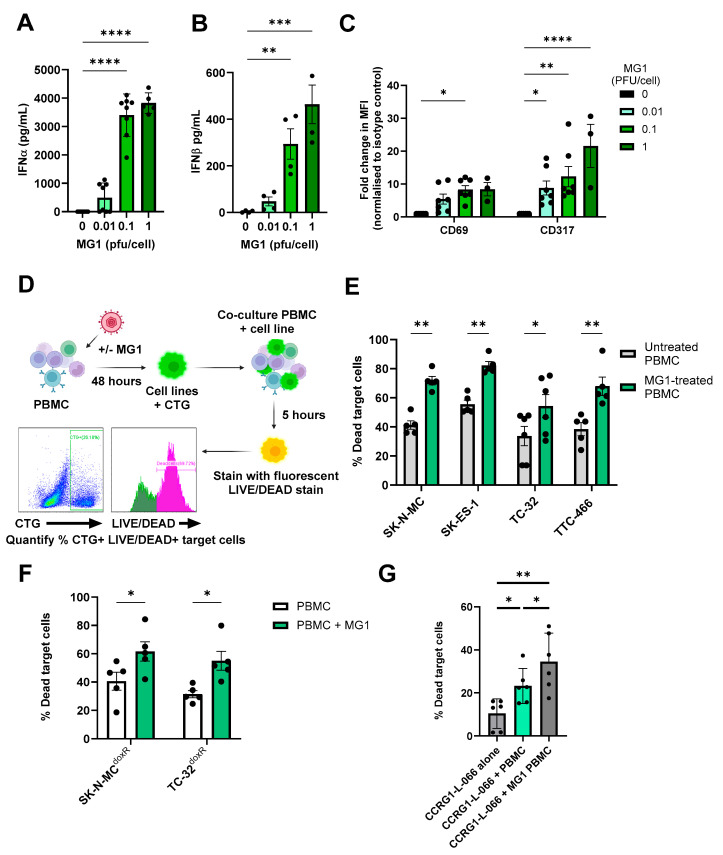 Figure 4
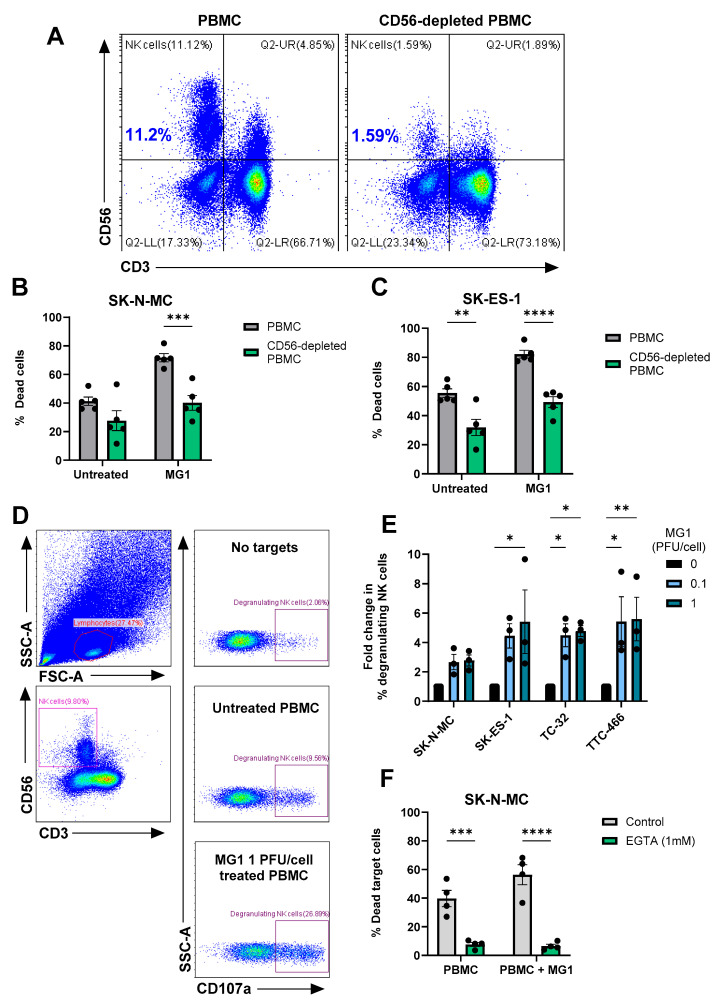 Figure 5
Peer Reviews
No public reviews on file for this paper yet. If you reviewed it on a platform where reviews are public (OpenReview, ICLR, NeurIPS, ICML), you can paste yours below so the community can read it here.
Videos
No videos yet. Explain this paper in a talk, walkthrough, or lecture? Add one.
Taxonomy
TopicsVirus-based gene therapy research · Vector-Borne Animal Diseases · CAR-T cell therapy research