Skeletal Muscle 31P Magnetic Resonance Spectroscopy Study of Patients with Parkinson’s Disease: Energy Metabolism and Exercise Performance
Jimin Ren, Neha Patel, Talon Johnson, Ross Querry, Staci Shearin

TL;DR
This study finds that Parkinson’s disease patients have reduced muscle energy metabolism, and regular exercise may help improve metabolic function and mobility.
Contribution
The study is the first to use 31P MRS to show peripheral mitochondrial dysfunction in PD and link exercise to metabolic adaptations.
Findings
PD patients had significantly lower ATP synthesis rates at rest compared to controls.
Exercise recovery of PCr and Pi correlated with weekly exercise time in PD patients.
Calf-raise training led to modest improvements in range of motion for both PD and control groups.
Abstract
Background/Objectives: Parkinson’s disease (PD) is a progressive neurodegenerative disorder characterized by motor symptoms such as tremor, bradykinesia, rigidity, and postural instability. In the absence of disease-modifying therapies, exercise remains one of the few interventions shown to effectively reduce fall risk and improve mobility. However, it remains unclear whether skeletal muscle ATP metabolism is impaired in PD, and whether the benefits of exercise arise primarily from improvements in central motor control or peripheral metabolic adaptations. Methods: Fourteen individuals with PD and five healthy controls underwent kinetic 31P Magnetic Resonance Spectroscopy (MRS) to assess resting muscle ATP synthesis and dynamic 31P MRS during in-magnet exercise to evaluate oxidative phosphorylation in active muscle. Results: At rest, ATP synthesis rates mediated by ATPase and creatine…
Genes, proteins, chemicals, diseases, species, mutations and cell lines named across the full text — each resolved to its canonical identifier and authoritative record.
Click any figure to enlarge with its caption.
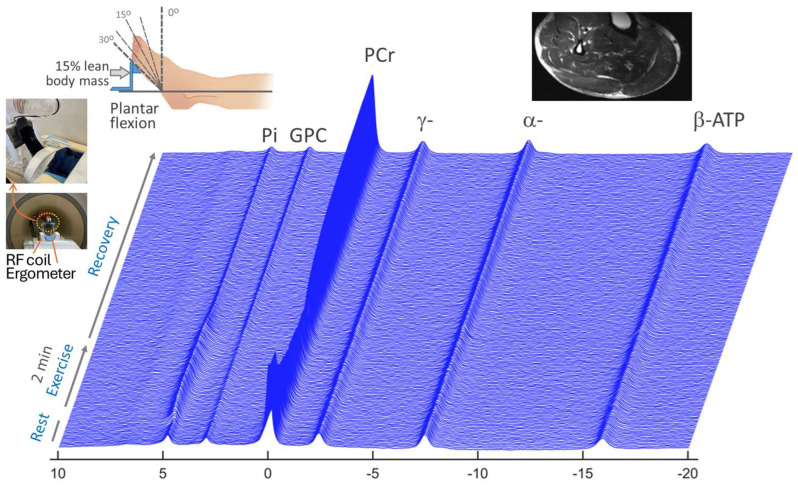 Figure 1
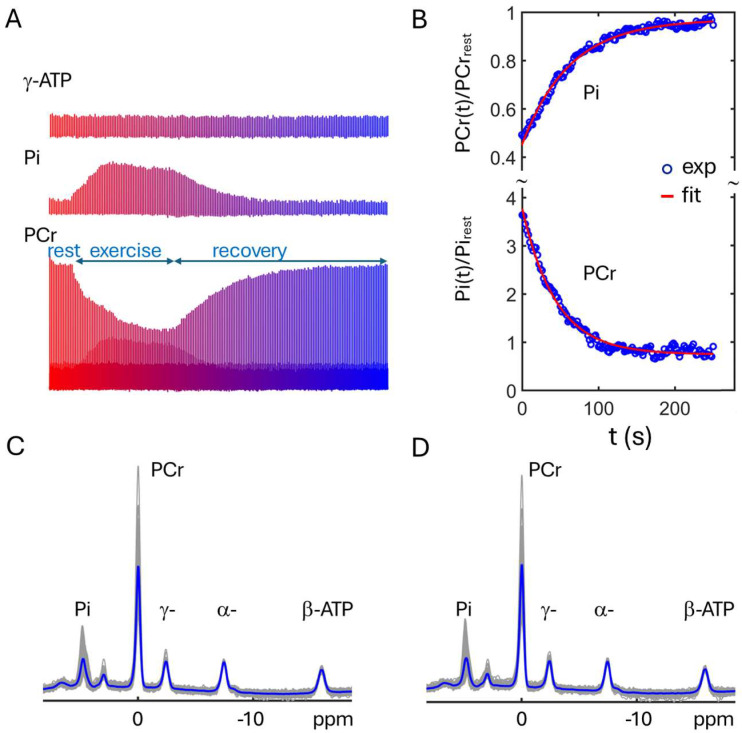 Figure 2
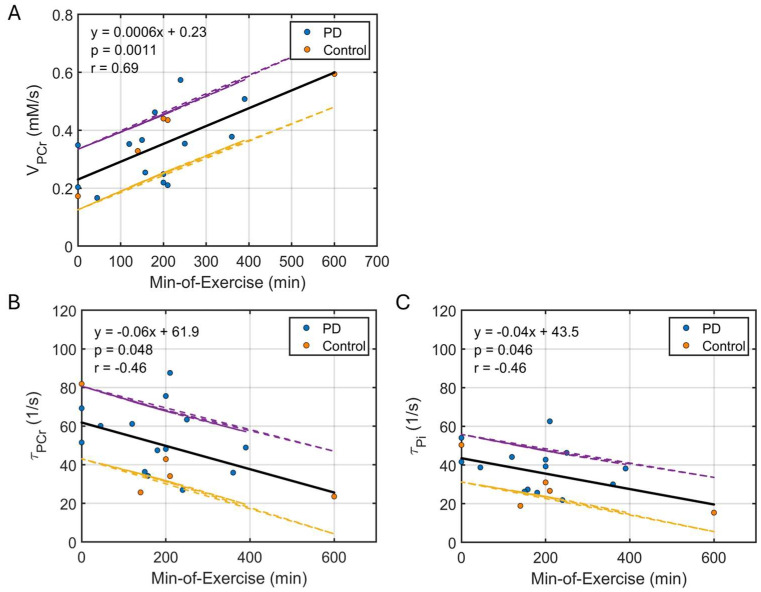 Figure 3
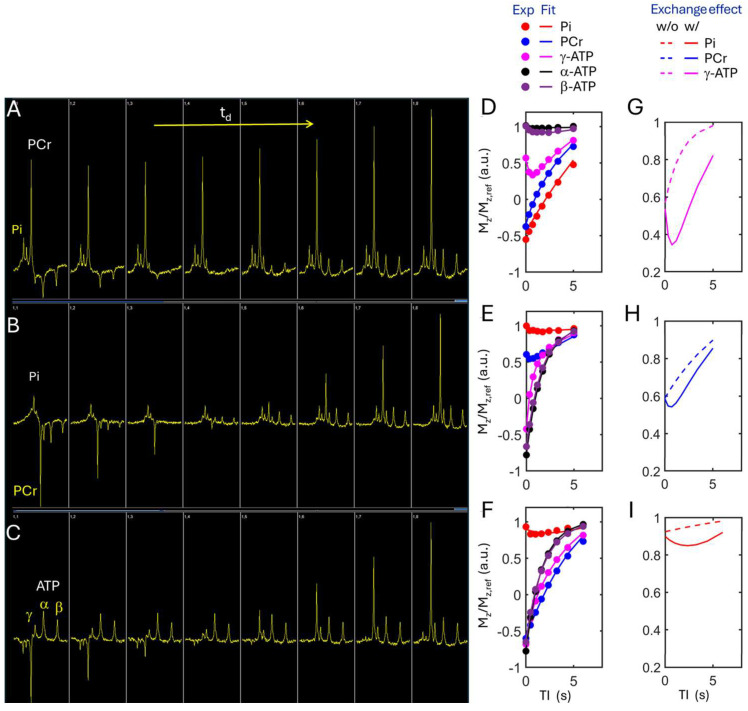 Figure 4
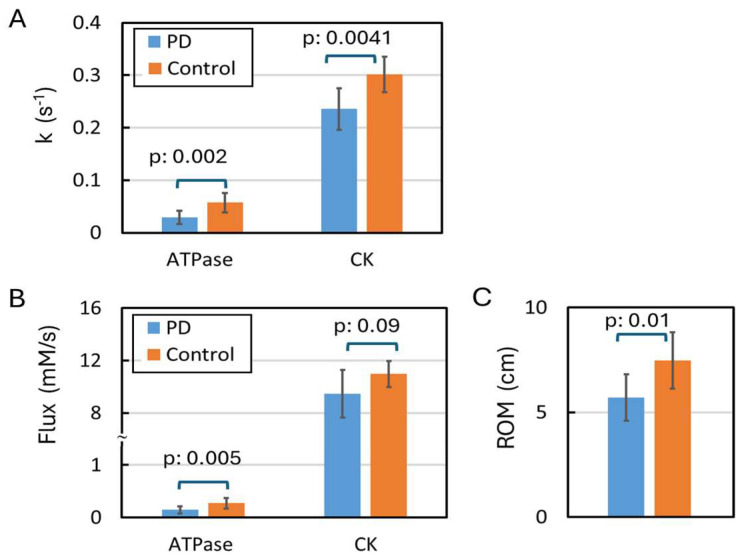 Figure 5
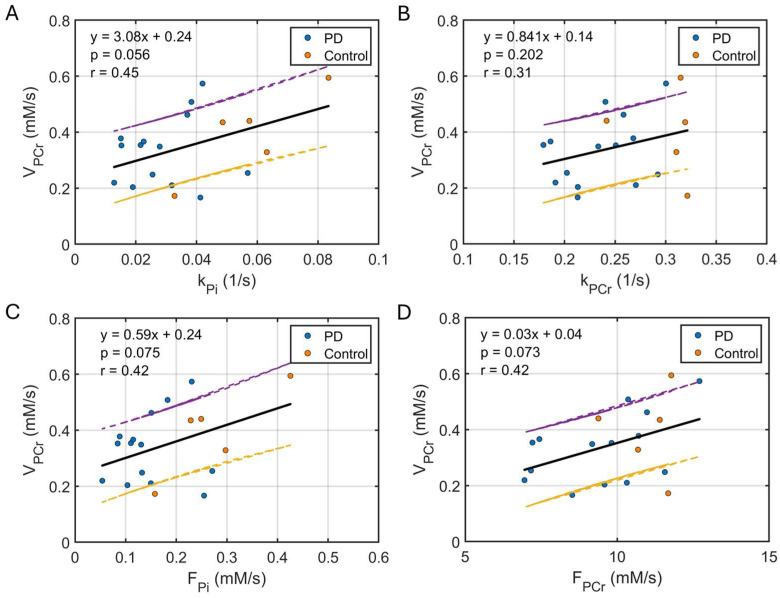 Figure 6
Peer Reviews
No public reviews on file for this paper yet. If you reviewed it on a platform where reviews are public (OpenReview, ICLR, NeurIPS, ICML), you can paste yours below so the community can read it here.
Videos
No videos yet. Explain this paper in a talk, walkthrough, or lecture? Add one.
Taxonomy
TopicsMuscle activation and electromyography studies · Muscle Physiology and Disorders · Parkinson's Disease Mechanisms and Treatments