Linking Genotype to Clinical Features in SMC1A-Related Phenotypes: From Cornelia de Lange Syndrome to Developmental and Epileptic Encephalopathy, a Comprehensive Review
Maria Francesca Astorino, Desirèe Speranza, Giovanni Luppino, Maria Angela La Rosa, Silvana Briuglia, Marco Calabrò

TL;DR
This paper reviews how mutations in the SMC1A gene lead to a range of neurological conditions, from severe epilepsy to milder intellectual disabilities, and how genetic and epigenetic factors influence these outcomes.
Contribution
The paper provides a comprehensive framework linking SMC1A mutation types, mosaicism, and XCI patterns to clinical outcomes in developmental and epileptic encephalopathy.
Findings
SMC1A mutations cause diverse neurological phenotypes, including early-onset seizures and intellectual disability.
X-chromosome inactivation skewing can modulate the severity of SMC1A-related epilepsy.
SMC1A mutations disrupt cohesin function, leading to transcriptional dysregulation of neurodevelopmental genes.
Abstract
Germline mutations in the X-linked cohesin subunit gene SMC1A have been increasingly recognized as a cause of developmental and epileptic encephalopathy (DEE); however, the underlying basis of its marked phenotypic heterogeneity remains elusive. In our narrative review, starting from all literature-reported clinical cases of SMC1A-related DEE, we propose an integrative framework summarizing all the clinical and genetic features, stratified by mutation type, mosaic fraction, and X-chromosome inactivation (XCI) patterns to provide valuable support for genetic diagnosis and variants, found to date. Also, we discuss how somatic mosaicism and epigenetic variability underlie the clinical diversity of SMC1A-associated epilepsy and systematically describe the entire phenotypic spectrum, from early-onset, therapy-resistant seizures to milder intellectual disability profiles. We further examine…
Genes, proteins, chemicals, diseases, species, mutations and cell lines named across the full text — each resolved to its canonical identifier and authoritative record.
Click any figure to enlarge with its caption.
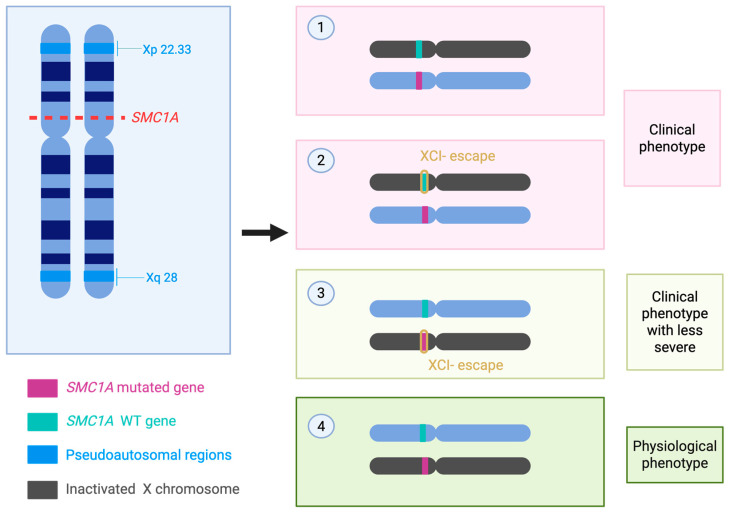 Figure 1
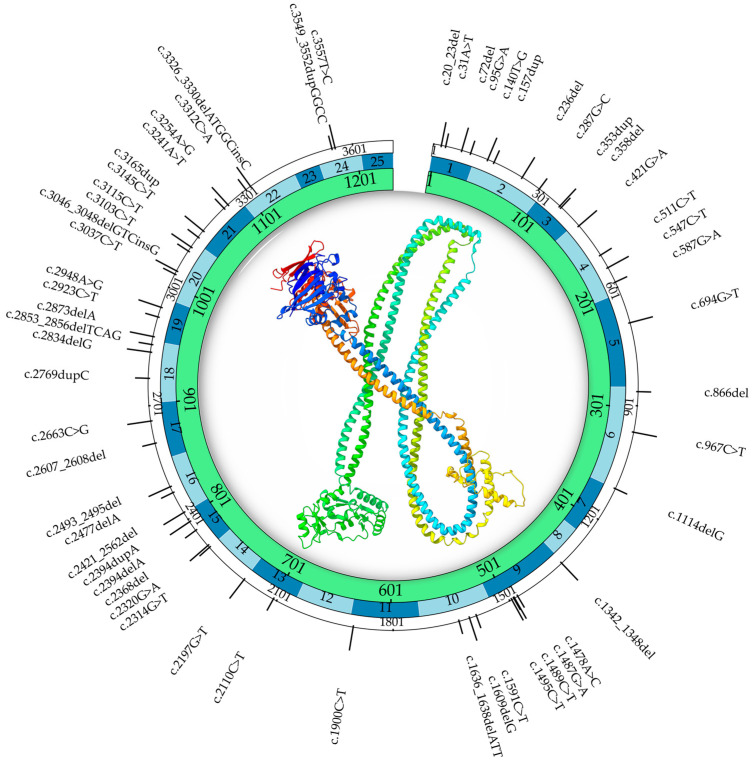 Figure 2
Peer Reviews
No public reviews on file for this paper yet. If you reviewed it on a platform where reviews are public (OpenReview, ICLR, NeurIPS, ICML), you can paste yours below so the community can read it here.
Videos
No videos yet. Explain this paper in a talk, walkthrough, or lecture? Add one.
Taxonomy
TopicsGenomics and Chromatin Dynamics · Genetic Syndromes and Imprinting · Cancer-related molecular mechanisms research