Residual Adenoid Tissue After Conventional Adenoidectomy and the Role of Intraoperative Nasal Endoscopy: A Prospective Cohort Study
Goran Latif Omer, Aland Salih Abdullah, Sahand Soran Ali, Stefano Di Girolamo, Sveva Viola, Andrea Bravetti, Maria Grazia Maglie, Sara Maurantonio, Laura Borghesi, Othman Hussein Ahmed, Aso Khasraw Ahmed, Amanj Hamaamin Hamaamin, Hemn Hussein Othman, Giuseppe De Donato

TL;DR
This study finds that most patients have leftover adenoid tissue after standard surgery, and using endoscopes during surgery improves results, especially for older or revision cases.
Contribution
The study introduces the use of intraoperative nasal endoscopy to significantly reduce residual adenoid tissue in conventional adenoidectomy.
Findings
Residual adenoid tissue was detected in 61.8% of patients after conventional curettage adenoidectomy.
Age ≥ 7.5 years and revision status were strong predictors of incomplete tissue clearance.
Endoscopic completion resection significantly improved surgical outcomes with low complication rates.
Abstract
What are the main findings? What are the main findings? Residual adenoid tissue was detected in 61.8% of patients after conventional curettage adenoidectomy.Revision status and age ≥ 7.5 years were strong predictors of incomplete clearance. Residual adenoid tissue was detected in 61.8% of patients after conventional curettage adenoidectomy. Revision status and age ≥ 7.5 years were strong predictors of incomplete clearance. What is the implication of the main findings? What is the implication of the main findings? Intraoperative endoscopic assessment with completion resection significantly improves surgical outcomes.Primary endoscopic adenoidectomy is recommended for children ≥ 7.5 years and for revision cases. Intraoperative endoscopic assessment with completion resection significantly improves surgical outcomes. Primary endoscopic adenoidectomy is recommended for children ≥…
Genes, proteins, chemicals, diseases, species, mutations and cell lines named across the full text — each resolved to its canonical identifier and authoritative record.
Click any figure to enlarge with its caption.
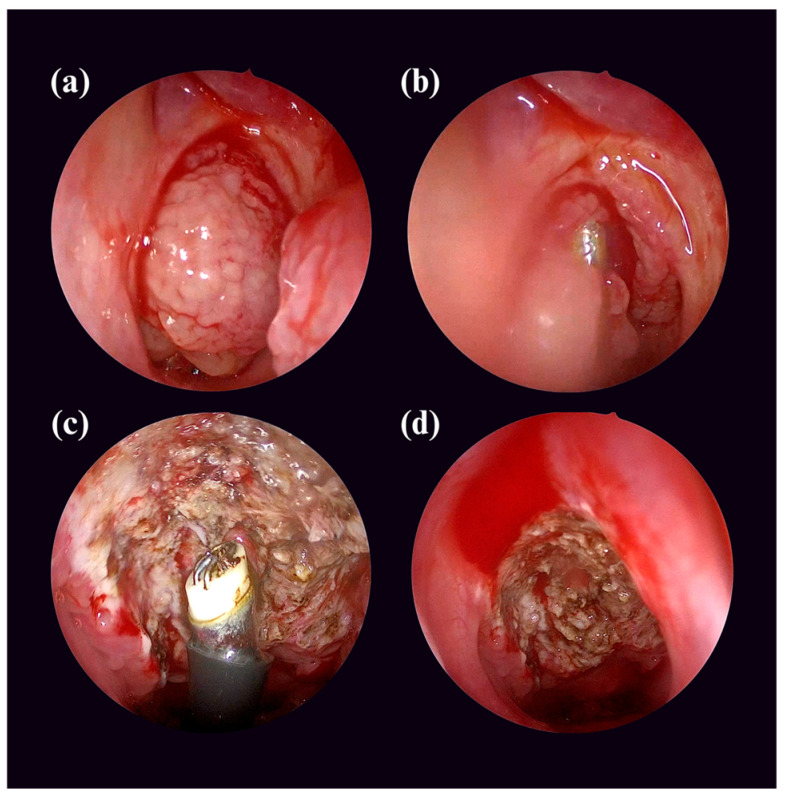 Figure 1
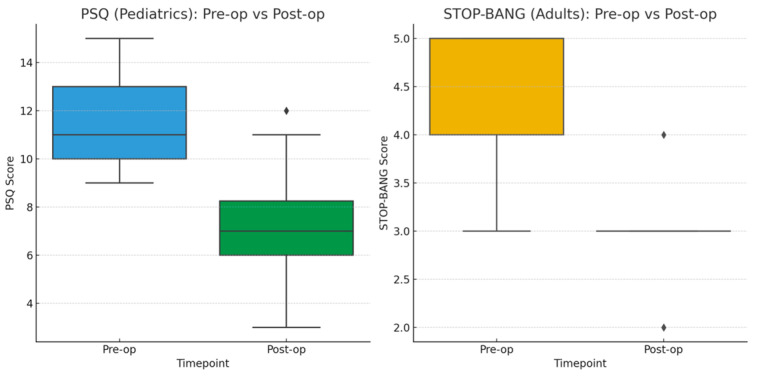 Figure 2
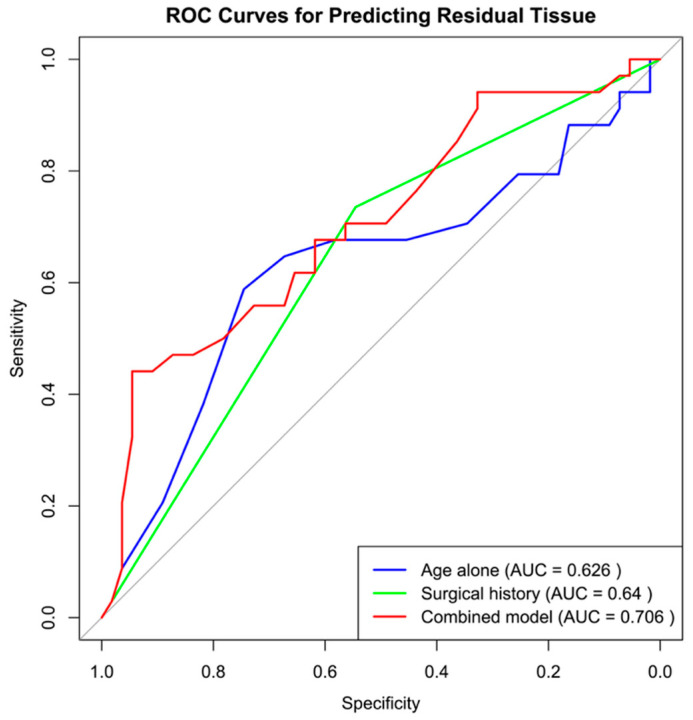 Figure 3
Peer Reviews
No public reviews on file for this paper yet. If you reviewed it on a platform where reviews are public (OpenReview, ICLR, NeurIPS, ICML), you can paste yours below so the community can read it here.
Videos
No videos yet. Explain this paper in a talk, walkthrough, or lecture? Add one.
Taxonomy
TopicsSinusitis and nasal conditions · Nasal Surgery and Airway Studies · Ear Surgery and Otitis Media