Cytotoxicity of Mimusops caffra-Based Ursolic Acid, Oleanolic Acid and Derivatives Against Human Cancerous and Non-Cancerous Cell Lines
Sithenkosi Mlala, Opeoluwa Oyehan Oyedeji, Gbemisola Morounke Saibu, Mavuto Gondwe, Adebola Omowunmi Oyedeji

TL;DR
This study explores the cancer-fighting potential of compounds derived from the Mimusops caffra plant, showing some derivatives are effective against cancer cells with minimal harm to healthy cells.
Contribution
The study introduces new triterpenoid derivatives of ursolic acid from Mimusops caffra and evaluates their selective cytotoxicity against cancer cells.
Findings
UM (ursolic-28-methylate) showed strong cytotoxicity against cancer cells with minimal impact on non-cancerous cells.
Methyl addition at C-28 of ursolic acid enhances its anti-cancer activity.
Ursolic acid derivatives are potential therapeutic agents for breast, liver, and prostate cancers.
Abstract
According to the World Health Organization, cancer is still the leading cause of death for humans worldwide. Although over 100 chemotherapeutic agents are currently available for the treatment of cancer patients, the overall long term clinical benefit is disappointing due to the lack of effectiveness or severe side effects from these drugs. The use of complementary and alternative medicinal products from plants has continued to increase in past decades, due to fewer side effects of bioactive compounds from medicinal plants of which pentacyclic triterpenoids have been identified as one class of secondary metabolites that could play an important role in the treatment and management of a number of non-communicable diseases. The main aim of this study is to extract, isolate, identify, and elucidate pentacyclic triterpenoid (ursolic acid, UA (1), and oleanolic acid, OA (2)) from Mimusops…
Genes, proteins, chemicals, diseases, species, mutations and cell lines named across the full text — each resolved to its canonical identifier and authoritative record.
Click any figure to enlarge with its caption.
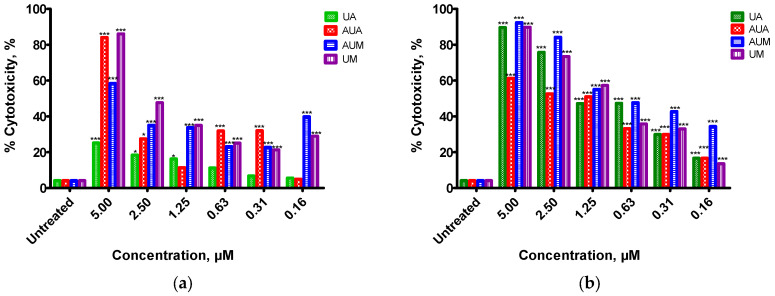 Figure 1
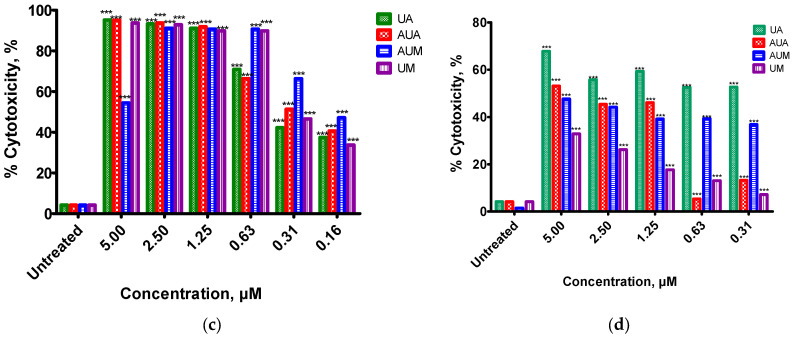 Figure 2
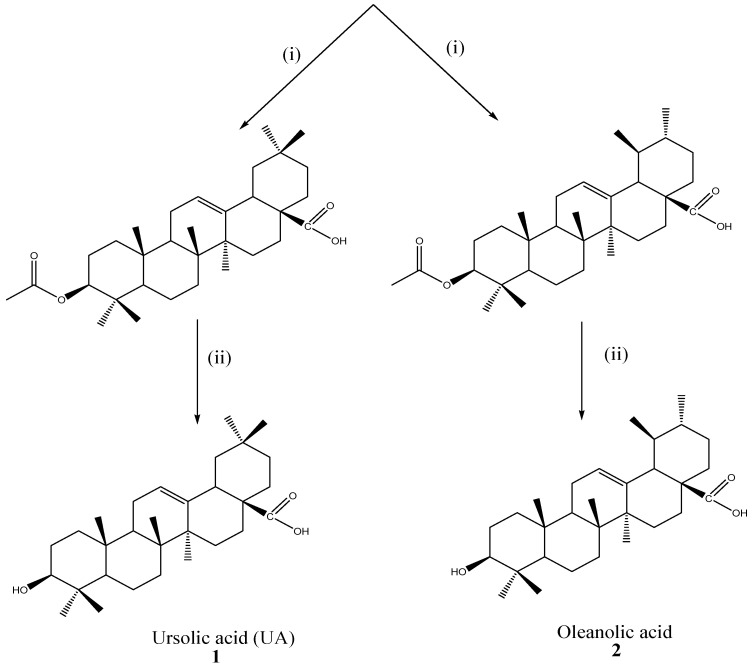 Figure 3
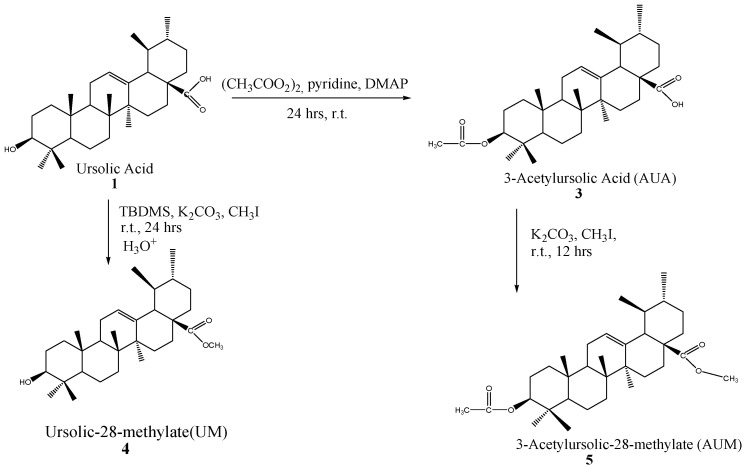 Figure 4
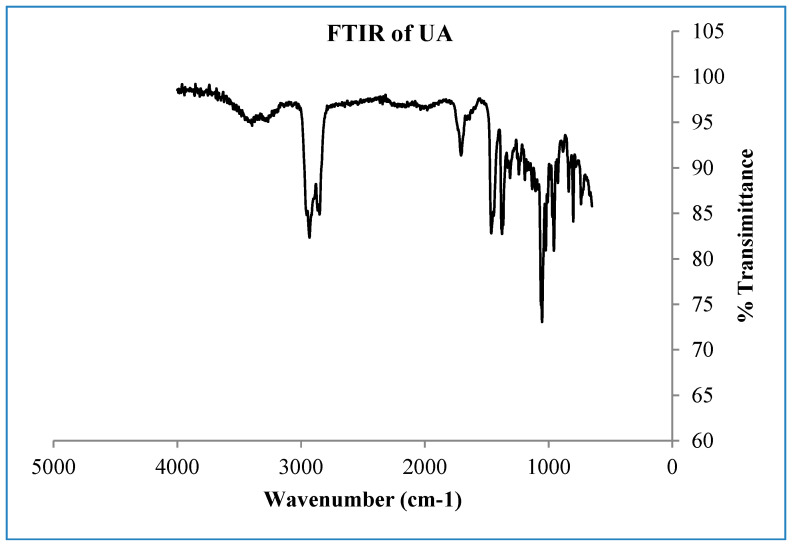 Figure 5
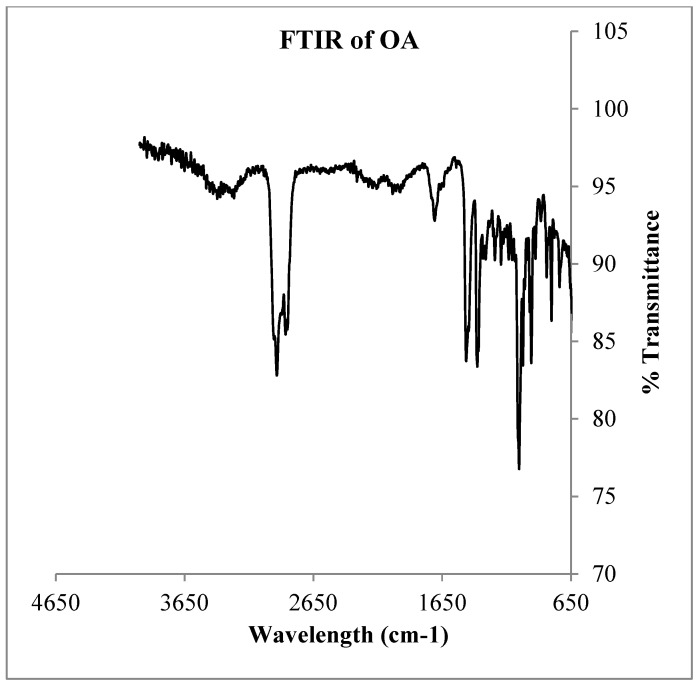 Figure 6
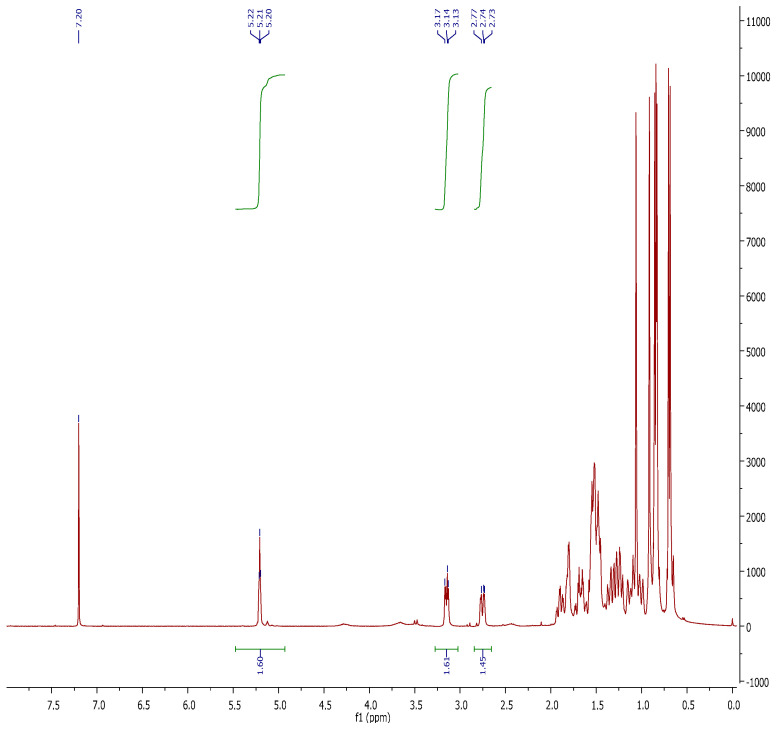 Figure 7
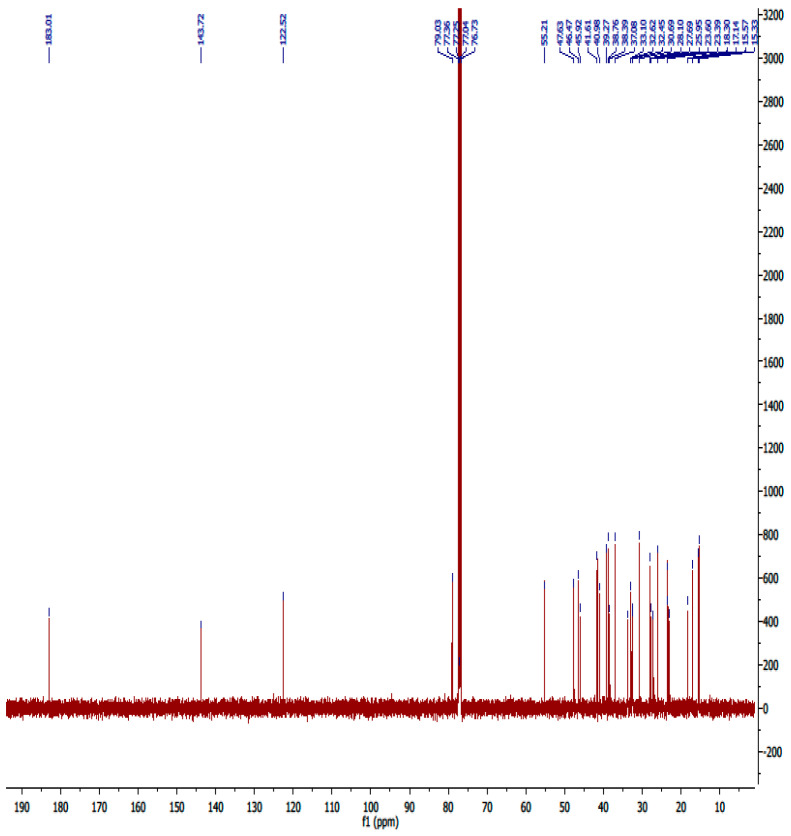 Figure 8
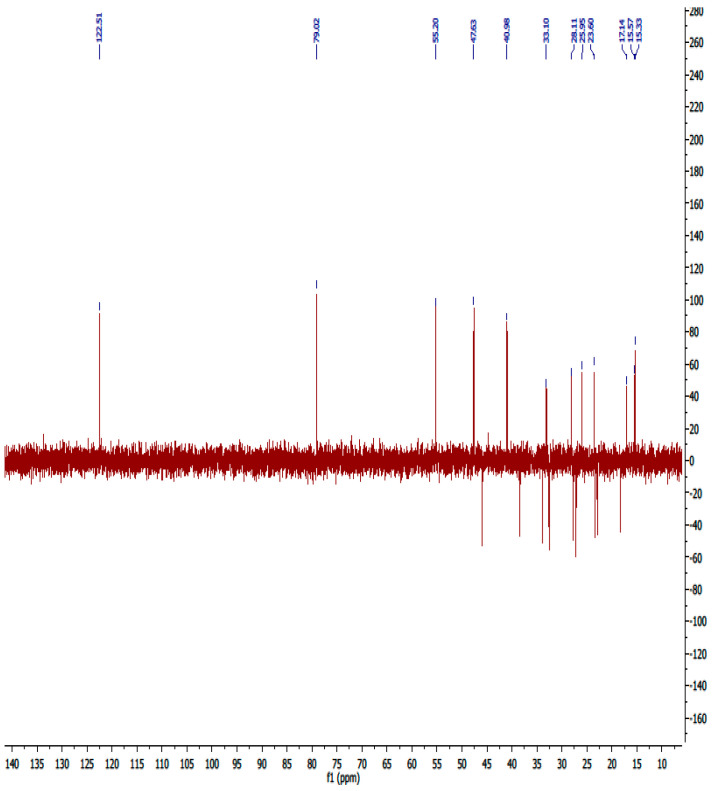 Figure 9
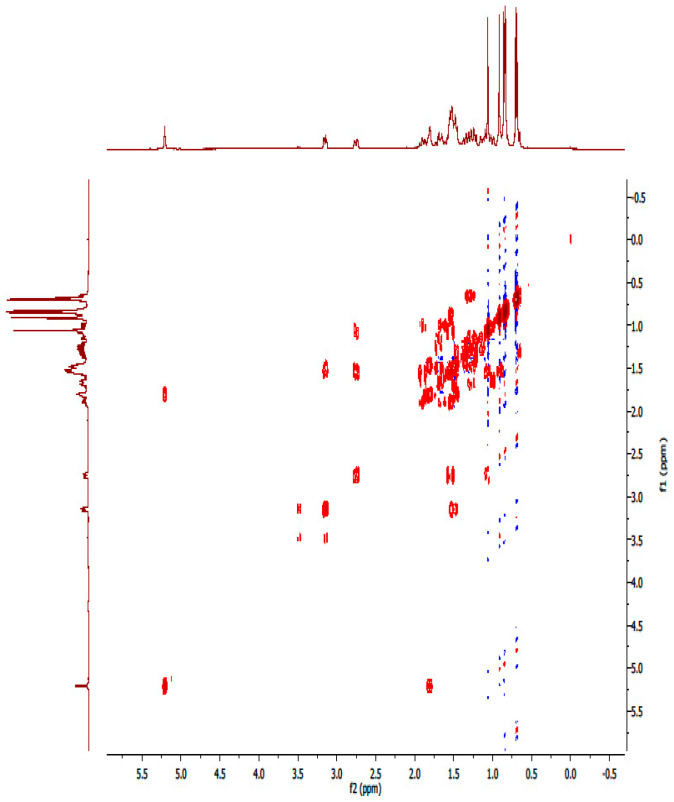 Figure 10
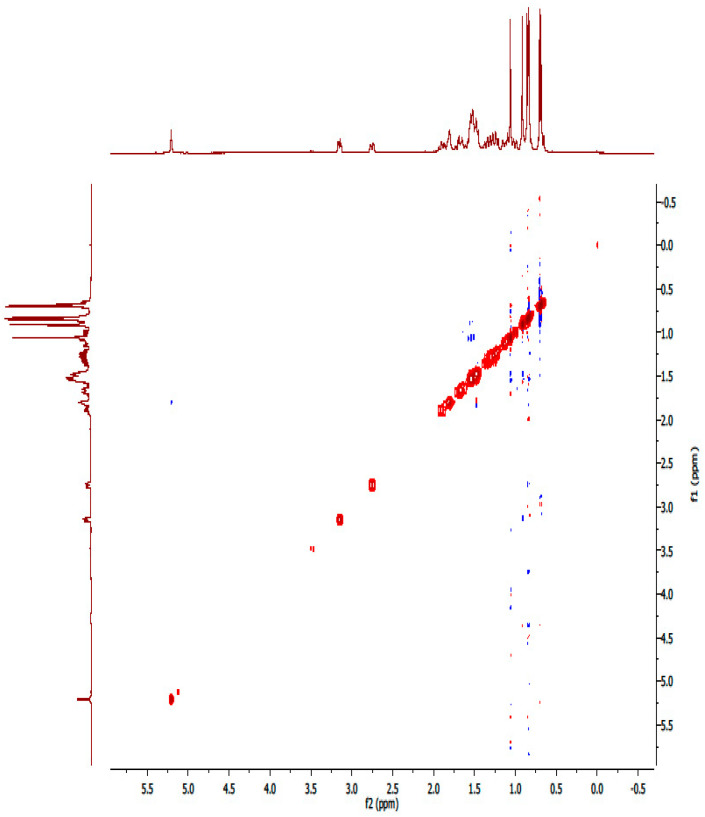 Figure 11
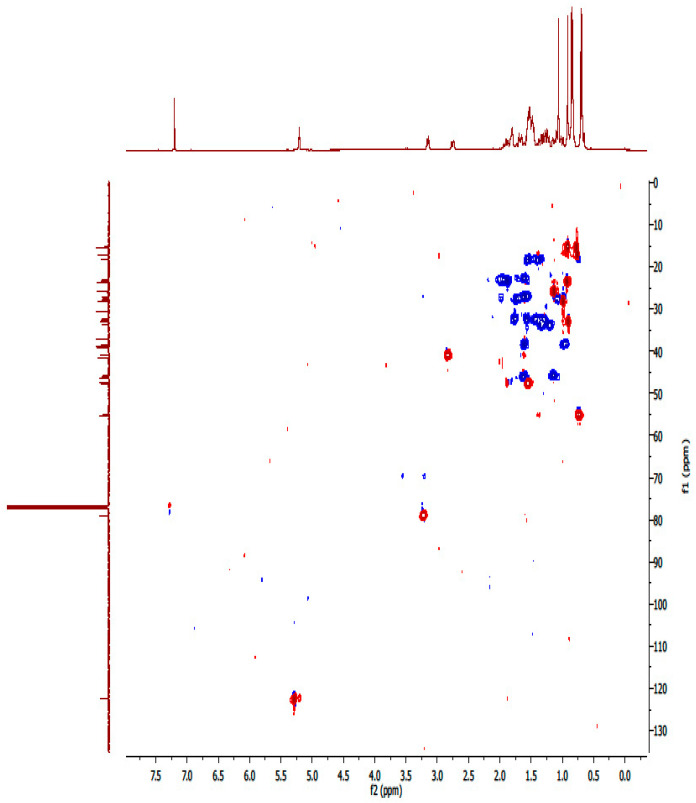 Figure 12
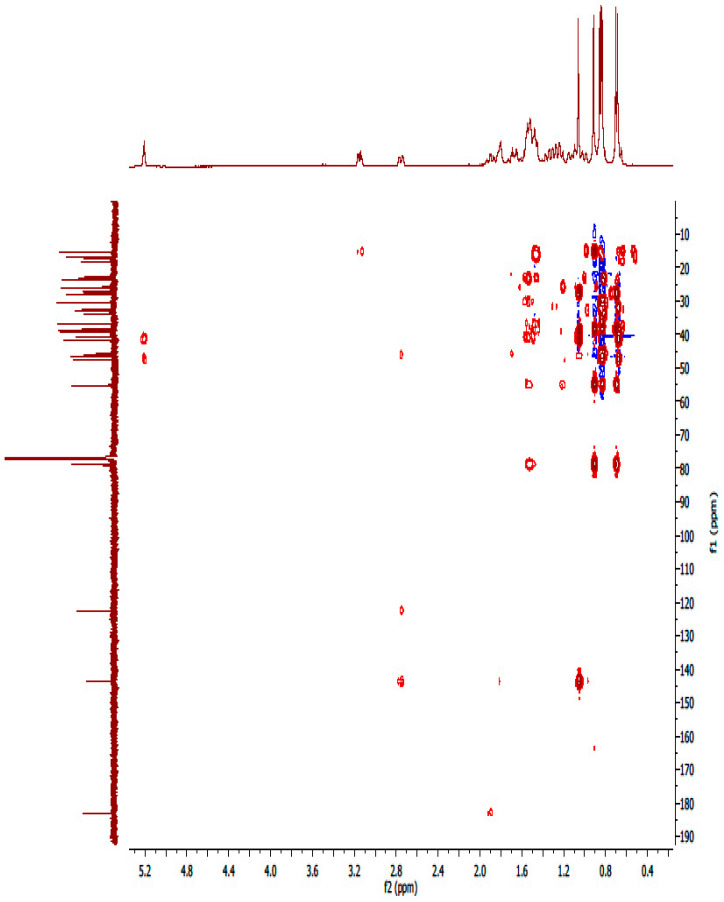 Figure 13
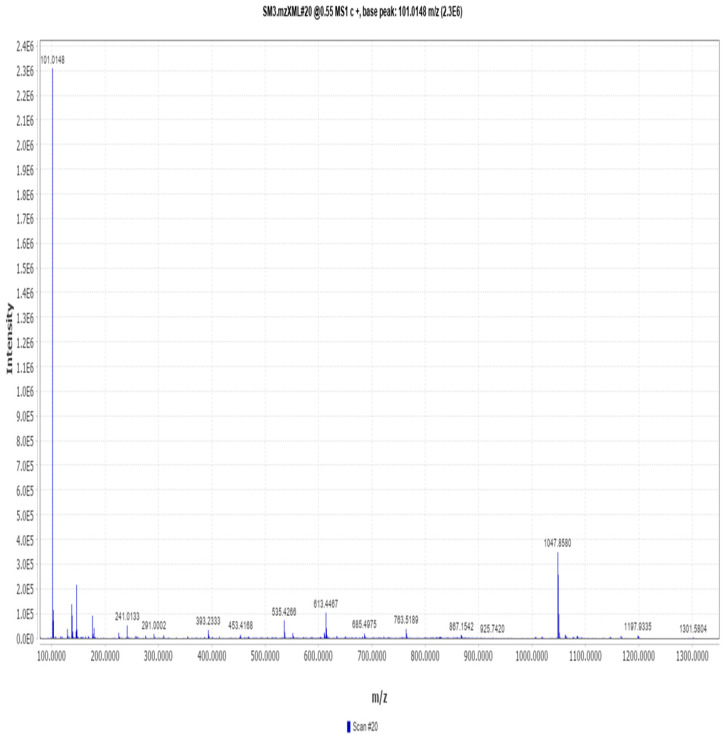 Figure 14
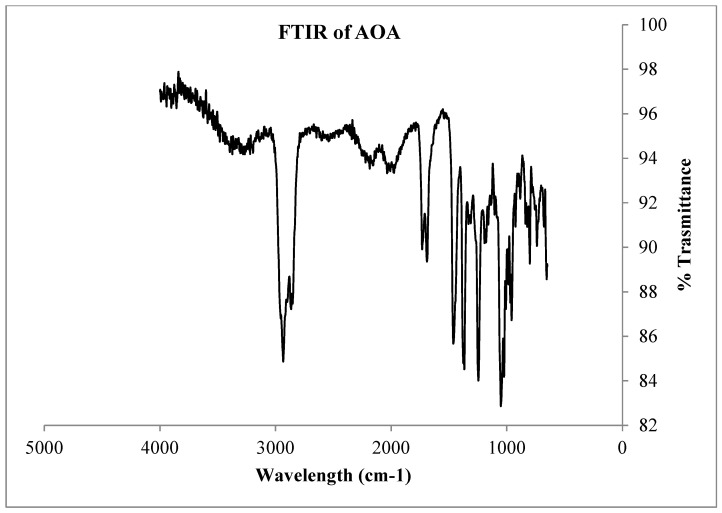 Figure 15
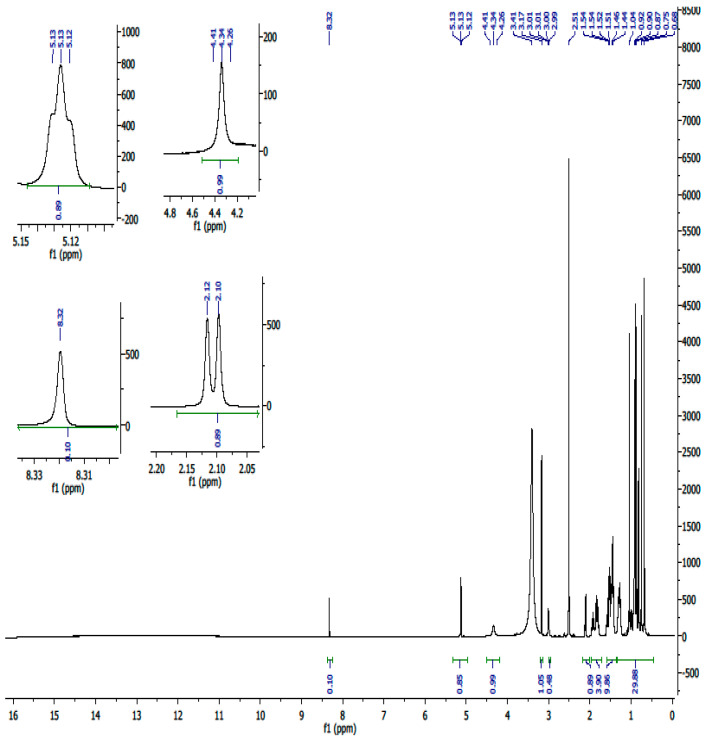 Figure 16
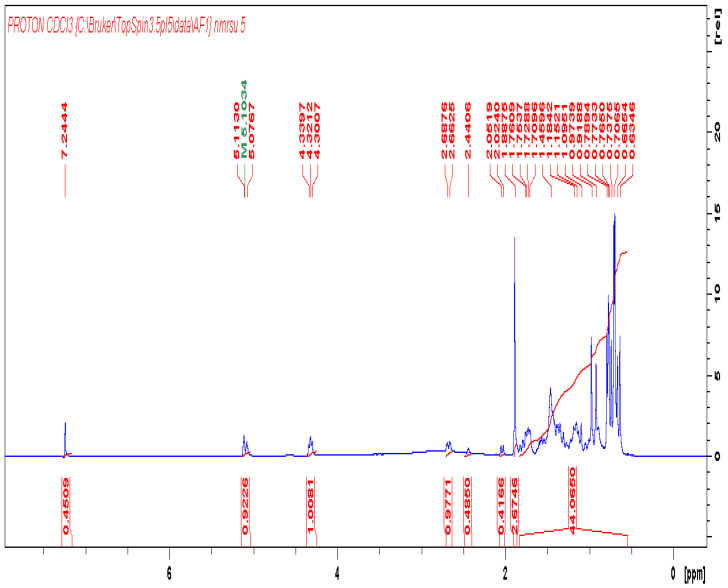 Figure 17
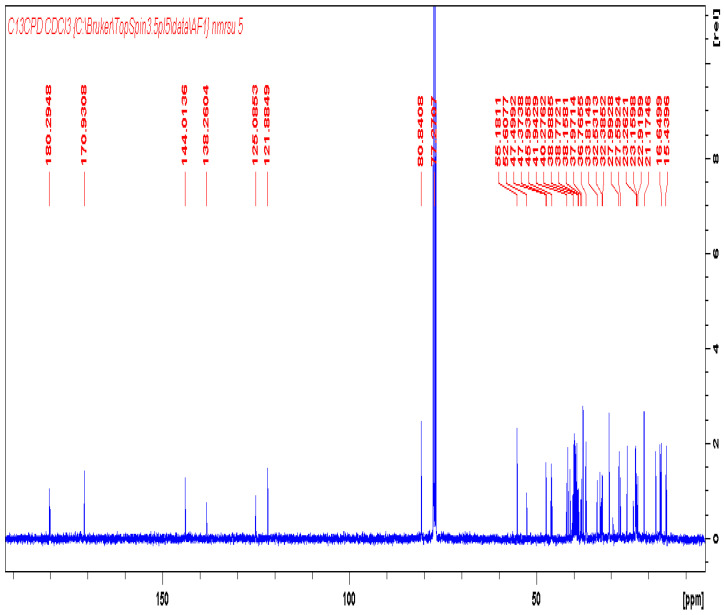 Figure 18
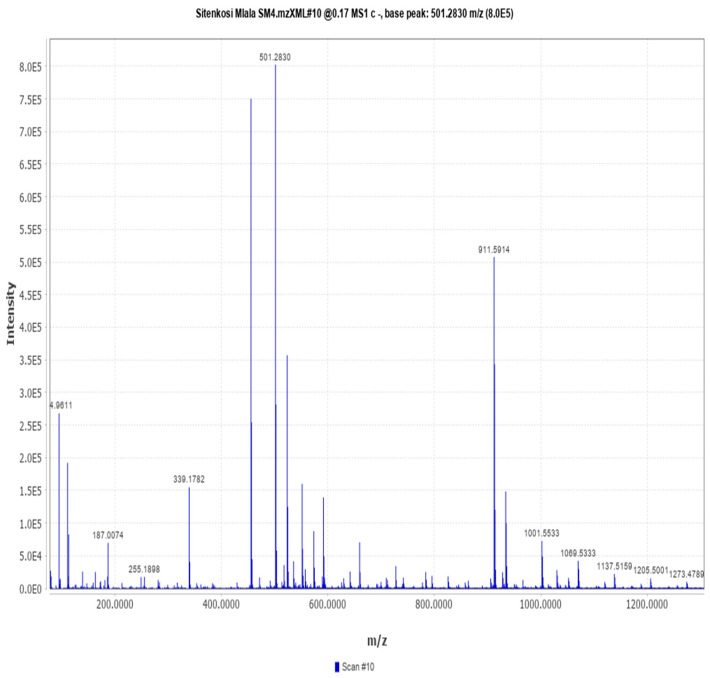 Figure 19
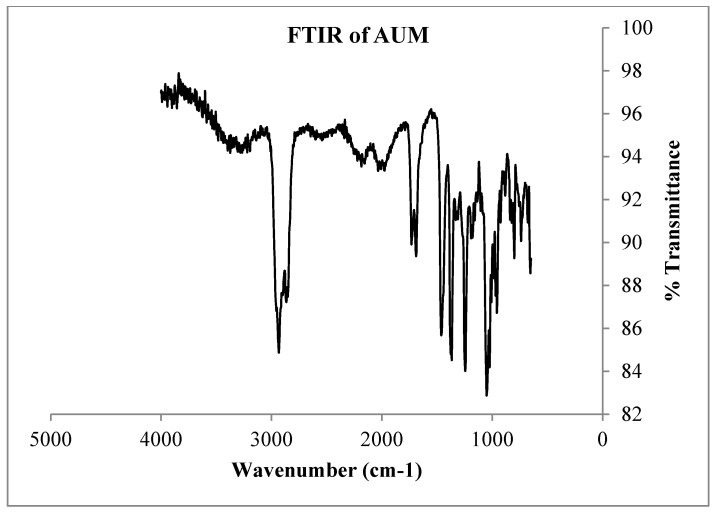 Figure 20
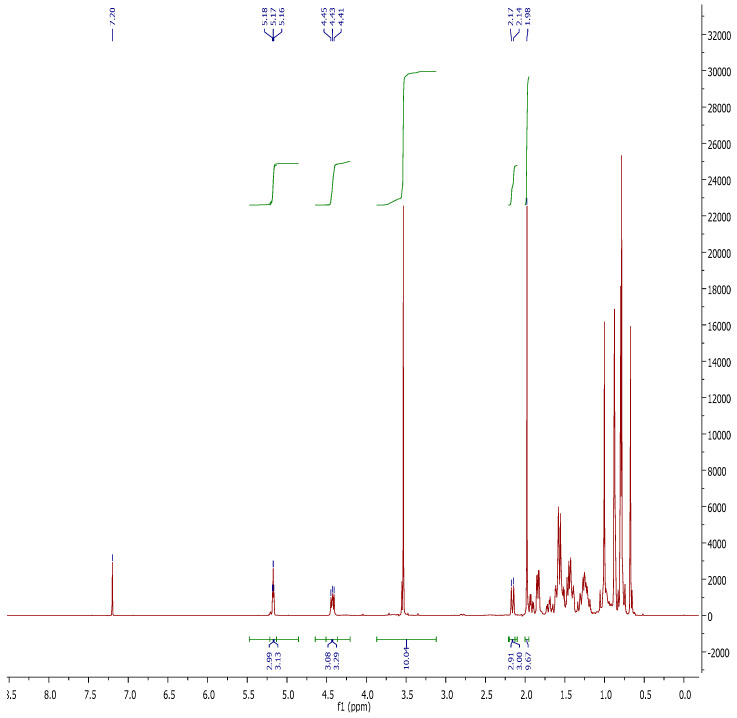 Figure 21
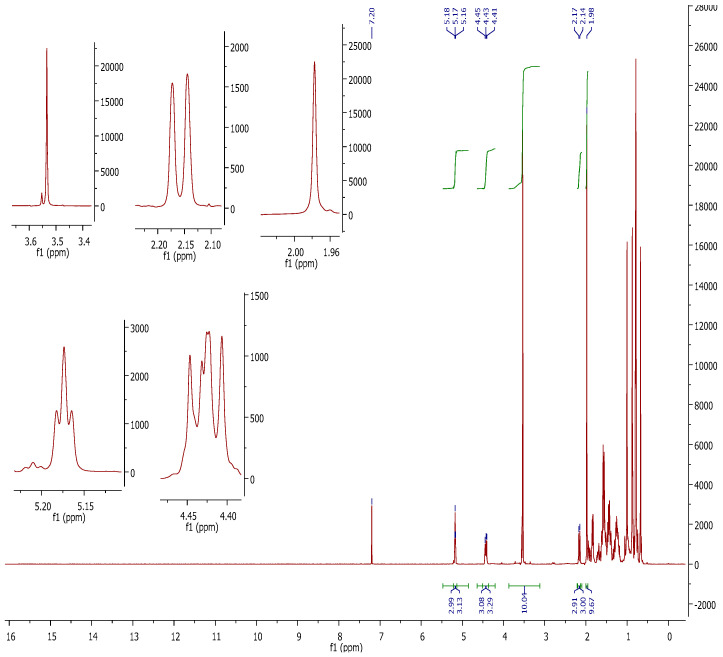 Figure 22
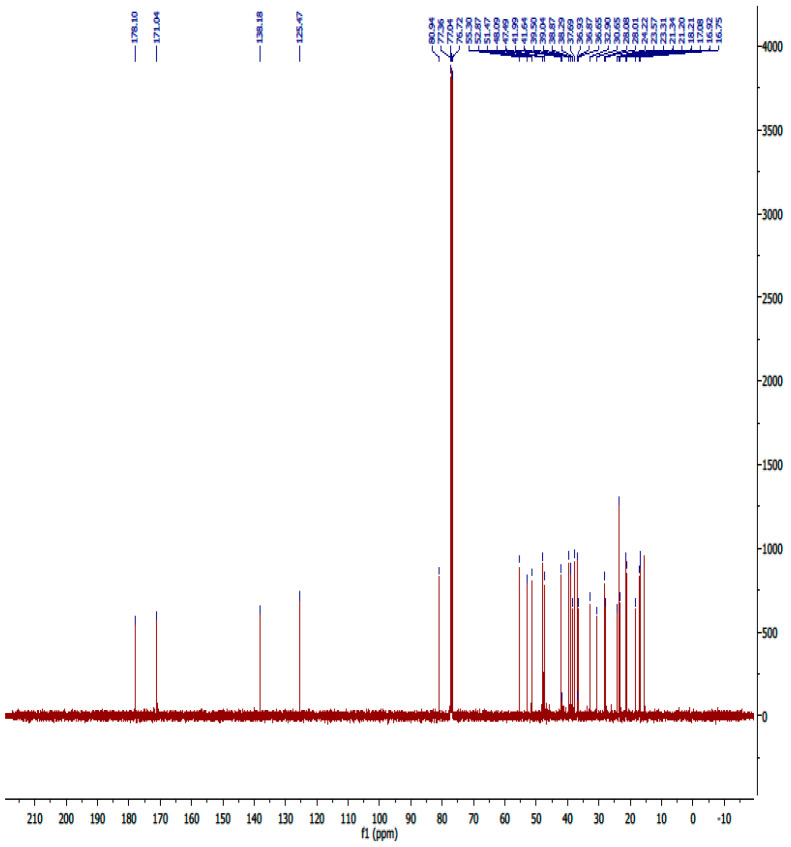 Figure 23
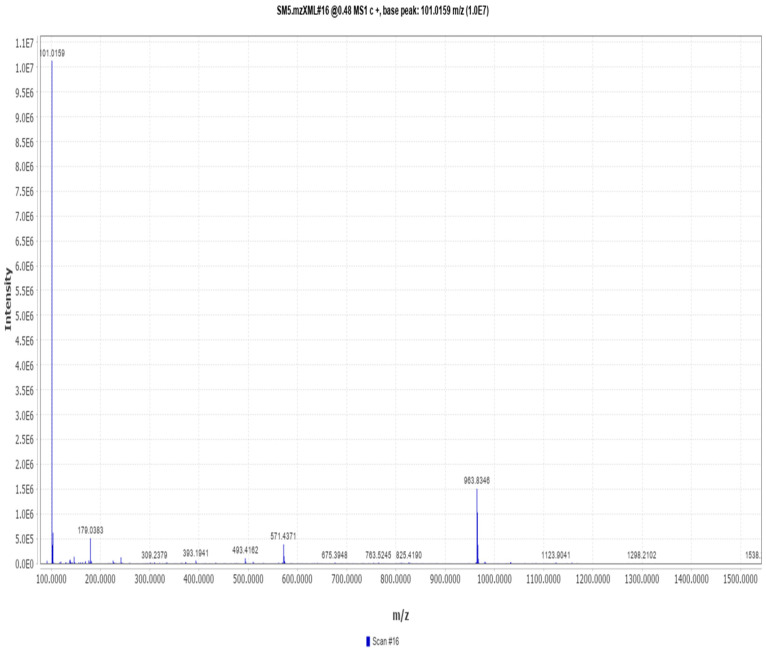 Figure 24
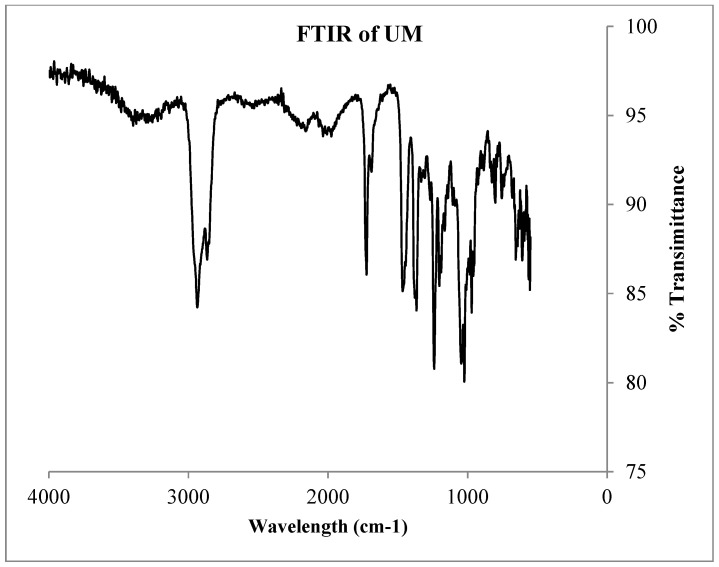 Figure 25
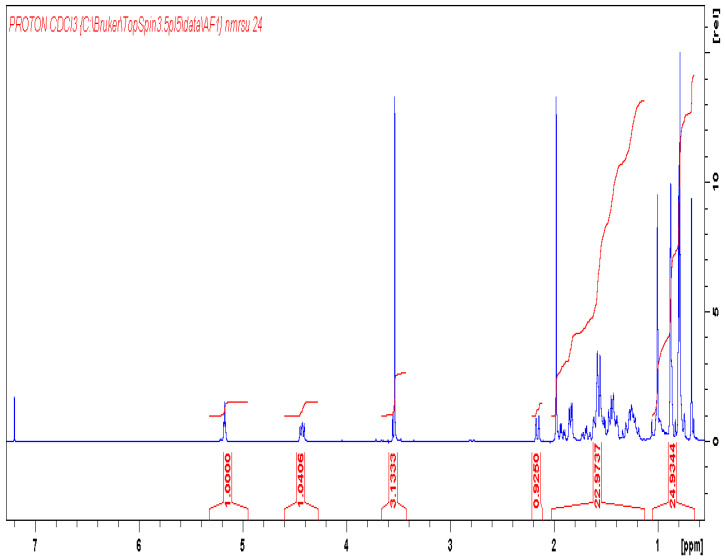 Figure 26
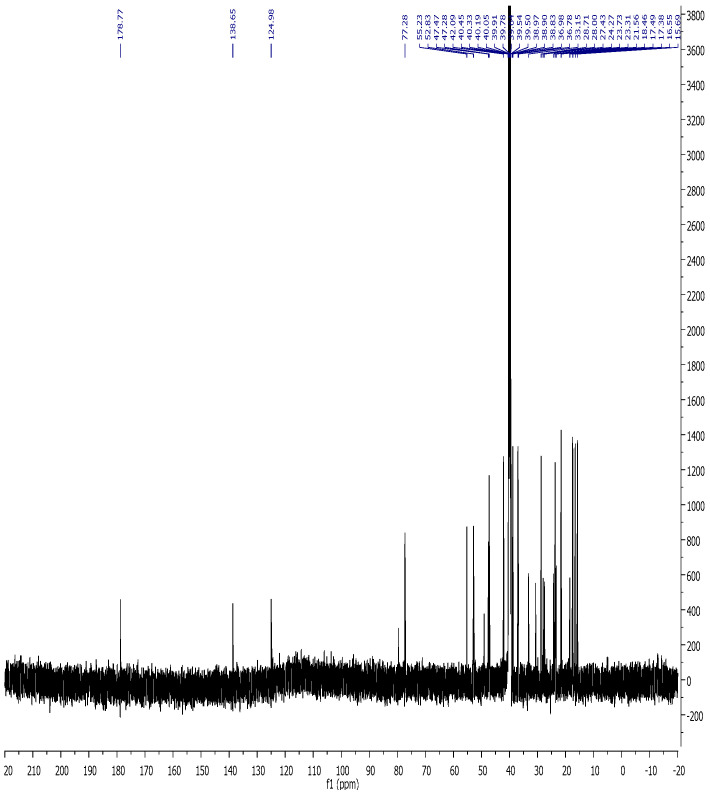 Figure 27
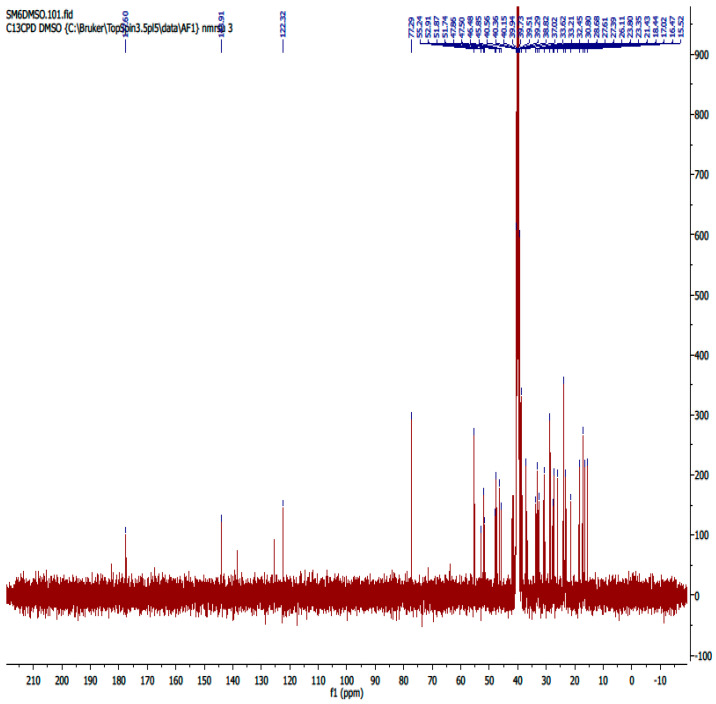 Figure 28
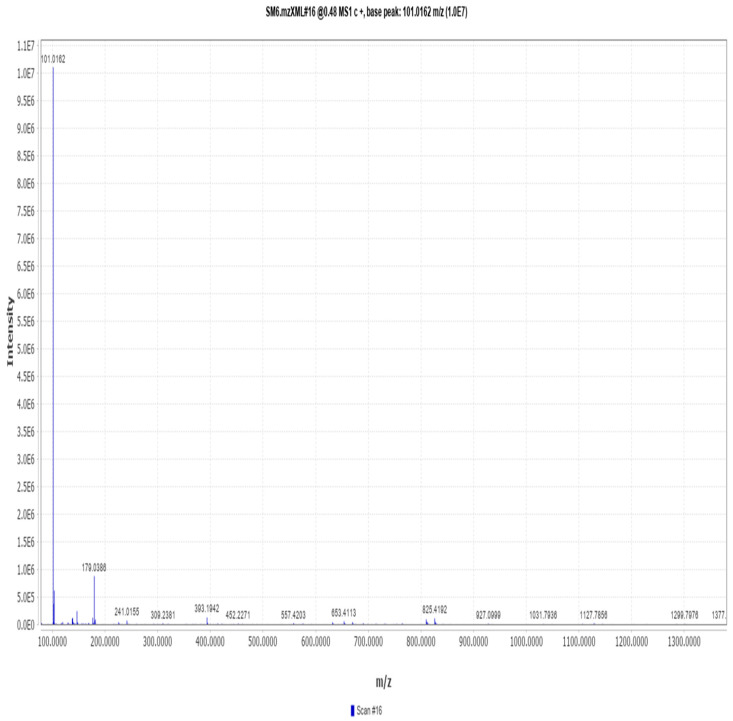 Figure 29
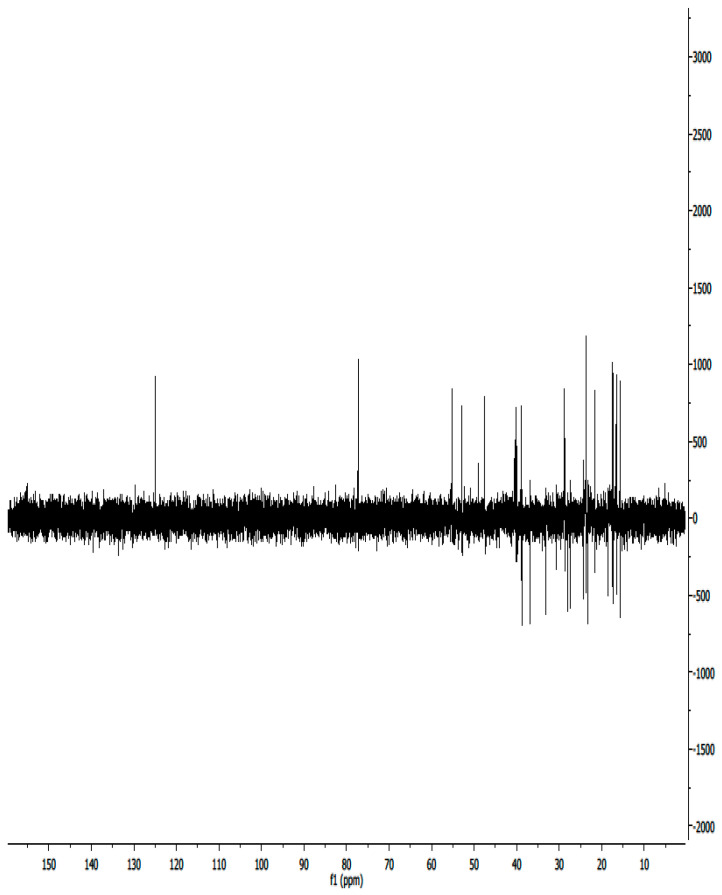 Figure 30
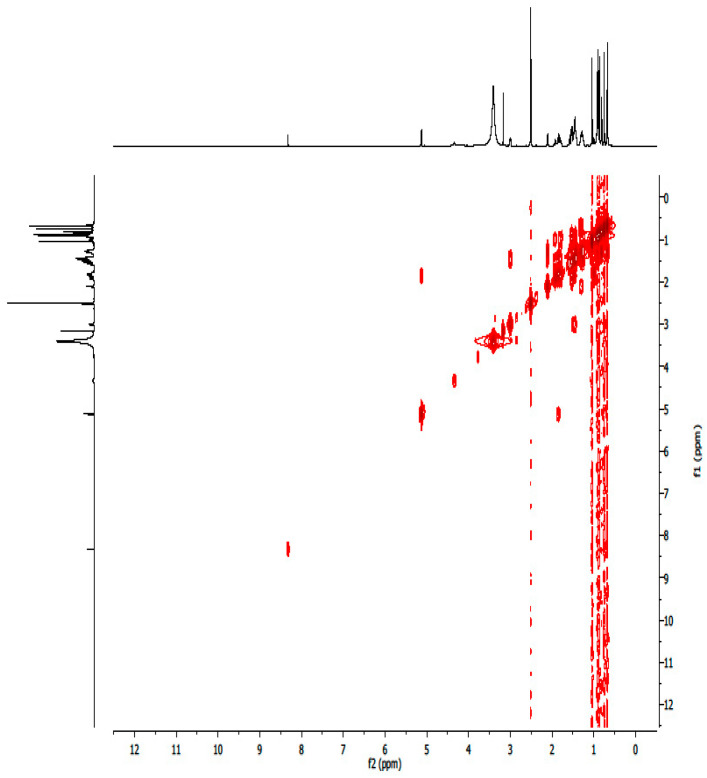 Figure 31
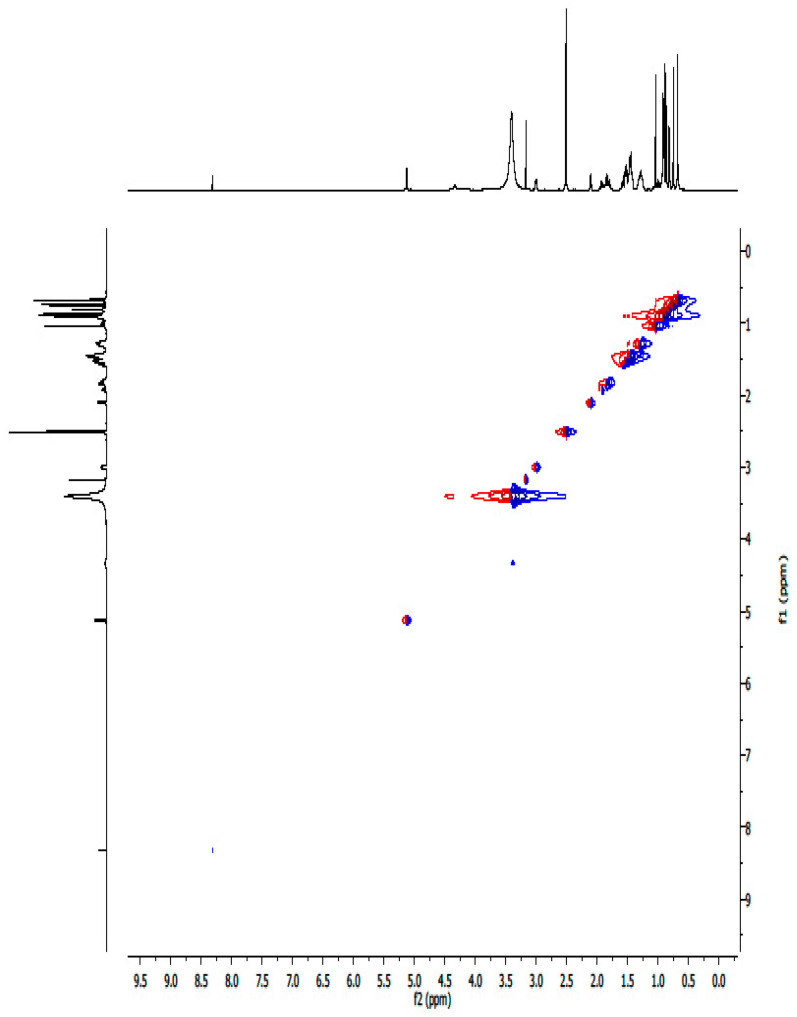 Figure 32
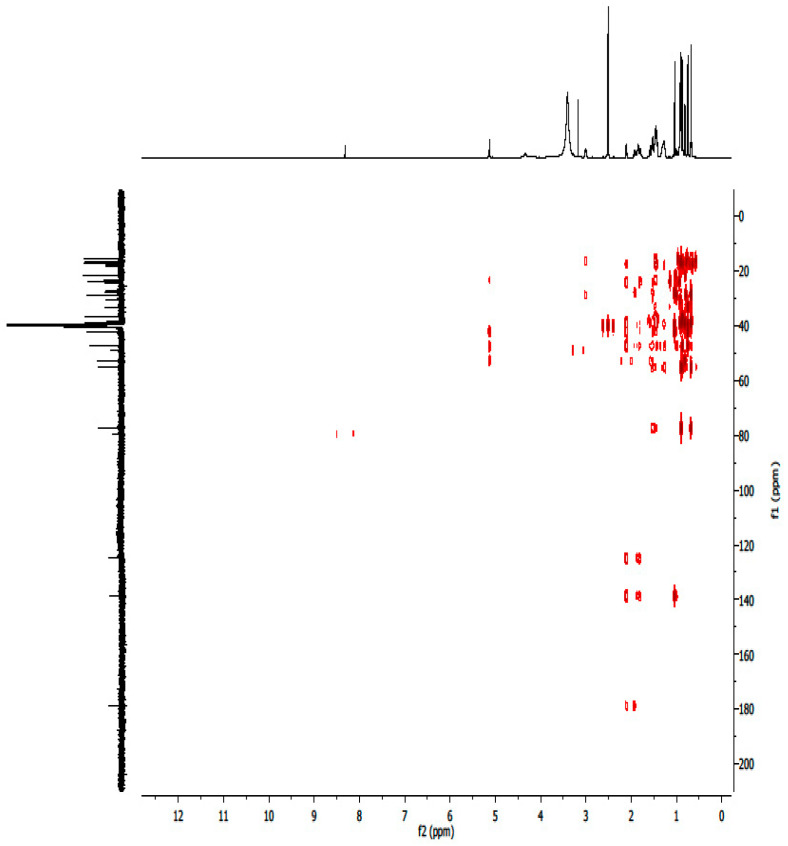 Figure 33
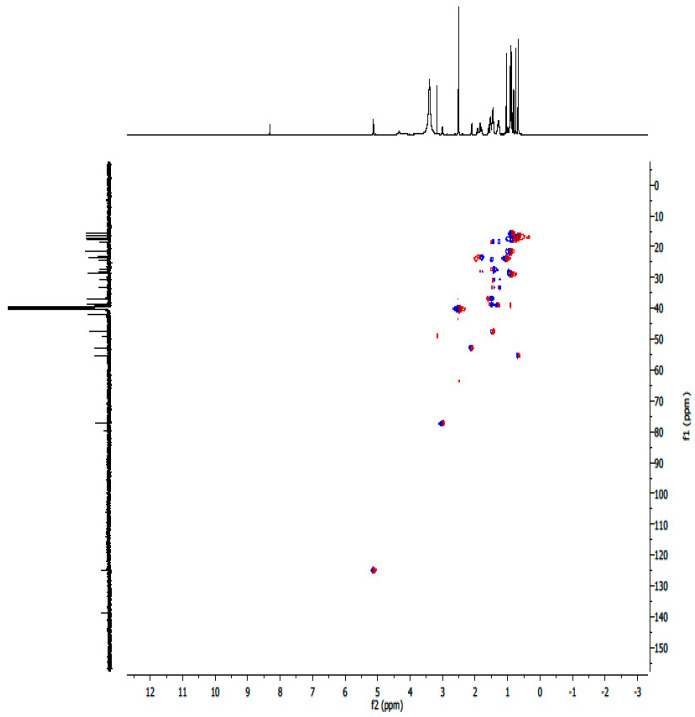 Figure 34
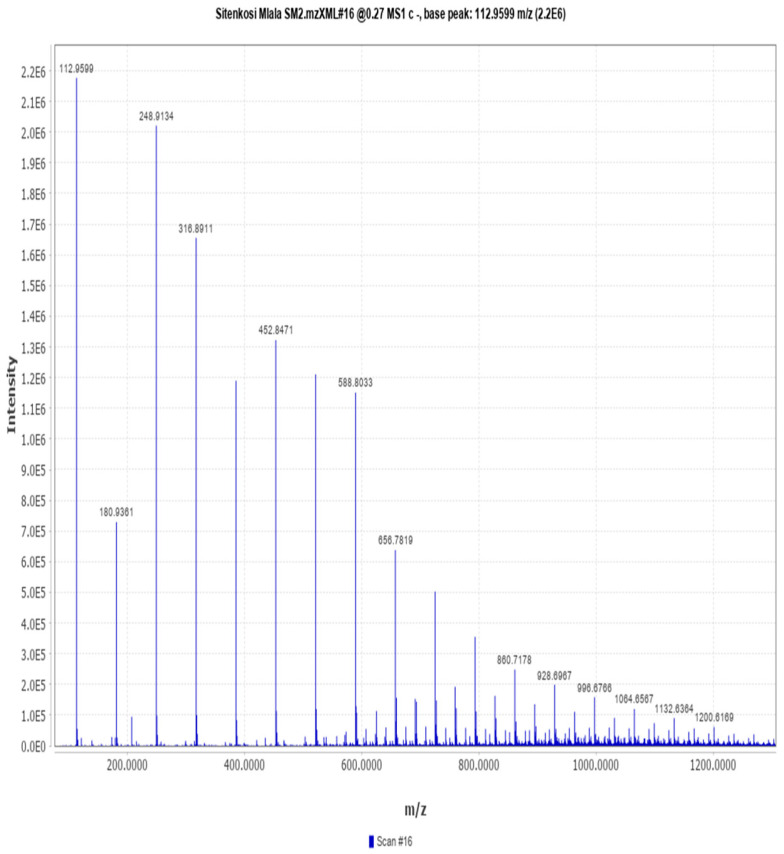 Figure 35
Peer Reviews
No public reviews on file for this paper yet. If you reviewed it on a platform where reviews are public (OpenReview, ICLR, NeurIPS, ICML), you can paste yours below so the community can read it here.
Videos
No videos yet. Explain this paper in a talk, walkthrough, or lecture? Add one.
Taxonomy
TopicsNatural product bioactivities and synthesis · Natural Antidiabetic Agents Studies · Morinda citrifolia extract uses