Epithelial-Immune Cell Crosstalk in Salivary Gland Tumors: Implications for Tumor Progression and Diagnostic Assessment
Martina Sausa, Giuseppe Vergilio, Rosario Barone, Rossana Porcasi, Prince Ofori, Fatima Azhraa Haddad, Francesca Rappa, Francesca Levi-Schaffer, Angelo Leone

TL;DR
The study investigates how immune cells and epithelial cells interact in salivary gland tumors, revealing changes in cell behavior and blood vessel patterns that could help diagnose and treat these tumors.
Contribution
The study reveals novel immune–epithelial plasticity and vascular changes in salivary gland tumors, challenging existing histogenetic models.
Findings
Pleomorphic adenomas show immune–epithelial co-localization of CK18 with MCT/CD300a, indicating plasticity.
Squamous cell carcinomas exhibit epithelial–mesenchymal transition and reduced mast cell markers.
Angiogenic profiles suggest deregulated blood vessel formation in tumor progression.
Abstract
This study explores immunophenotypic and angiogenic profiles in salivary gland tumors (SGTs), focusing on epithelial–mesenchymal dynamics and immune–stromal interactions. Immunohistochemical analysis of E-cadherin, Vimentin, mast cell tryptase (MCT), CD300a, CK18, CD31, and vascular endothelial growth factor (VEGF) was performed in normal salivary tissue, pleomorphic adenomas (PA), and squamous cell carcinomas (SCCs) to assess epithelial plasticity, mast cell (MC) involvement, and vascular remodeling. Normal glands showed compartmentalized E-cadherin (epithelial) and Vimentin (mesenchymal) expression, with stromal MCs positive for MCT and CD300a. PA exhibited reduced E-cadherin, increased Vimentin, and atypical co-localization of CK18 with MCT/CD300a in ductal cells, indicating immune–epithelial plasticity. SCC displayed epithelial–mesenchymal transition (EMT), architectural disruption,…
Genes, proteins, chemicals, diseases, species, mutations and cell lines named across the full text — each resolved to its canonical identifier and authoritative record.
Click any figure to enlarge with its caption.
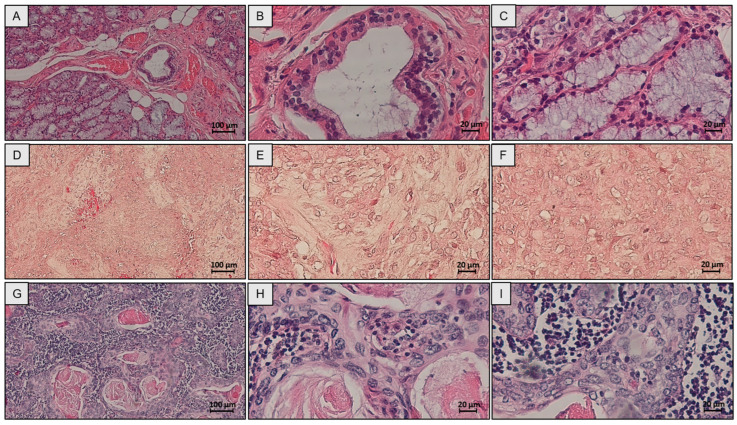 Figure 1
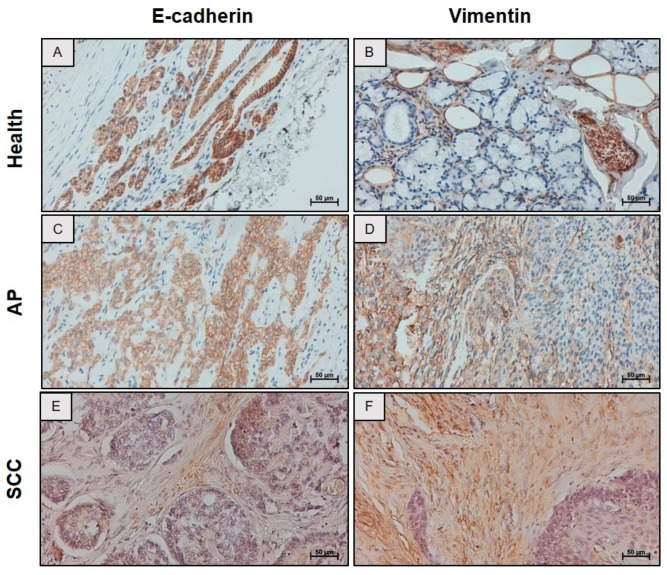 Figure 2
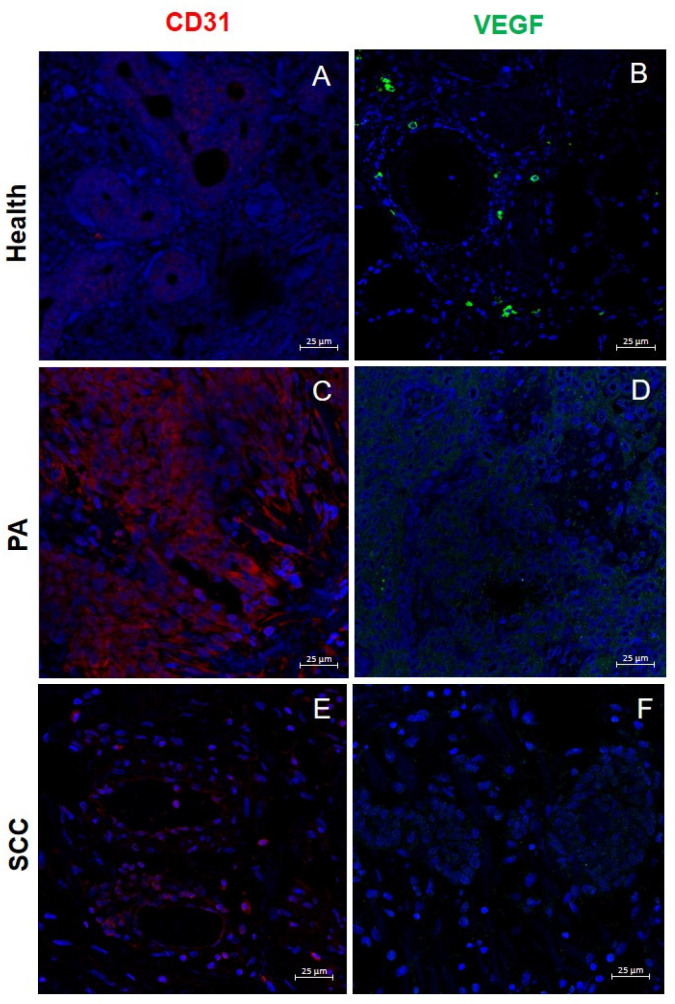 Figure 3
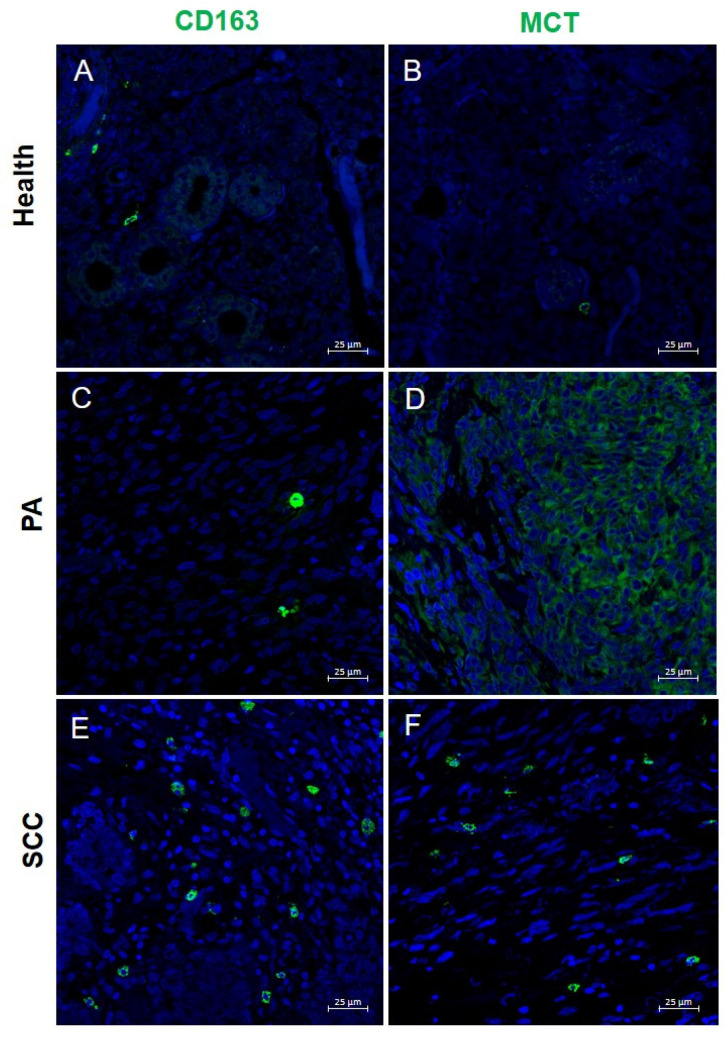 Figure 4
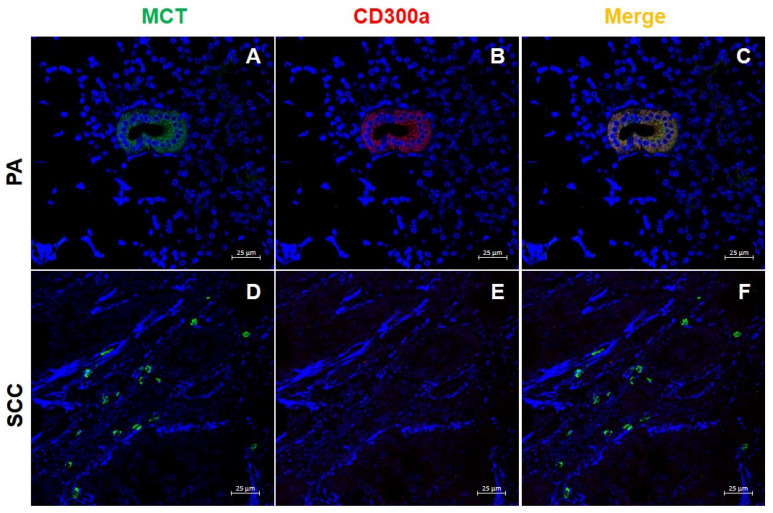 Figure 5
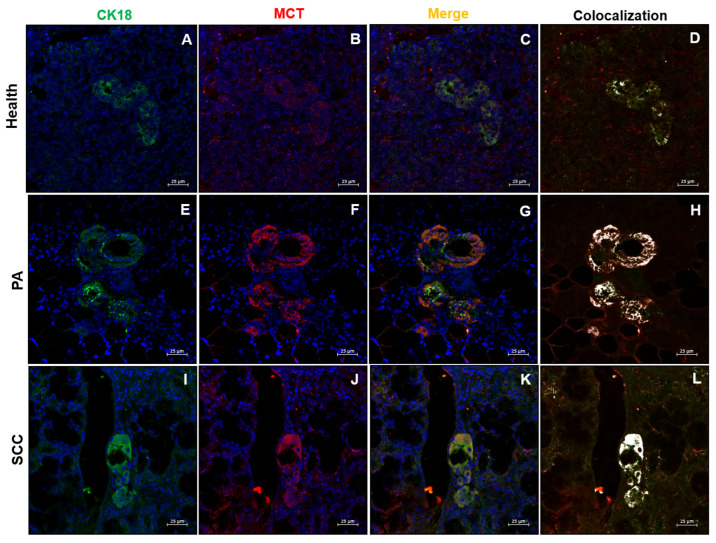 Figure 6
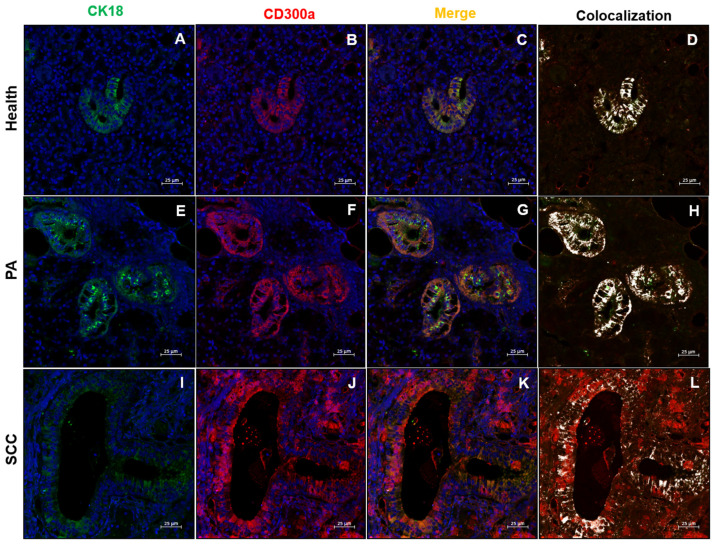 Figure 7
Peer Reviews
No public reviews on file for this paper yet. If you reviewed it on a platform where reviews are public (OpenReview, ICLR, NeurIPS, ICML), you can paste yours below so the community can read it here.
Videos
No videos yet. Explain this paper in a talk, walkthrough, or lecture? Add one.
Taxonomy
TopicsSalivary Gland Tumors Diagnosis and Treatment · Cell Adhesion Molecules Research · Neuroblastoma Research and Treatments