The Role of Appearance in Peer Interactions for Early Adolescent Cleft Lip and Palate Patients Post-Repair
Junior Tu, Amber Paige McCranie, Muhammad Daiem, Wei-Lung Lin, Pin-Ru Chen, Shih-Heng Chen, Ting-Chen Lu, Pang-Yun Chou, Lun-Jou Lo, Lukas Prantl, Daniel Lonic

TL;DR
The study found that appearance alone does not significantly affect social interactions for early adolescents in Taiwan who have undergone cleft lip and palate surgery.
Contribution
The study introduces new insights into how appearance influences social interactions among early adolescents with repaired cleft lip and palate in a specific cultural context.
Findings
Both non-cleft and cleft participants could distinguish facial differences in 3D images of children with and without CLP.
Non-cleft participants rated non-cleft images more positively for appearance, but no significant difference was found in social interaction ratings between the two groups.
Over half of all responses regarding social interaction were neutral, suggesting appearance alone does not strongly affect social dynamics.
Abstract
What are the main findings? Both non-cleft and cleft participants could distinguish facial differences in 3D images of children with and without cleft lip and palate (CLP).While non-cleft participants rated non-cleft images more positively for appearance, no significant difference was found in social interaction ratings between the two groups. What are the main findings? Both non-cleft and cleft participants could distinguish facial differences in 3D images of children with and without cleft lip and palate (CLP). While non-cleft participants rated non-cleft images more positively for appearance, no significant difference was found in social interaction ratings between the two groups. What are the implications of the main findings? This study suggests that for early adolescents in Taiwan, appearance alone may not be a major factor affecting social interactions for children who have…
Genes, proteins, chemicals, diseases, species, mutations and cell lines named across the full text — each resolved to its canonical identifier and authoritative record.
Click any figure to enlarge with its caption.
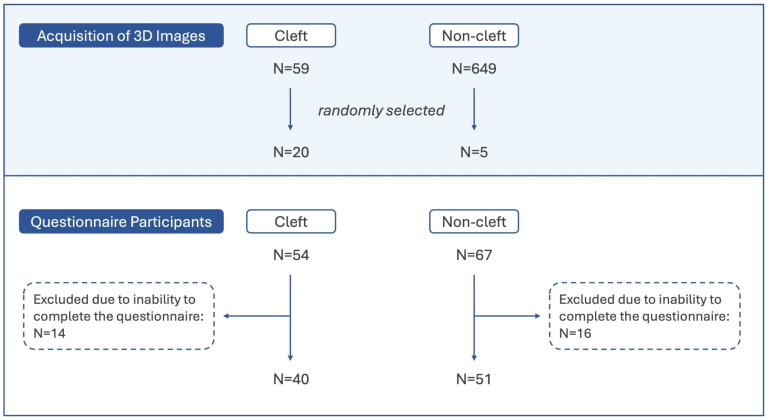 Figure 1
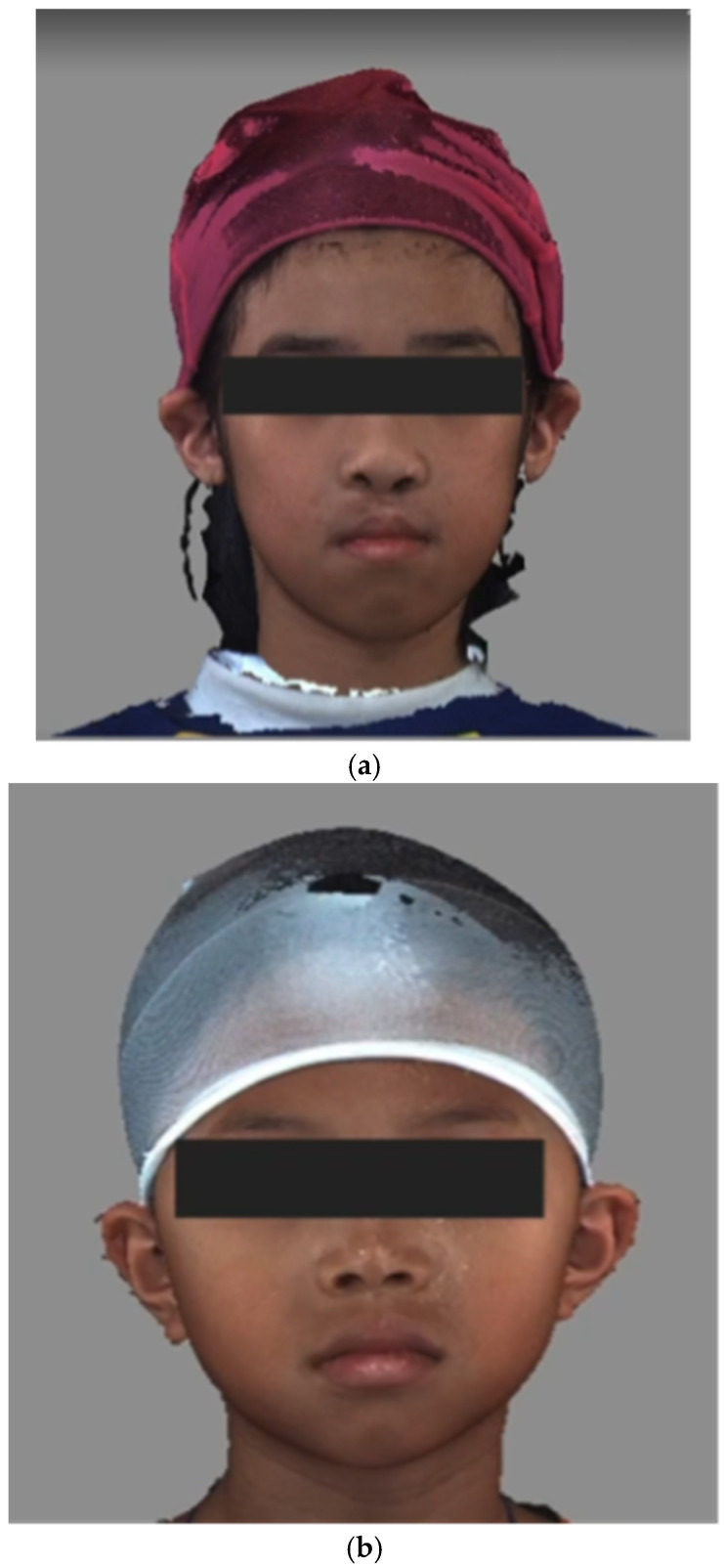 Figure 2
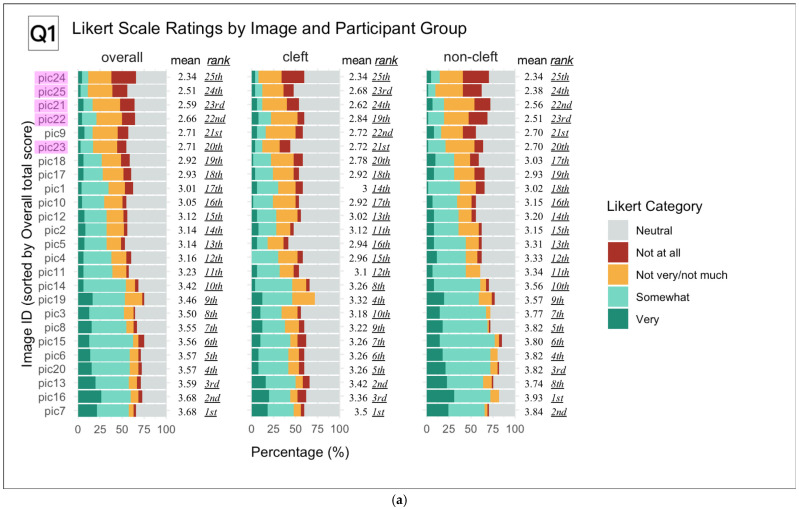 Figure 3
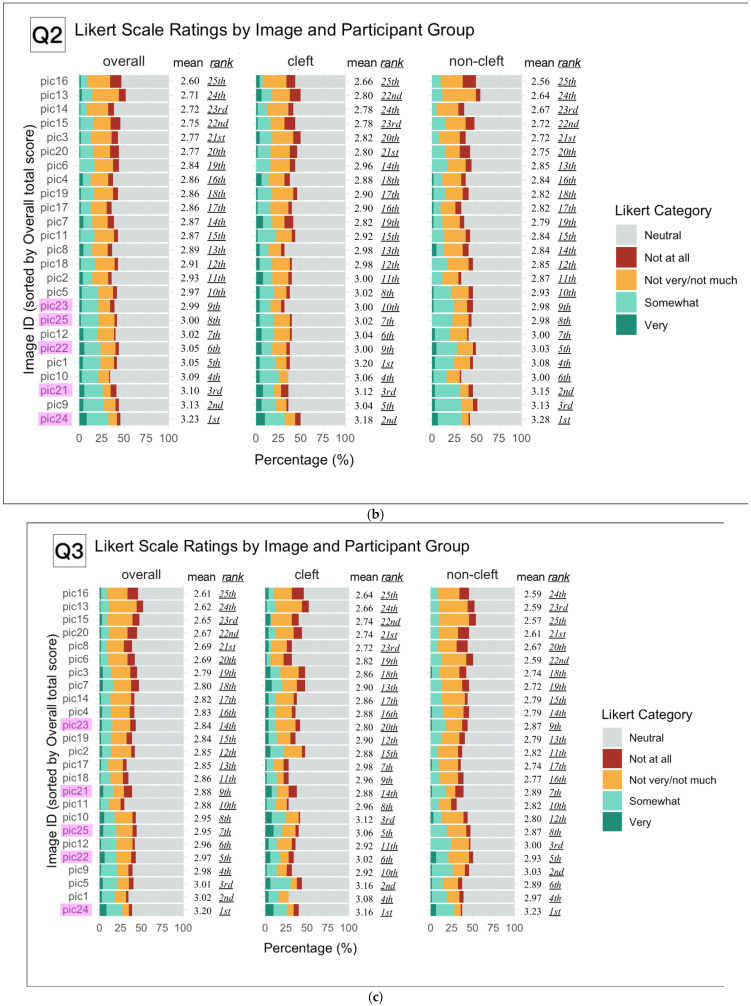 Figure 4
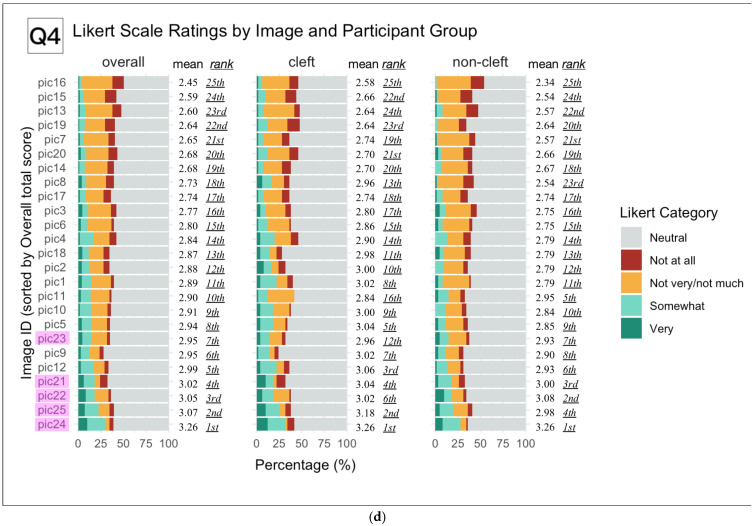 Figure 5
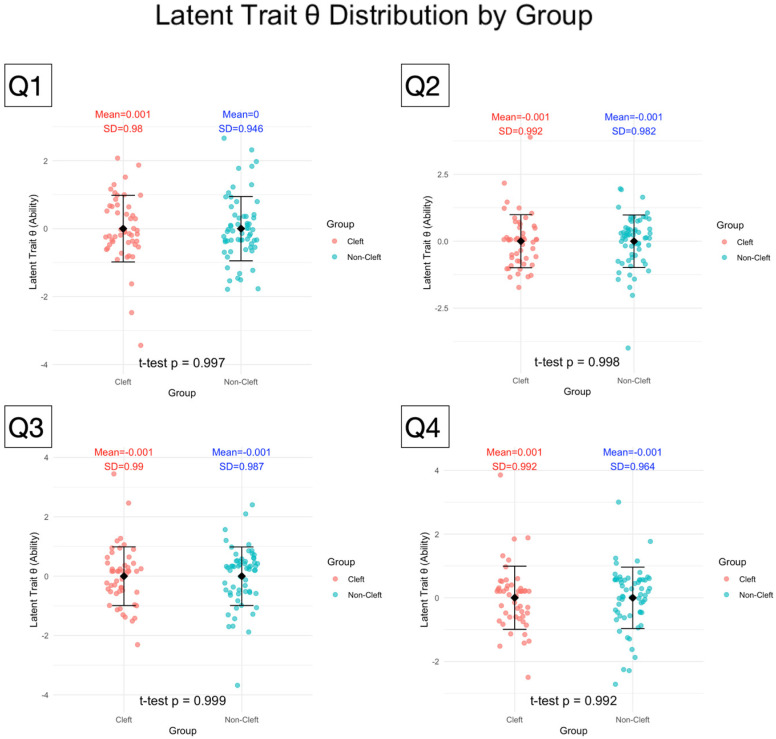 Figure 6
Peer Reviews
No public reviews on file for this paper yet. If you reviewed it on a platform where reviews are public (OpenReview, ICLR, NeurIPS, ICML), you can paste yours below so the community can read it here.
Videos
No videos yet. Explain this paper in a talk, walkthrough, or lecture? Add one.
Taxonomy
TopicsCleft Lip and Palate Research · Female Genital Mutilation/Cutting Issues · Craniofacial Disorders and Treatments