Chest X-Ray as a Screening Tool for Aortic Arch Dilation: CT-Based Evaluation of Reliability
Maciej Lis, Robert Banyś, Bernard Solewski, Aleksandra Stanek, Maciej Krupiński, Barbara Obuchowicz, Tomasz Puto, Adam Piórkowski, Krzysztof Batko

TL;DR
This study shows that chest X-rays can reliably help rule out aortic arch dilation when combined with age and sex, potentially reducing the need for more expensive imaging.
Contribution
The study introduces a regression model using CXR measurements, age, and sex to detect aortic dilation with high sensitivity.
Findings
Horizontal aortic knob width on CXR most closely correlates with CTA measurements of aortic dilation.
A regression model achieved an AUC of 0.884 for detecting aortic dilation greater than 40 mm.
Using a conservative threshold provided 100% sensitivity and a negative predictive value of 1.00.
Abstract
Background: Chest radiography (CXR) remains the most common first-line imaging for thoracic abnormalities. While aortic knob width can reflect aortic dilation, no standardized, widely recognized thresholds of clinical utility exist. Methods: This pilot retrospective study analyzed 240 emergency department patients (median age 67 years, 61% male) who underwent both PA CXR and chest computed tomography angiography (CTA) within 7 days. Three aortic knob dimensions (horizontal, oblique, vertical) were measured on CXR and compared with CTA measurements at two anatomical levels: proximal to the brachiocephalic trunk (P-BCT) and distal to the left subclavian artery (D-LSA). Results: The horizontal aortic knob width was most closely related to CTA measurements of P-BCT and D-LSA. A regression model incorporating horizontal knob diameter, age, and sex was characterized with an AUC of 0.884 (95%…
Genes, proteins, chemicals, diseases, species, mutations and cell lines named across the full text — each resolved to its canonical identifier and authoritative record.
Click any figure to enlarge with its caption.
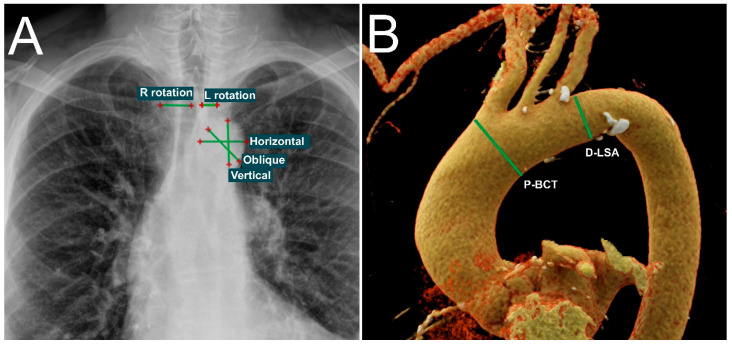 Figure 1
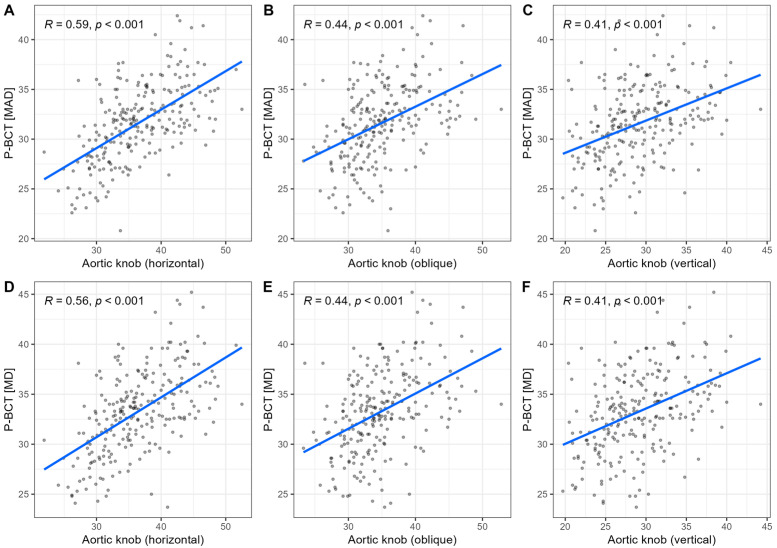 Figure 2
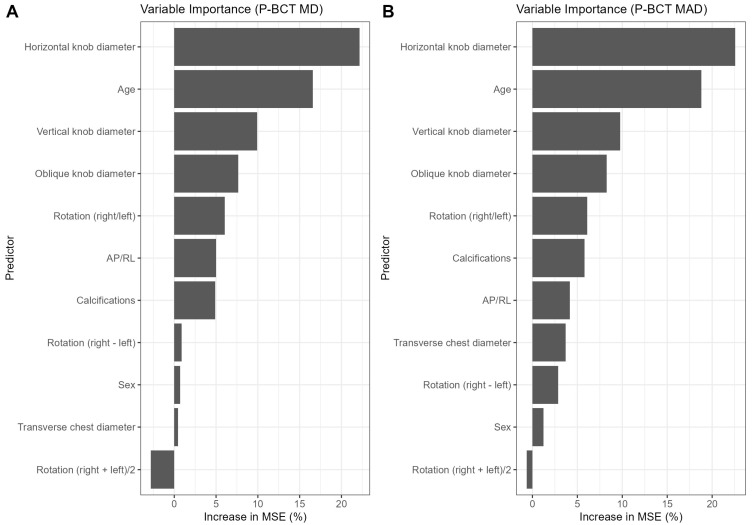 Figure 3
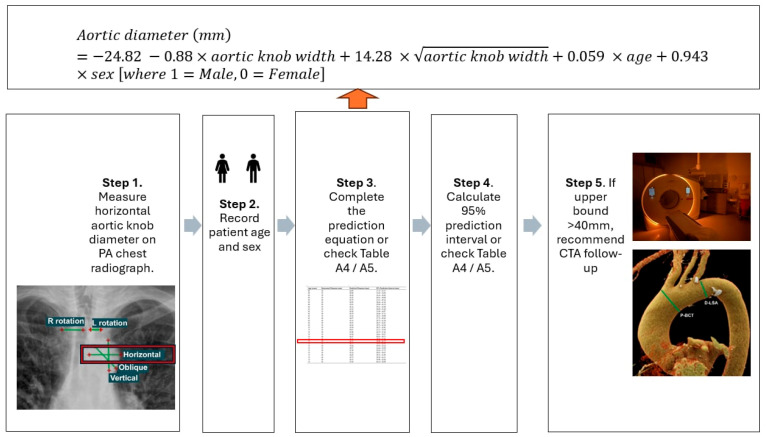 Figure 4
Peer Reviews
No public reviews on file for this paper yet. If you reviewed it on a platform where reviews are public (OpenReview, ICLR, NeurIPS, ICML), you can paste yours below so the community can read it here.
Videos
No videos yet. Explain this paper in a talk, walkthrough, or lecture? Add one.
Taxonomy
TopicsAortic Disease and Treatment Approaches · Cardiac Valve Diseases and Treatments · Aortic aneurysm repair treatments