Research on the Mechanism and Characteristics of Gel–Microbial Composite Oil Displacement in Hypertonic Heavy Oil Reservoirs
Baolei Liu, Xiang Li, Hongbo Wang, Xiang Liu

TL;DR
A new gel-microbial system is developed to improve oil recovery in heavy oil reservoirs by combining plugging and microbial oil displacement methods.
Contribution
A novel composite system integrating a biocompatible gel with Bacillus licheniformis and surfactant is introduced for enhanced oil recovery.
Findings
The ICRG gel increases displacement pressure fourfold by plugging high-permeability zones.
ZY-1 strain reduces oil-water interfacial tension by 61.9% and crude oil viscosity by 65%.
The composite system achieves 15% and 20% oil recovery in one- and two-dimensional models, respectively.
Abstract
To address the limitations of traditional chemical flooding—such as high cost, environmental impact, and formation damage—and the challenges of standalone microbial flooding—including preferential channeling, microbial loss, and limited sweep efficiency—this study develops a novel composite system for a high-permeability heavy oil reservoir. The system integrates a 3% scleroglucan + 1% phenolic resin gel (ICRG) with Bacillus licheniformis (ZY-1) and a surfactant. Core flooding and two-dimensional physical simulation experiments reveal a synergistic mechanism: The robust and biocompatible ICRG gel effectively plugs dominant flow paths, increasing displacement pressure fourfold to divert subsequent fluids. The injected strain ZY-1 then metabolizes hydrocarbons, producing biosurfactants that reduce oil–water interfacial tension by 61.9% and crude oil viscosity by 65%, thereby enhancing oil…
Genes, proteins, chemicals, diseases, species, mutations and cell lines named across the full text — each resolved to its canonical identifier and authoritative record.
Click any figure to enlarge with its caption.
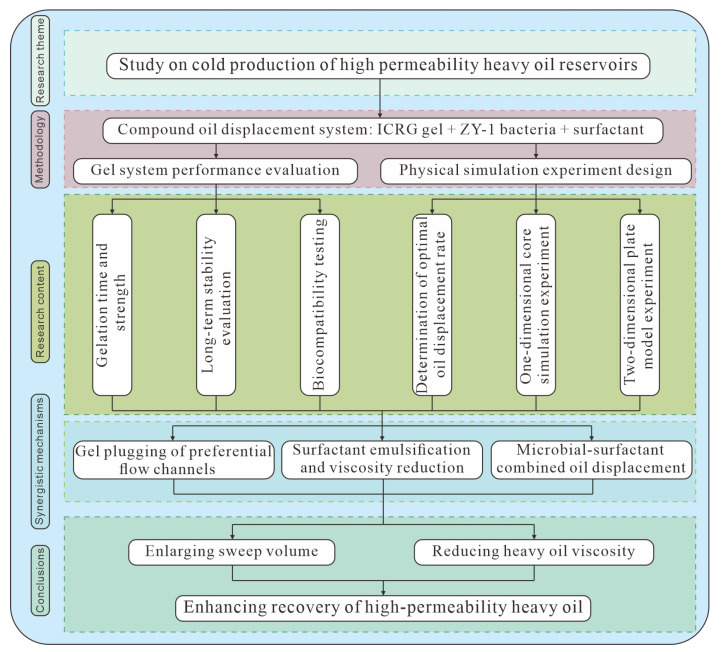 Figure 1
 Figure 2
 Figure 3
 Figure 4
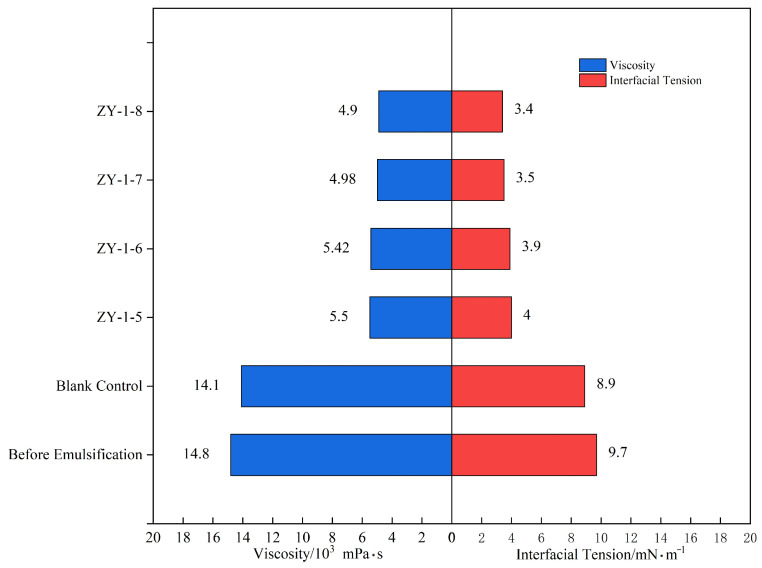 Figure 5
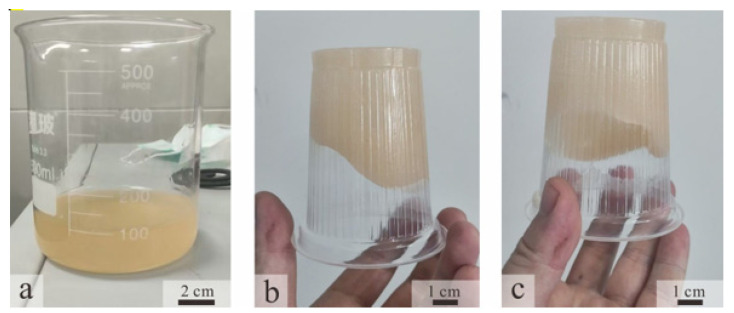 Figure 6
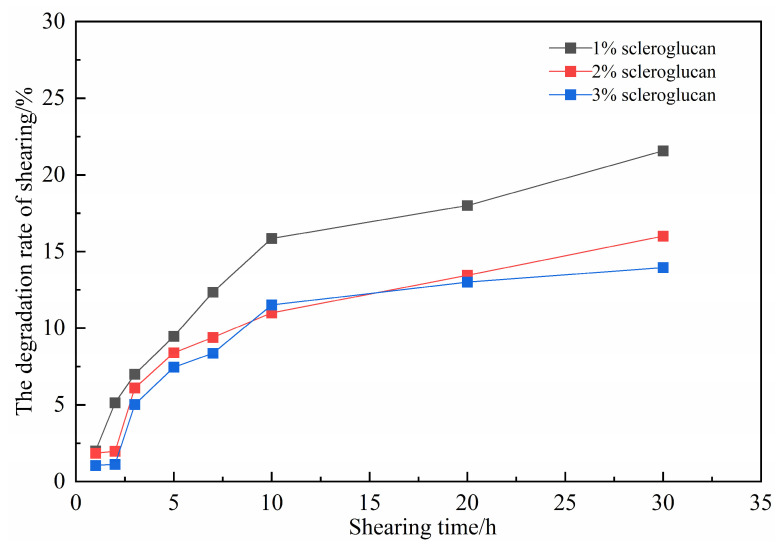 Figure 7
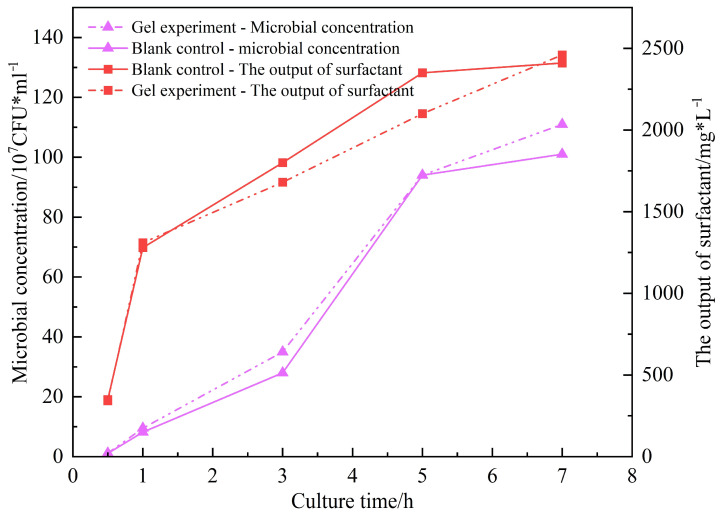 Figure 8
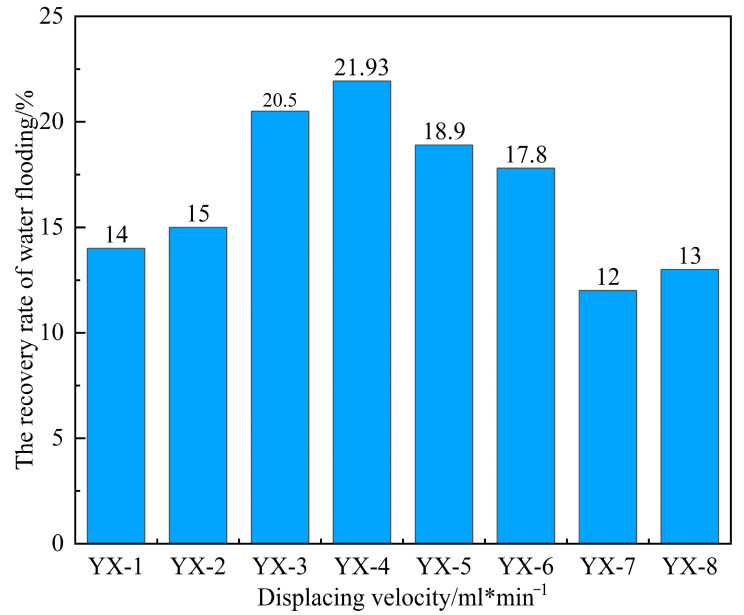 Figure 9
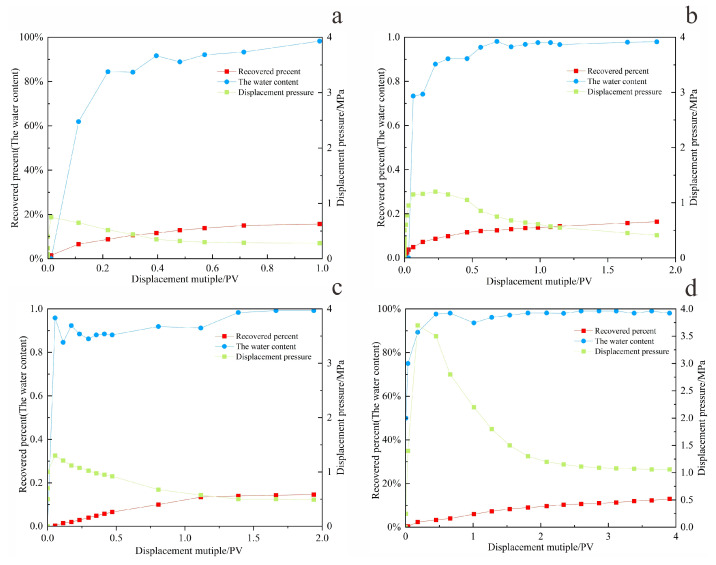 Figure 10
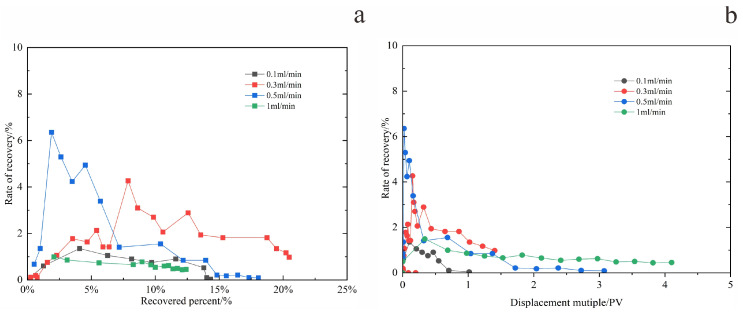 Figure 11
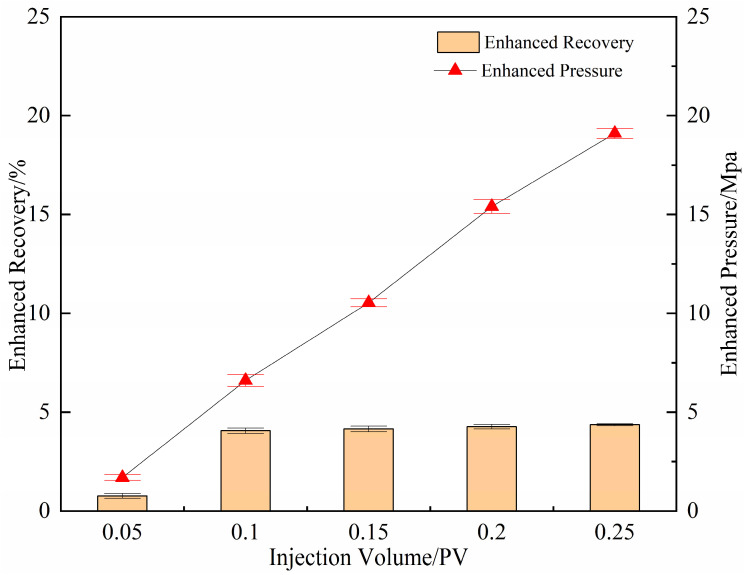 Figure 12
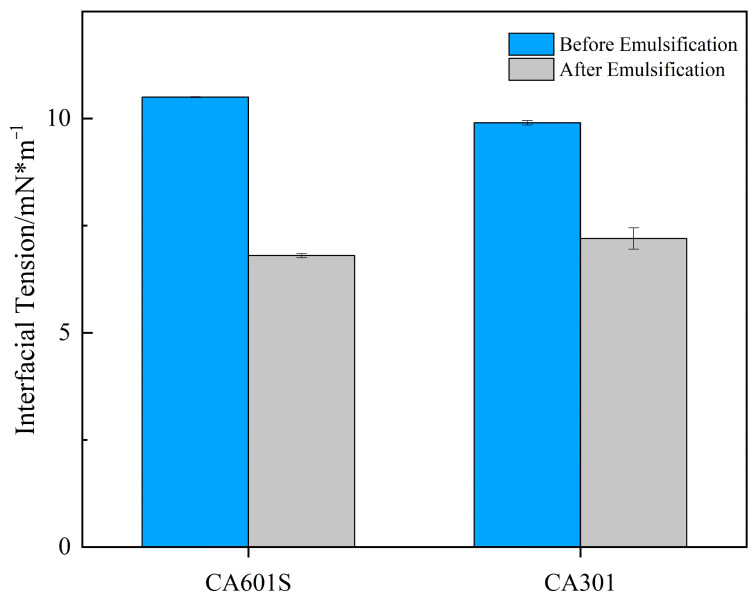 Figure 13
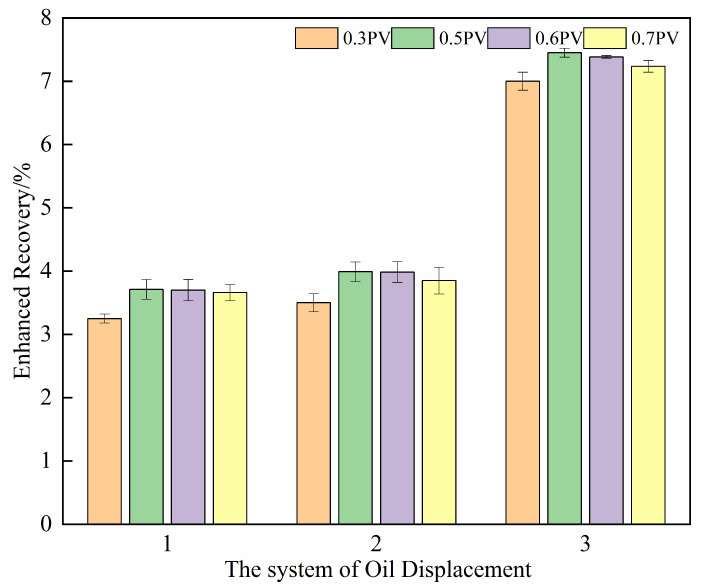 Figure 14
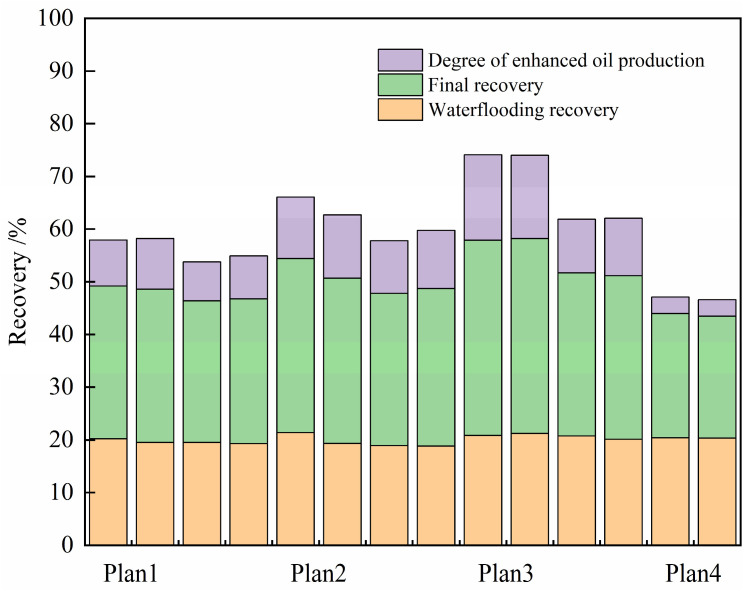 Figure 15
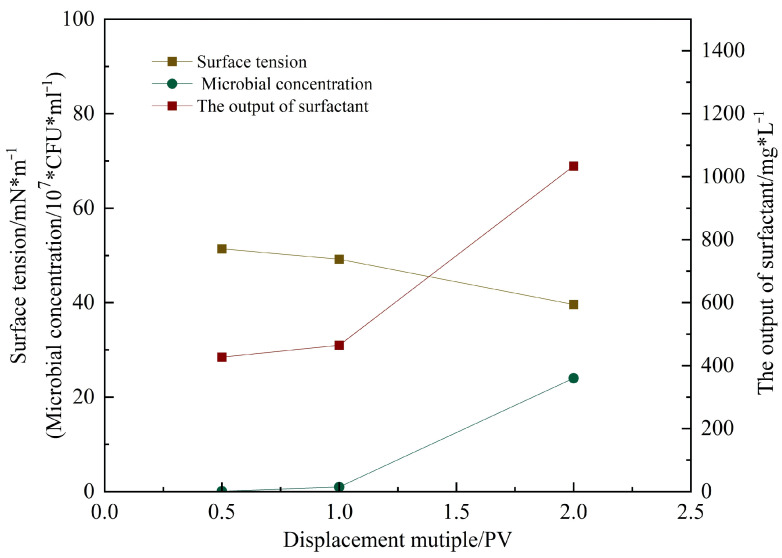 Figure 16
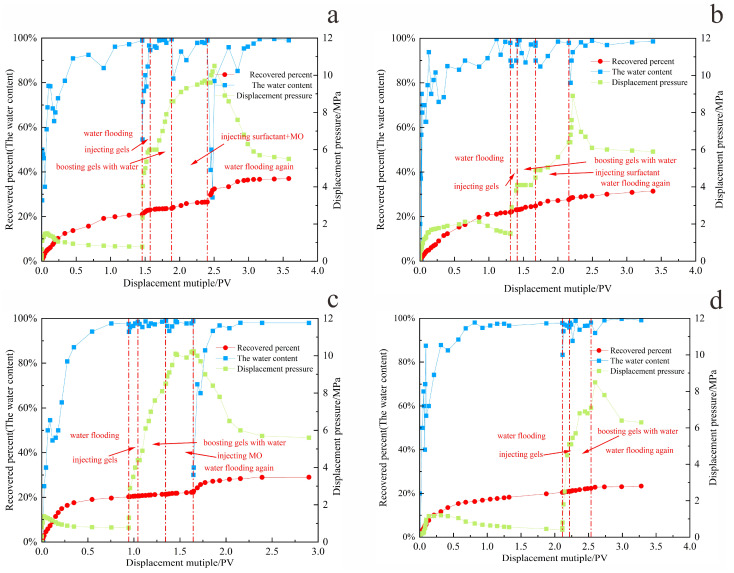 Figure 17
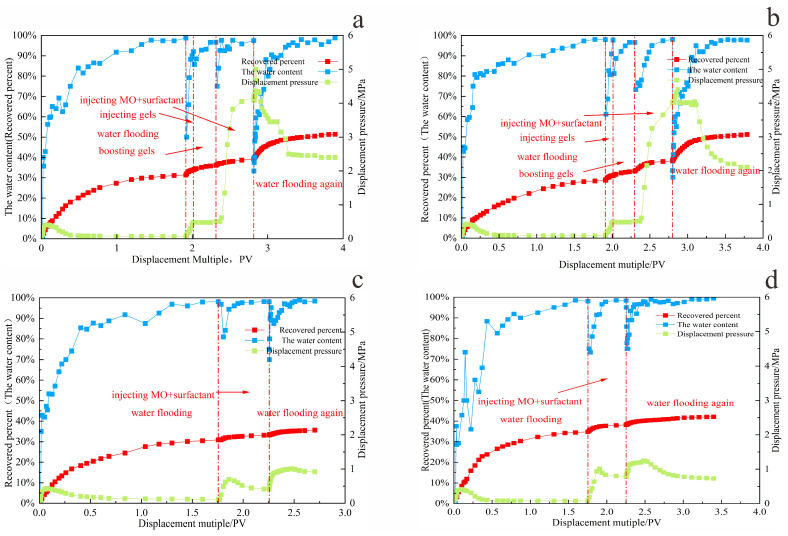 Figure 18
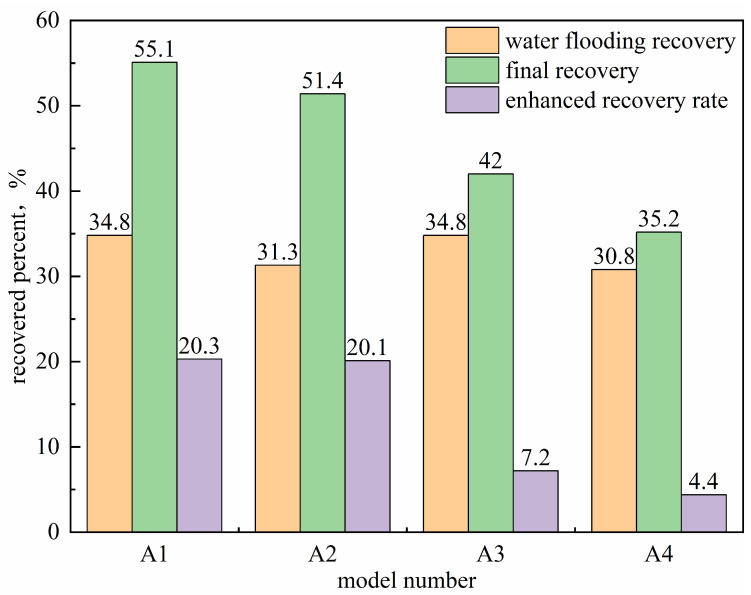 Figure 19
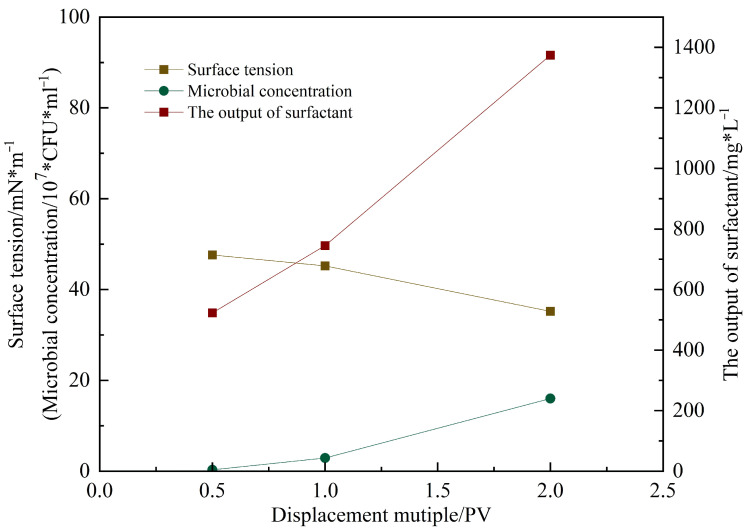 Figure 20
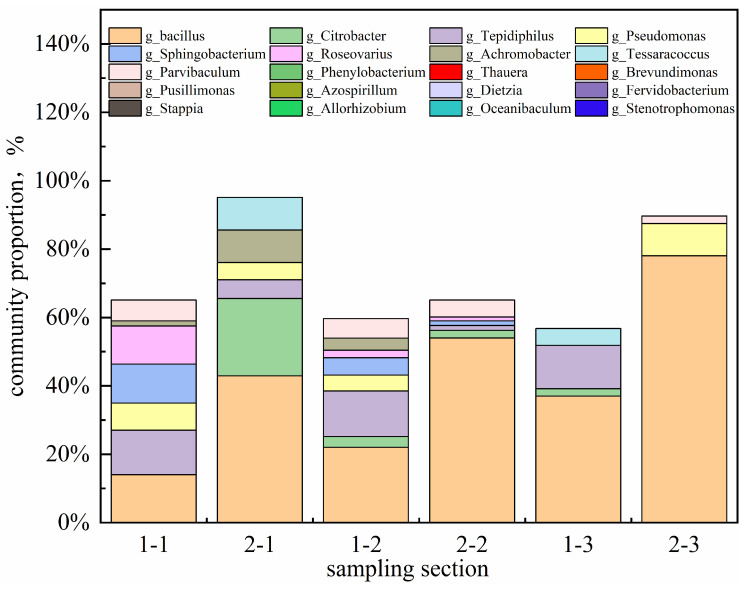 Figure 21
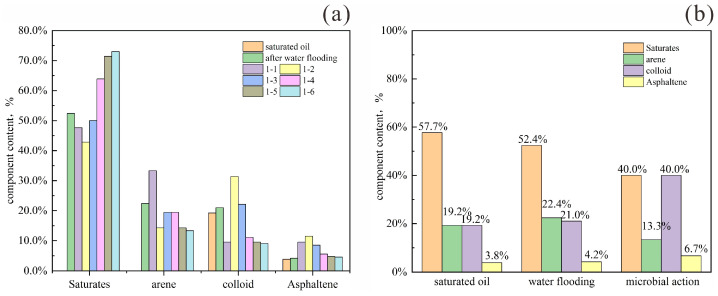 Figure 22
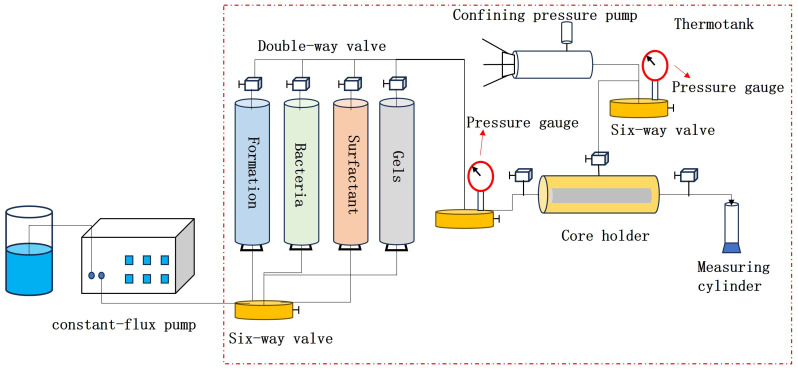 Figure 23
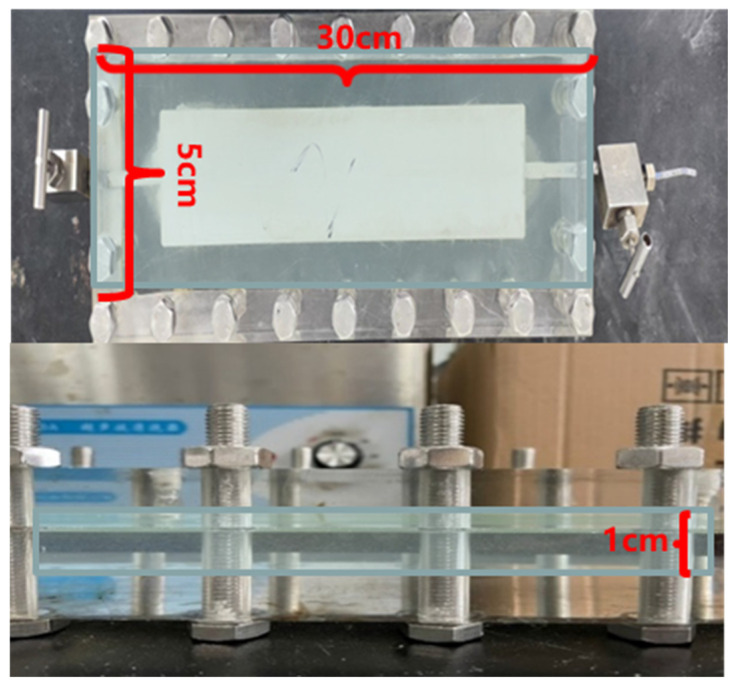 Figure 24
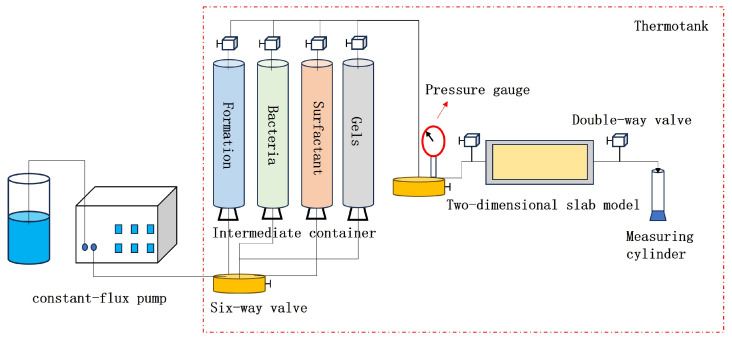 Figure 25
Peer Reviews
No public reviews on file for this paper yet. If you reviewed it on a platform where reviews are public (OpenReview, ICLR, NeurIPS, ICML), you can paste yours below so the community can read it here.
Videos
No videos yet. Explain this paper in a talk, walkthrough, or lecture? Add one.
Taxonomy
TopicsEnhanced Oil Recovery Techniques · Hydrocarbon exploration and reservoir analysis · Petroleum Processing and Analysis