Physicochemical and Functional Characterization of Pearl Millet-Based Probiotic Beverage for Antiaging Potential in Caenorhabditis elegans
Nova Henna Jemimah Kaila, Prakash M. Halami, Chethana Ramakrishna, Mamatha Singanahalli Shivaramu, Muthukumar Serva Peddha

TL;DR
This study shows that a probiotic beverage made from fermented pearl millet can improve health and extend lifespan in a worm model by reducing oxidative stress and aging effects.
Contribution
The novel contribution is the development and characterization of a probiotic pearl millet beverage with demonstrated anti-aging effects in Caenorhabditis elegans.
Findings
Fermented pearl millet beverages increased protein and vitamin content while decreasing carbohydrates and fiber.
The probiotic beverage significantly improved health-span and extended median lifespan in C. elegans by reducing oxidative stress and lipofuscin accumulation.
Gompertz mortality modeling showed a reduced aging rate parameter in treated worms, indicating systemic mitigation of stress-induced decline.
Abstract
Probiotics like Lactobacillus sp. are extensively studied for their beneficial host interactions, including the gut–brain axis, anti-inflammatory effects, immune system interactions, restoration of gut dysbiosis, and anti-aging effects. In the current study, pearl millet was fermented with Lactobacillus plantarum strains DHCU 70 and MCC 5231, which enhanced the nutritional, bioactive, and functional properties of derived probiotic beverages. Compared to unfermented controls, fermented beverages exhibited increased protein content and vitamins B1, B2, and B3, with decreased carbohydrate and dietary fiber levels. The probiotics have maintained viability exceeding 12 log CFU/mL and showed resistance to harsh gastrointestinal conditions. Fermentation increased total phenolic content from 13.38 ± 0.40 mg GAE/100 g to 42.10 ± 2.65 mg GAE/100 g (LPDB) and 47.76 ± 1.37 mg GAE/100 g (LPMB) and…
Genes, proteins, chemicals, diseases, species, mutations and cell lines named across the full text — each resolved to its canonical identifier and authoritative record.
Click any figure to enlarge with its caption.
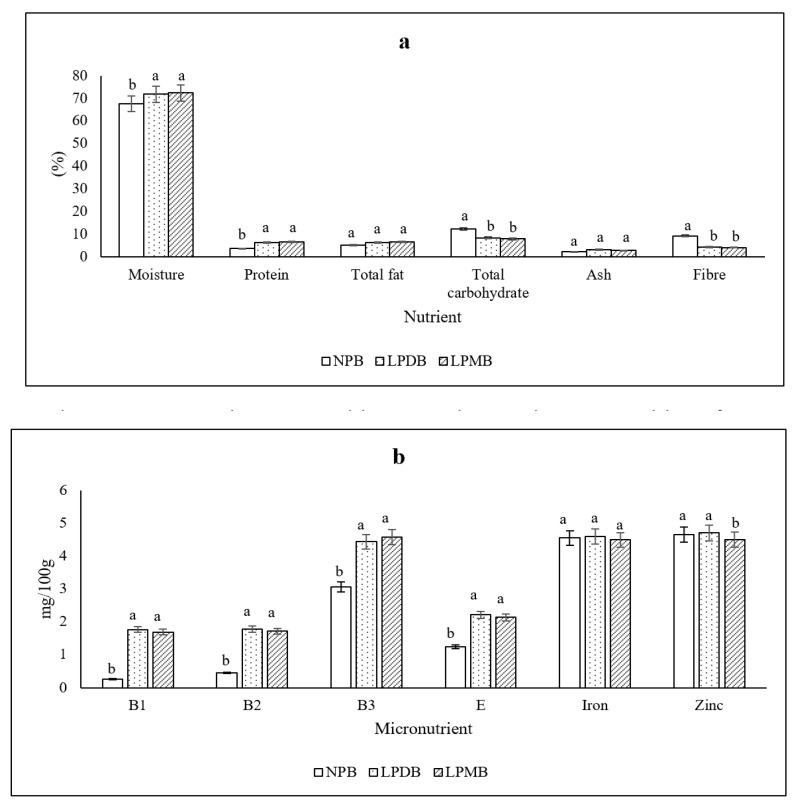 Figure 1
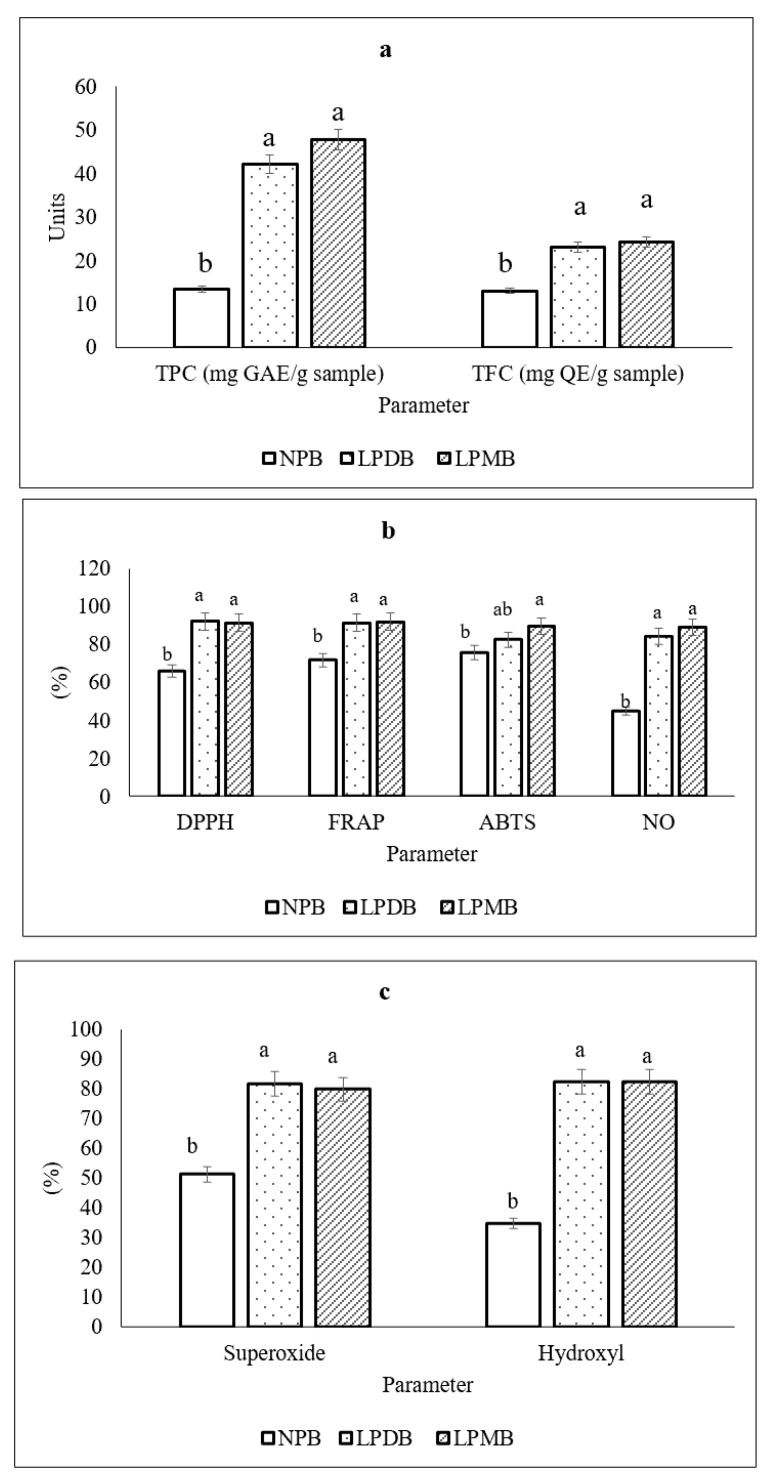 Figure 2
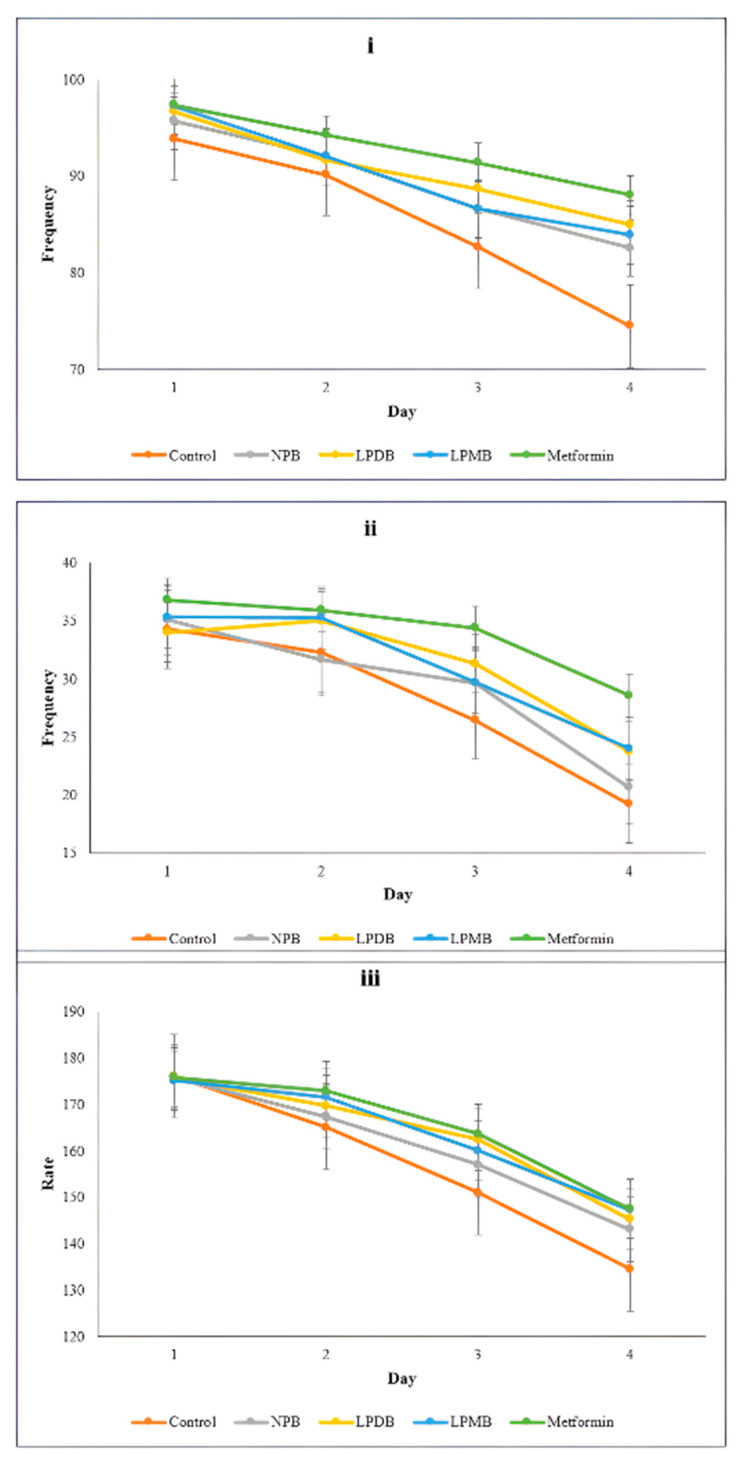 Figure 3
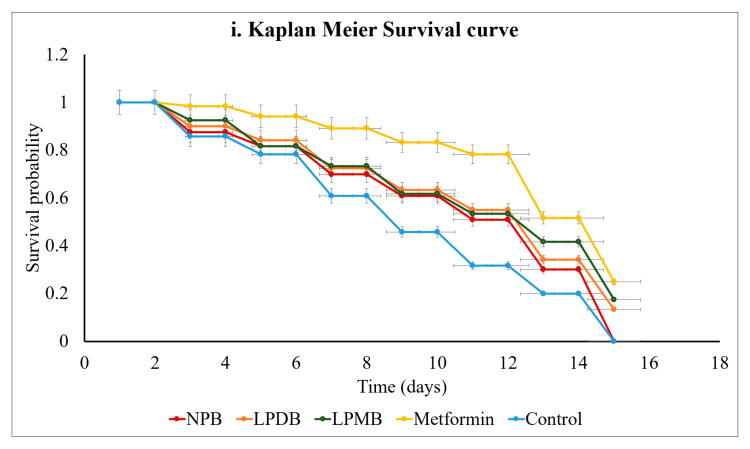 Figure 4
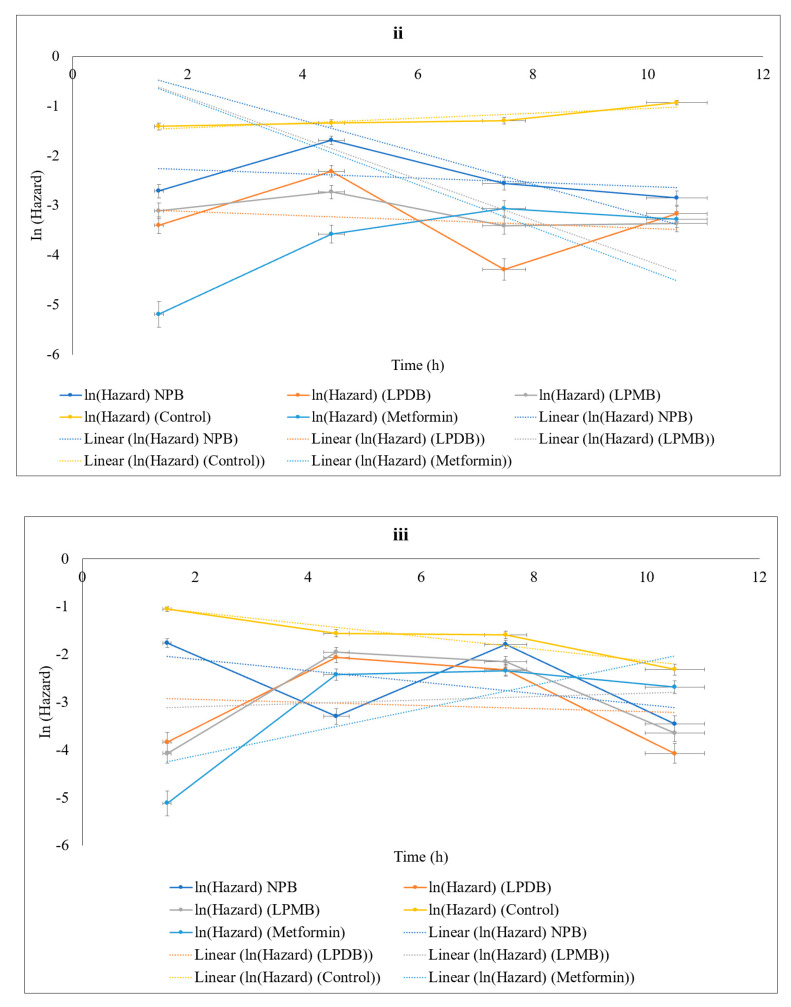 Figure 5
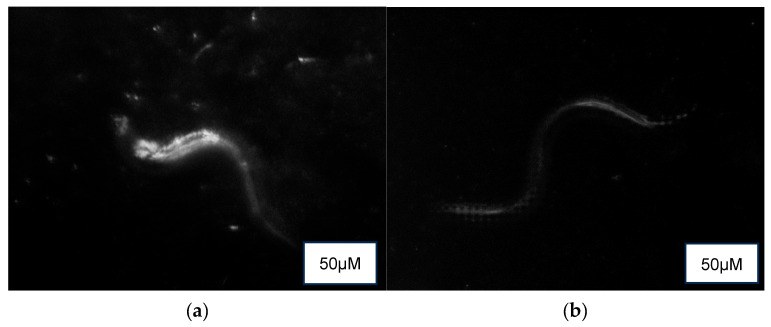 Figure 6
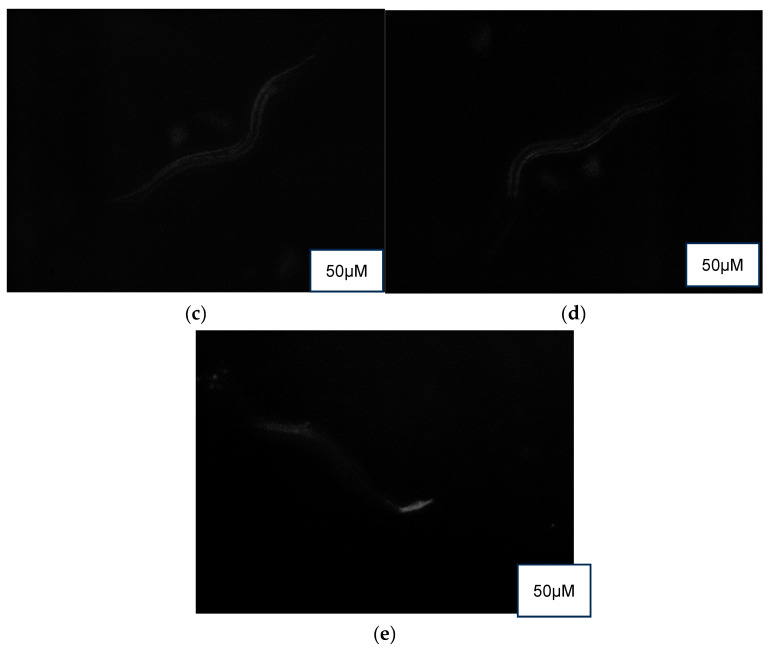 Figure 7
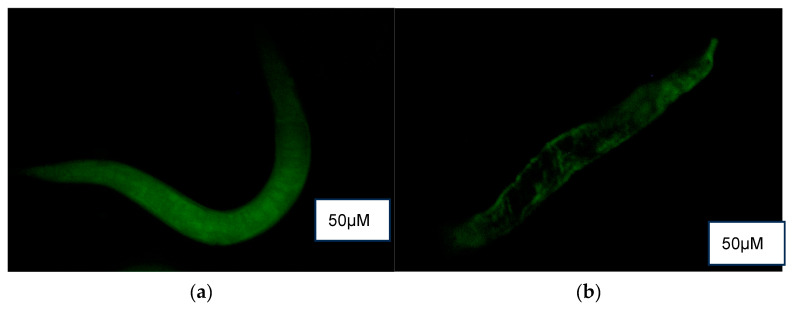 Figure 8
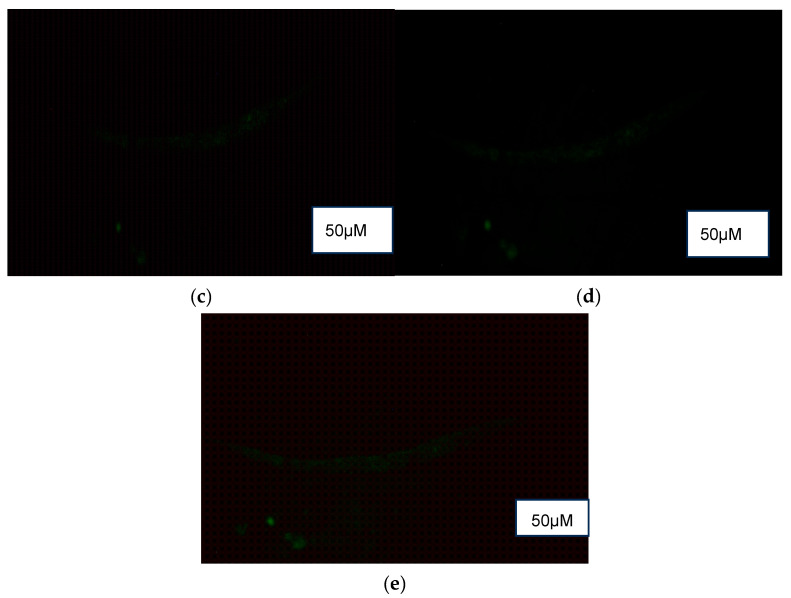 Figure 9
Peer Reviews
No public reviews on file for this paper yet. If you reviewed it on a platform where reviews are public (OpenReview, ICLR, NeurIPS, ICML), you can paste yours below so the community can read it here.
Videos
No videos yet. Explain this paper in a talk, walkthrough, or lecture? Add one.
Taxonomy
TopicsSeed and Plant Biochemistry · Moringa oleifera research and applications · GABA and Rice Research