Double-Layered Microphysiological System Made of Polyethylene Terephthalate with Trans-Epithelial Electrical Resistance Measurement Function for Uniform Detection Sensitivity
Naokata Kutsuzawa, Hiroko Nakamura, Laner Chen, Ryota Fujioka, Shuntaro Mori, Noriyuki Nakatani, Takahiro Yoshioka, Hiroshi Kimura

TL;DR
This paper introduces a new microphysiological system chip that improves drug testing by enabling accurate and reliable TEER measurements with uniform sensitivity.
Contribution
A novel double-layered microphysiological system with uniform current density and reduced drug absorption for reliable TEER measurements.
Findings
TEER levels peaked on day 5 with monolayer formation and decreased with villi-like structures.
Capacitance increased, indicating microvilli formation in the Caco-2 intestinal model.
Staurosporine exposure caused a dose-dependent TEER reduction, validated by immunostaining.
Abstract
Microphysiological systems (MPSs) have emerged as alternatives to animal testing in drug development, following the FDA Modernization Act 2.0. Double-layer channel-type MPS chips with porous membranes are widely used for modeling various organs, including the intestines, blood–brain barrier, renal tubules, and lungs. However, these chips faced challenges owing to optical interference caused by light scattering from the porous membrane, which hinders cell observation. Trans-epithelial electrical resistance (TEER) measurement offers a non-invasive method for assessing barrier integrity in these chips. However, existing electrode-integrated MPS chips for TEER measurement have non-uniform current densities, leading to compromised measurement accuracy. Additionally, chips made from polydimethylsiloxane have been associated with drug absorption issues. This study developed an…
Genes, proteins, chemicals, diseases, species, mutations and cell lines named across the full text — each resolved to its canonical identifier and authoritative record.
Click any figure to enlarge with its caption.
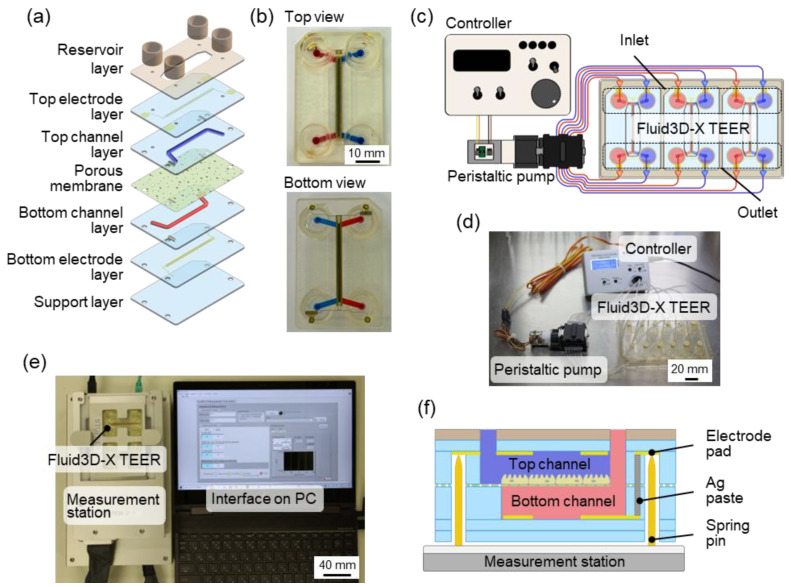 Figure 1
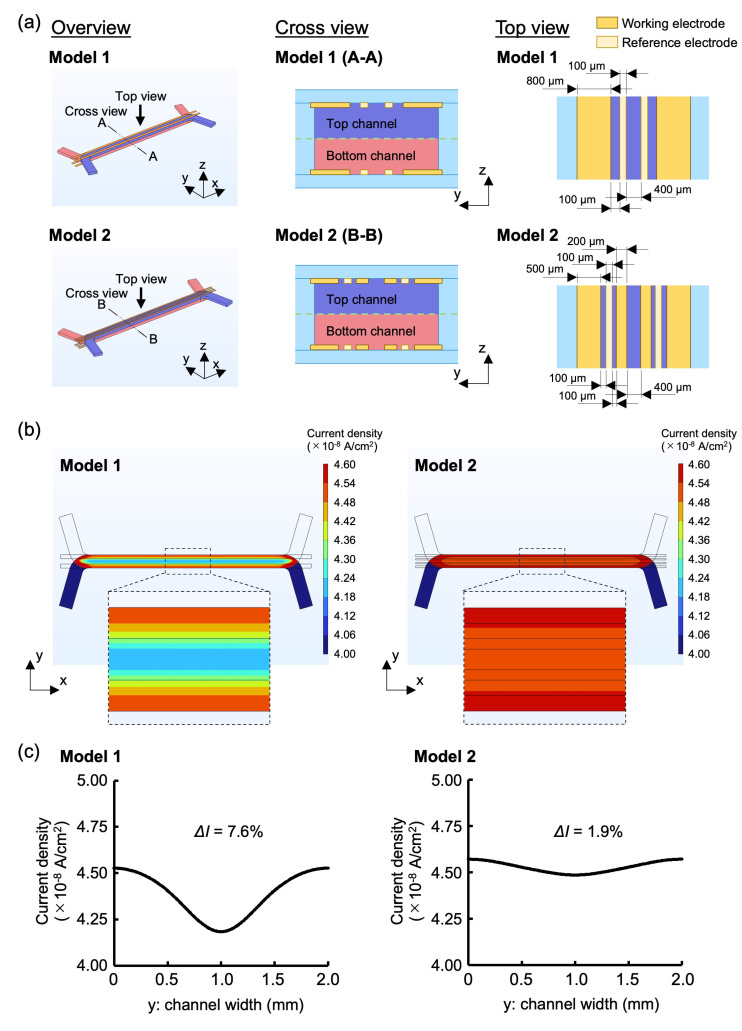 Figure 2
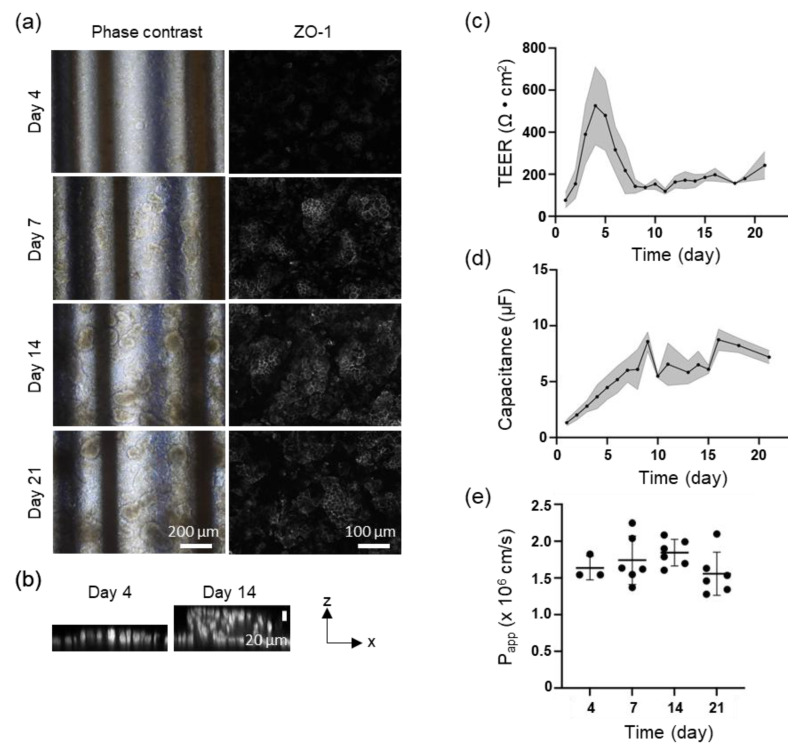 Figure 3
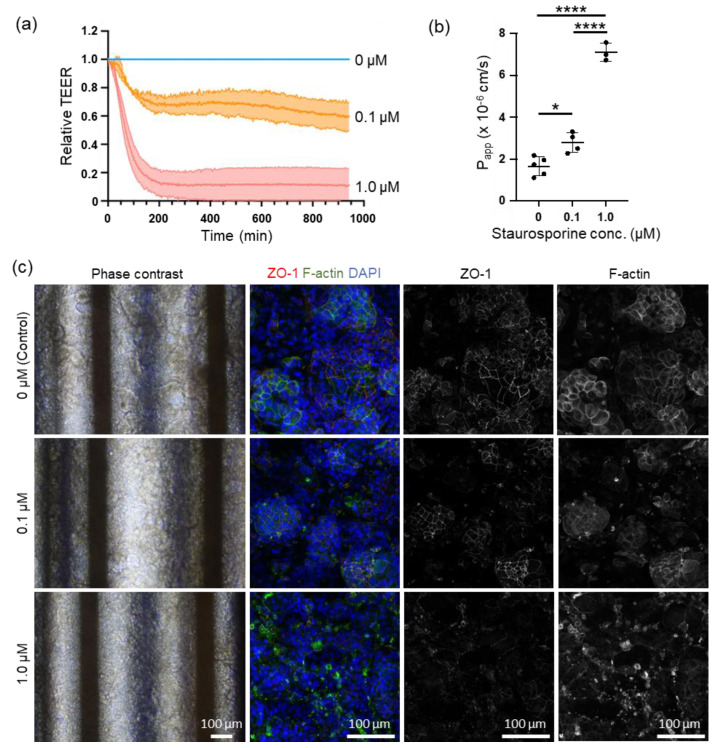 Figure 4
Peer Reviews
No public reviews on file for this paper yet. If you reviewed it on a platform where reviews are public (OpenReview, ICLR, NeurIPS, ICML), you can paste yours below so the community can read it here.
Videos
No videos yet. Explain this paper in a talk, walkthrough, or lecture? Add one.
Taxonomy
TopicsAdvanced Sensor and Energy Harvesting Materials · Conducting polymers and applications