Genome Characterization of Stelechocarpus burahol (Blume) Hook.f. & Thomson “Kepel” and Exploration of Phytochemicals from Water and Ethanolic Extracts of Leaves and Fruits
Onsaya Kerdto, Pimpisid Koonyosying, Narisara Paradee, Sunhawit Junrungsee, Nopphadol Chalortham, Pheravut Wongsawad, Artit Yawootti, Amorntip Wongmuangsinghanat, Somdet Srichairatanakool

TL;DR
This study explores the genome and phytochemicals of kepel, finding that PEF treatment improves extraction of beneficial compounds from its leaves.
Contribution
The first integrated report of kepel genome size and phytochemical composition, with novel insights on PEF-enhanced extraction.
Findings
Kepel has a genome size of 3873 Mbp with a nuclear DNA content of 3.96 pg per haploid genome.
PEF treatment significantly increased catechin recovery in leaf extracts, especially in water-based extractions.
GC-MS identified 19 volatile compounds in kepel fruits, contributing to their aromatic profile.
Abstract
Stelechocarpus burahol (kepel) is valued for its aromatic fruits and medicinal leaves, yet its genomic and phytochemical features remain poorly characterized. This study estimated the nuclear DNA content of kepel leaves at 3.96 pg per haploid genome (genome size: 3873 Mbp) and comprehensively profiled their bioactive metabolites. Leaf extracts prepared with water and 70% ethanol, with or without pulsed electric field (PEF) treatment, were analyzed using HPLC-MS, UHPLC-QTOF-MS, HPLC-DAD, and GC-MS. Leaf extracts showed the highest phenolic and flavonoid contents, with PEF markedly improving ethanolic extraction efficiency. A total of 72 phenolics, 2 tocopherols, 3 tocotrienols, and several novel vitamin E derivatives were detected, alongside abundant catechins, tannic acid, and gallic acid. PEF significantly enhanced catechin recovery: catechin (C) increased from 153.7 to 846.8 mg/g and…
Genes, proteins, chemicals, diseases, species, mutations and cell lines named across the full text — each resolved to its canonical identifier and authoritative record.
Click any figure to enlarge with its caption.
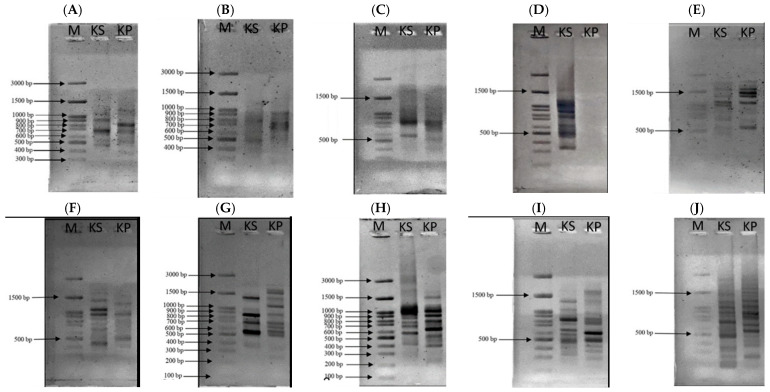 Figure 1
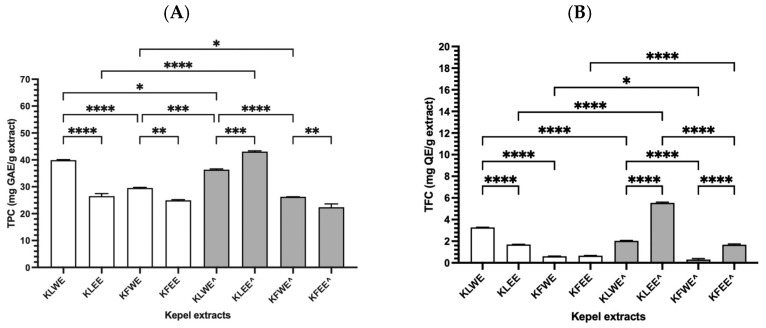 Figure 2
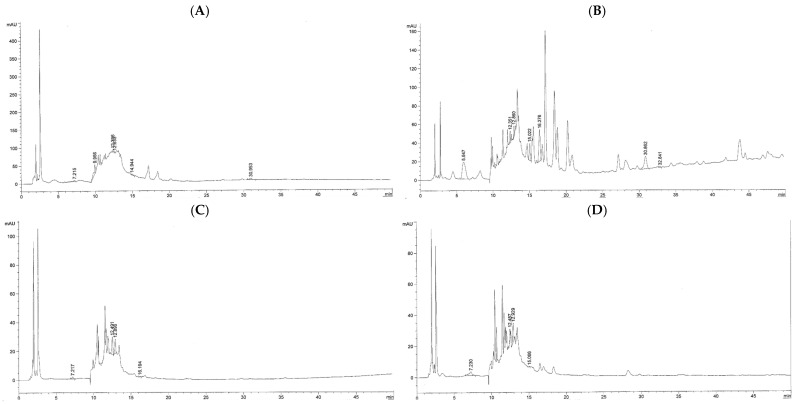 Figure 3
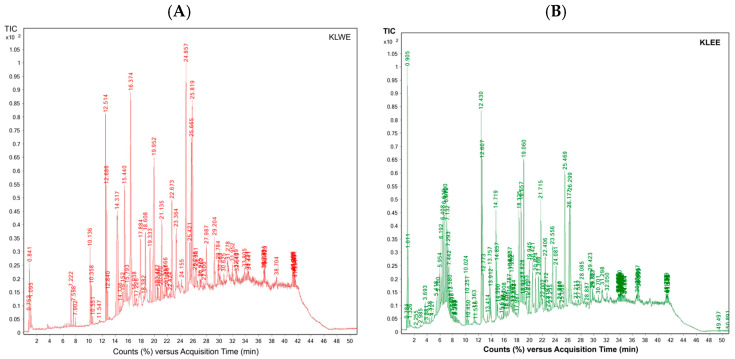 Figure 4
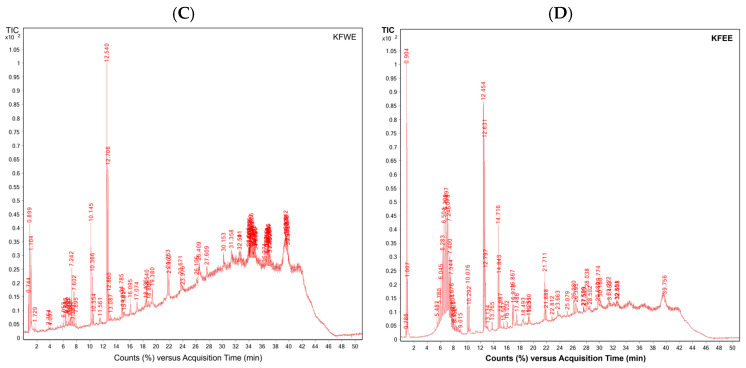 Figure 5
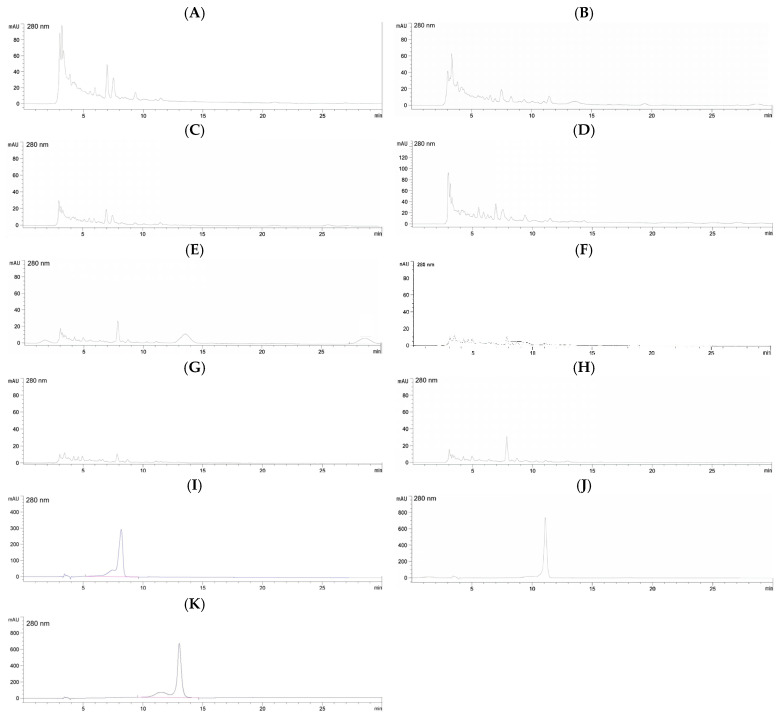 Figure 6
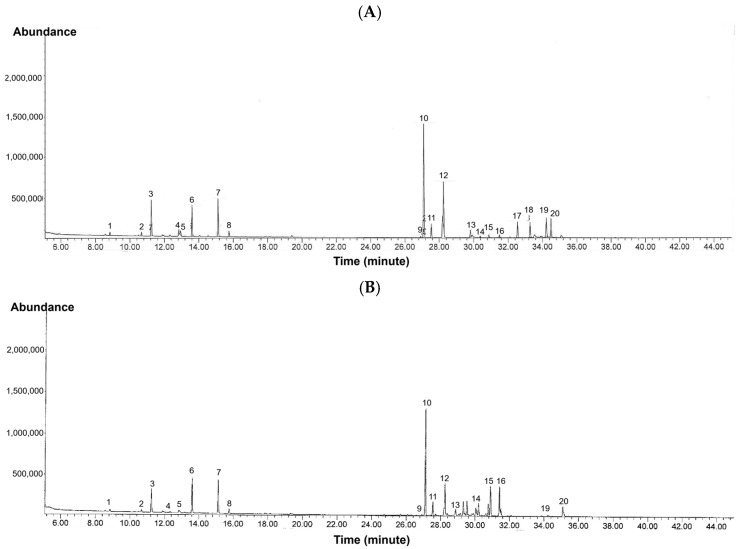 Figure 7
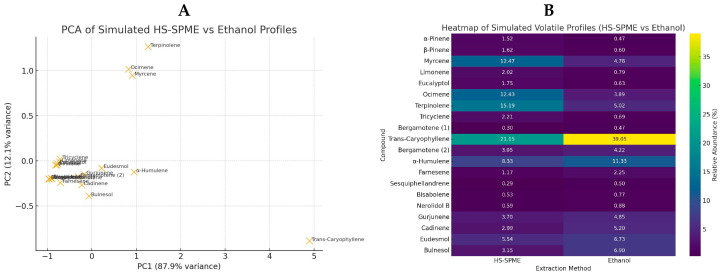 Figure 8
 Figure 9
 Figure 10
 Figure 11
 Figure 12
 Figure 13
 Figure 14
 Figure 15
 Figure 16
Peer Reviews
No public reviews on file for this paper yet. If you reviewed it on a platform where reviews are public (OpenReview, ICLR, NeurIPS, ICML), you can paste yours below so the community can read it here.
Videos
No videos yet. Explain this paper in a talk, walkthrough, or lecture? Add one.
Taxonomy
TopicsCurcumin's Biomedical Applications · Natural product bioactivities and synthesis · Ginger and Zingiberaceae research