Pro-Inflammatory Protein PSCA Is Upregulated in Neurological Diseases and Targets β2-Subunit-Containing nAChRs
Mikhail A. Shulepko, Yuqi Che, Alexander S. Paramonov, Milita V. Kocharovskaya, Dmitrii S. Kulbatskii, Anisia A. Ivanova, Anton O. Chugunov, Maxim L. Bychkov, Artem V. Kirichenko, Zakhar O. Shenkarev, Mikhail P. Kirpichnikov, Ekaterina N. Lyukmanova

TL;DR
The protein PSCA is linked to several neurological diseases and causes inflammation by targeting specific brain receptors.
Contribution
This study reveals new structural and functional insights into PSCA's role in neuroinflammation and receptor interactions.
Findings
PSCA is upregulated in multiple neurological diseases like Alzheimer’s and multiple sclerosis.
ws-PSCA induces pro-inflammatory responses by increasing TNFβ secretion in neurons and astrocytes.
PSCA inhibits β2-subunit-containing nAChRs, suggesting a specific molecular target for its effects.
Abstract
Prostate stem cell antigen (PSCA) is a Ly6/uPAR protein that targets neuronal nicotinic acetylcholine receptors (nAChRs). It exists in membrane-tethered and soluble forms, with the latter upregulated in Alzheimer’s disease. We hypothesize that PSCA may be linked to a wider spectrum of neurological diseases and could induce neuroinflammation. Indeed, PSCA expression is significantly upregulated in the brain of patients with multiple sclerosis, Huntington’s disease, Down syndrome, bipolar disorder, and HIV-associated dementia. To investigate PSCA’s structure, pharmacology, and inflammatory function, we produced a correctly folded water-soluble recombinant analog (ws-PSCA). In primary hippocampal neurons and astrocytes, ws-PSCA differently regulates secretion of inflammatory factors and adhesion molecules and induces pro-inflammatory responses by increasing TNFβ secretion. Heteronuclear…
Genes, proteins, chemicals, diseases, species, mutations and cell lines named across the full text — each resolved to its canonical identifier and authoritative record.
Click any figure to enlarge with its caption.
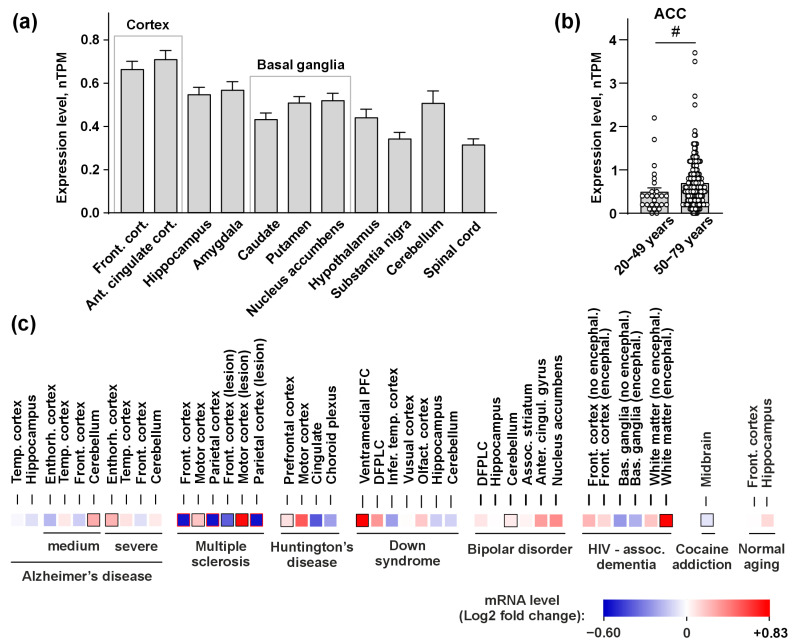 Figure 1
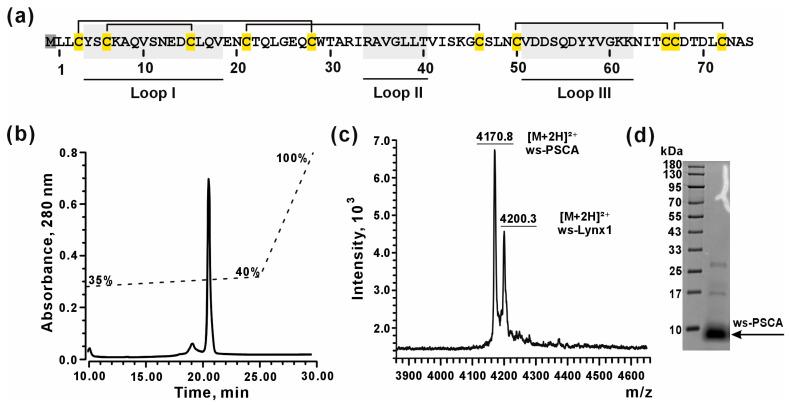 Figure 2
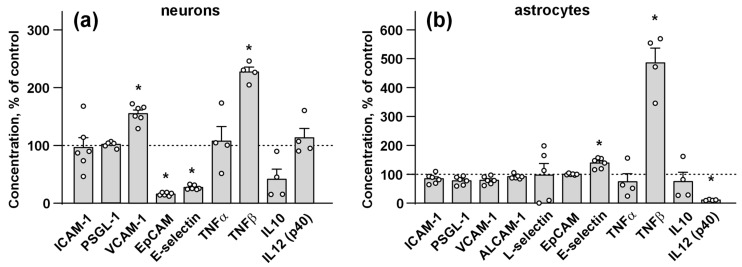 Figure 3
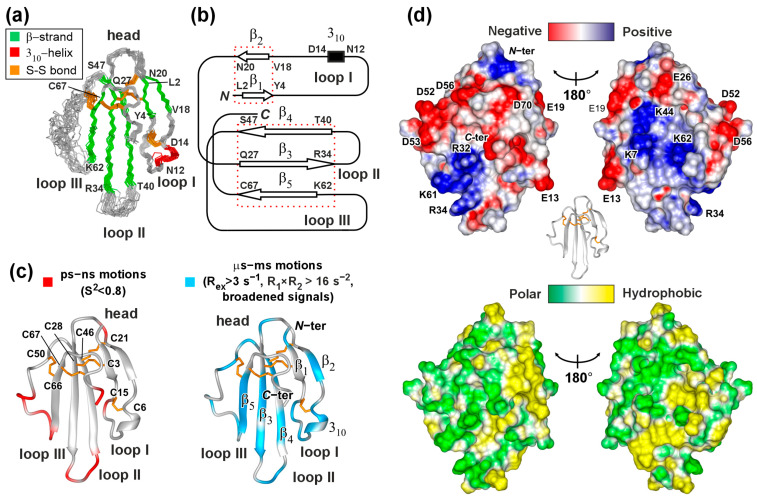 Figure 4
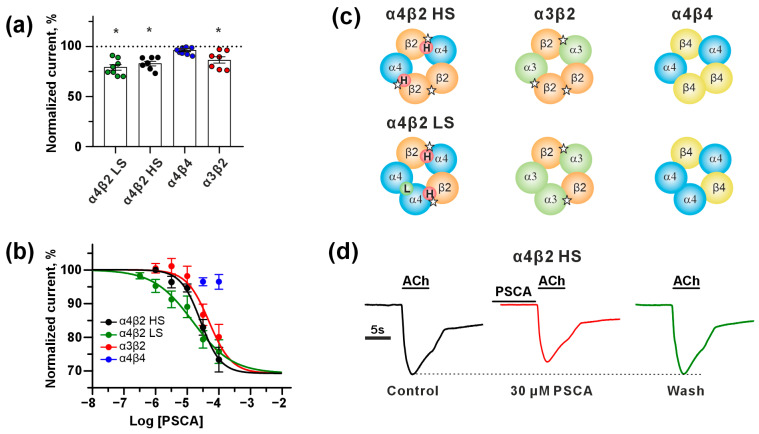 Figure 5
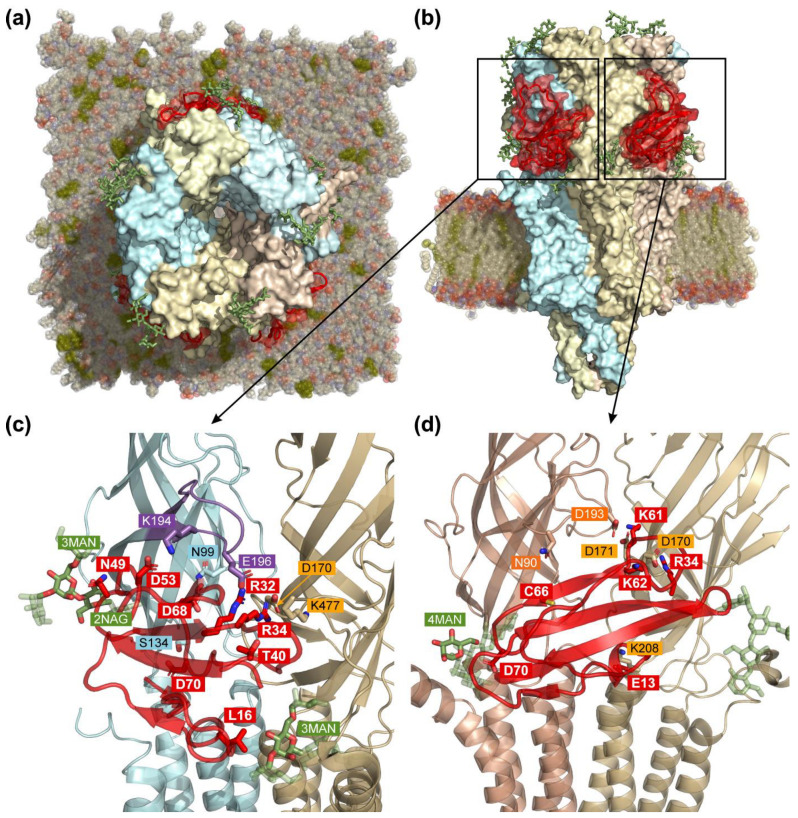 Figure 6
Peer Reviews
No public reviews on file for this paper yet. If you reviewed it on a platform where reviews are public (OpenReview, ICLR, NeurIPS, ICML), you can paste yours below so the community can read it here.
Videos
No videos yet. Explain this paper in a talk, walkthrough, or lecture? Add one.
Taxonomy
TopicsCell Adhesion Molecules Research · Receptor Mechanisms and Signaling · Monoclonal and Polyclonal Antibodies Research