Potential Anticancer Activities of the Thai Traditional Medicinal Recipe Santakatpuakaln Against Colorectal Cancer Cell Lines
Worrakanya Narakornwit, Roongtiwa Srisuphan, Uthai Sotanaphun, Pawaris Wongprayoon, Purin Charoensuksai

TL;DR
A traditional Thai herbal medicine called Santakatpuakaln shows promise in killing colorectal and liver cancer cells without harming healthy cells.
Contribution
This study provides the first in vitro evidence of Santakatpuakaln's anticancer effects against colorectal and liver cancer cells.
Findings
STK showed significant cytotoxicity against CRC and liver cancer cell lines.
STK induced apoptosis and inhibited tumor spheroid growth and cell migration.
STK was non-toxic to noncancerous colonic epithelial cells.
Abstract
Traditional Thai herbal medicine has been used for centuries to treat various diseases, including cancer. One notable formulation, Santakatpuakaln (STK), has been employed to manage cancers, particularly of the gastrointestinal (GI) tract, such as liver and colorectal cancers (CRCs). Despite its historical use, scientific validation of its efficacy and safety remains vastly limited. In this study, we prepared an ethanol extract of STK and evaluated its anticancer properties in vitro. STK demonstrated significant cytotoxic activity against CRC cell lines (HCT15, NCI‐H508, HT29, and HCT116) and the liver cancer cell line HepG2 while sparing noncancerous colonic epithelial cells (FHC), suggesting a potential therapeutic window. The cytotoxic activity of STK was accompanied by apoptosis. Additionally, STK inhibited tumor spheroid growth and suppressed HCT116 cell migration in transwell…
Genes, proteins, chemicals, diseases, species, mutations and cell lines named across the full text — each resolved to its canonical identifier and authoritative record.
Click any figure to enlarge with its caption.
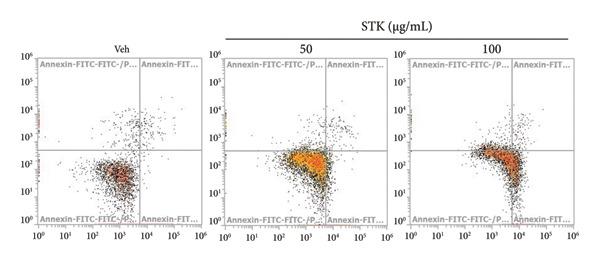 Figure 1
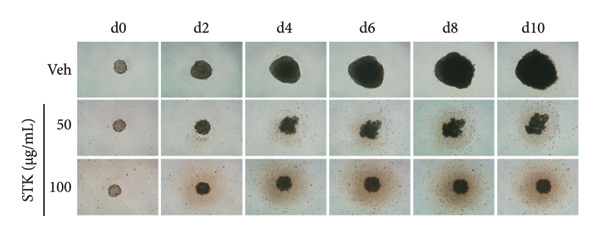 Figure 2
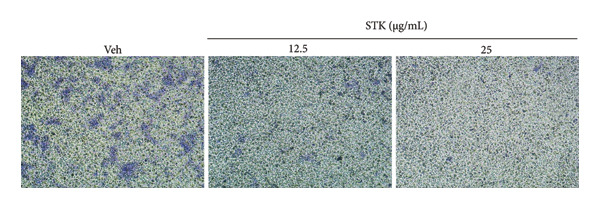 Figure 3
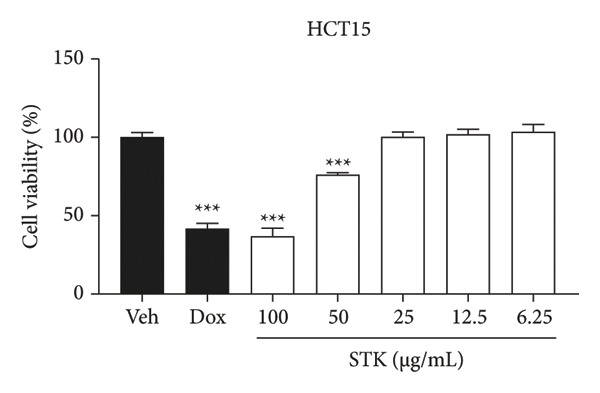 Figure 4
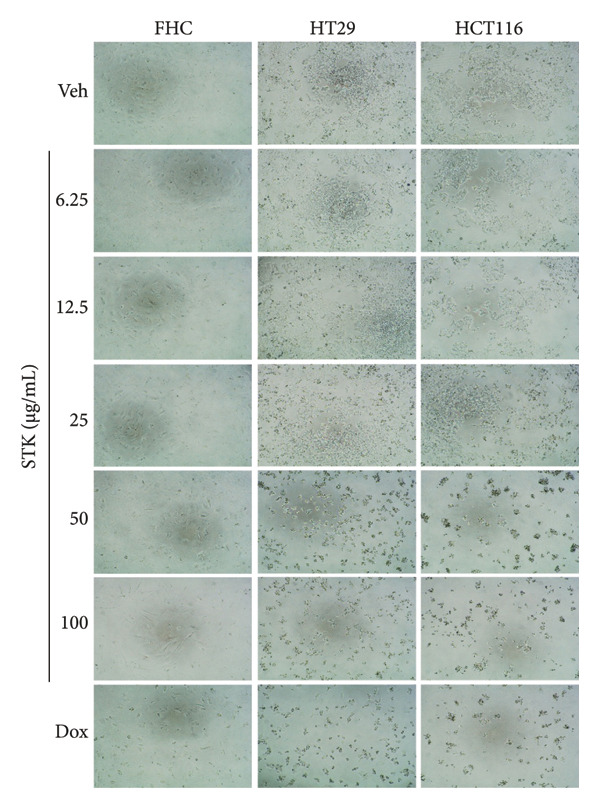 Figure 5
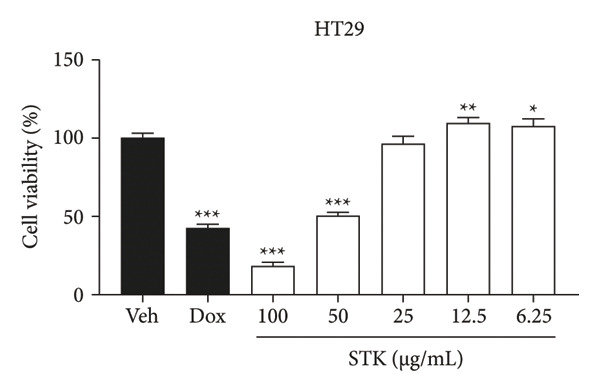 Figure 6
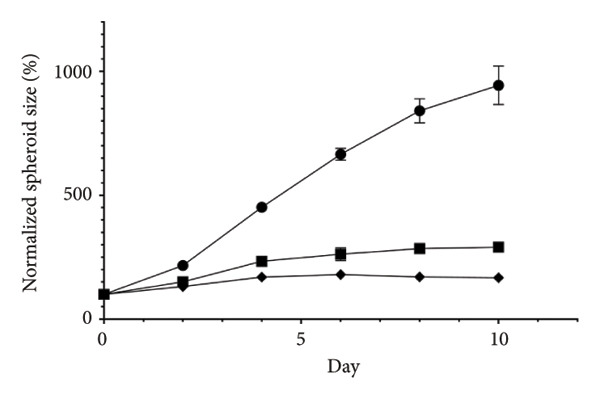 Figure 7
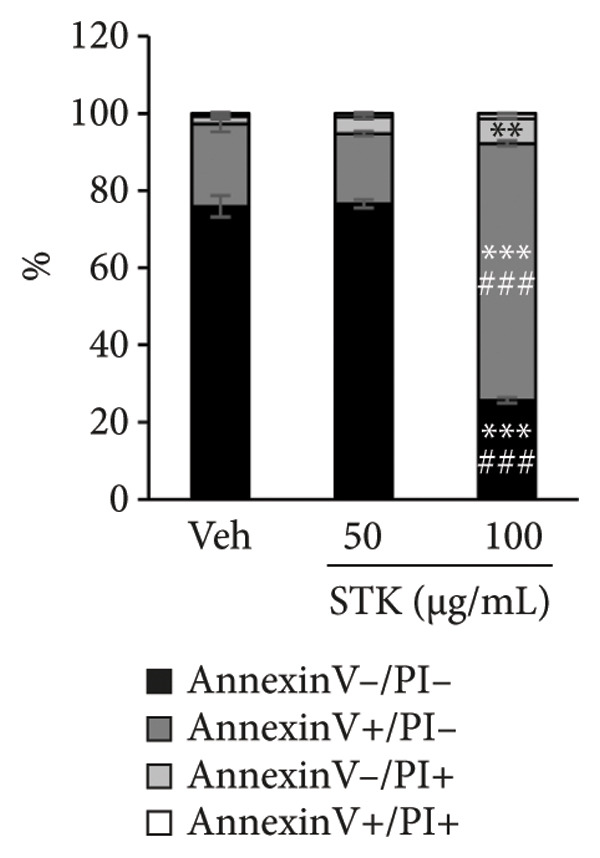 Figure 8
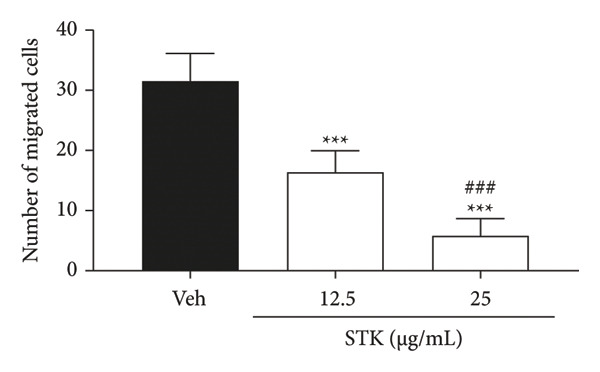 Figure 9
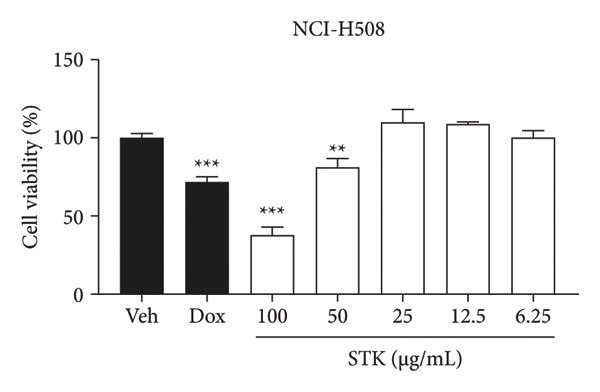 Figure 10
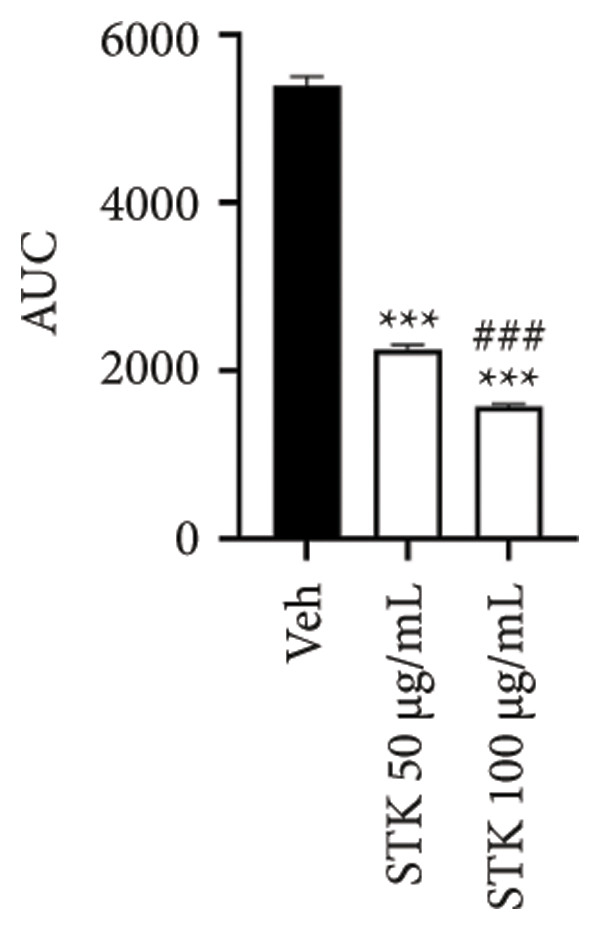 Figure 11
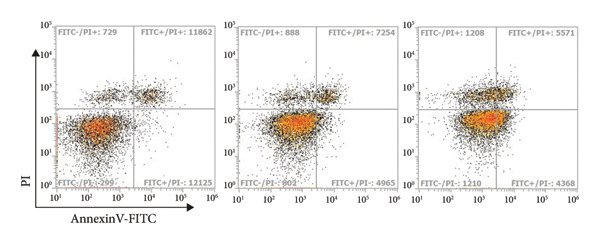 Figure 12
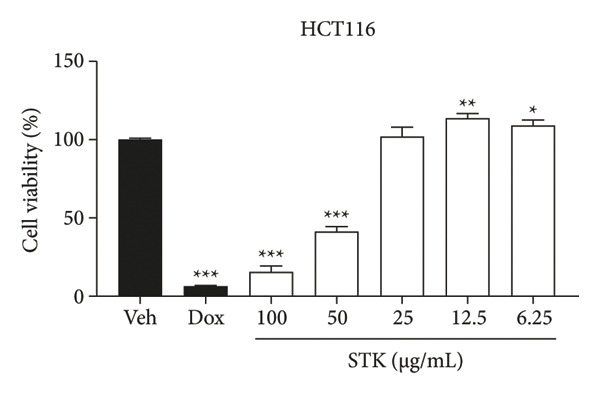 Figure 13
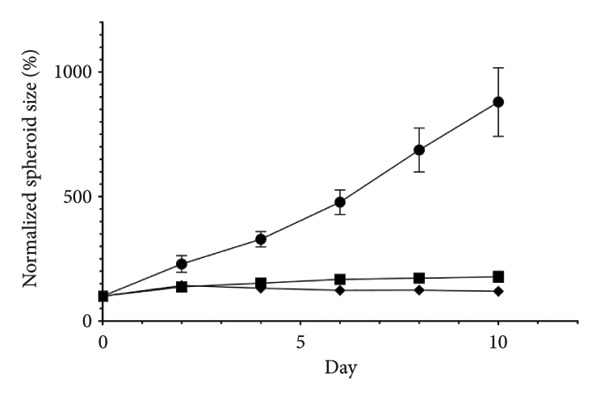 Figure 14
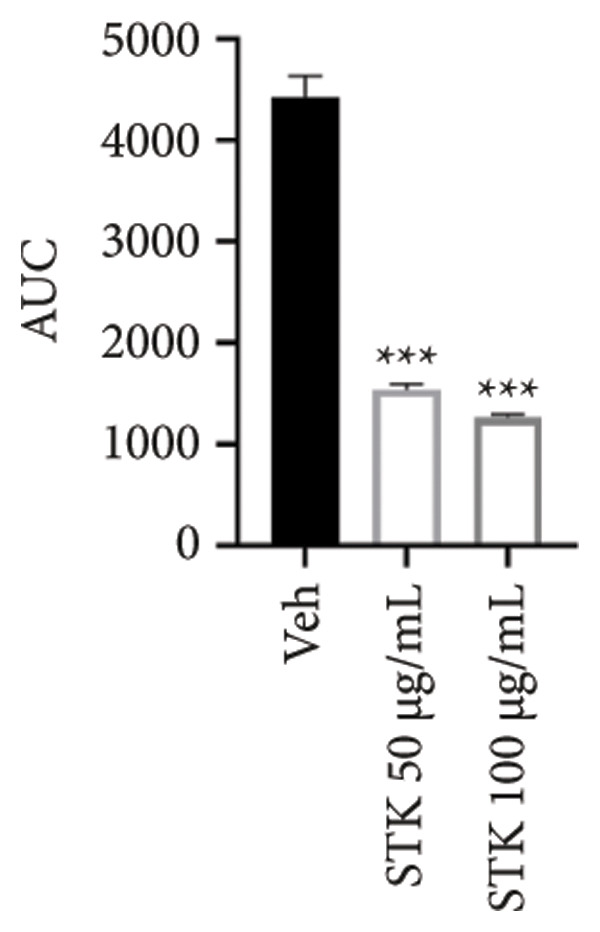 Figure 15
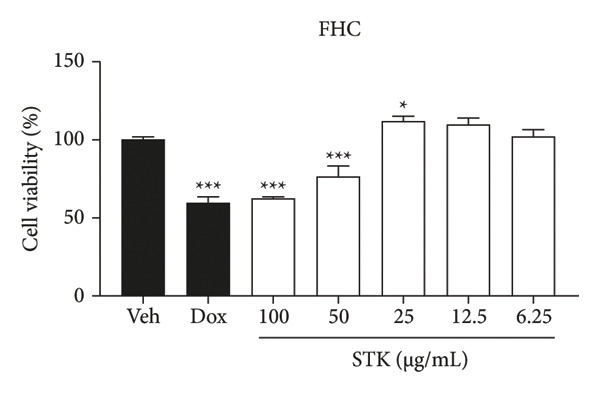 Figure 16
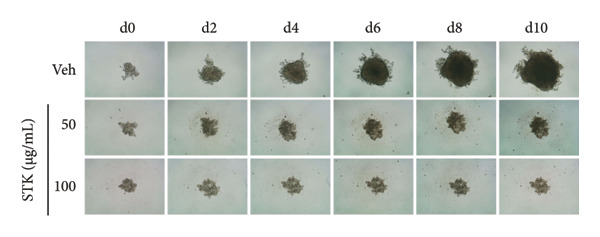 Figure 17
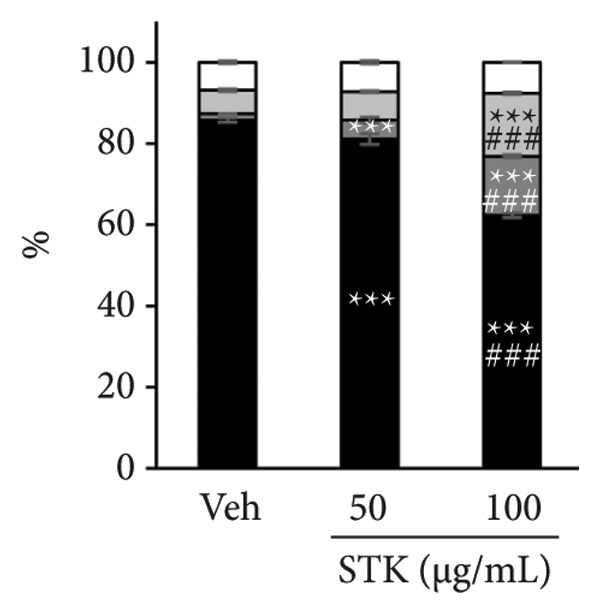 Figure 18
Peer Reviews
No public reviews on file for this paper yet. If you reviewed it on a platform where reviews are public (OpenReview, ICLR, NeurIPS, ICML), you can paste yours below so the community can read it here.
Videos
No videos yet. Explain this paper in a talk, walkthrough, or lecture? Add one.
Taxonomy
TopicsBiological Stains and Phytochemicals · Ginger and Zingiberaceae research · Bioactive natural compounds