Synthesis, Characterization, and Evaluation of Folic Acid Release Ability of Acrylamide–Acrylic Acid Hydrogels and Acrylamide–Acrylic Acid/Functionalized Carbon Nanotube Nanocomposite Hydrogels
Karina Sandoval-García, Jorge A. Cortés-Ortega, Edgar B. Figueroa-Ochoa, Víctor H. Antolín-Cerón, Sergio M. Nuño-Donlucas

TL;DR
This paper studies hydrogels and nanocomposite hydrogels for their ability to release folic acid, comparing their swelling, mechanical properties, and release behavior.
Contribution
The study introduces nanocomposite hydrogels with functionalized carbon nanotubes for controlled folic acid release.
Findings
AM–AA nanocomposite hydrogels showed higher Young moduli compared to AM–AA hydrogels.
Folic acid release from both hydrogel types was effectively modeled using the Weibull model.
CNTsOxCl grafting improved the thermal properties of the nanocomposite hydrogels.
Abstract
Hydrogels of acrylamide (AM)–acrylic acid (AA) and nanocomposite hydrogels of AM–AA and carbon nanotubes (CNTs) functionalized with acyl chloride groups (CNTsOxCl) were synthesized and characterized, and their ability to release folic acid was analyzed. Both hydrogel types were synthesized via redox polymerization. CNTs were prepared via chemical vapor deposition. The prepared samples were analyzed via transmission electron microscopy, Raman spectroscopy, X-ray photoelectron spectroscopy, differential scanning calorimetry, and field-emission scanning electron microscopy. Their swelling ability and their mechanical properties (compression tests) were determined at room temperature ~298.15 K, whereas their ability to release folic acid was studied using UV–VIS spectroscopy. The equilibrium swelling of the AM–AA hydrogels was greater than that of the AM–AA/CNTsOxCl nanocomposite hydrogels…
Genes, proteins, chemicals, diseases, species, mutations and cell lines named across the full text — each resolved to its canonical identifier and authoritative record.
Click any figure to enlarge with its caption.
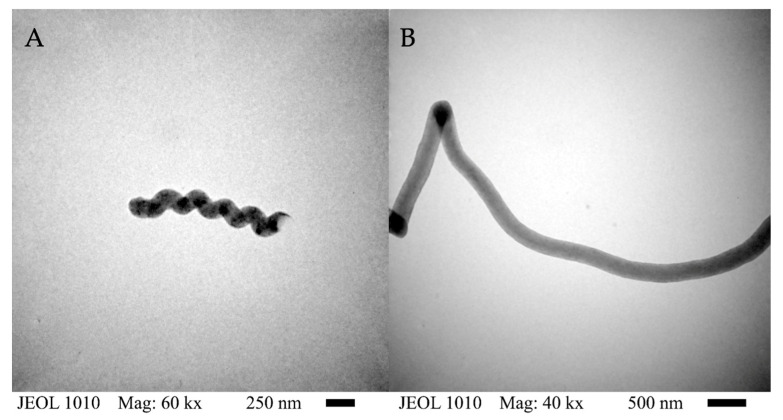 Figure 1
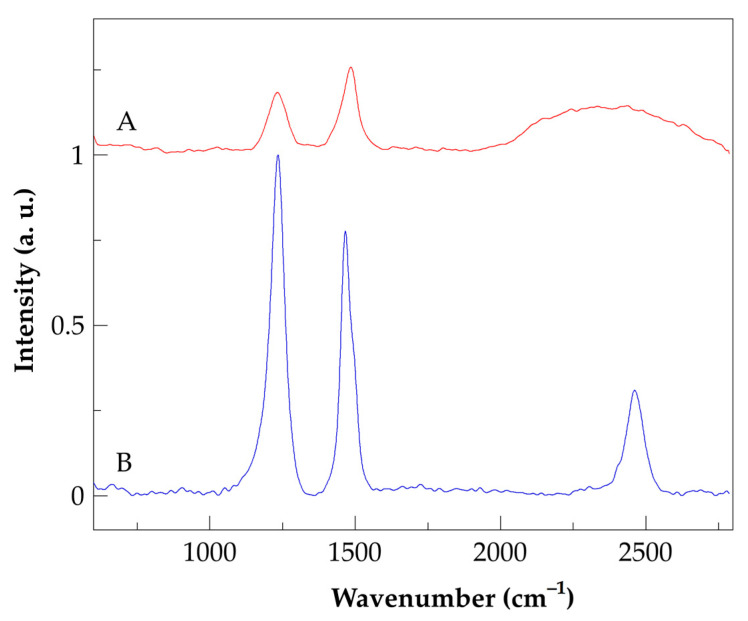 Figure 2
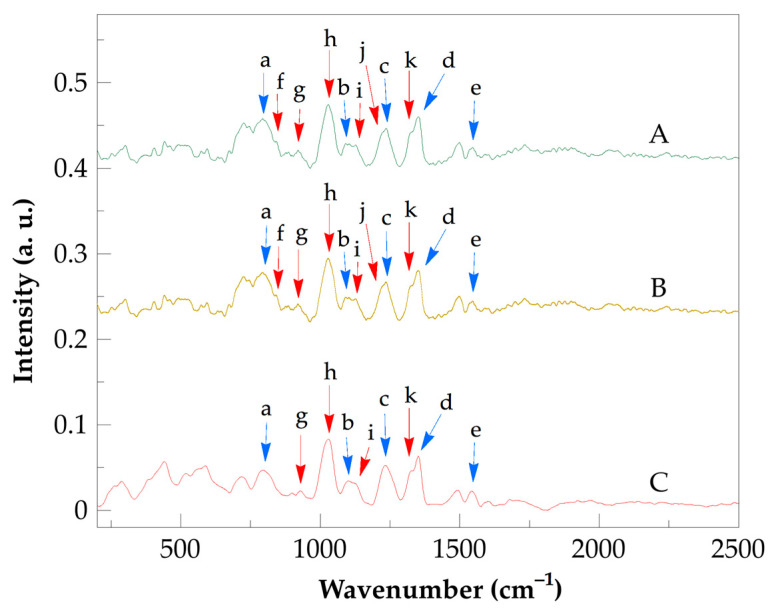 Figure 3
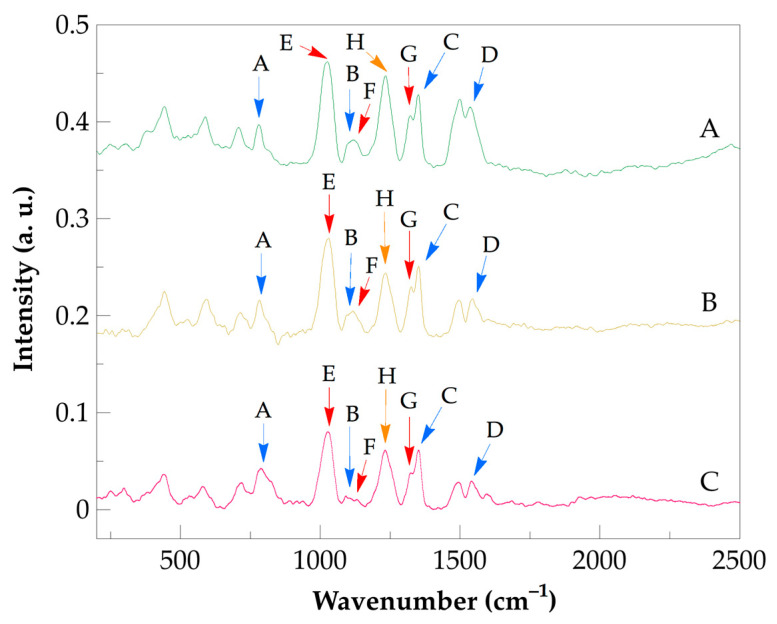 Figure 4
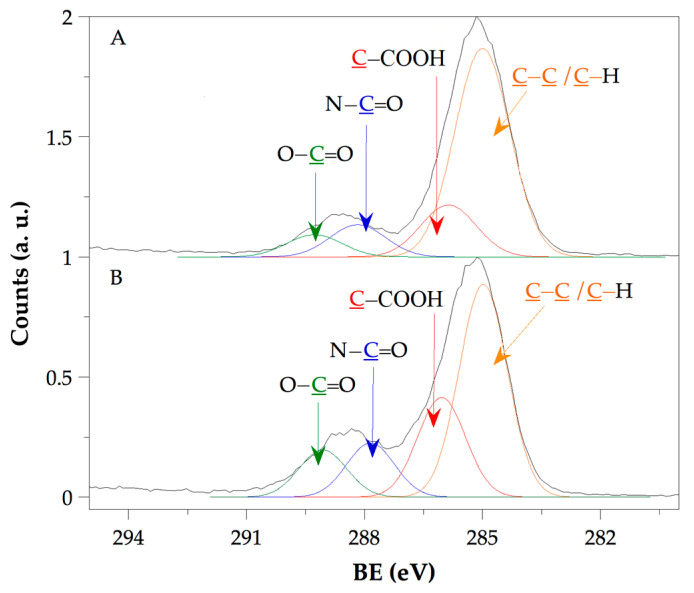 Figure 5
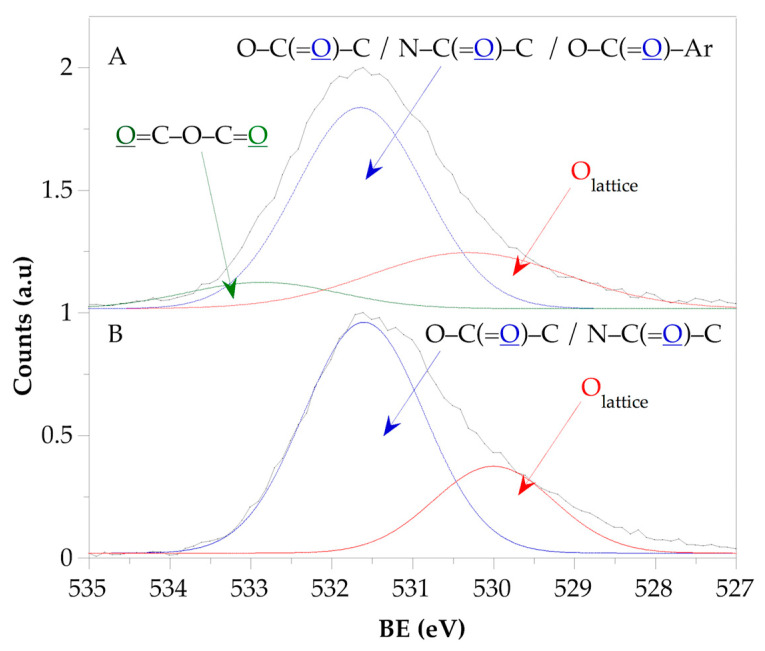 Figure 6
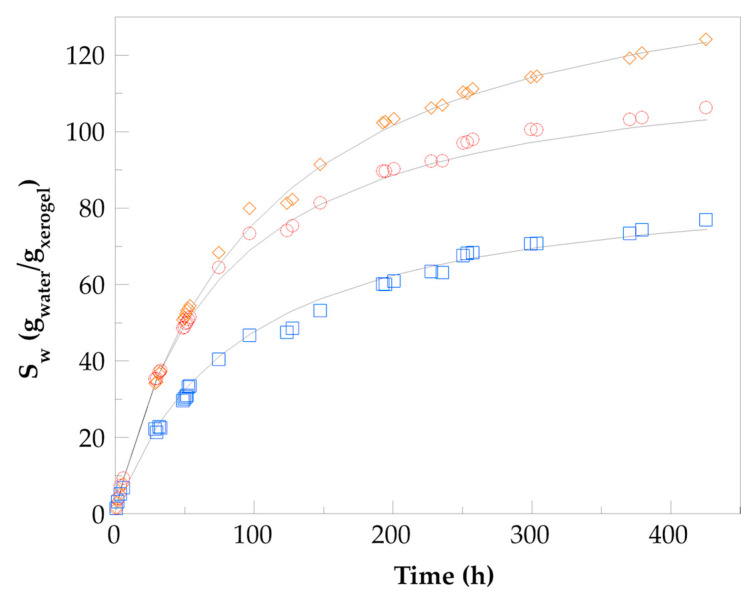 Figure 7
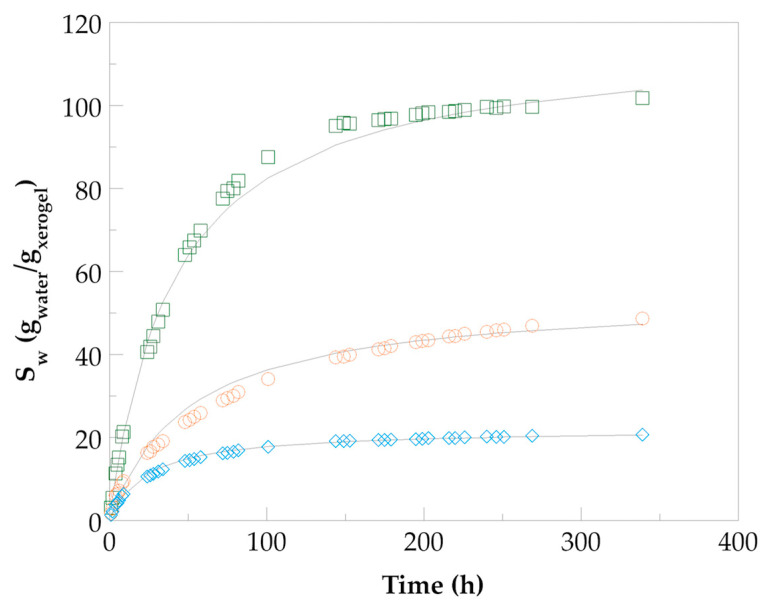 Figure 8
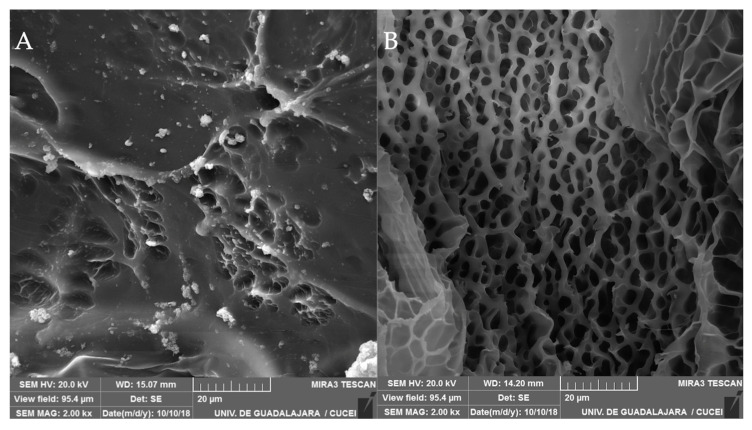 Figure 9
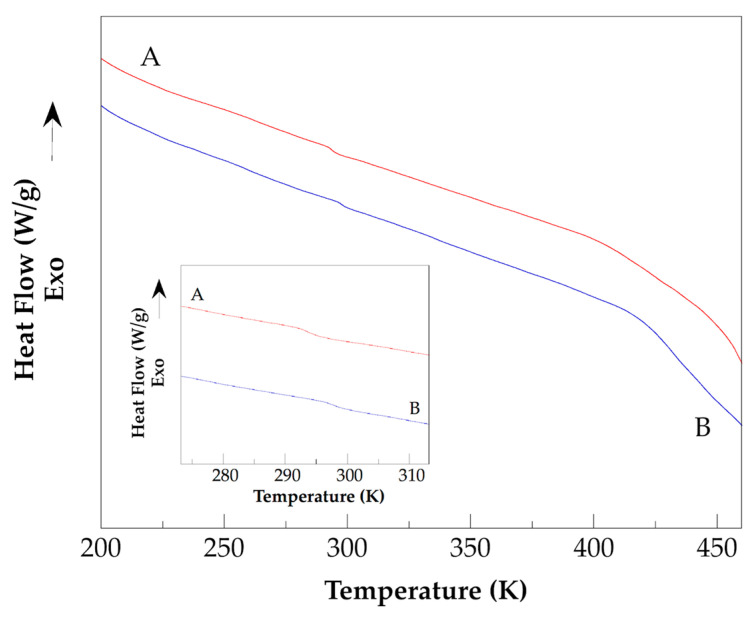 Figure 10
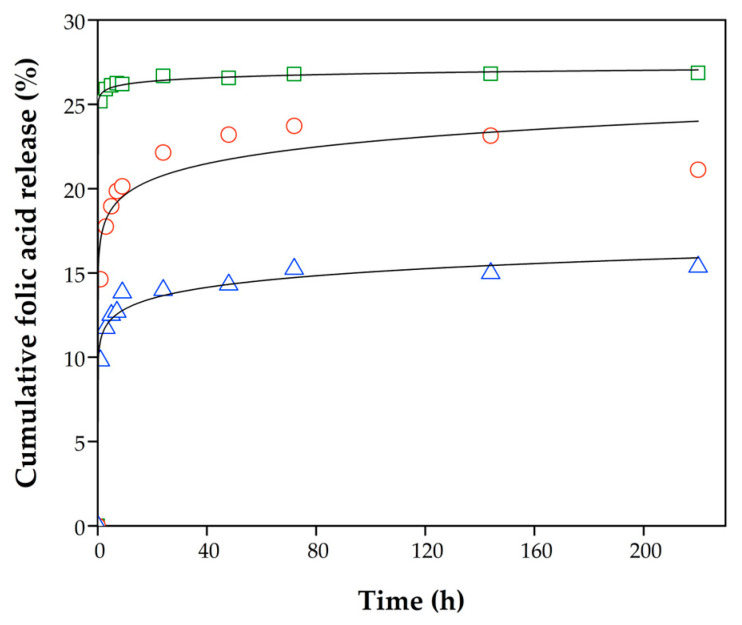 Figure 11
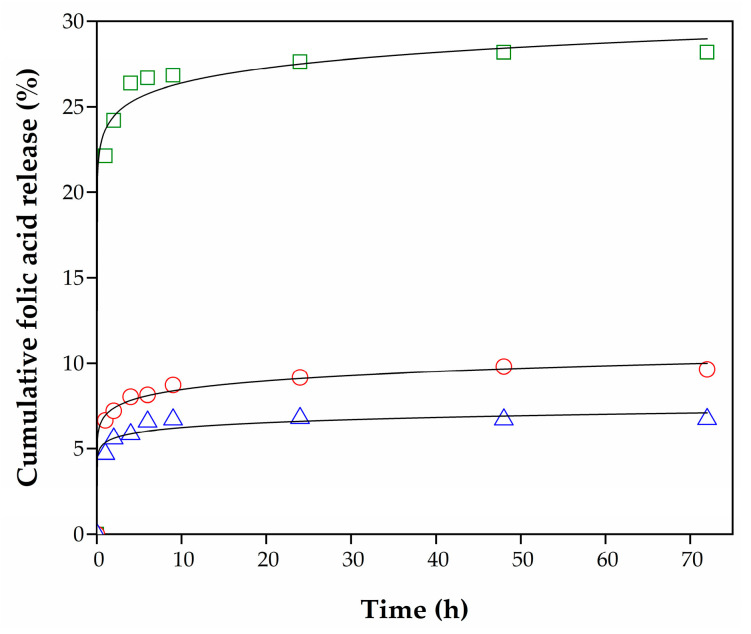 Figure 12
 Figure 13
 Figure 14
 Figure 15
 Figure 16
 Figure 17
 Figure 18
 Figure 19
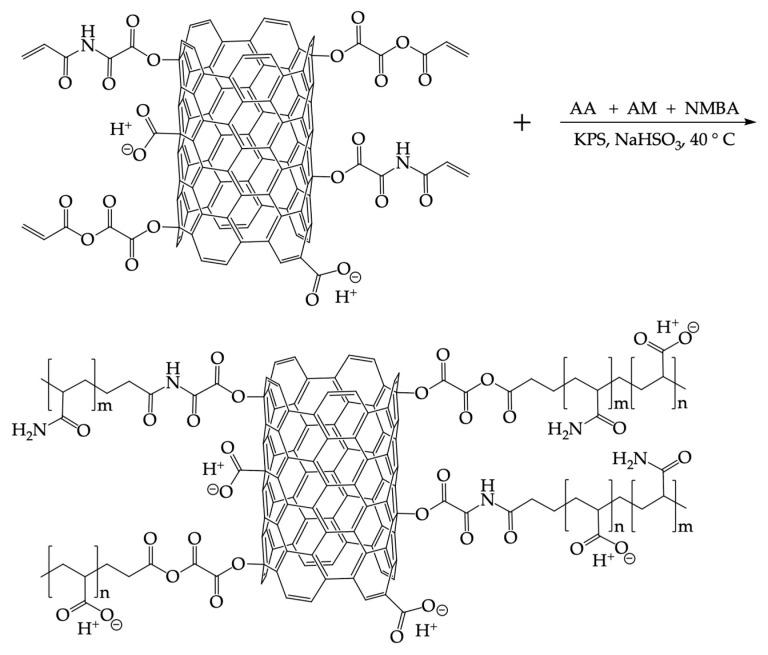 Figure 20
Peer Reviews
No public reviews on file for this paper yet. If you reviewed it on a platform where reviews are public (OpenReview, ICLR, NeurIPS, ICML), you can paste yours below so the community can read it here.
Videos
No videos yet. Explain this paper in a talk, walkthrough, or lecture? Add one.
Taxonomy
TopicsHydrogels: synthesis, properties, applications · Graphene and Nanomaterials Applications · Supramolecular Self-Assembly in Materials