Cardiac Manifestations and Persistent Myocardial Dysfunction in Multisystem Inflammatory Syndrome in Children: Insights from Conventional and Strain Echocardiography
Carmen Corina Șuteu, Liliana Gozar, Nicola Șuteu, Beatrix-Julia Hack, Iolanda Muntean

TL;DR
This study shows that MIS-C often causes heart problems in children, and strain echocardiography reveals hidden heart damage even when traditional tests look normal.
Contribution
The study demonstrates that strain imaging detects persistent myocardial dysfunction in MIS-C patients, even when ejection fraction appears normal.
Findings
LV global longitudinal strain was significantly reduced in MIS-C patients compared to controls at both the day of worst dysfunction and discharge.
Strain abnormalities persisted even after left ventricular ejection fraction recovered to normal levels.
LV global longitudinal strain and apical infero-septal strain were the strongest predictors of reduced left ventricular ejection fraction.
Abstract
Background: Multisystem inflammatory syndrome in children (MIS-C) is a severe post-infectious complication of SARS-CoV-2, often with cardiac involvement. Myocardial strain imaging may detect dysfunction missed by conventional echocardiography. The objectives of this study are to characterize cardiac manifestations of MIS-C and assess the value of strain imaging in children with preserved and reduced left ventricular ejection fraction (LV-EF). Methods: We retrospectively analyzed 22 MIS-C patients admitted between September 2020 and January 2024, all with cardiac involvement. Clinical, laboratory, and echocardiographic data—including 2D and speckle-tracking strain—were collected at the day of worst dysfunction (DWD) and discharge (DD) and compared with 22 matched controls. Results: Median age was 4.65 years; 59% male; 45% overweight/obese. LV systolic dysfunction (LV-EF < 50%) occurred…
Genes, proteins, chemicals, diseases, species, mutations and cell lines named across the full text — each resolved to its canonical identifier and authoritative record.
Click any figure to enlarge with its caption.
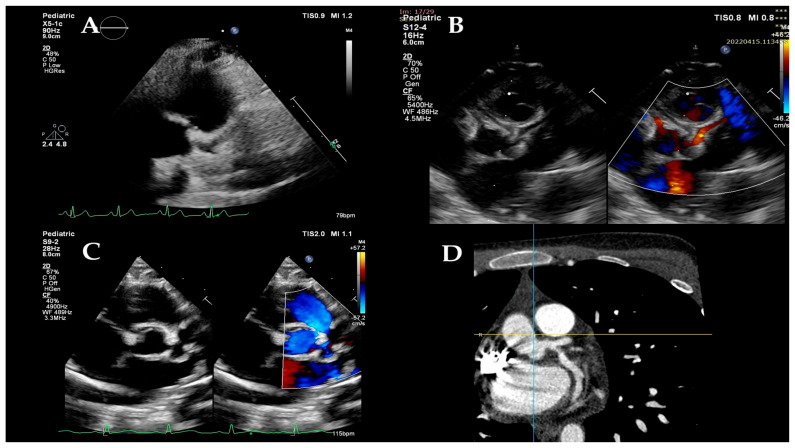 Figure 1
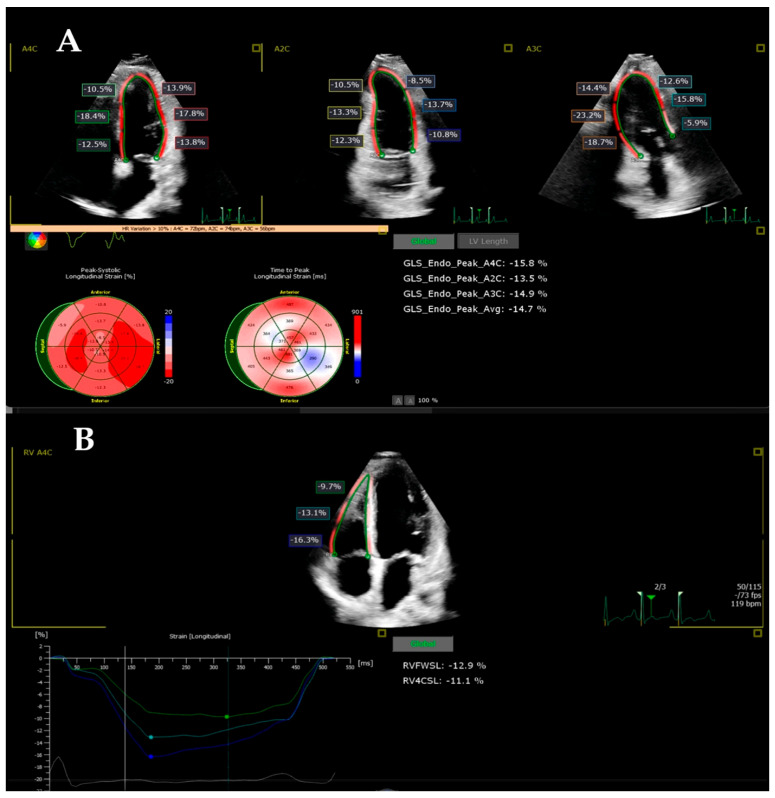 Figure 2
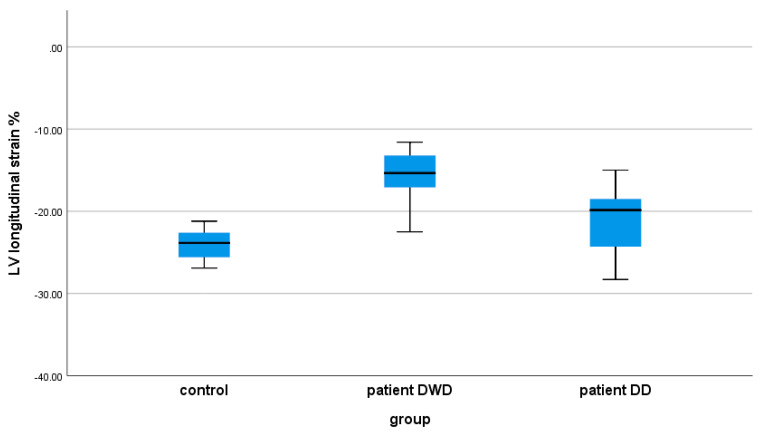 Figure 3
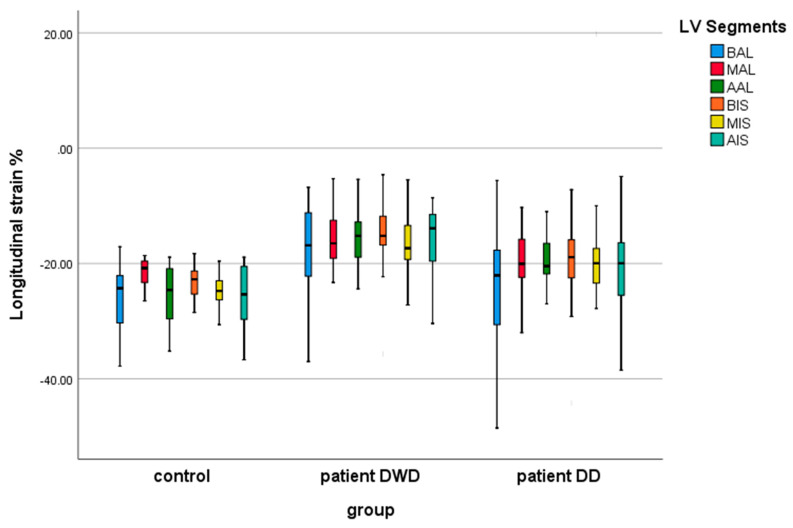 Figure 4
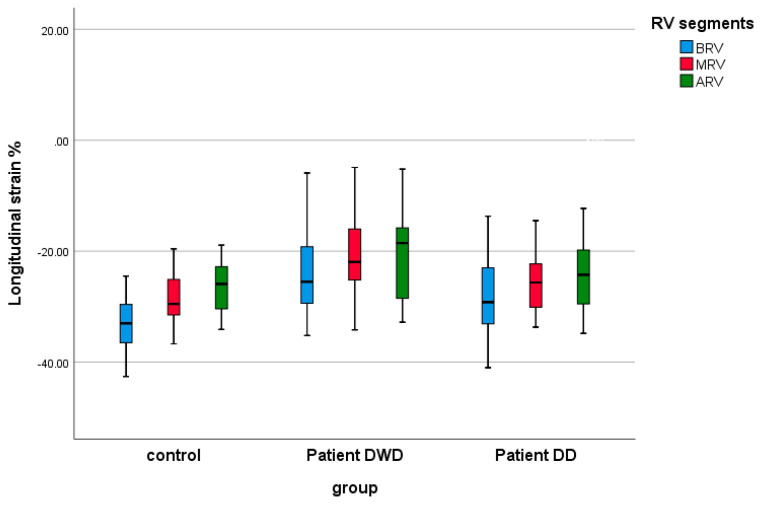 Figure 5
Peer Reviews
No public reviews on file for this paper yet. If you reviewed it on a platform where reviews are public (OpenReview, ICLR, NeurIPS, ICML), you can paste yours below so the community can read it here.
Videos
No videos yet. Explain this paper in a talk, walkthrough, or lecture? Add one.
Taxonomy
TopicsKawasaki Disease and Coronary Complications · Pericarditis and Cardiac Tamponade · Coronary Artery Anomalies