Dynamic Whole-Body FDG PET/CT for Predicting Malignancy in Head and Neck Tumors and Cervical Lymphadenopathy
Gregor Horňák, André H. Dias, Ole L. Munk, Lars C. Gormsen, Jaroslav Ptáček, Pavel Karhan

TL;DR
This study shows that dynamic FDG PET/CT imaging can better distinguish between cancerous and non-cancerous head and neck tumors and lymph nodes compared to traditional imaging methods.
Contribution
The study introduces dynamic FDG PET/CT parameters (MRFDG and DVFDG) as more specific biomarkers for malignancy detection than standard SUVbw.
Findings
Combining SUVbw, MRFDG, and DVFDG achieved 82% diagnostic accuracy for malignancy detection.
DVFDG contributed up to 65% of the classification weight in identifying malignant lesions.
Optimal thresholds for SUVbw, MRFDG, and DVFDG were identified with high sensitivity and specificity.
Abstract
Background: Dynamic whole-body (D-WB) FDG PET/CT is a novel technique that enables the direct reconstruction of multiparametric images representing the FDG metabolic uptake rate (MRFDG) and “free” FDG (DVFDG). Applying complementary parameters with distinct characteristics compared to static SUV images, the aims of this study are as follows: (1) to determine the threshold values of SUV, MRFDG, and DVFDG for malignant and benign lesions; (2) to compare the specificity of MRFDG and DVFDG images with static SUVbw images; and (3) to assess whether any of the dynamic imaging parameters correlate more significantly with malignancy or non-malignancy in the examined lesions based on the measured values obtained from D-WB FDG PET/CT. Methods: The study was a retrospective analysis of D-WB PET/CT data from 43 patients (23 males and 20 females) included both in the context of primary staging as…
Genes, proteins, chemicals, diseases, species, mutations and cell lines named across the full text — each resolved to its canonical identifier and authoritative record.
Click any figure to enlarge with its caption.
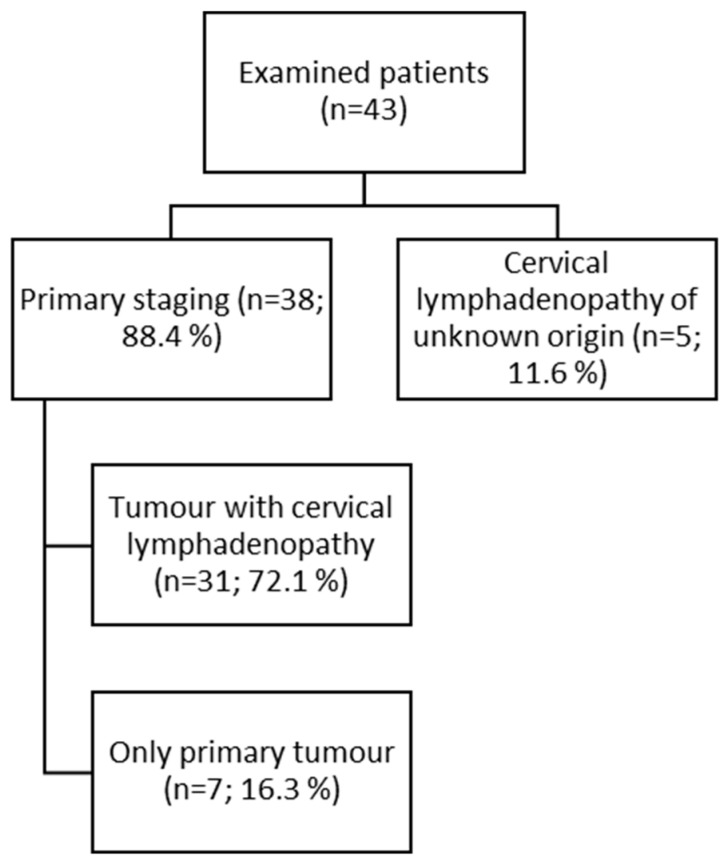 Figure 1
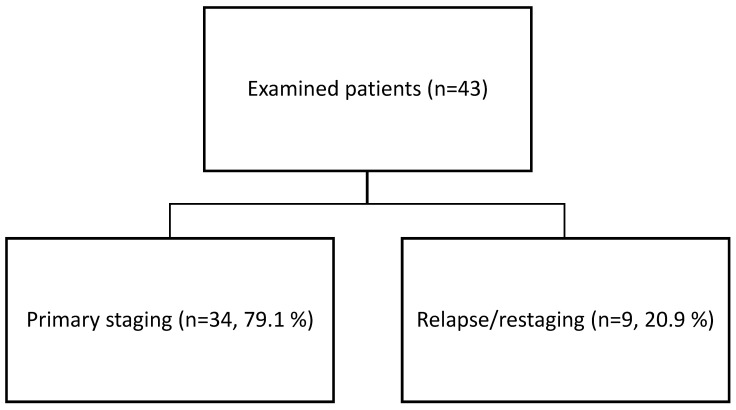 Figure 2
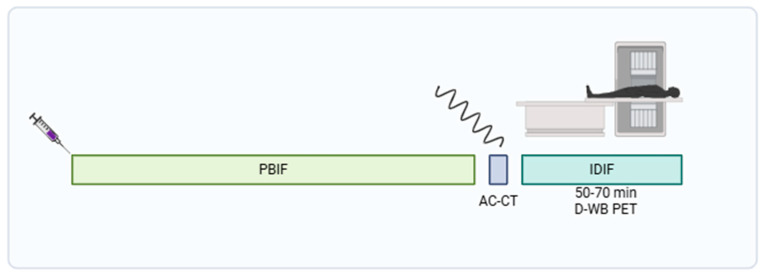 Figure 3
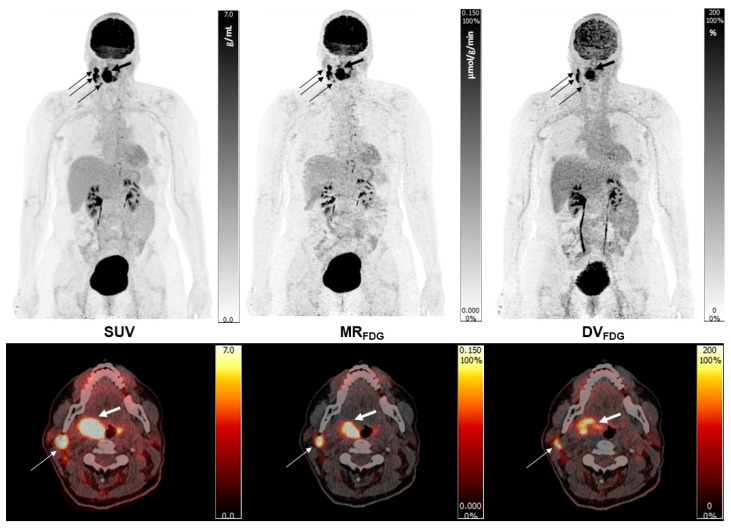 Figure 4
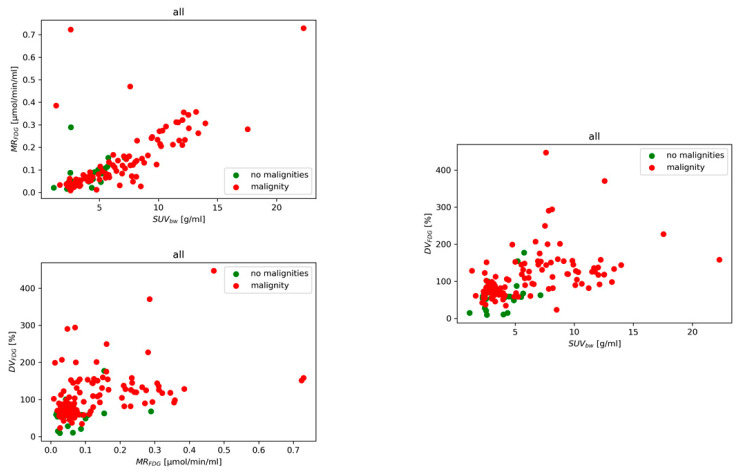 Figure 5
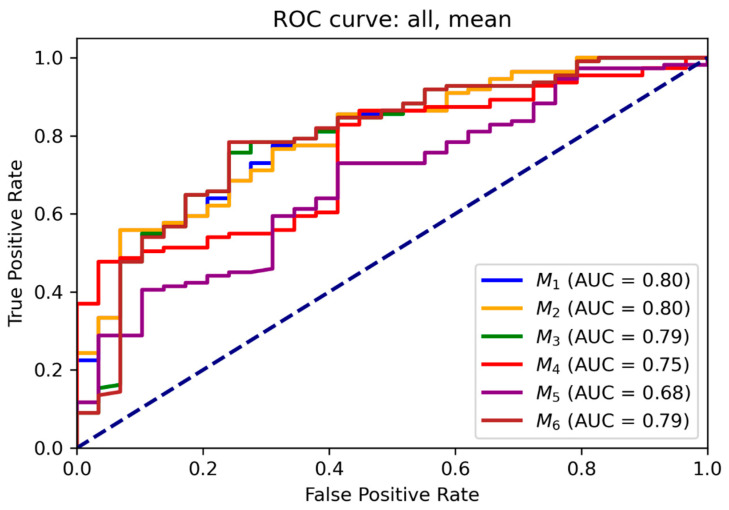 Figure 6
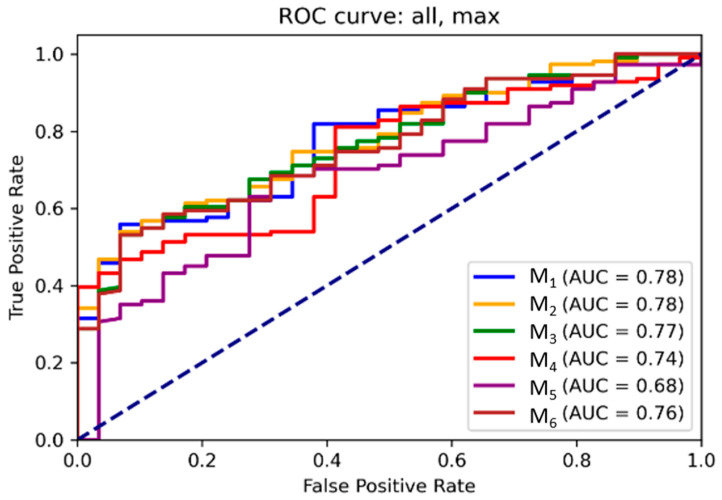 Figure 7
Peer Reviews
No public reviews on file for this paper yet. If you reviewed it on a platform where reviews are public (OpenReview, ICLR, NeurIPS, ICML), you can paste yours below so the community can read it here.
Videos
No videos yet. Explain this paper in a talk, walkthrough, or lecture? Add one.
Taxonomy
TopicsMedical Imaging Techniques and Applications · Radiomics and Machine Learning in Medical Imaging · MRI in cancer diagnosis