HCX3 Mitigates LPS-Induced Inflammatory Responses in Macrophages by Suppressing the Activation of the NF-κB Signaling Pathway
Qianyi Wu, Jiyuan Shi, Luojin Wu, Lingxi Li, Yong Ling, Liming Mao, Jie Zhang

TL;DR
This study shows that HCX3, a new compound, reduces inflammation in lung injury models by blocking the NF-κB pathway in macrophages.
Contribution
HCX3 is a novel Canthin-6-one derivative shown to inhibit NF-κB signaling and reduce inflammation in ALI models.
Findings
HCX3 inhibited the production of pro-inflammatory cytokines IL-1β, IL-6, and TNF-α in a dose-dependent manner.
HCX3 reduced LPS-induced phosphorylation of p65 and IκB-α, indicating suppression of the NF-κB pathway.
Network pharmacology predicted and experimental validation confirmed HCX3's anti-inflammatory effects in ALI.
Abstract
Acute lung injury (ALI) is a severe pulmonary disorder characterized by the disruption of the alveolar–capillary barrier, leading to impaired oxygenation and pulmonary edema. Current pharmacological interventions primarily involve the use of steroid drugs, oxygen radical scavengers, and bronchodilators. However, the therapeutic efficacy of these interventions remains inconsistent. Canthin-6-ones, a class of tryptophan-derived alkaloids, exhibit anti-inflammatory, antioxidant, and immunomodulatory properties. In this study, we synthesized a novel Canthin-6-one derivative, namely HCX3, and evaluated its potential beneficial effects and underlying mechanisms on ALI. Prior to the experimental study, network pharmacology analysis revealed that HCX3 may exert anti-inflammatory effects in the context of ALI through the regulation of multiple signaling pathways, including the NF-κB pathways. To…
Genes, proteins, chemicals, diseases, species, mutations and cell lines named across the full text — each resolved to its canonical identifier and authoritative record.
Click any figure to enlarge with its caption.
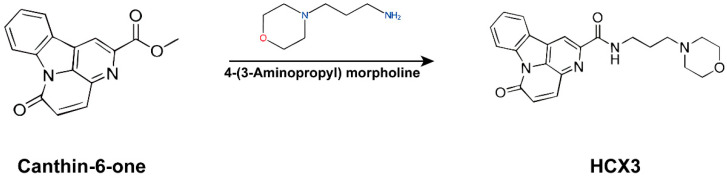 Figure 1
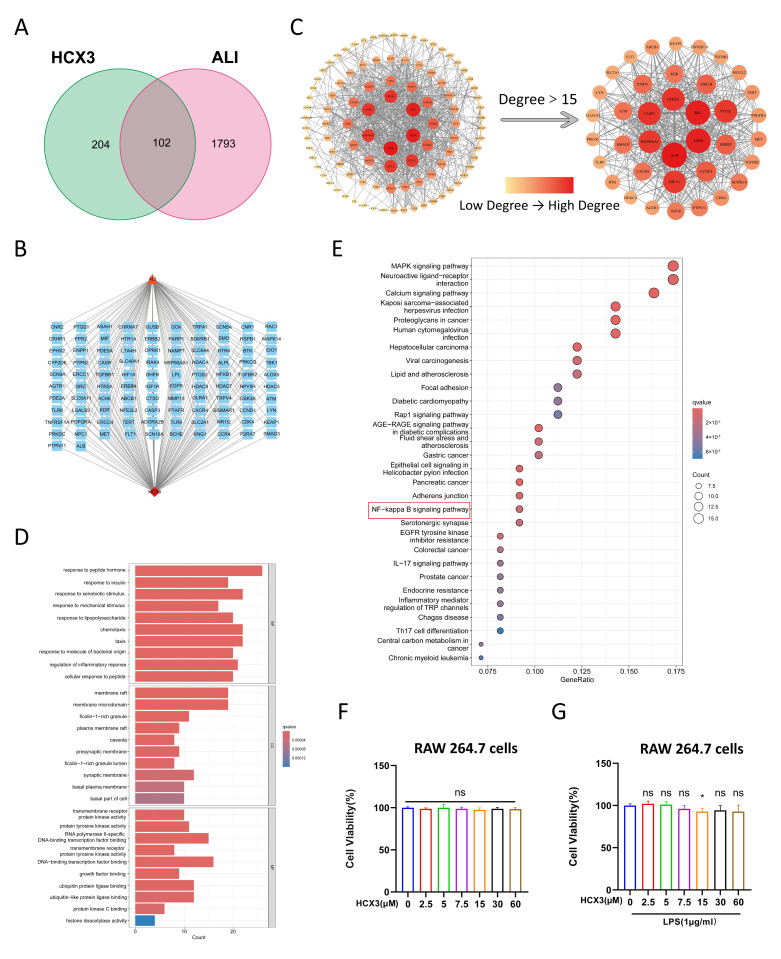 Figure 2
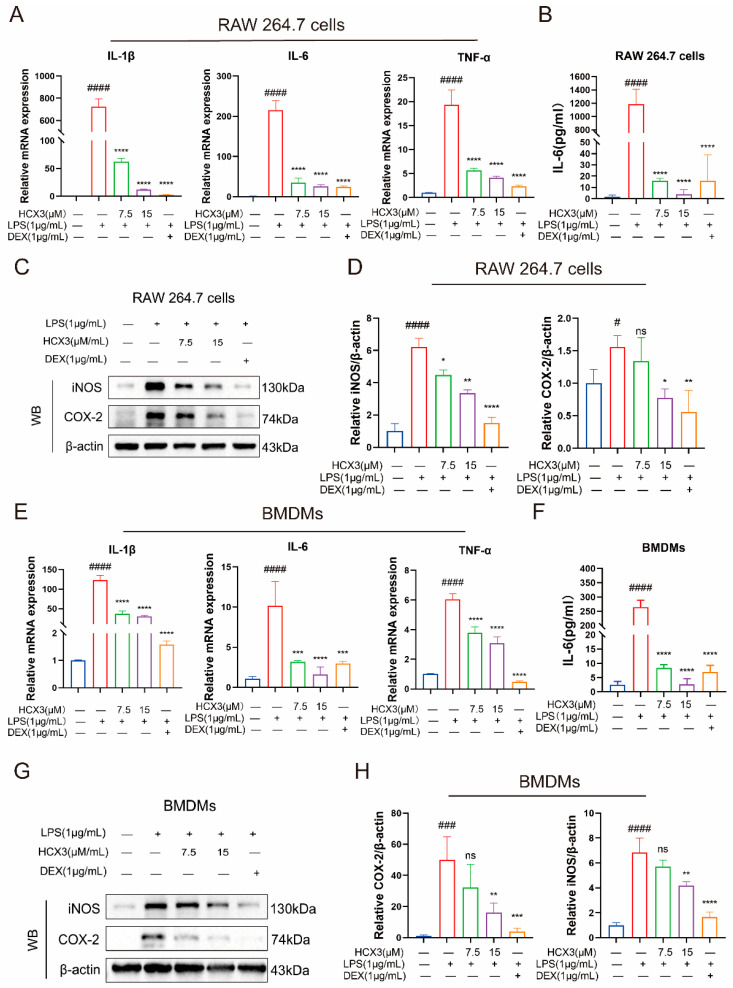 Figure 3
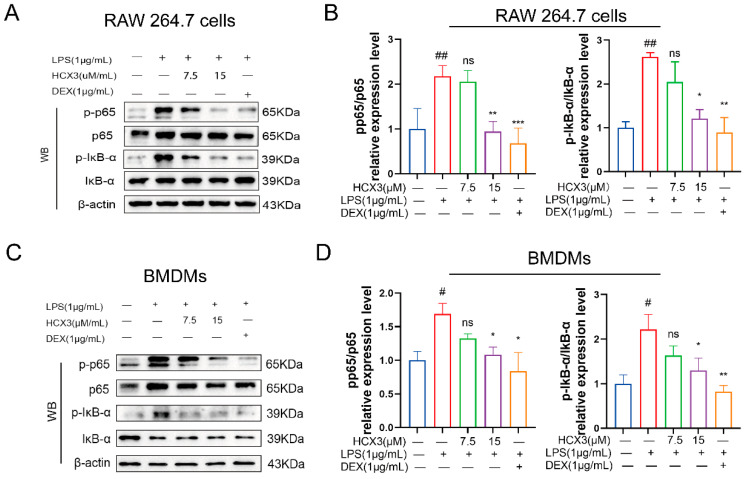 Figure 4
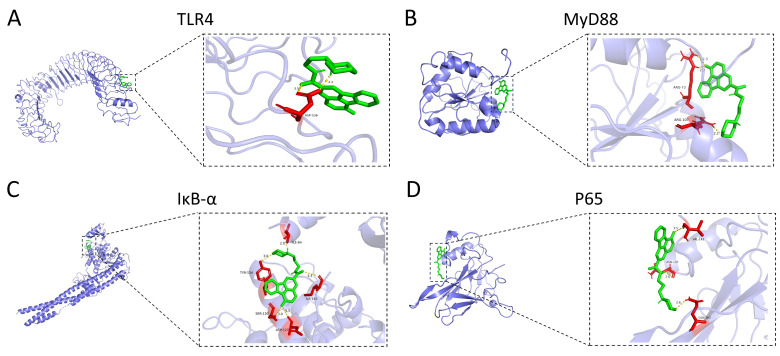 Figure 5
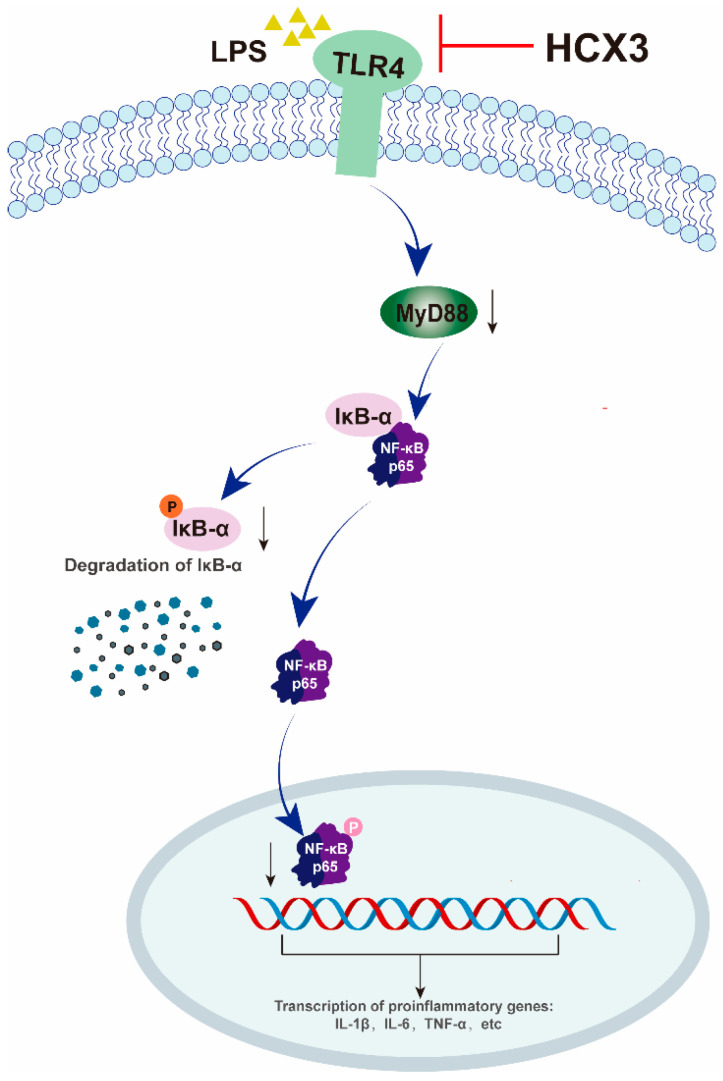 Figure 6
Peer Reviews
No public reviews on file for this paper yet. If you reviewed it on a platform where reviews are public (OpenReview, ICLR, NeurIPS, ICML), you can paste yours below so the community can read it here.
Videos
No videos yet. Explain this paper in a talk, walkthrough, or lecture? Add one.
Taxonomy
TopicsImmune cells in cancer · Neutrophil, Myeloperoxidase and Oxidative Mechanisms · interferon and immune responses