Newly Identified TPI Deficiency Treatments Function for Novel Disease-Causing Allele, TPI1R5G
Joseph R. Figura, Presley Roberts, Riley Sawka, Maci Chambers, Marcelo Claudio, Laura L. Vollmer, Andreas Vogt, Gregg E. Homanics, Eduard van Beers, Mylene Donge, Emmanuel Scalais, Arthur Sorlin, Ariana J. Jou, Andrew P. VanDemark, Michael J. Palladino

TL;DR
Researchers found that a new mutation in the TPI enzyme causes a rare disease and discovered compounds that could treat it by boosting protein levels.
Contribution
Identification of a novel TPI1 allele (R5G) and demonstration that newly discovered compounds can treat TPI deficiency by stabilizing mutant protein.
Findings
TPIR5G mutation causes TPI deficiency with delayed neurological symptoms and no anemia.
TPIR5G protein has wild-type activity but is unstable, leading to reduced protein levels.
Three compounds significantly increased TPI protein and activity in patient cells.
Abstract
Background/Objectives: Triosephosphate Isomerase (TPI) is a glycolytic enzyme known to be associated with TPI deficiency, a severe form of childhood-onset glycolytic enzymopathy associated with hemolytic anemia, neuromuscular impairment and early death. Most often the disease results from the common TPI1E105D mutation, which can be either homozygous or compound heterozygous with another allele. Methods: We purified TPIR5G protein, studied mutant protein biochemistry, established and characterized TPIR5G/f.s.patient cells, and investigated newly identified compounds for their efficacy in vitro using Western blot and TPI activity assays. Results: We identified novel TPI1 alleles that result in TPI Deficiency with an atypical presentation lacking anemia and with more slowly developing neurologic and locomotor impairment. The patient was found to be compound heterozygous with a missense…
Genes, proteins, chemicals, diseases, species, mutations and cell lines named across the full text — each resolved to its canonical identifier and authoritative record.
Click any figure to enlarge with its caption.
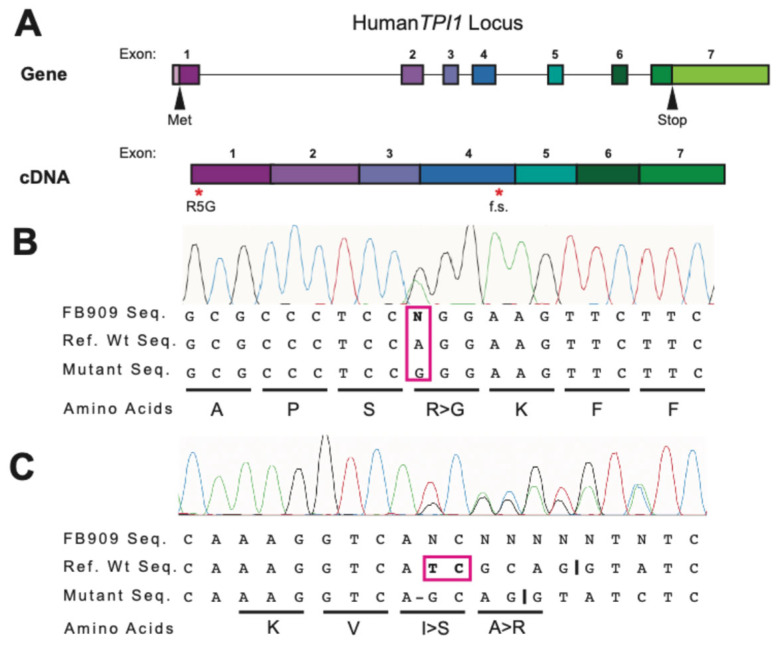 Figure 1
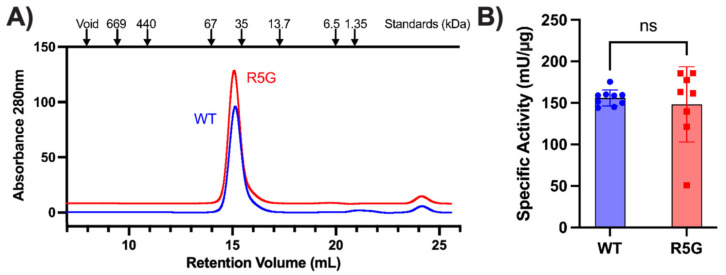 Figure 2
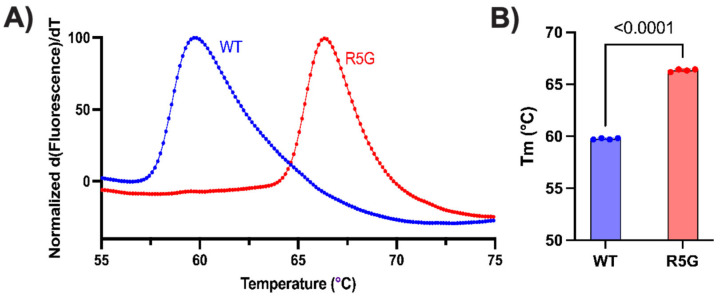 Figure 3
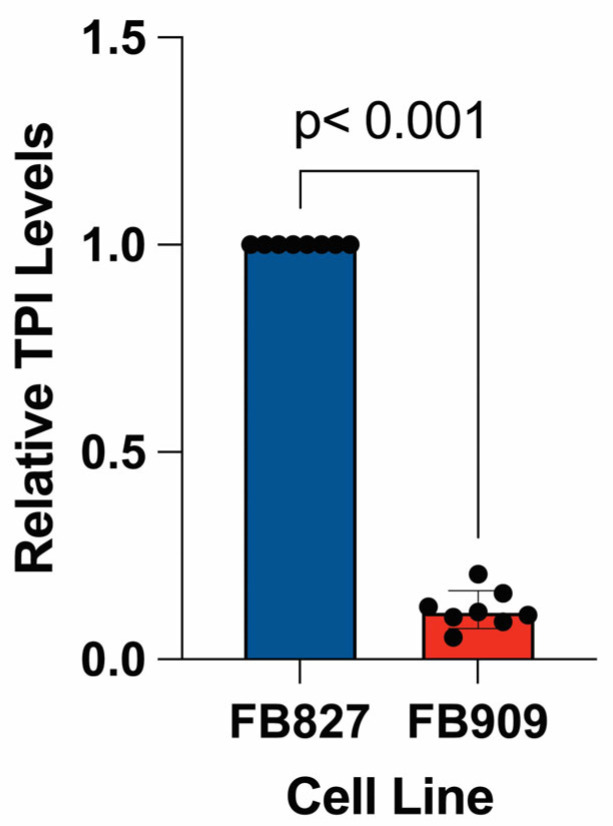 Figure 4
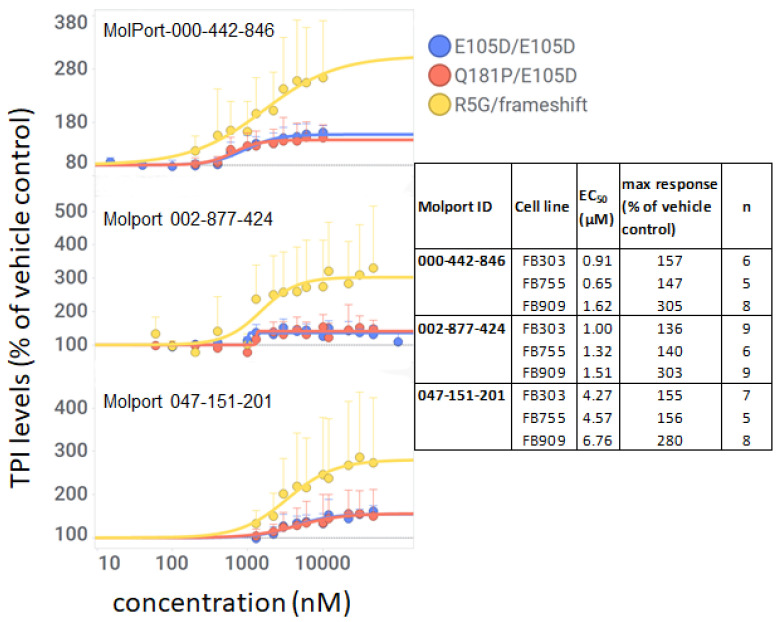 Figure 5
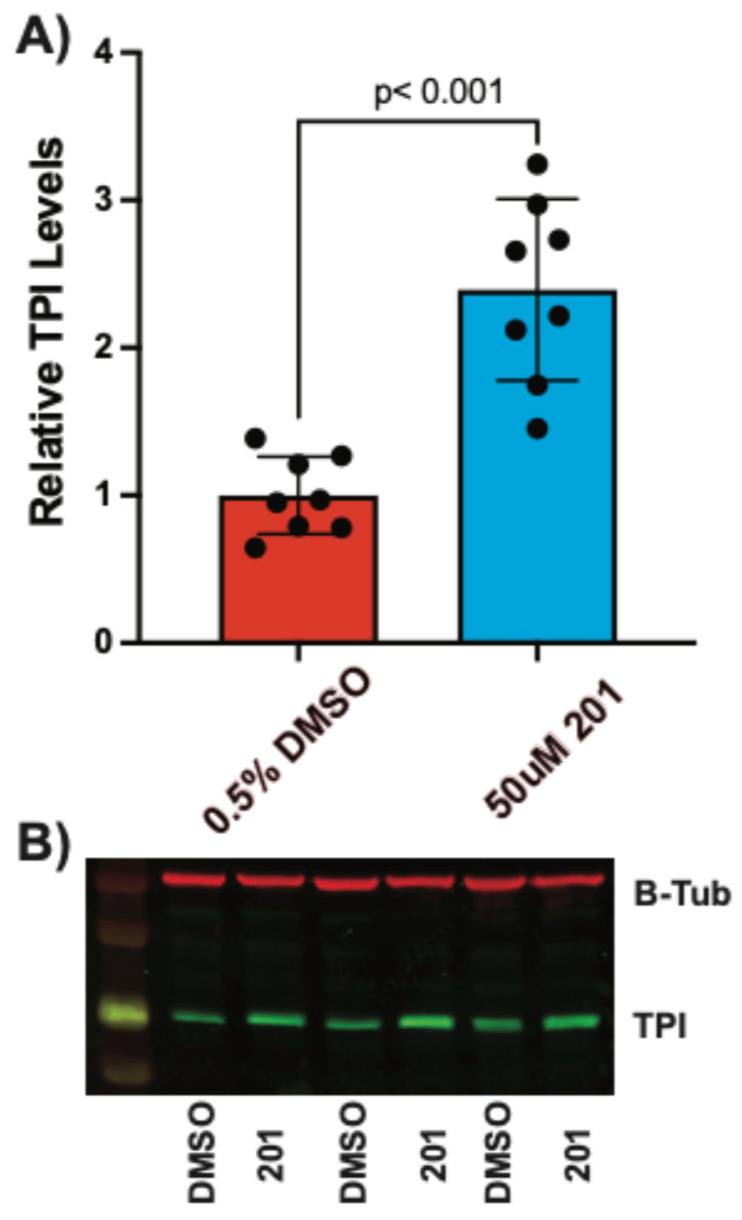 Figure 6
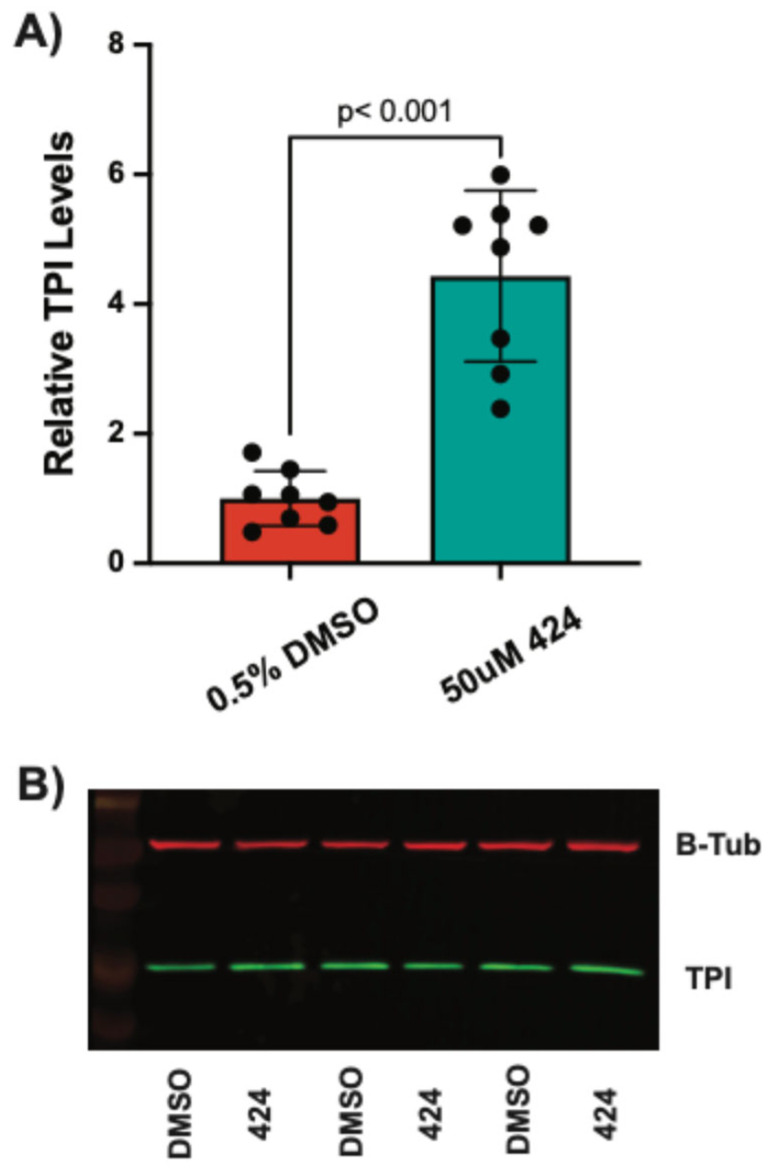 Figure 7
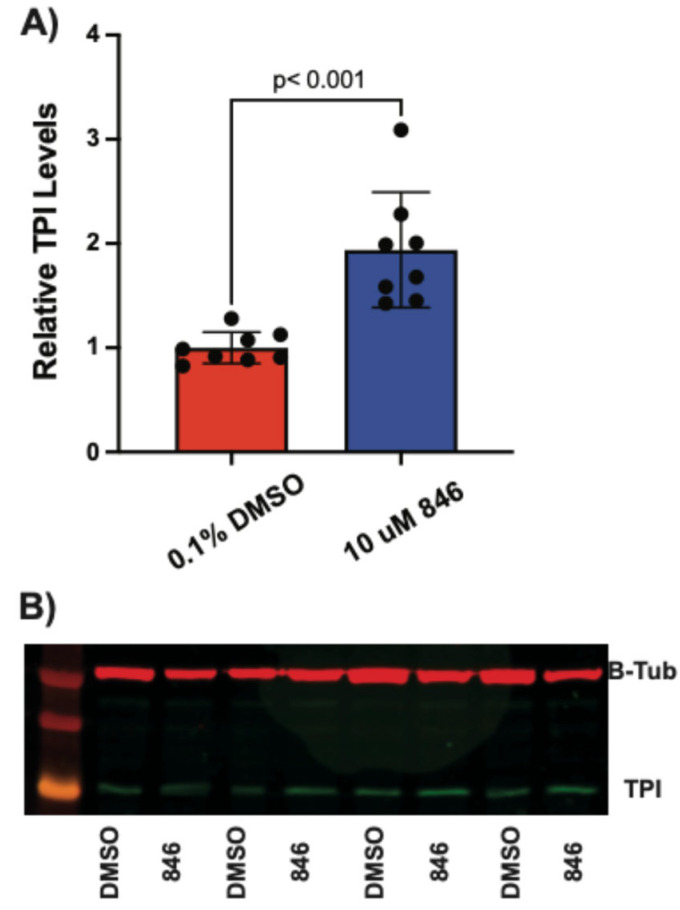 Figure 8
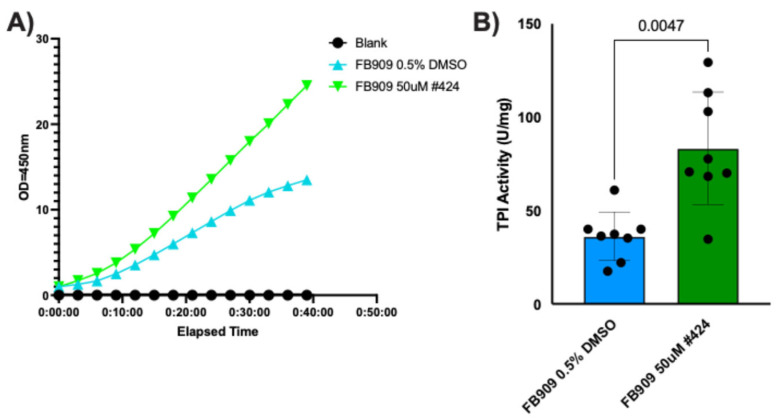 Figure 9
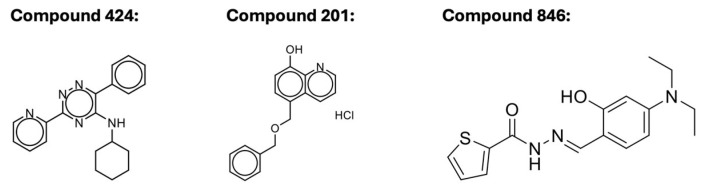 Figure 10
Peer Reviews
No public reviews on file for this paper yet. If you reviewed it on a platform where reviews are public (OpenReview, ICLR, NeurIPS, ICML), you can paste yours below so the community can read it here.
Videos
No videos yet. Explain this paper in a talk, walkthrough, or lecture? Add one.
Taxonomy
TopicsRNA regulation and disease · Endoplasmic Reticulum Stress and Disease · Coenzyme Q10 studies and effects