Identification of Regulatory RNA-Binding Genes in Spermatogonial Stem Cell Reprogramming to ES-like Cells Using Machine Learning–Integrated Transcriptomic and Network Analysis
Ali Shakeri Abroudi, Hossein Azizi, Hewa Khalid Abdullah, Marwa Fadhil Alsaffar, Thomas Skutella

TL;DR
This study shows that spermatogonial stem cells can be reprogrammed into embryonic stem cell-like cells using machine learning and transcriptomic analysis.
Contribution
The integration of transcriptomic and network analysis identifies novel regulatory RNA-binding genes involved in SSC reprogramming.
Findings
ES-like cells derived from SSCs express pluripotency markers like OCT4, DAZL, and VASA.
Transcriptomic and network analysis identified Ctdsp1, Rest, and Stra8 as hub regulatory RNA-binding genes.
Teratoma assays and single-cell RNA-seq confirmed the pluripotency and marker expression of reprogrammed cells.
Abstract
Spermatogonial stem cells (SSCs) are unipotent germline cells with emerging pluripotent potential under specific in vitro conditions. Understanding their capacity for reprogramming and the molecular mechanisms involved offers valuable insights into regenerative medicine and fertility preservation. SSCs were isolated from Oct4-GFP C57BL/6 transgenic mice using enzymatic digestion and cultured in defined media. Under these conditions, ES-like colonies emerged expressing pluripotency markers. These cells were characterized by immunocytochemistry, teratoma assays, and transcriptomic analyses using bulk and single-cell RNA sequencing datasets. Gene expression profiles were compared with ESCs and SSCs using datasets from GEO (GSE43850, GSE38776, GSE149512). Protein–protein interaction (PPI) networks and co-expression modules were explored through STRING, Cytoscape, and WGCNA. ES-like cells…
Genes, proteins, chemicals, diseases, species, mutations and cell lines named across the full text — each resolved to its canonical identifier and authoritative record.
Click any figure to enlarge with its caption.
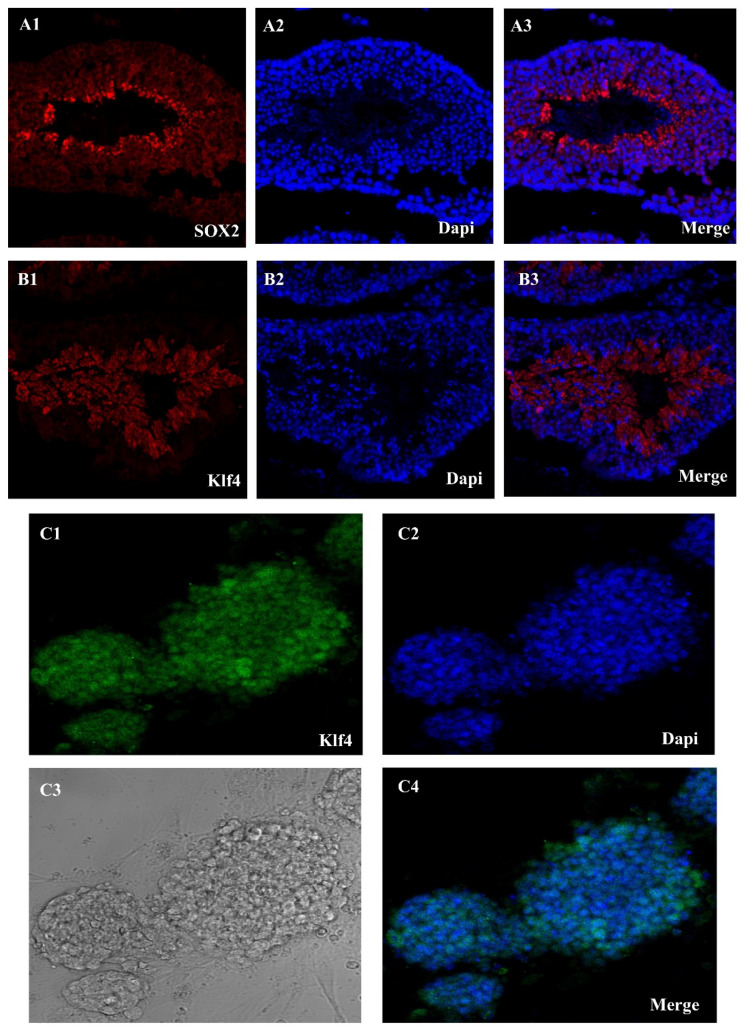 Figure 1
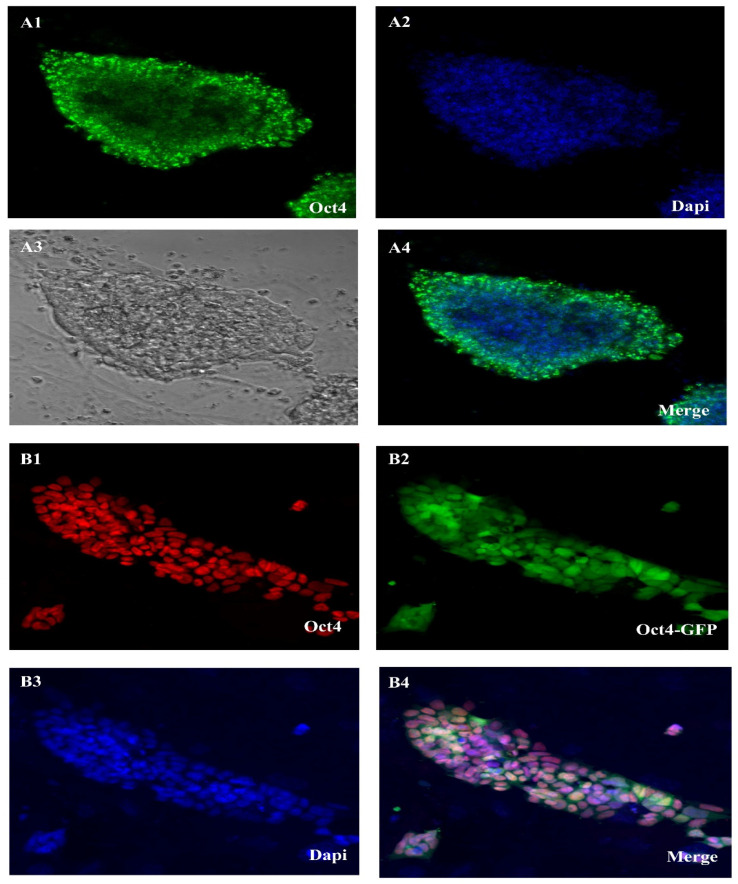 Figure 2
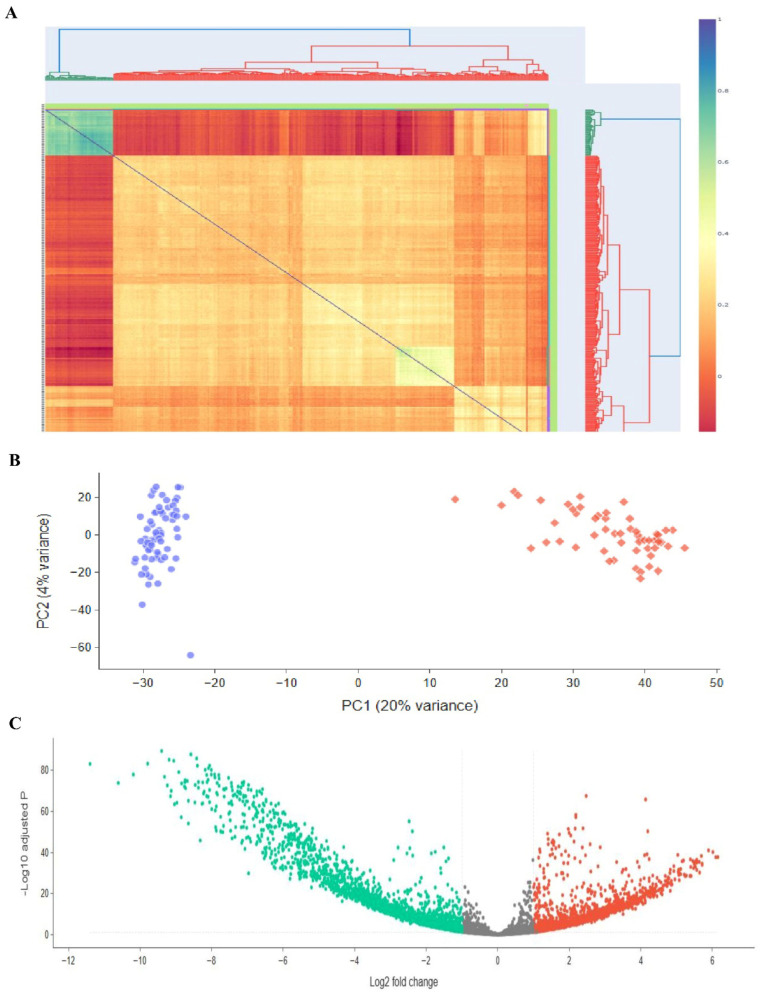 Figure 3
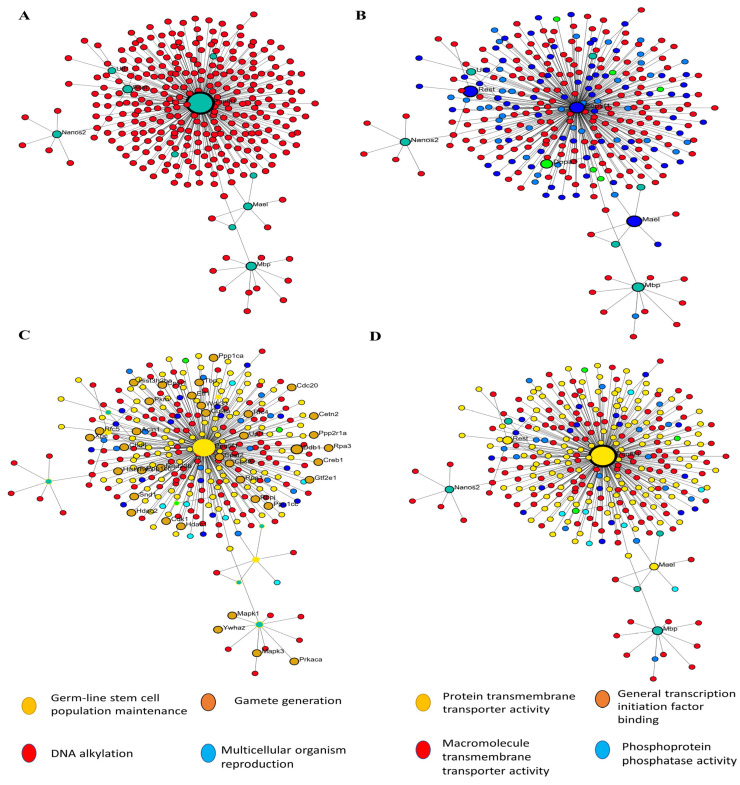 Figure 4
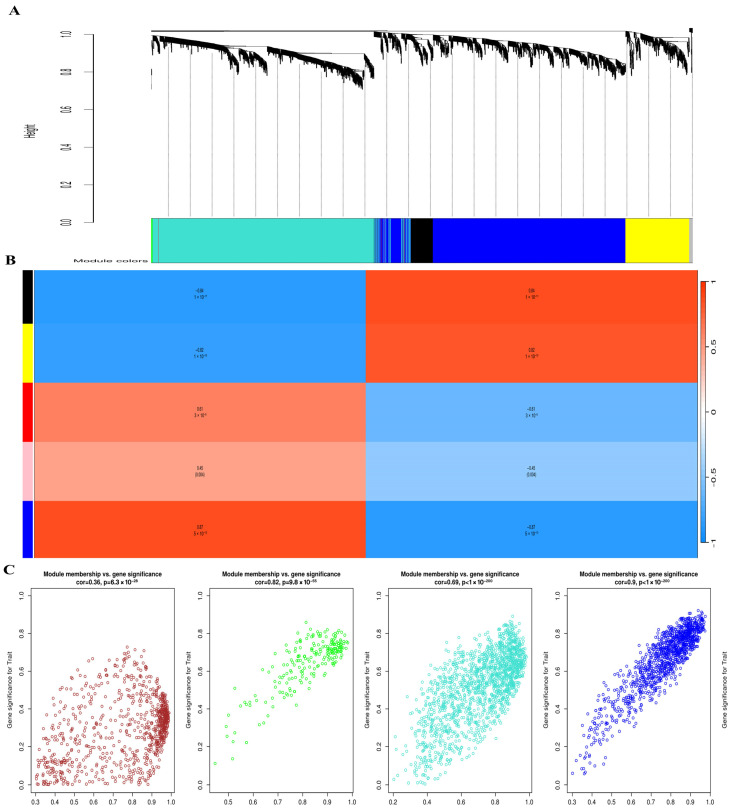 Figure 5
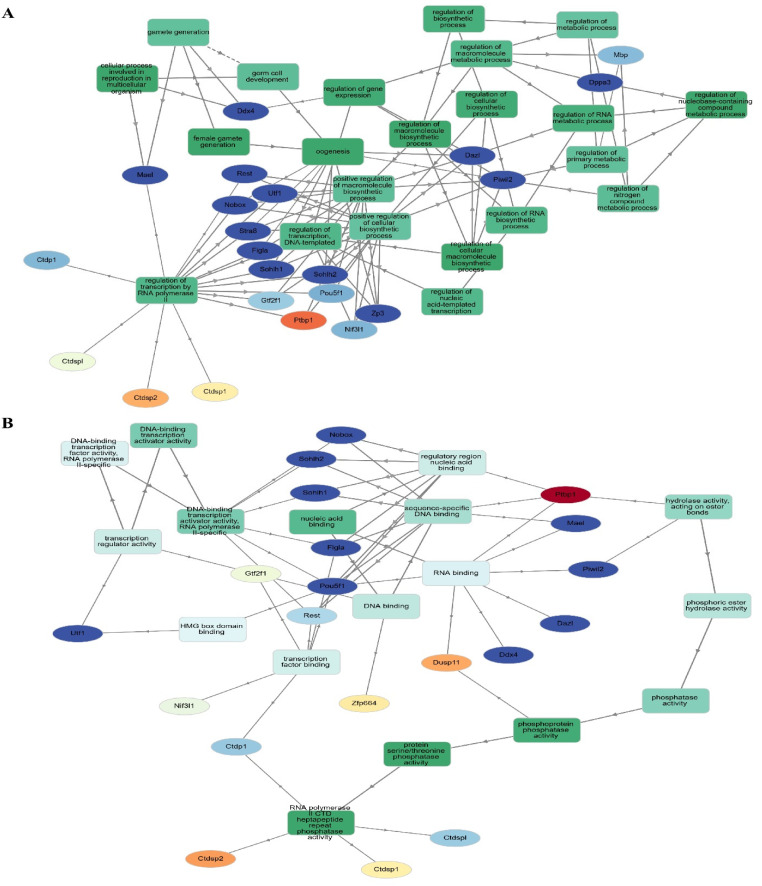 Figure 6
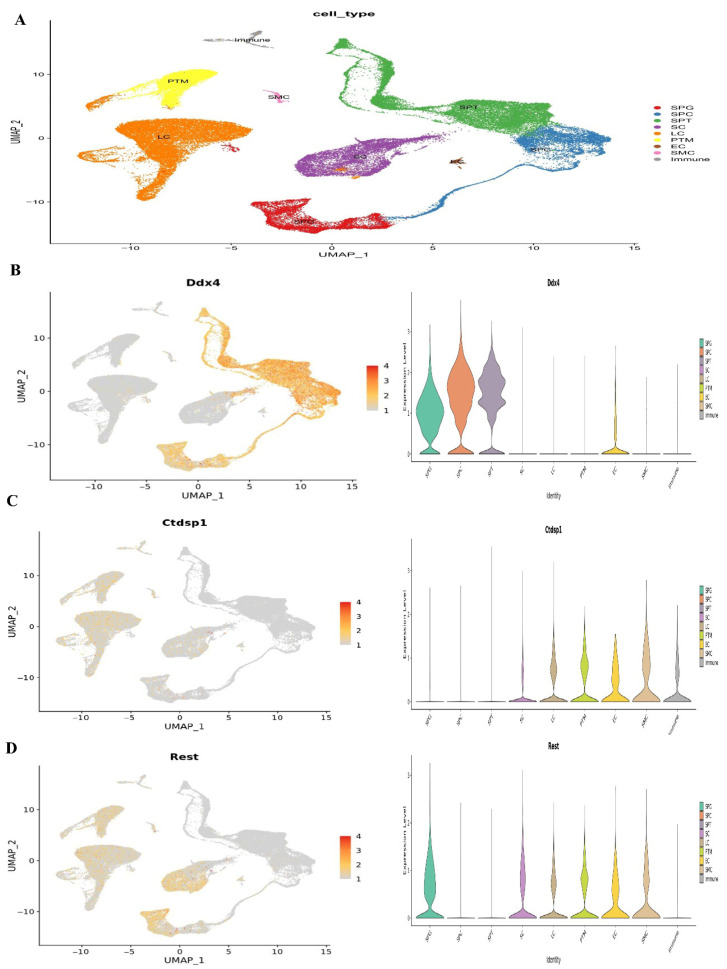 Figure 7
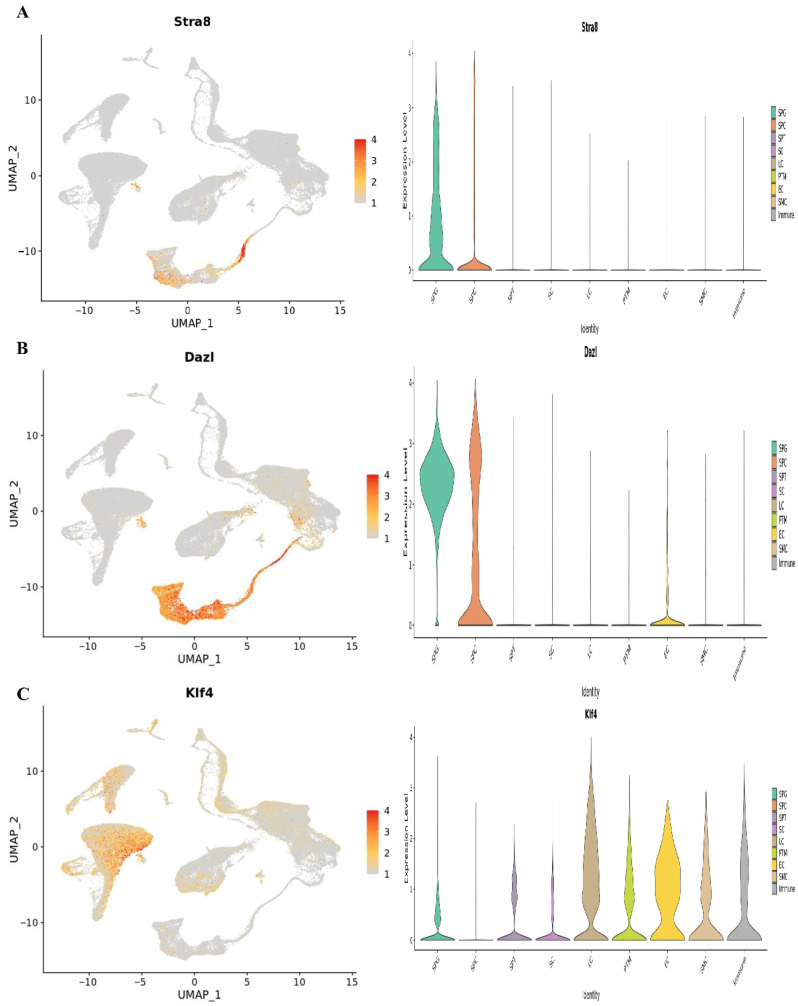 Figure 8
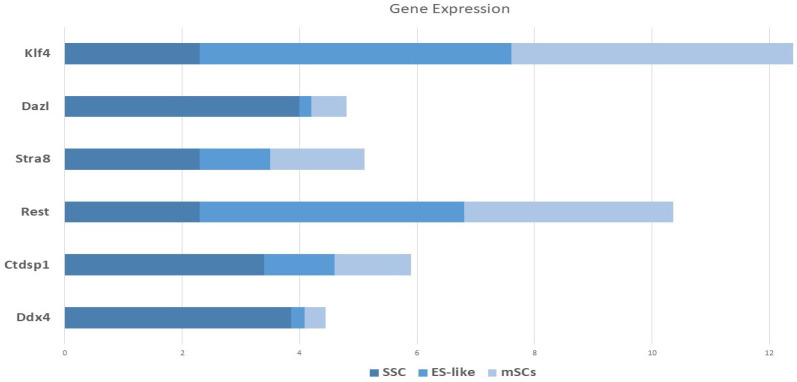 Figure 9
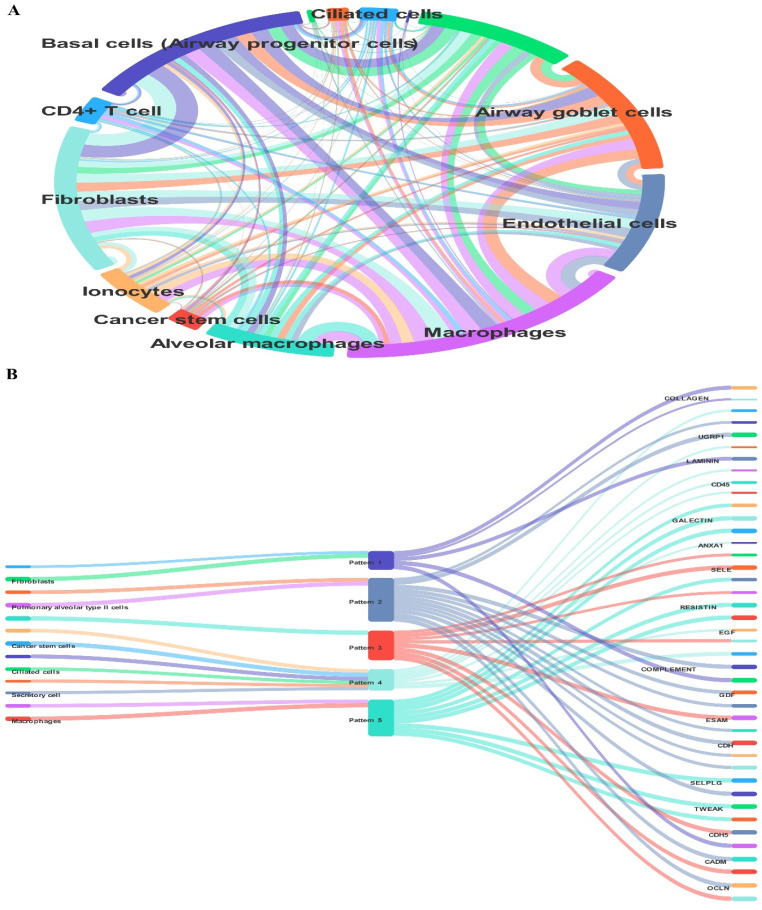 Figure 10
Peer Reviews
No public reviews on file for this paper yet. If you reviewed it on a platform where reviews are public (OpenReview, ICLR, NeurIPS, ICML), you can paste yours below so the community can read it here.
Videos
No videos yet. Explain this paper in a talk, walkthrough, or lecture? Add one.
Taxonomy
TopicsAnimal Genetics and Reproduction · Molecular Biology Techniques and Applications · Pluripotent Stem Cells Research