Epigenetic Modulation and Neuroprotective Effects of Neurofabine-C in a Transgenic Model of Alzheimer’s Disease
Ivan Carrera, Vinogran Naidoo, Lola Corzo, Olaia Martínez-Iglesias, Ramón Cacabelos

TL;DR
Neurofabine-C, a compound from cocoa and faba bean, shows neuroprotective effects by reducing inflammation and promoting neuronal health in a mouse model of Alzheimer's.
Contribution
The study reveals novel epigenetic mechanisms of Neurofabine-C in modulating neuroinflammation and neurodegeneration.
Findings
Neurofabine-C reduced neuroinflammation and neuronal degeneration in transgenic mice.
It increased neurogenesis and induced epigenetic changes like enhanced DNA methylation.
Key neuroprotective genes were upregulated, while harmful gene expressions decreased.
Abstract
Background: Currently, there are limited therapeutic or preventative strategies for neurodegenerative disorders due to the challenges in alleviating the progressive neuronal loss and neuroinflammation which are the primary characteristics of these diseases, ultimately leading to cell death and functional impairment. Cocoa-derived flavanols (Theobroma cacao) have been studied as potential bioactive compounds to modify and reverse various inflammation-associated diseases because of their remarkable antioxidant properties and capacity to modulate metabolic imbalance and reactive inflammatory responses. The faba bean (Vicia faba) extract obtained through nondenaturing biotechnological processes is a potent dopamine (DA) enhancer that has shown promising results as a neuroprotective agent against degeneration. Objective: This study will examine the synergistic effects of Neurofabine-C, a…
Genes, proteins, chemicals, diseases, species, mutations and cell lines named across the full text — each resolved to its canonical identifier and authoritative record.
Click any figure to enlarge with its caption.
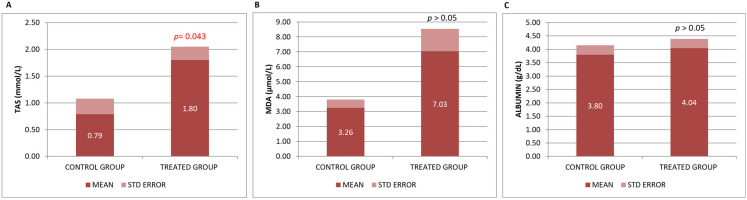 Figure 1
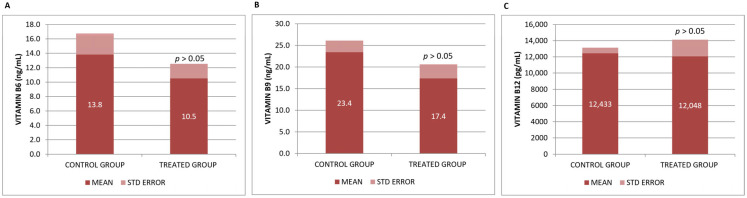 Figure 2
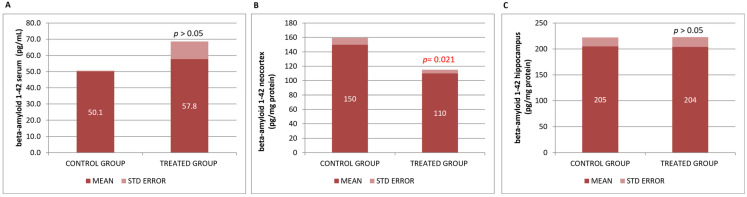 Figure 3
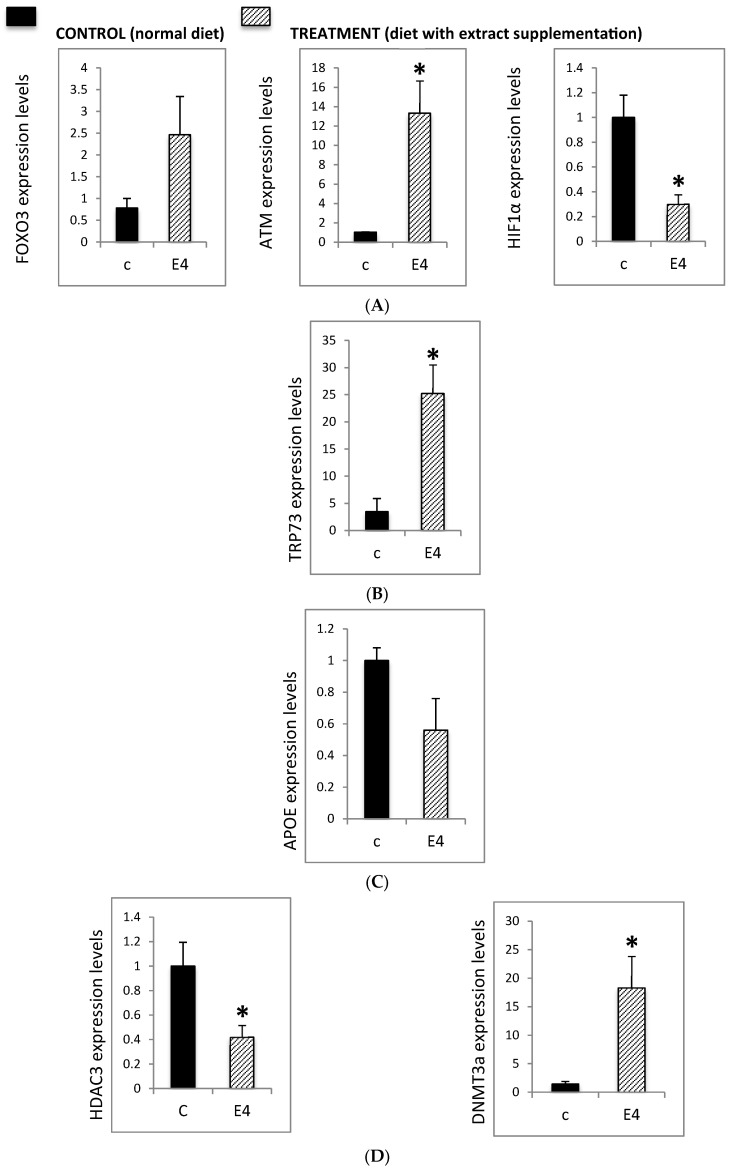 Figure 4
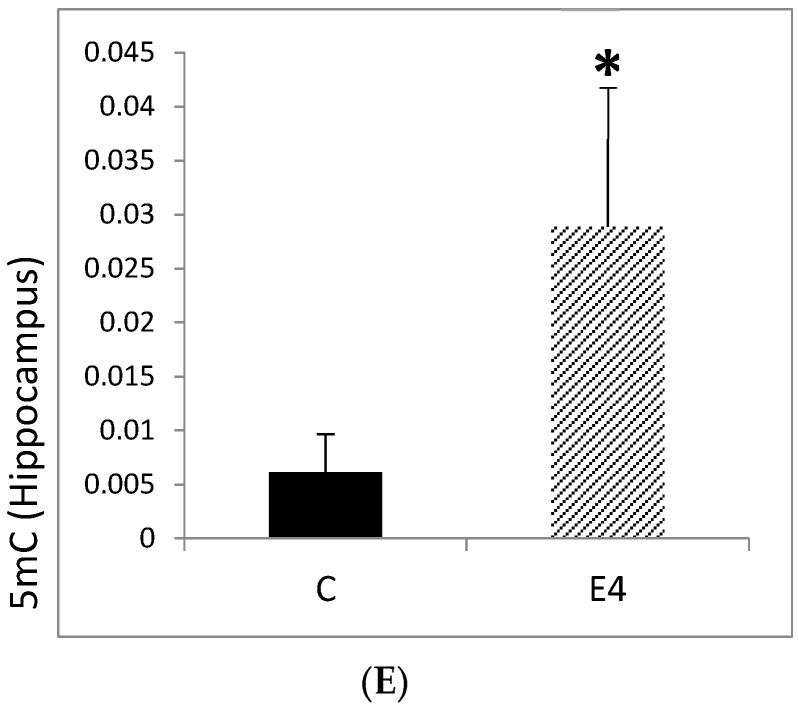 Figure 5
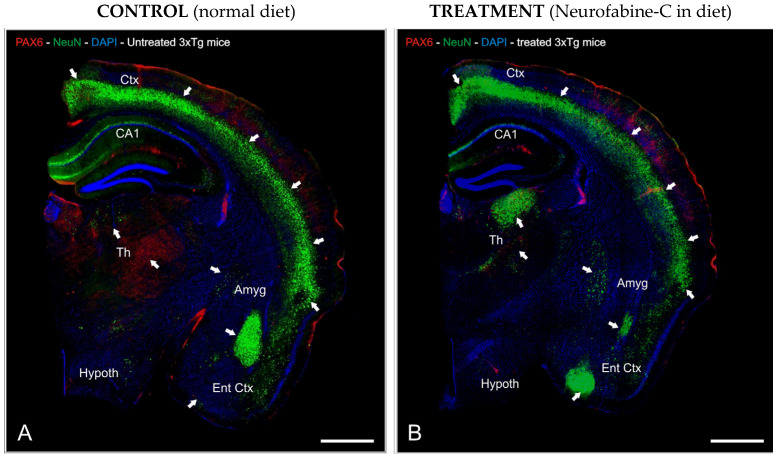 Figure 6
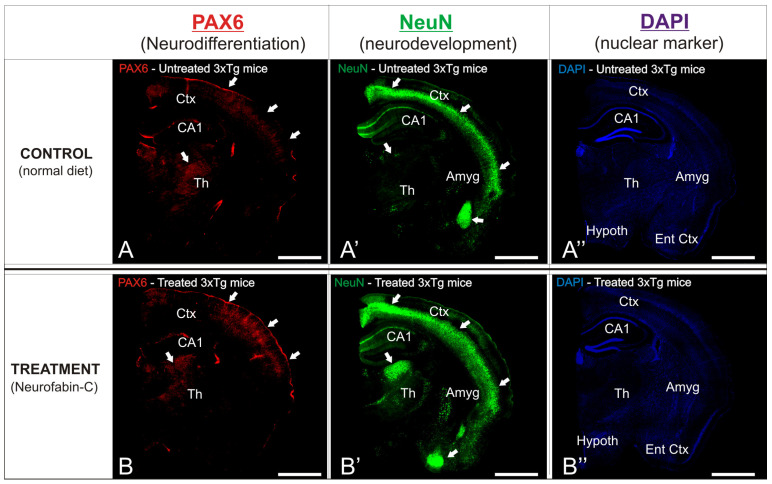 Figure 7
Peer Reviews
No public reviews on file for this paper yet. If you reviewed it on a platform where reviews are public (OpenReview, ICLR, NeurIPS, ICML), you can paste yours below so the community can read it here.
Videos
No videos yet. Explain this paper in a talk, walkthrough, or lecture? Add one.
Taxonomy
TopicsTryptophan and brain disorders · Genetics, Aging, and Longevity in Model Organisms · Alzheimer's disease research and treatments