In Vitro Regeneration of Stevia rebaudiana Bertoni Using Somaclonal Variation as a Tool for Genetic Diversification
Magdalena Dyduch-Siemińska, Jacek Gawroński

TL;DR
This study explores how to use in vitro regeneration to create genetic diversity in Stevia rebaudiana, a plant known for its natural sweeteners.
Contribution
The study demonstrates that indirect regeneration can generate somaclonal variation and increase genetic diversity in Stevia rebaudiana using SCoT markers.
Findings
First-generation somaclones showed high callus initiation capacity (95-100%).
The highest shoot development occurred in media with 0.5 mg/L BAP and 0.25 mg/L Kin.
First-generation somaclones exhibited greater genetic diversity compared to second-generation ones.
Abstract
Introduction: Stevia rebaudiana Bertoni has recently gained significant attention due to the presence of intensely sweet yet low-calorie steviol glycosides (SGs) in its leaves, making it a promising natural sugar alternative with applications in the food, pharmaceutical, and cosmetics industries. The primary goal of this study was to determine whether generating somaclonal variation from plant material obtained by indirect regeneration results in further genetic changes identifiable using the SCoT marker (Start Codon Targeted). Methods: In the first stage, callus tissue was initiated from first-generation somaclones on MS medium supplemented with 4.0 mg/L 6-benzylaminopurine (BAP), 2.0 mg/L 1-naphthaleneacetic acid (NAA), and 2.0 mg/L 2,4-dichlorophenoxyacetic acid (2,4-D). Their morphogenetic potential was analyzed on four media with different BAP and Kinetin concentrations. Donor…
Genes, proteins, chemicals, diseases, species, mutations and cell lines named across the full text — each resolved to its canonical identifier and authoritative record.
Click any figure to enlarge with its caption.
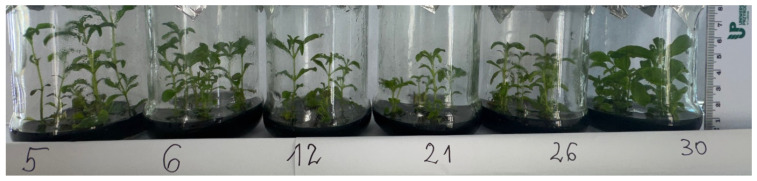 Figure 1
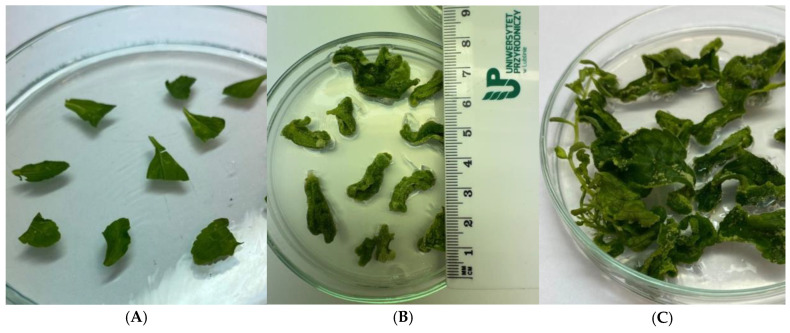 Figure 2
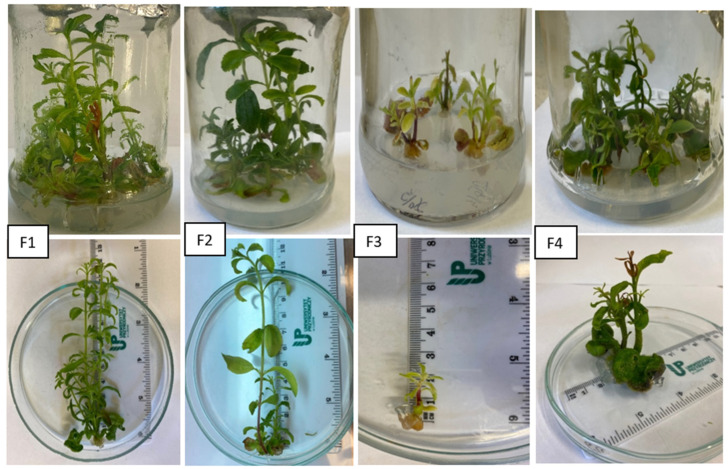 Figure 3
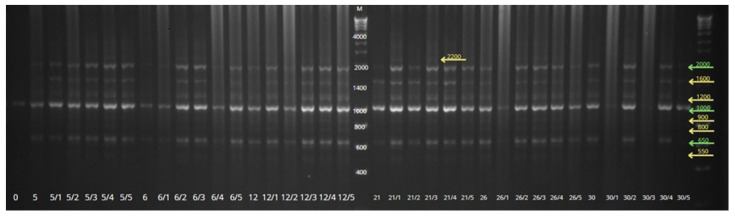 Figure 4
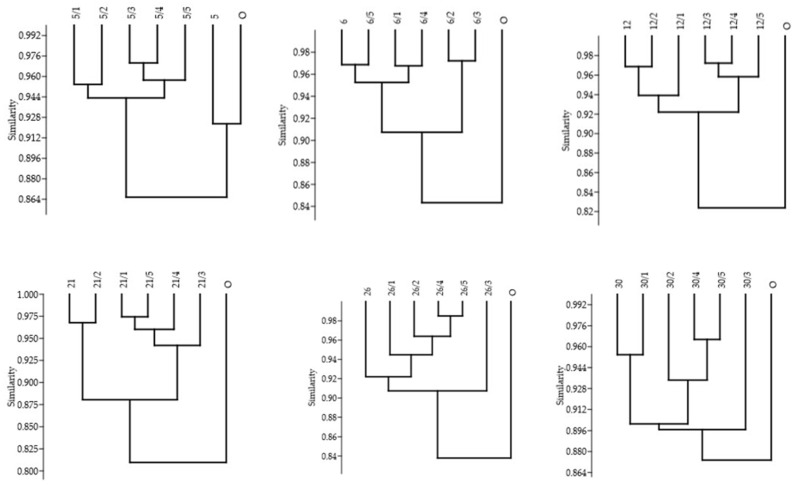 Figure 5
Peer Reviews
No public reviews on file for this paper yet. If you reviewed it on a platform where reviews are public (OpenReview, ICLR, NeurIPS, ICML), you can paste yours below so the community can read it here.
Videos
No videos yet. Explain this paper in a talk, walkthrough, or lecture? Add one.
Taxonomy
TopicsBiochemical Analysis and Sensing Techniques · Plant Molecular Biology Research · Advances in Cucurbitaceae Research