Lead Exposure and Bladder Cancer: Molecular Insights from TCGA RNA-Seq and Toxicogenomic Integration
Gözde Öztan, Halim İşsever, Tuğçe İşsever, Levent Şahin

TL;DR
This study finds that lead exposure may influence bladder cancer by affecting gene activity related to cell growth and repair, potentially helping identify higher-risk patients.
Contribution
The study identifies lead-linked genes in bladder cancer and links them to patient outcomes, suggesting potential for targeted care.
Findings
Lead-associated genes are significantly enriched in bladder cancer differentially expressed genes.
AQP12B is independently prognostic for overall survival in bladder cancer patients.
A composite lead-response score shows a directionally protective association with survival.
Abstract
This study examines how exposure to lead may influence bladder cancer. Using large public cancer datasets together with resources that track the health effects of lead, we analyzed patterns of gene activity in bladder tumors. We identified a group of lead-linked genes that appear more often in these cancers. These genes point to changes in how cells grow, repair themselves, and interact with neighboring cells—processes closely tied to cancer behavior. The combined pattern of lead-related genes was also linked to differences in patient outcomes, suggesting that it could help flag people at higher risk and guide more targeted care. Overall, our findings highlight the importance of considering environmental toxins, especially lead, when trying to understand bladder cancer. They provide a basis for future tests and treatments that use lead-related molecular signals to improve diagnosis and…
Genes, proteins, chemicals, diseases, species, mutations and cell lines named across the full text — each resolved to its canonical identifier and authoritative record.
Click any figure to enlarge with its caption.
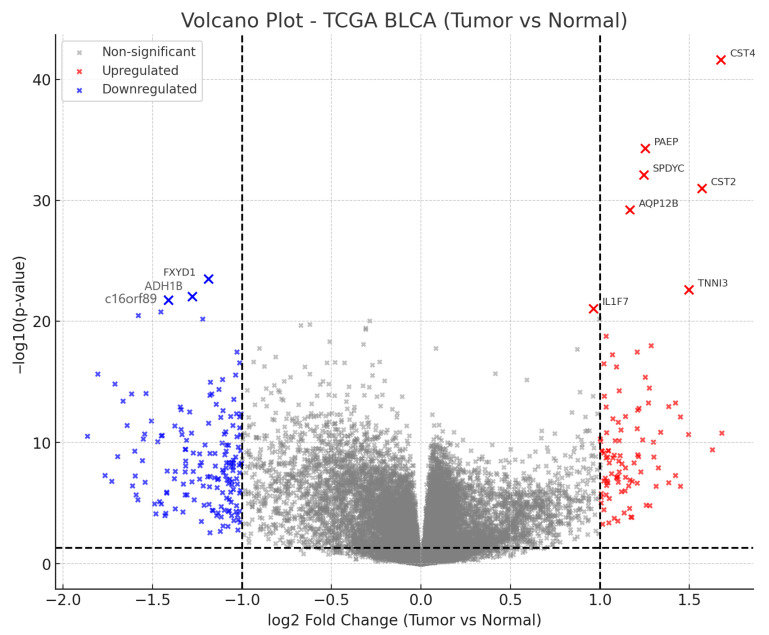 Figure 1
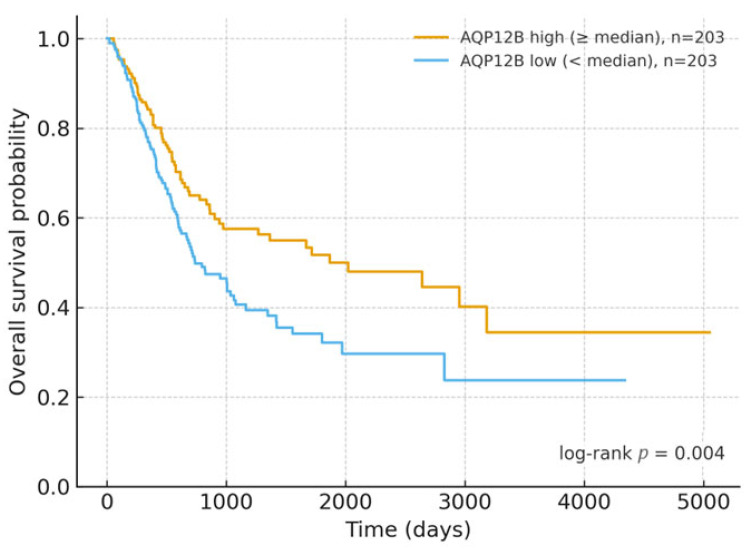 Figure 2
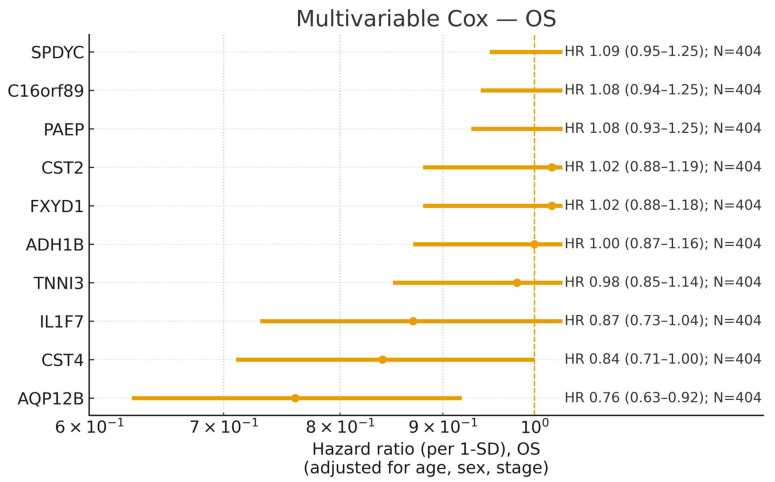 Figure 3
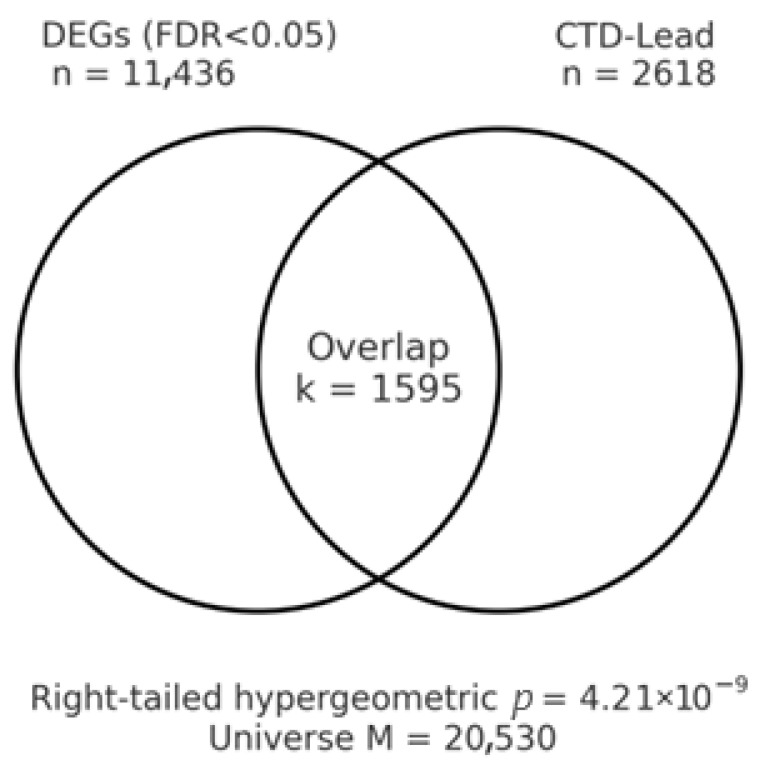 Figure 4
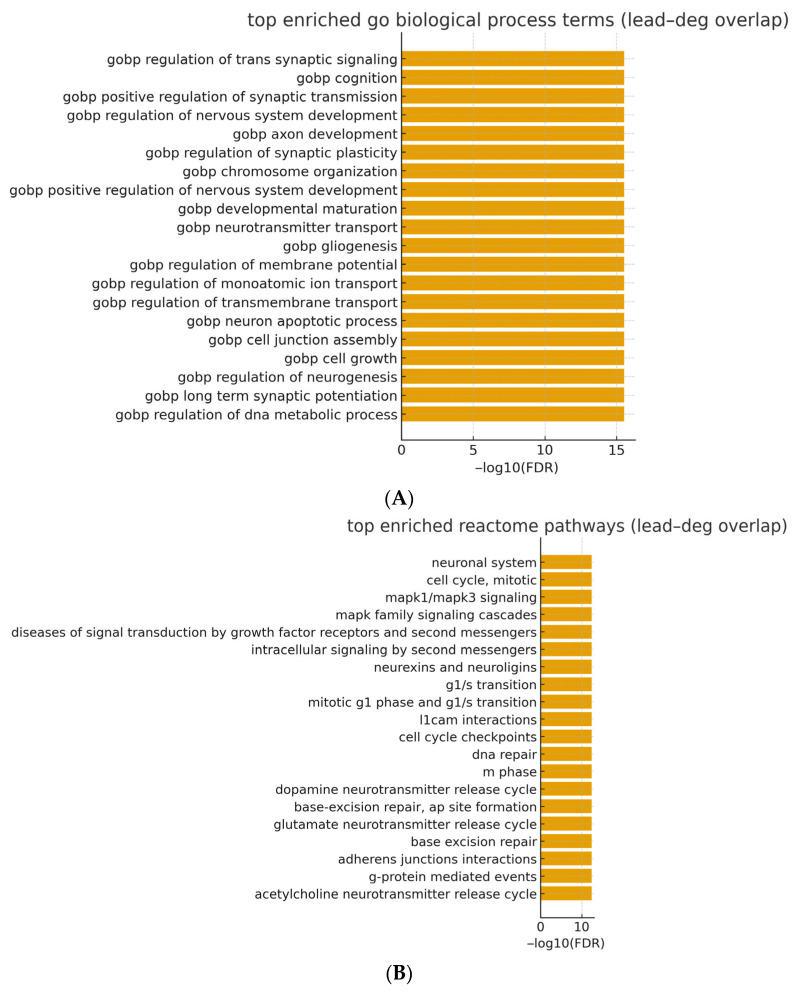 Figure 5
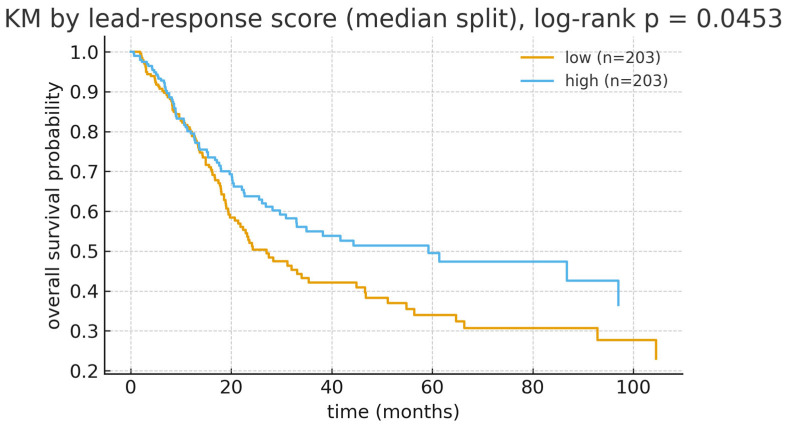 Figure 6
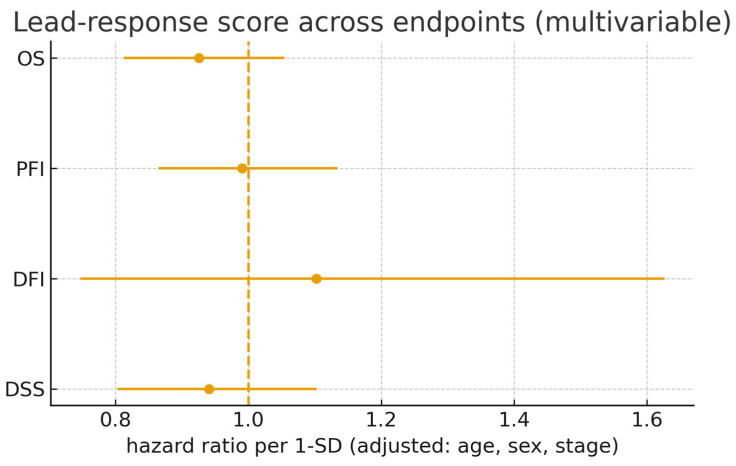 Figure 7
Peer Reviews
No public reviews on file for this paper yet. If you reviewed it on a platform where reviews are public (OpenReview, ICLR, NeurIPS, ICML), you can paste yours below so the community can read it here.
Videos
No videos yet. Explain this paper in a talk, walkthrough, or lecture? Add one.
Taxonomy
TopicsEpigenetics and DNA Methylation