In Silico Characterization of Pathogenic ESR2 Coding and UTR Variants as Oncogenic Potential Biomarkers in Hormone-Dependent Cancers
Hakeemah Al-Nakhle, Zainab Almoerifi, Layan Alharbi, Mashael Alayoubi, Rawan Alharbi

TL;DR
This study identifies ESR2 gene variants that may contribute to hormone-dependent cancers by affecting estrogen receptor stability and function, with potential implications for biomarker development.
Contribution
The study provides a novel integrative in silico analysis of ESR2 coding and UTR variants, linking their pathogenic effects to oncogenic potential and tumor-specific survival outcomes.
Findings
93 missense nsSNPs in ESR2 were consistently predicted to be deleterious, destabilizing ERβ1 structure and function.
Variants R198P and D154N showed high oncogenic potential and disrupted interactions with transcriptional partners like JUN and NCOA1.
ESR2 alterations were associated with worse survival in breast cancer but better survival in endometrial and ovarian cancers.
Abstract
Background: The ESR2 gene encodes Estrogen Receptor-β1 (ERβ1), a putative tumor suppressor in hormone-dependent malignancies. Although ERβ biology has been studied extensively at the expression level, the functional impact of nonsynonymous SNPs (nsSNPs) and untranslated-region (UTR) variants in ESR2 remains underexplored. Methods: We retrieved variants from Ensembl and performed an integrative in silico assessment using PredictSNP, I-Mutant, MUpro, HOPE, MutPred2, and CScape for pathogenicity, oncogenicity and structural stability; STRING/KEGG/GO for pathway context; RegulomeDB and polymiRTS for regulatory effects; and cBioPortal for pan-cancer clinical outcomes (breast (BRCA), endometrial (UCEC), and ovarian (OV)). We evaluated effects of nsSNPs on ERβ1 stability, ligand-binding/DNA-binding domains, co-factor recruitment, and post-transcriptional regulation. Results: Across tools, 93…
Genes, proteins, chemicals, diseases, species, mutations and cell lines named across the full text — each resolved to its canonical identifier and authoritative record.
Click any figure to enlarge with its caption.
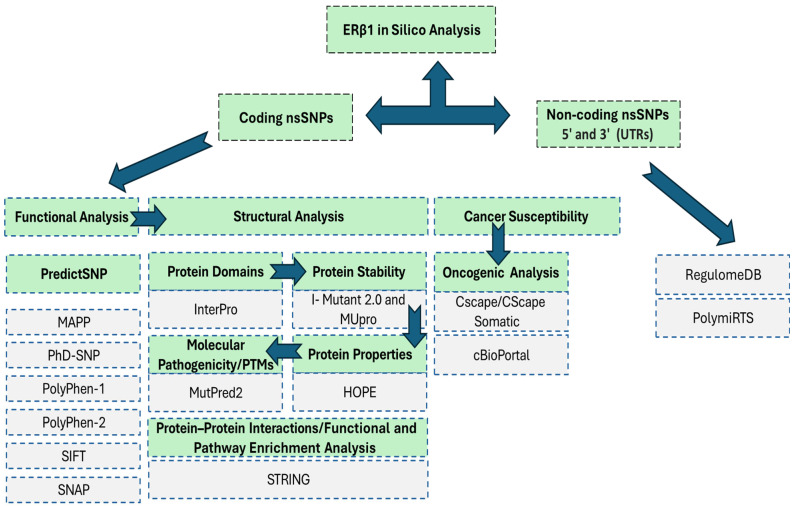 Figure 1
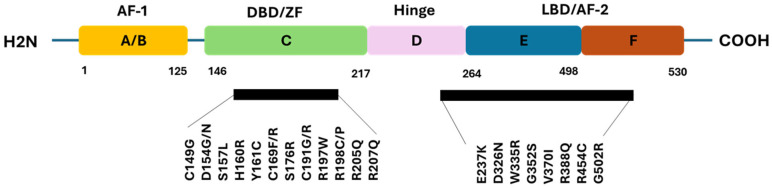 Figure 2
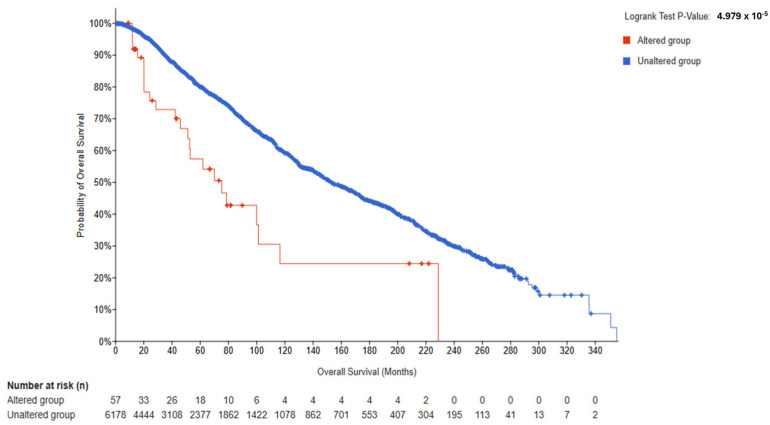 Figure 3
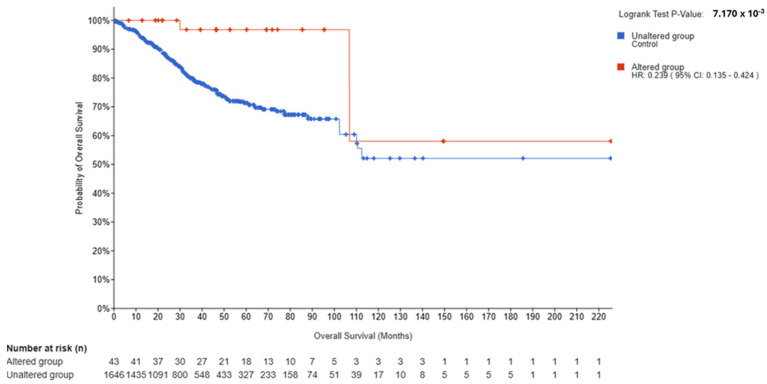 Figure 4
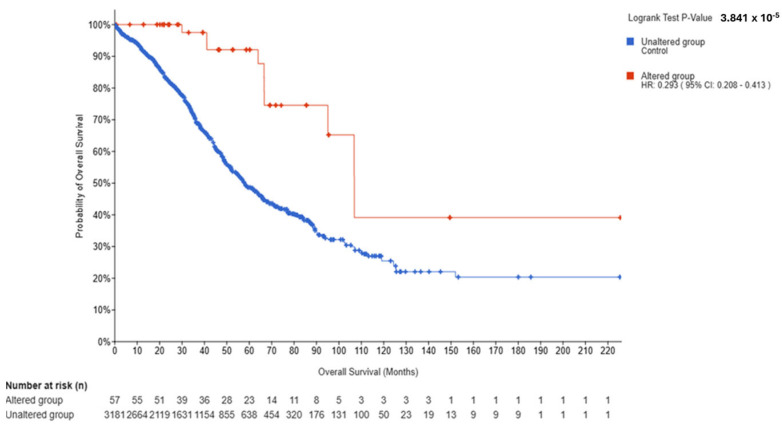 Figure 5
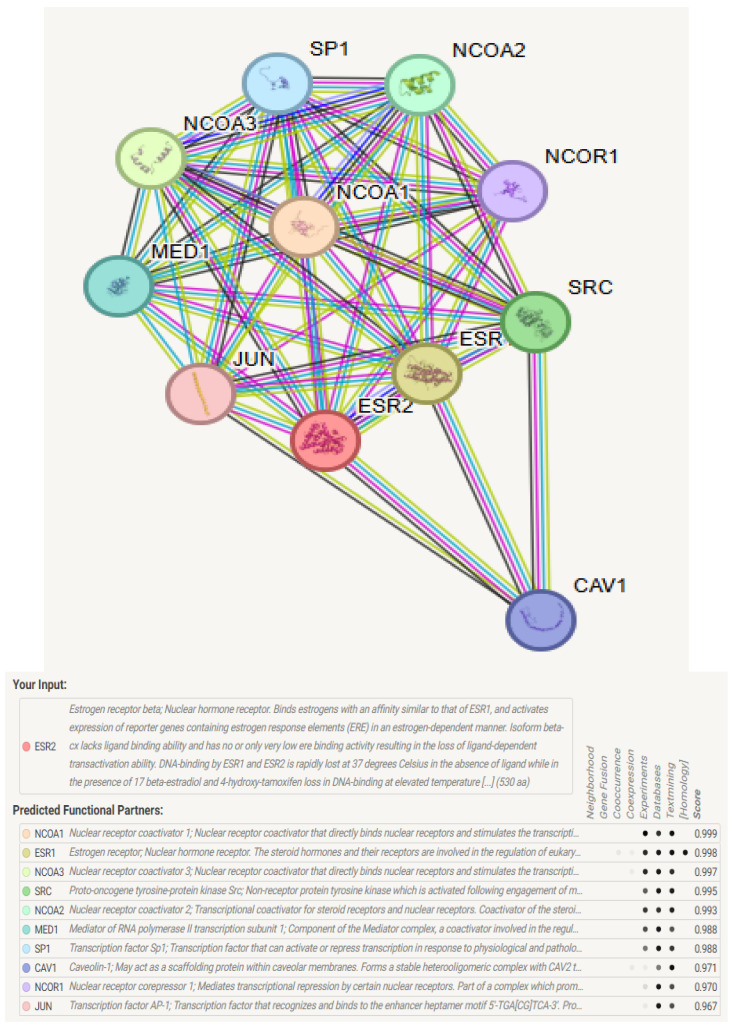 Figure 6
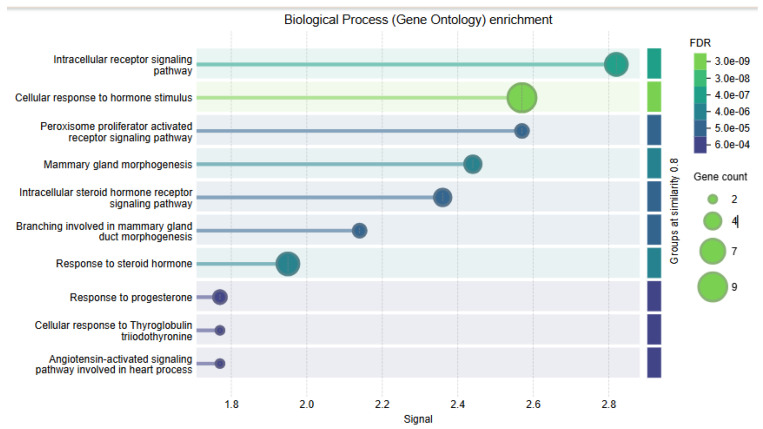 Figure 7
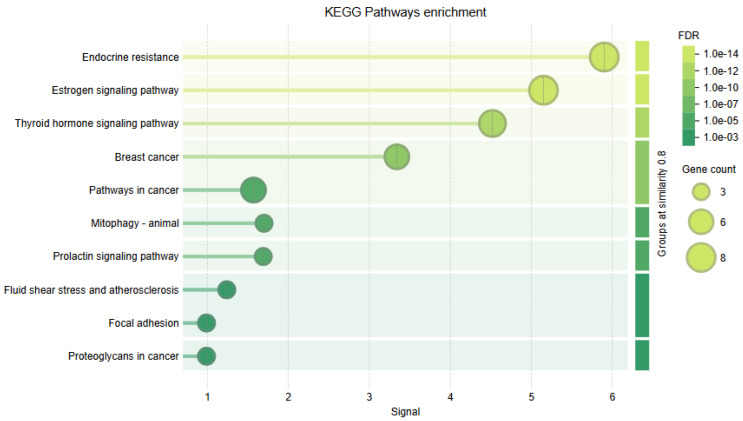 Figure 8
Peer Reviews
No public reviews on file for this paper yet. If you reviewed it on a platform where reviews are public (OpenReview, ICLR, NeurIPS, ICML), you can paste yours below so the community can read it here.
Videos
No videos yet. Explain this paper in a talk, walkthrough, or lecture? Add one.
Taxonomy
TopicsRadiation Effects and Dosimetry · Estrogen and related hormone effects