Suppression of Cornea Stromal Fibrosis by Vitamin D
Xiaowen Lu, Zhong Chen, Jerry Lu, Mitchell A. Watsky

TL;DR
This study shows that two forms of vitamin D can reduce corneal fibrosis in human and mouse cells, offering potential new treatments for vision loss.
Contribution
The study reveals that 24,25-dihydroxyvitamin D3 has antifibrotic effects even without the vitamin D receptor.
Findings
Both 1,25 and 24,25 vitamin D reduced α-smooth muscle actin levels in corneal cells and organ-cultured corneas.
24,25 vitamin D exerted antifibrotic effects in VDR KO cells, suggesting a receptor-independent mechanism.
VDR KO corneas showed increased fibrosis and reduced immune cell infiltration after injury.
Abstract
Corneal fibrosis, a significant source of visual impairment, can result from keratocyte-to-myofibroblast transdifferentiation during wound healing. This study investigated the antifibrotic role of 1,25-dihydroxyvitamin D3 (1,25 Vit D) and the lesser-known vitamin D, 24,25-dihydroxyvitamin D3 (24,25 Vit D), in human and mouse corneal stromal cells (HSCs and MSCs) and in a Vit D receptor knockout (VDR KO) mouse model. Cells were treated with TGF-β1 ± Vit D metabolites and the expression of fibrotic and antifibrotic genes and proteins was evaluated. Both metabolites significantly reduced α-smooth muscle actin levels in HSCs, MSCs and organ-cultured mouse corneas (p < 0.05). They also upregulated the mRNA expression of BMP2, BMP6, BMPR2, and TGF-β3, as well as the protein expression of BMP6 and TGF-β3. VDR KO corneas subjected to alkali injury exhibited increased fibrotic responses and…
Genes, proteins, chemicals, diseases, species, mutations and cell lines named across the full text — each resolved to its canonical identifier and authoritative record.
Click any figure to enlarge with its caption.
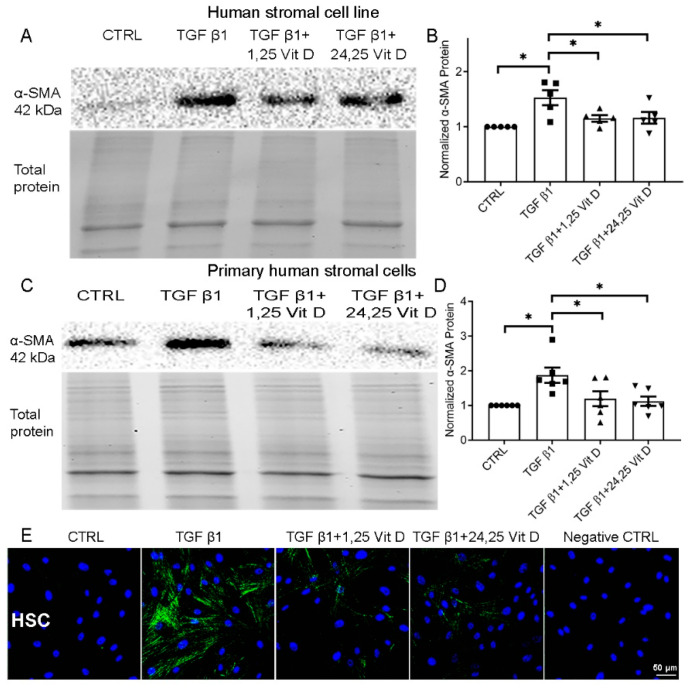 Figure 1
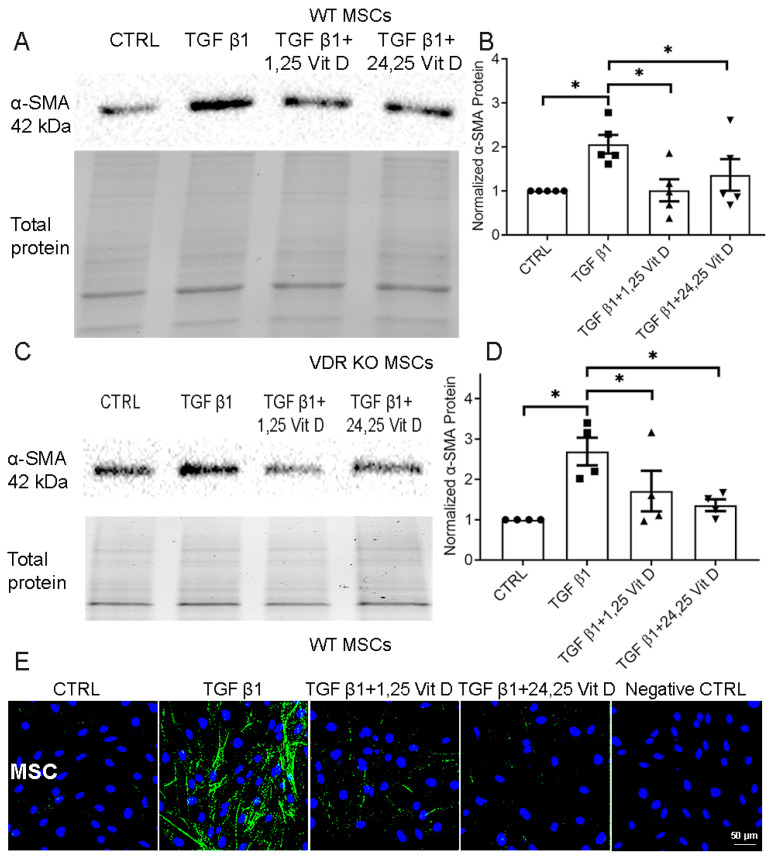 Figure 2
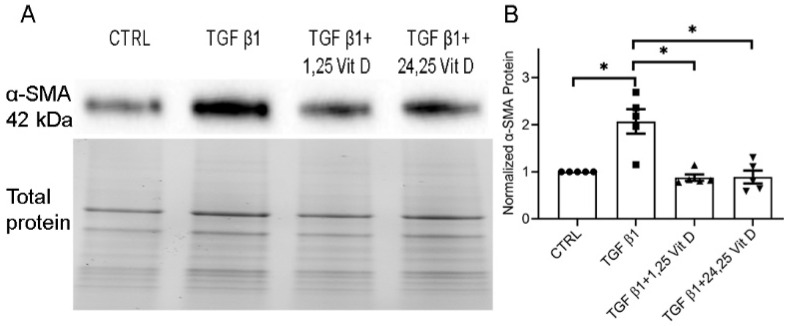 Figure 3
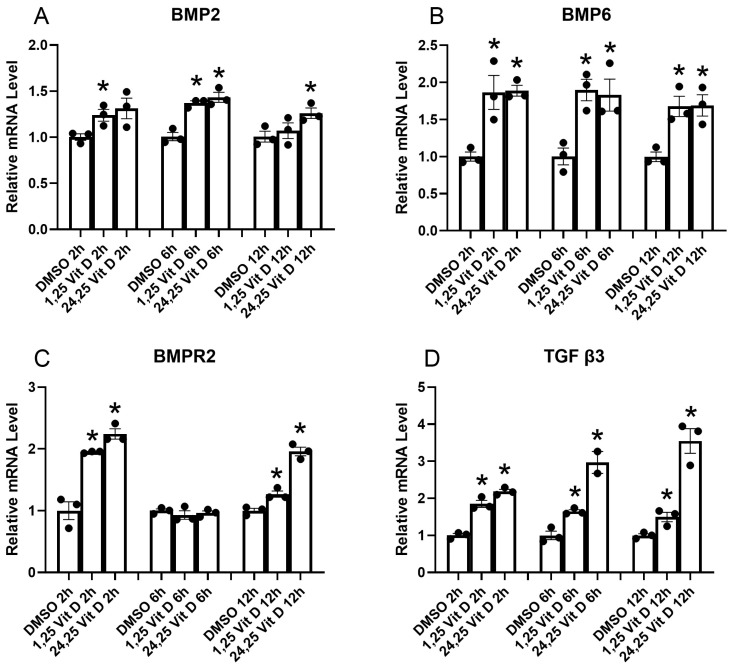 Figure 4
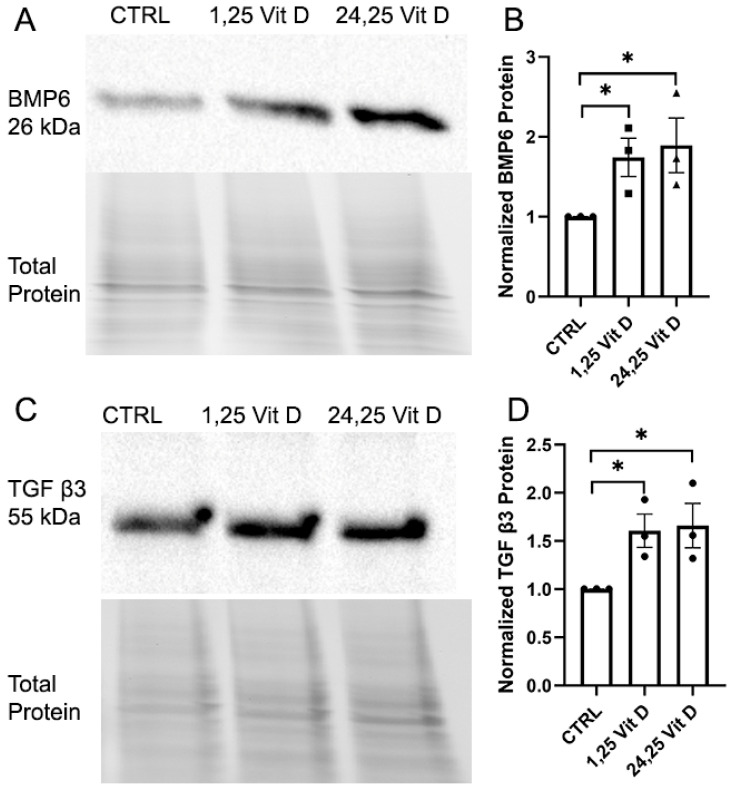 Figure 5
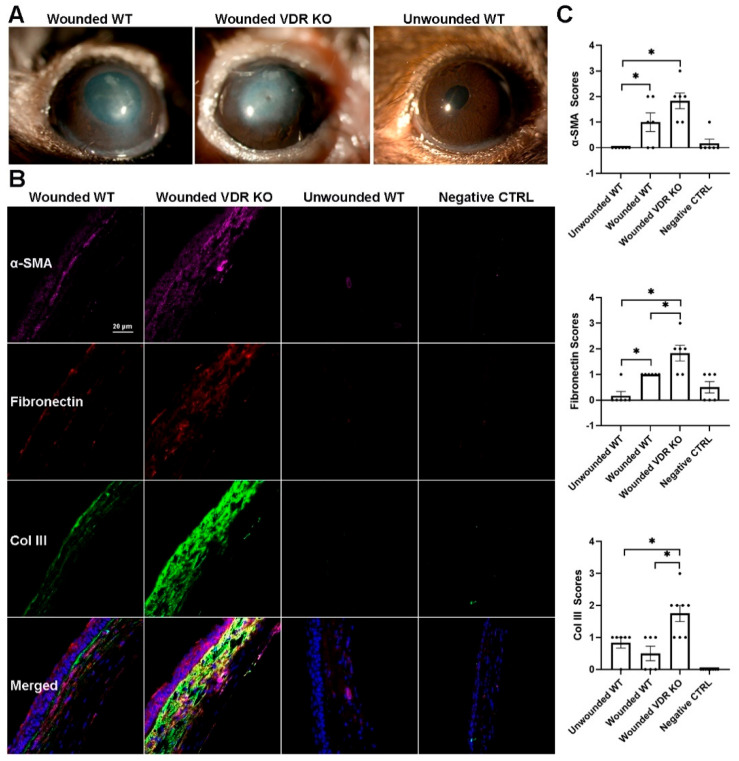 Figure 6
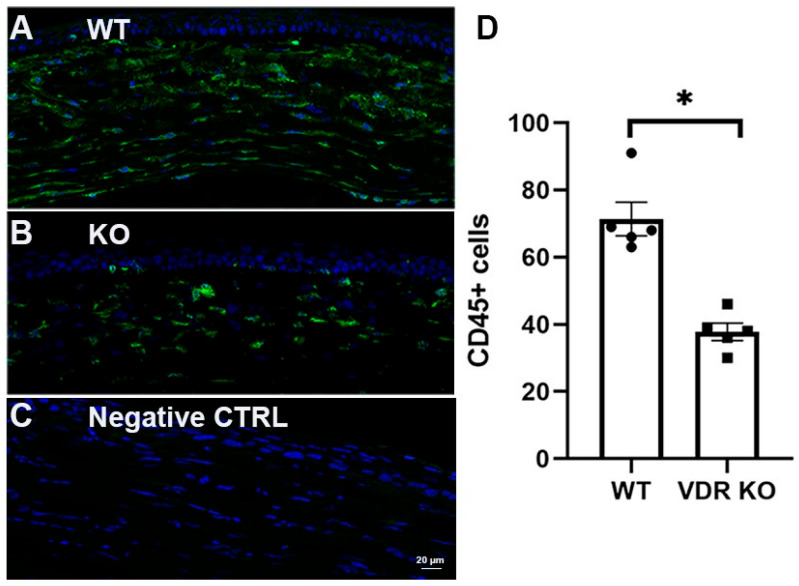 Figure 7
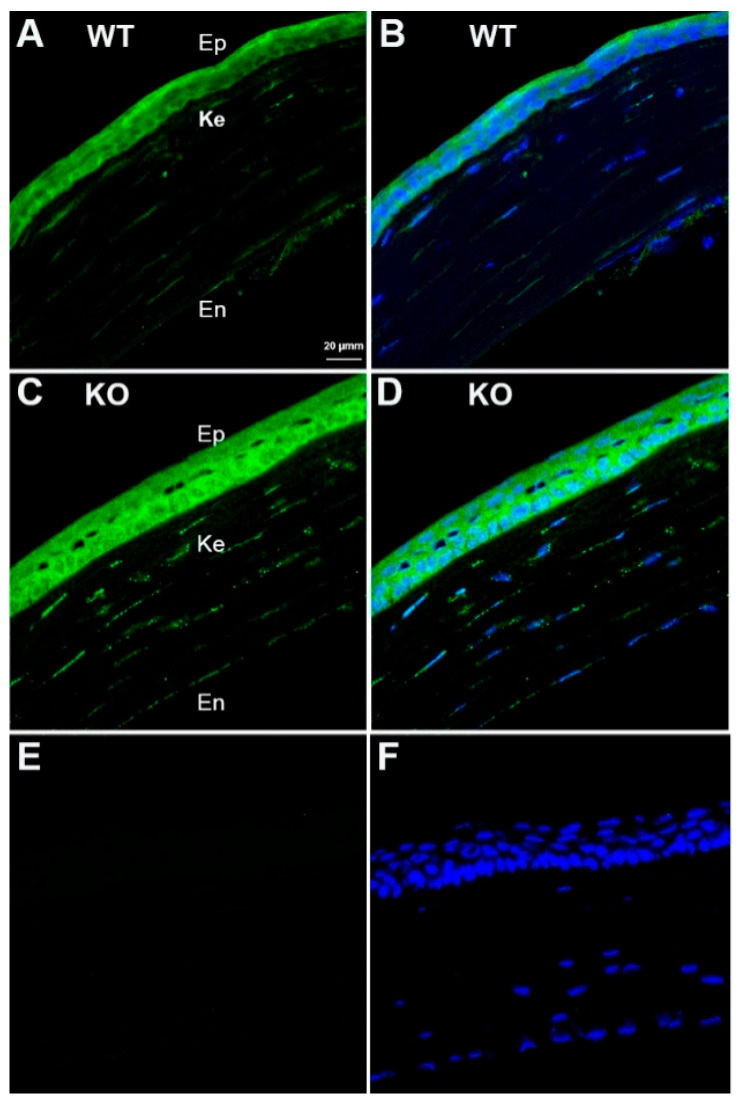 Figure 8
Peer Reviews
No public reviews on file for this paper yet. If you reviewed it on a platform where reviews are public (OpenReview, ICLR, NeurIPS, ICML), you can paste yours below so the community can read it here.
Videos
No videos yet. Explain this paper in a talk, walkthrough, or lecture? Add one.
Taxonomy
TopicsMedical and Biological Ozone Research · Biomarkers in Disease Mechanisms · Ophthalmology and Eye Disorders