Arctic Diatoms as a Source of Antibiofilm Compounds: Identification of Methyl 3-Hydroxyoctadecanoate and Pheophorbide a
Marit Huizer, Renate Osvik, Espen H. Hansen, Terje Vasskog, Jeanette H. Andersen, Kim van Wezel, Hans Christian Eilertsen, Johan Isaksson, Kine Ø. Hansen, Richard A. Ingebrigtsen

TL;DR
Arctic diatoms, like Porosira glacialis, produce compounds that inhibit biofilm formation without toxicity, offering potential for sustainable antibiofilm agents.
Contribution
Identification of methyl 3-hydroxyoctadecanoate and pheophorbide a as novel antibiofilm compounds from Arctic diatoms.
Findings
Porosira glacialis showed strong antibiofilm activity against Staphylococcus epidermidis with no cytotoxicity.
Methyl 3-hydroxyoctadecanoate is a new antibiofilm compound first reported in diatoms.
Cylindrotheca closterium's antibiofilm activity depends on cultivation conditions.
Abstract
Marine diatoms are prolific producers of bioactive metabolites, but Arctic species remain underexplored as sources of antibacterial and antibiofilm agents. Here, seven species were grown in photobioreactors (PBRs) and systematically screened for antibacterial, antibiofilm, and cytotoxic activities. All strains inhibited Gram-positive bacteria, and four reduced Staphylococcus epidermidis biofilm formation. Porosira glacialis emerged as a lead species, combining potent antibiofilm activity with favourable traits for large-scale cultivation, and no detectable cytotoxicity. Bioactivity-guided fractionation of P. glacialis yielded two antibiofilm compounds: methyl 3-hydroxyoctadecanoate, the first time reported in diatoms and newly associated with antibiofilm bioactivity, and pheophorbide a, a chlorophyll degradation product. Both inhibited S. epidermidis biofilm formation without any…
Genes, proteins, chemicals, diseases, species, mutations and cell lines named across the full text — each resolved to its canonical identifier and authoritative record.
Click any figure to enlarge with its caption.
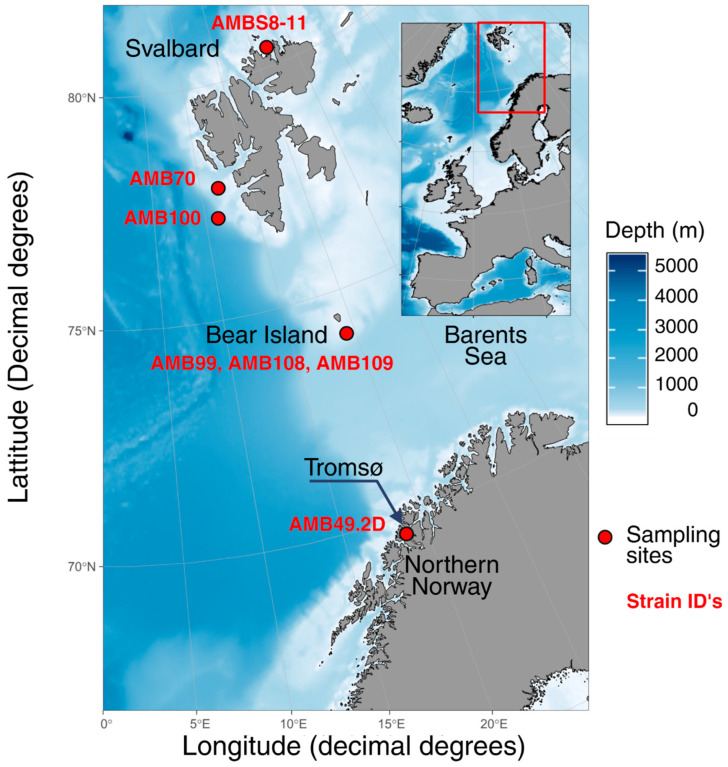 Figure 1
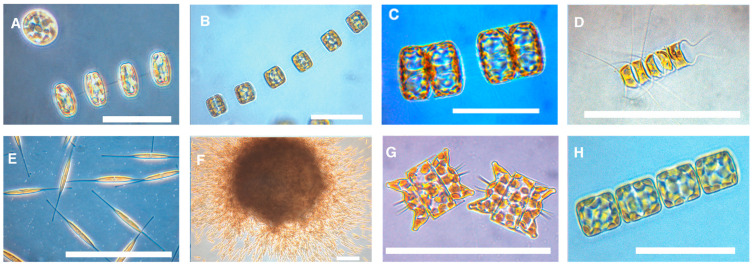 Figure 2
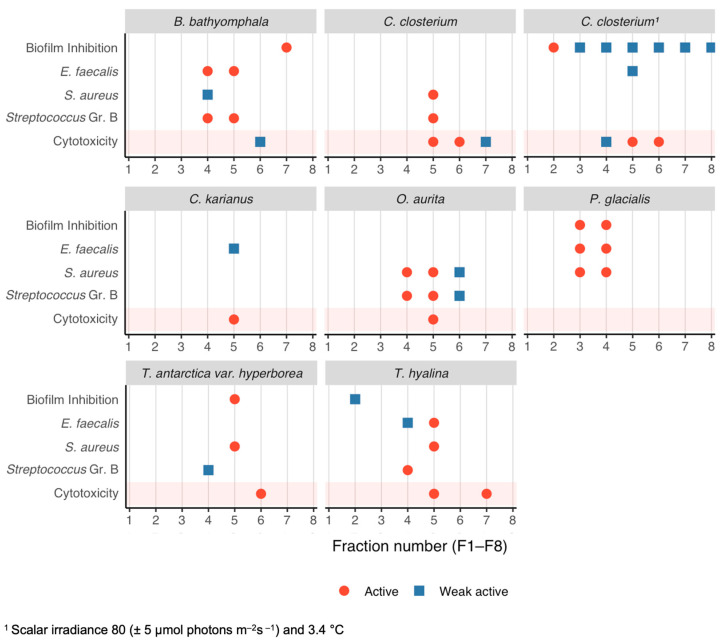 Figure 3
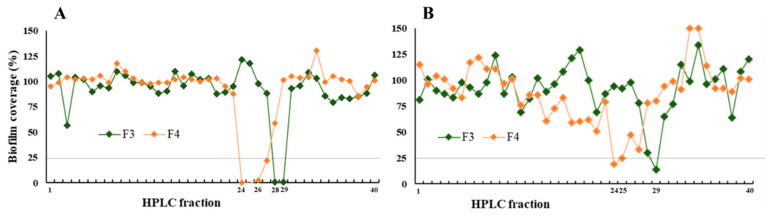 Figure 4
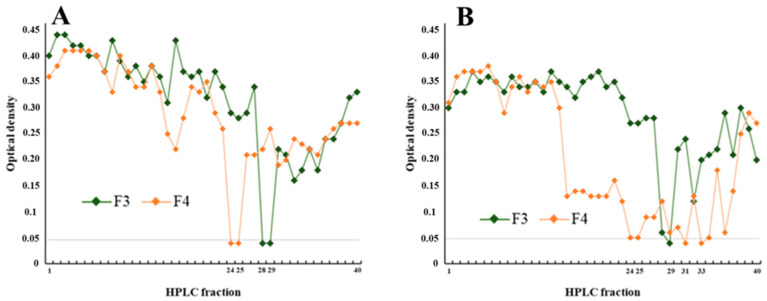 Figure 5
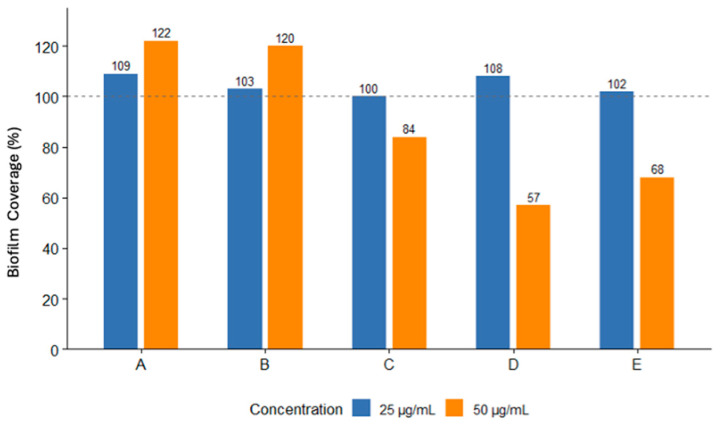 Figure 6
 Figure 7
Peer Reviews
No public reviews on file for this paper yet. If you reviewed it on a platform where reviews are public (OpenReview, ICLR, NeurIPS, ICML), you can paste yours below so the community can read it here.
Videos
No videos yet. Explain this paper in a talk, walkthrough, or lecture? Add one.
Taxonomy
TopicsAlgal biology and biofuel production · Diatoms and Algae Research