Multivariate Decoding and Drift-Diffusion Modeling Reveal Adaptive Control in Trilingual Comprehension
Yuanbo Wang, Yingfang Meng, Qiuyue Yang, Ruiming Wang

TL;DR
Trilinguals adjust their brain control strategies during comprehension depending on the language context, with proactive control being key in high-conflict situations.
Contribution
This study reveals context-dependent proactive control in trilingual comprehension, contrasting with production and showing no reactive control.
Findings
Drift-diffusion modeling showed distinct processing profiles across language contexts, with L1–L2 having the lowest comprehension efficiency.
Proactive control was evident in the L1–L3 context through larger P300 and smaller N400 for L1-to-L3 switches.
MVPA identified distinct spatiotemporal neural patterns for different language contexts and switching directions.
Abstract
Background/Objectives: The Adaptive Control Hypothesis posits varying control demands across language contexts in production, but its role in comprehension is underexplored. We investigated if trilinguals, who manage three dual-language contexts (L1–L2, L2–L3, L1–L3), exhibit differential proactive and reactive control demands during comprehension across these contexts. Methods: Thirty-six Uyghur–Chinese–English trilinguals completed an auditory word-picture matching task across three dual-language contexts during EEG recording. We employed behavioral analysis, drift-diffusion modeling, event-related potential (ERP) analysis, and multivariate pattern analysis (MVPA) to examine comprehension efficiency, evidence accumulation, and neural mechanisms. The design crossed context (L1–L2, L2–L3, L1–L3) with trial type (switch vs. repetition) and switching direction (to dominant vs.…
Genes, proteins, chemicals, diseases, species, mutations and cell lines named across the full text — each resolved to its canonical identifier and authoritative record.
Click any figure to enlarge with its caption.
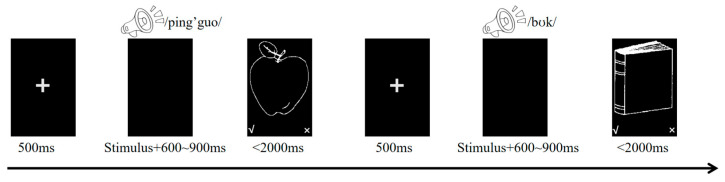 Figure 1
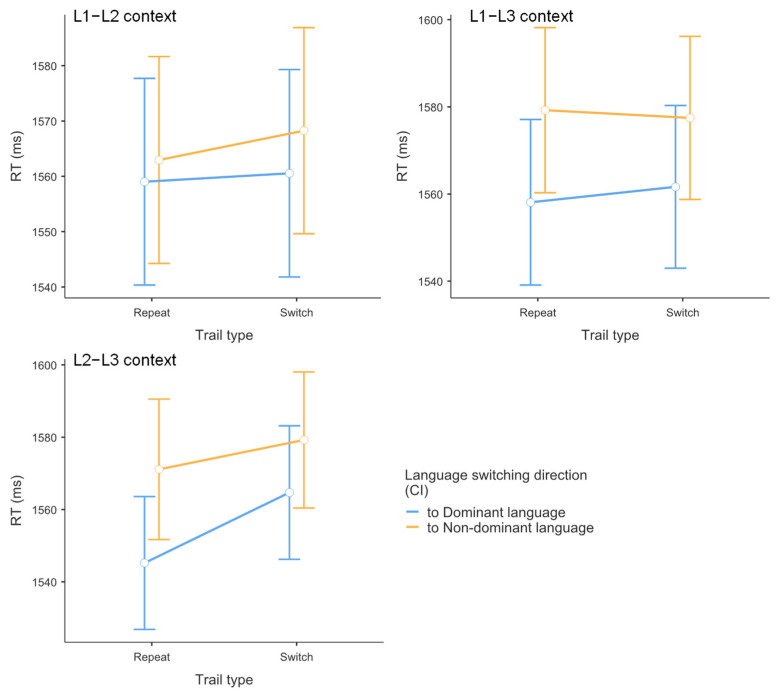 Figure 2
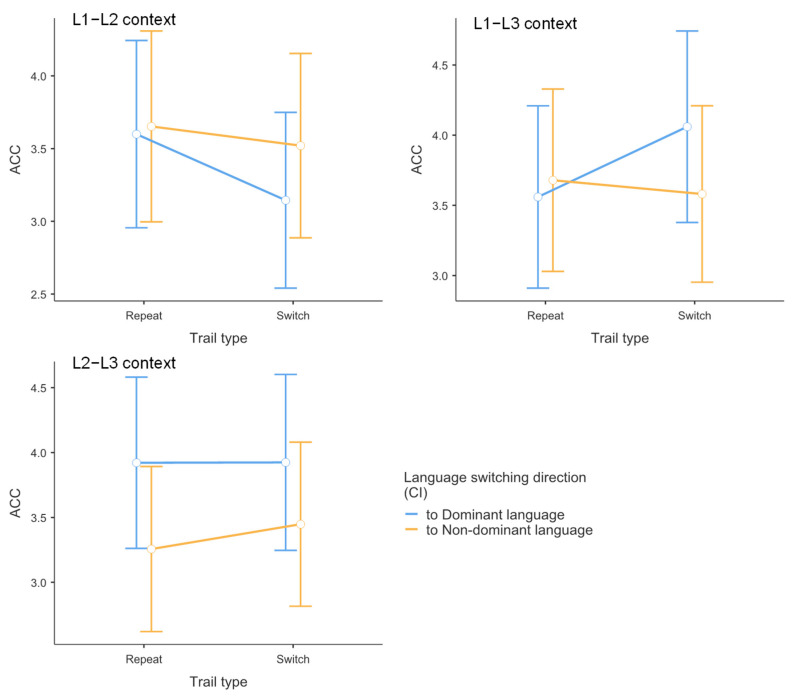 Figure 3
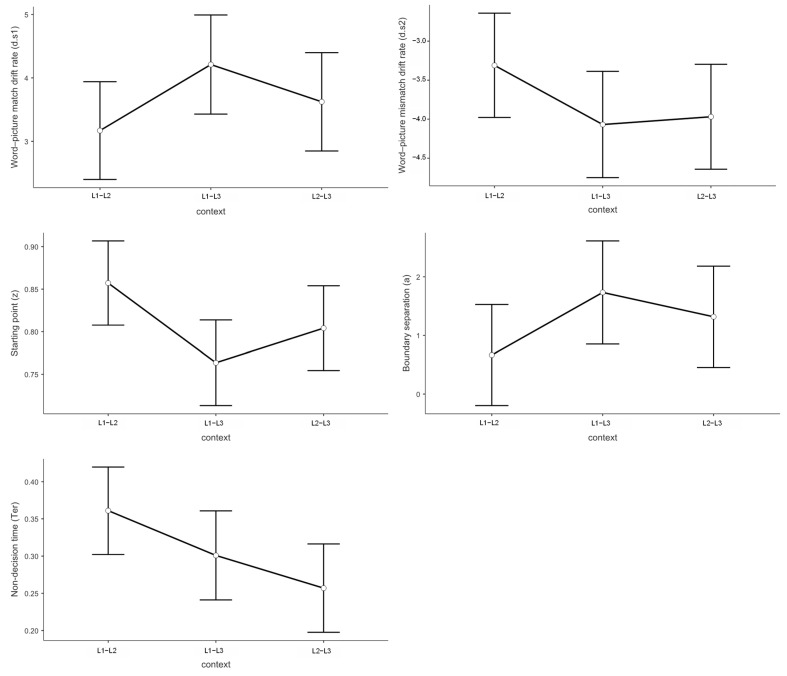 Figure 4
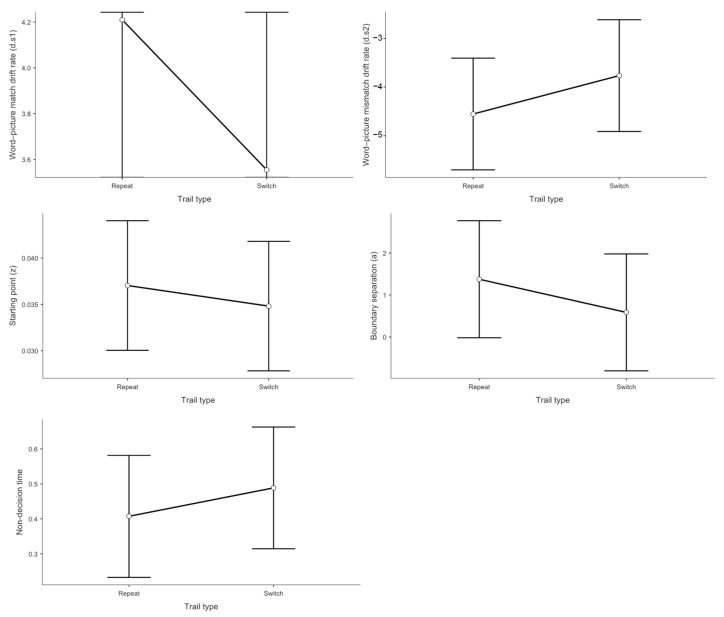 Figure 5
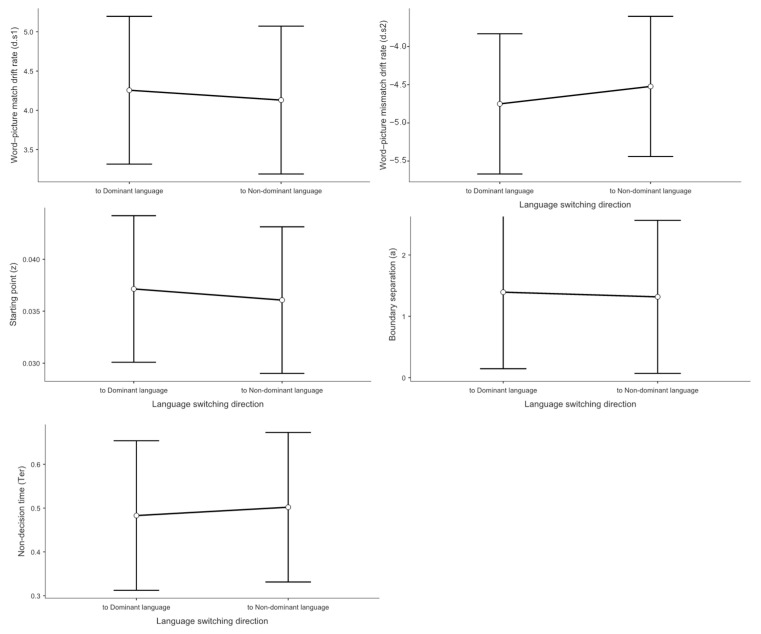 Figure 6
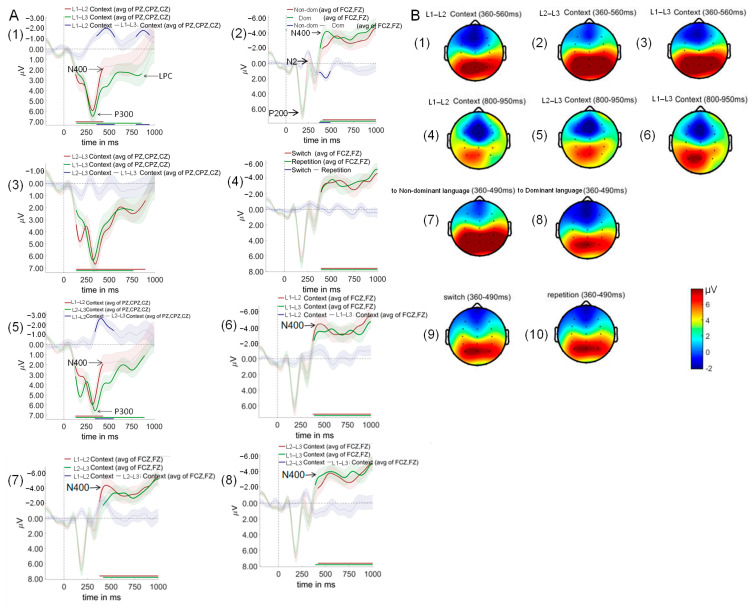 Figure 7
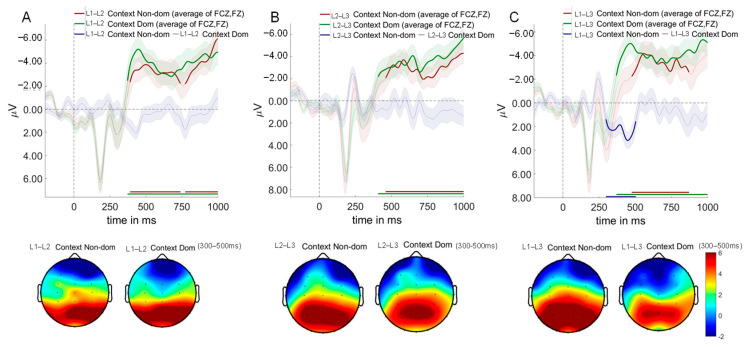 Figure 8
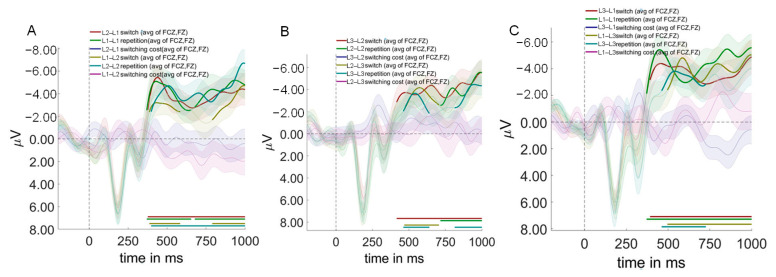 Figure 9
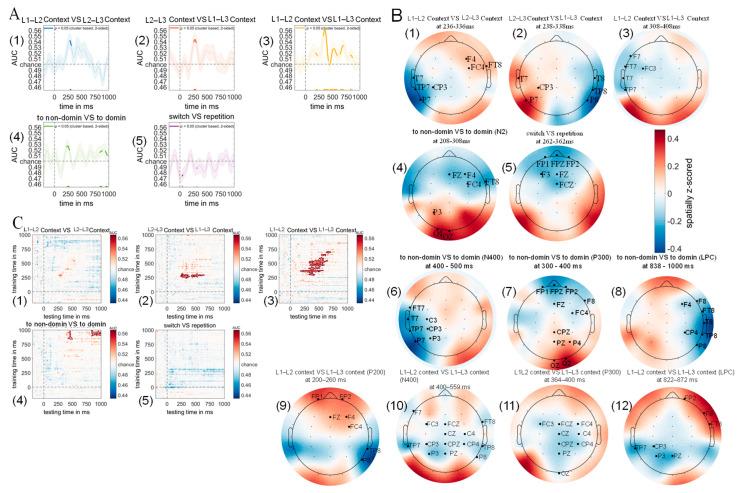 Figure 10
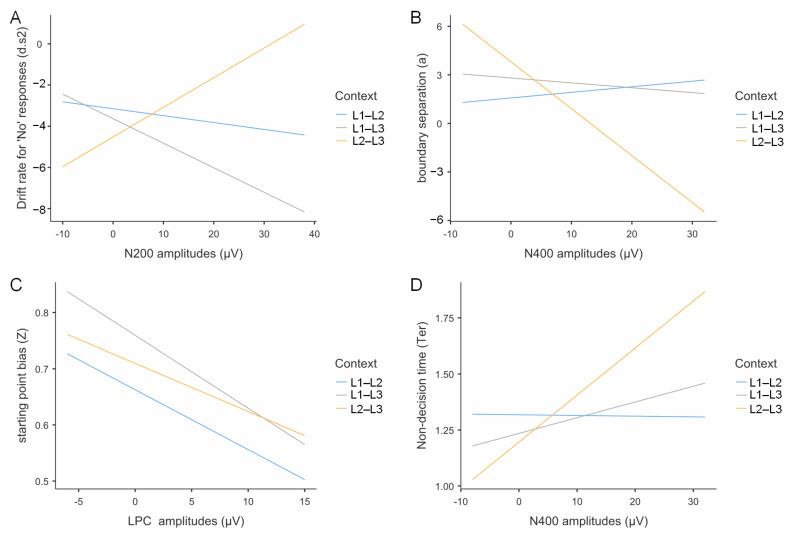 Figure 11
Peer Reviews
No public reviews on file for this paper yet. If you reviewed it on a platform where reviews are public (OpenReview, ICLR, NeurIPS, ICML), you can paste yours below so the community can read it here.
Videos
No videos yet. Explain this paper in a talk, walkthrough, or lecture? Add one.
Taxonomy
TopicsNeurobiology of Language and Bilingualism · Reading and Literacy Development · Advanced Algebra and Logic