Analysis of Semen Proteomic Differences Among Three Genotypes of FecB Rams in Duolang Sheep
Yanlong Zhang, Zhigang Niu, Jiabao Yan, Yang Chen, Zhengfen Xue, Jie Xu, Yifan Ma, Hongcai Shi

TL;DR
This study compares semen proteins in three genotypes of FecB rams in Duolang sheep to understand how these differences might affect immune health and reproductive performance.
Contribution
The study identifies genotype-specific proteomic differences in semen linked to immune response, energy metabolism, and disease-related pathways in Duolang sheep.
Findings
B+ genotype rams show DEPs involved in innate immune response and oxidative phosphorylation compared to ++ genotype.
DEPs in B+ rams compared to BB genotype are linked to cellular protein catabolism and diseases like Parkinson’s and non-alcoholic fatty liver.
BB genotype rams exhibit DEPs related to threonine-type endopeptidase activity and Alzheimer’s disease pathways compared to ++ genotype.
Abstract
Backgrouds: To explore the differences in semen proteins among rams of three FecB genotypes (++, B+, and BB) in Duolang sheep. Methods: This study employed DIA quantitative proteomics technology to identify semen proteins from four wild-type (Group A), two heterozygous (Group B), and three homozygous (Group C) rams. Results: Compared with the ++ genotype, the differentially expressed proteins (DEPs) in the semen of B+ genotype rams are significantly involved in the biological process of innate immune response and are significantly enriched in the oxidative phosphorylation pathway in KEGG analysis. From a biological perspective, the innate immune response may affect the immune health of Duolang sheep, while oxidative phosphorylation influences energy metabolism, which in turn impacts reproductive performance. Compared with the BB genotype, the DEPs in the semen of B+ genotype rams…
Genes, proteins, chemicals, diseases, species, mutations and cell lines named across the full text — each resolved to its canonical identifier and authoritative record.
Click any figure to enlarge with its caption.
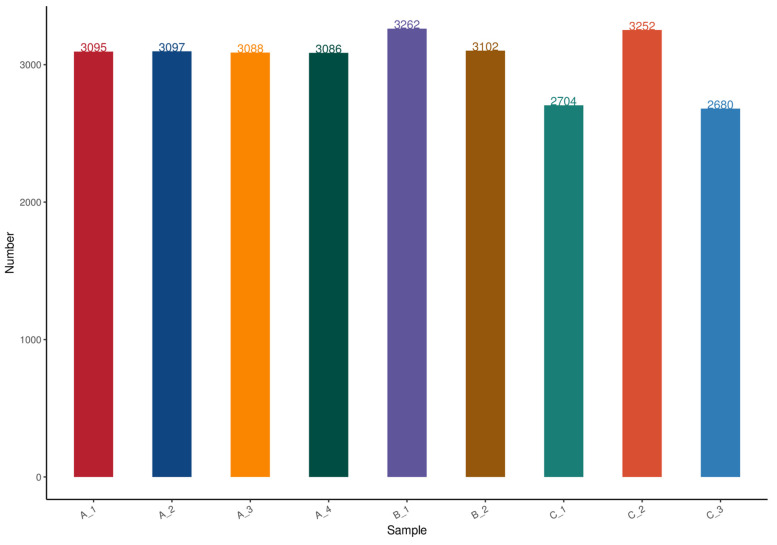 Figure 1
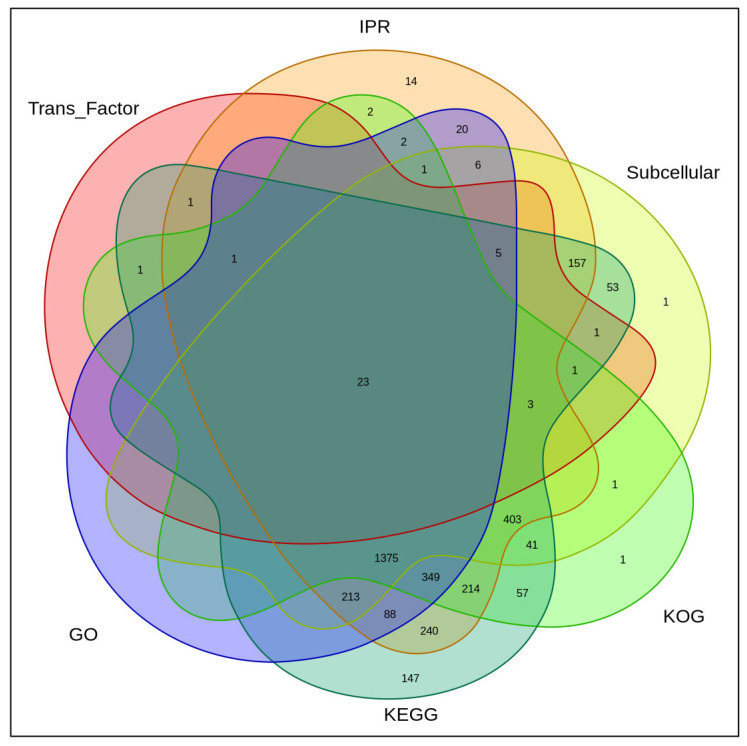 Figure 2
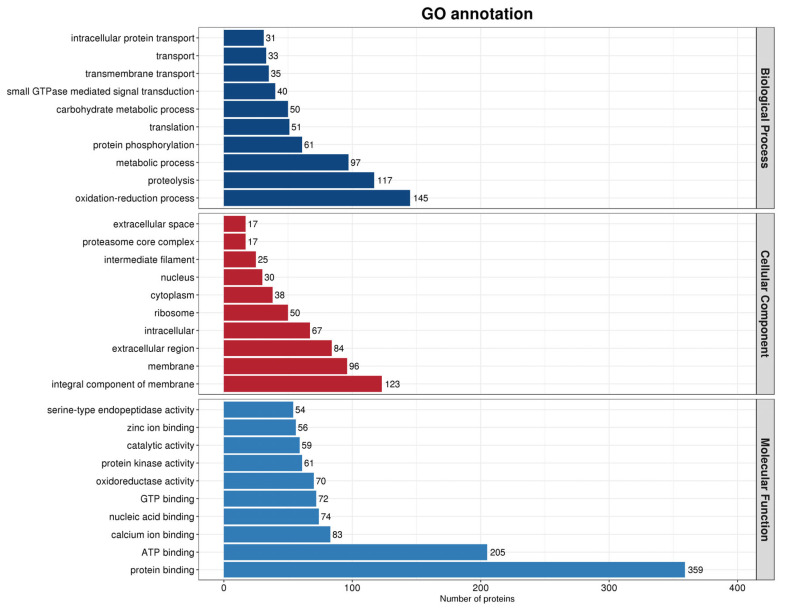 Figure 3
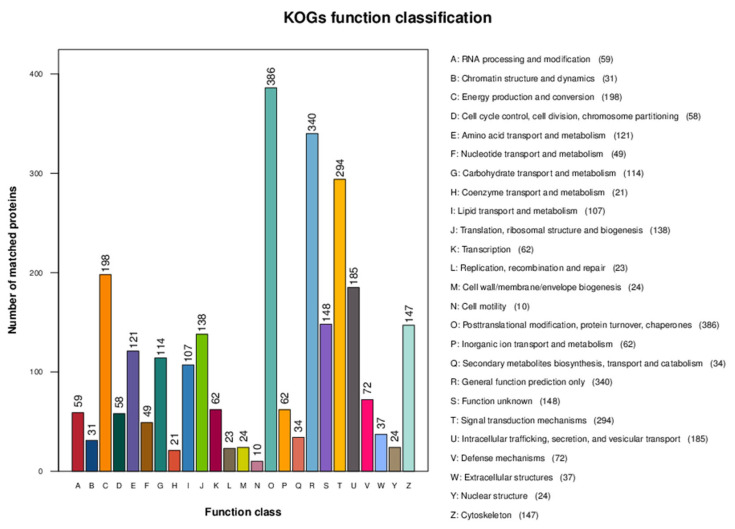 Figure 4
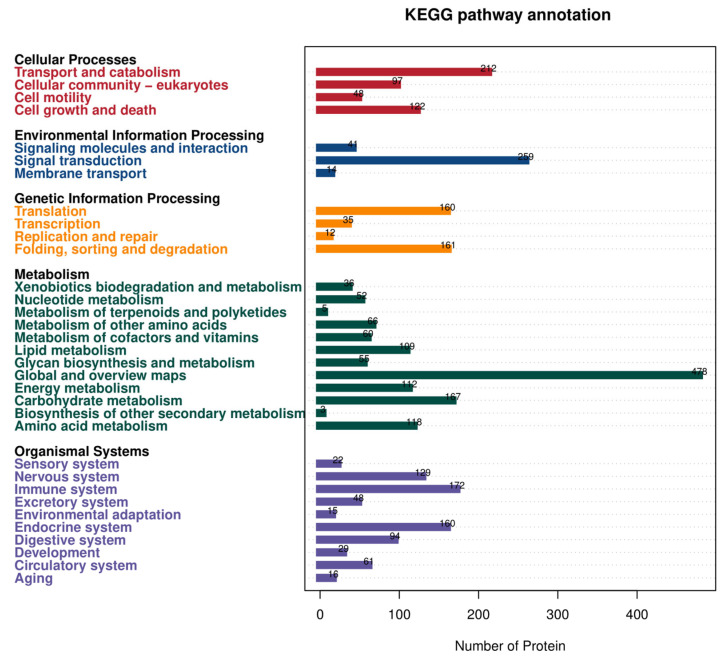 Figure 5
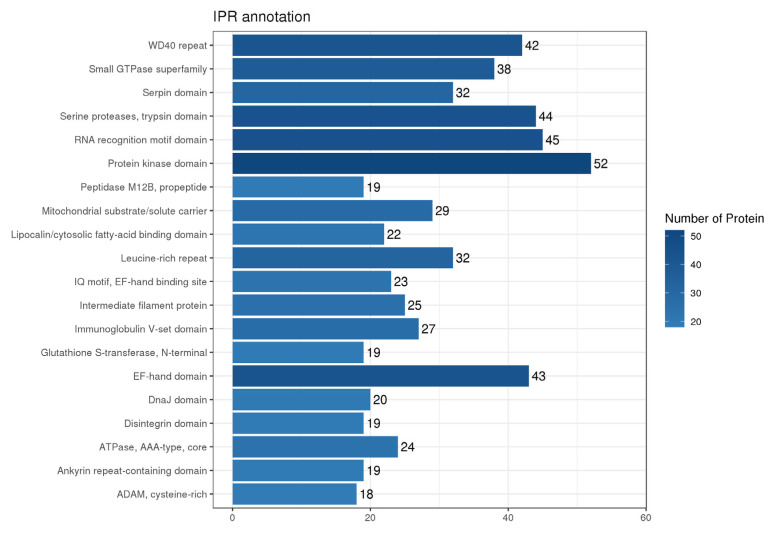 Figure 6
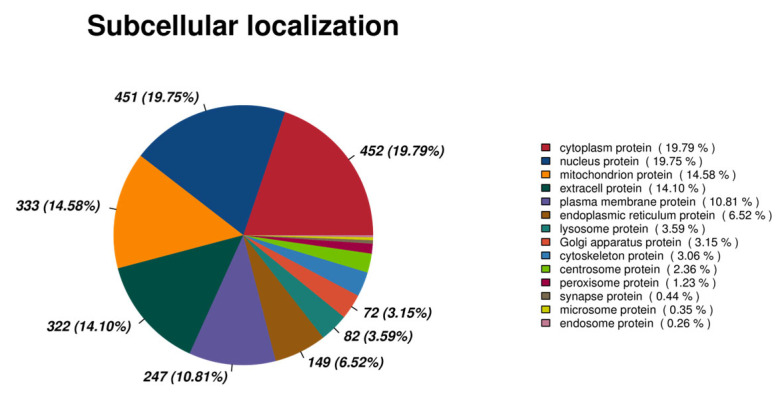 Figure 7
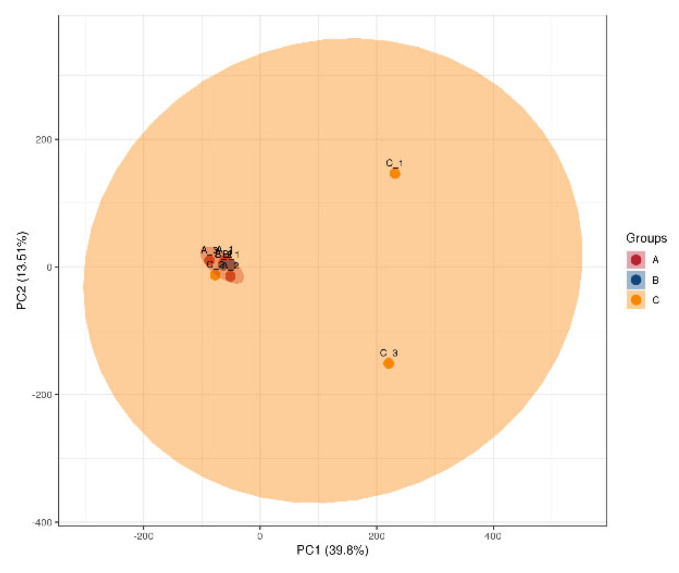 Figure 8
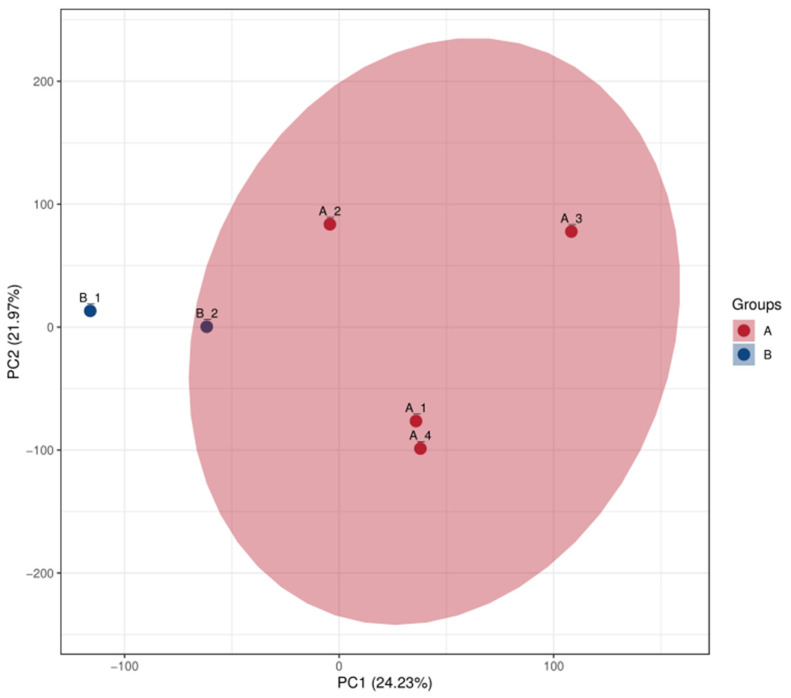 Figure 9
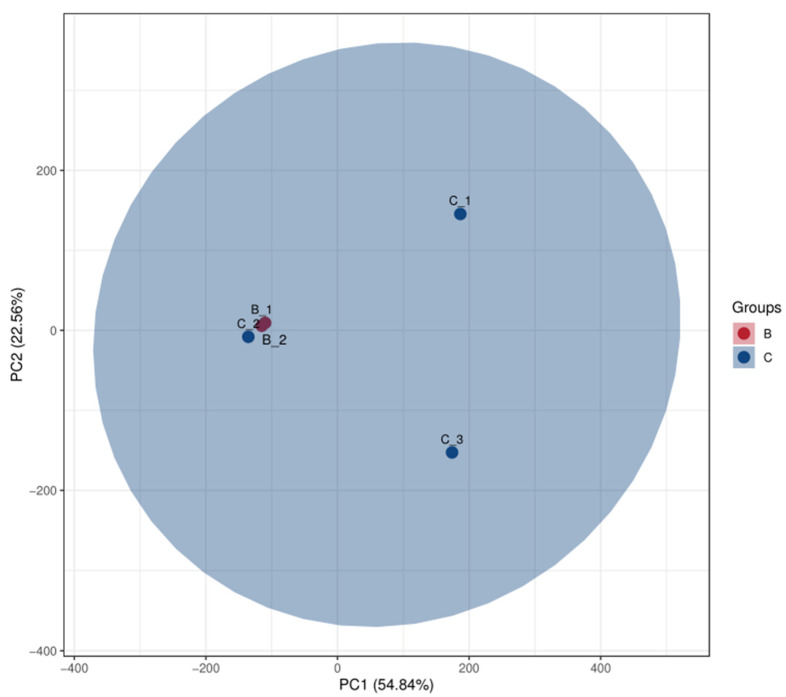 Figure 10
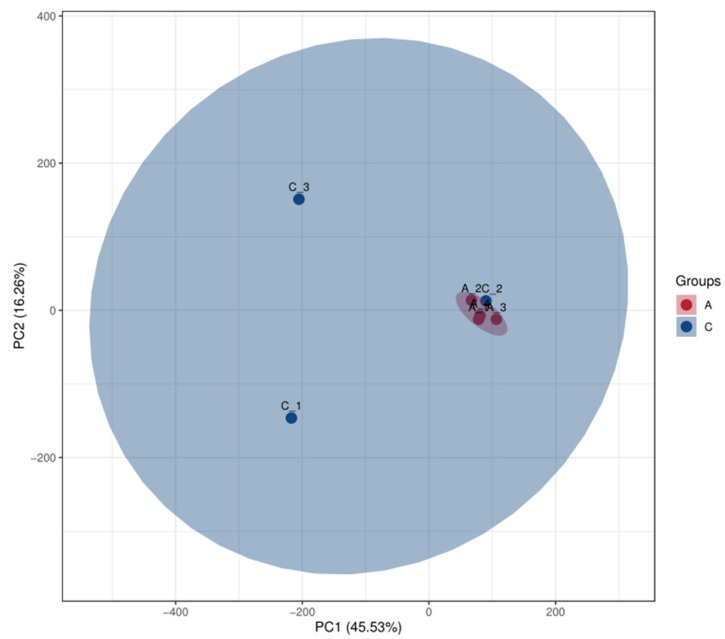 Figure 11
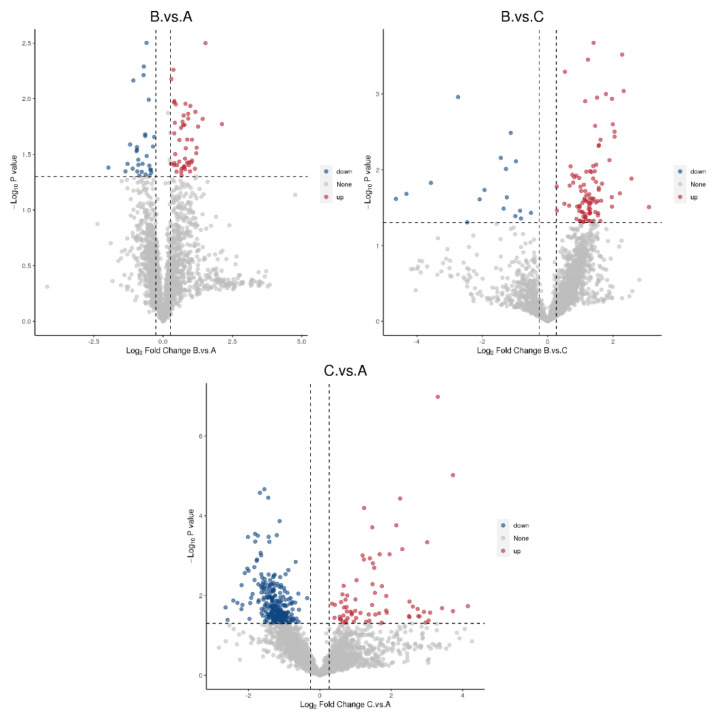 Figure 12
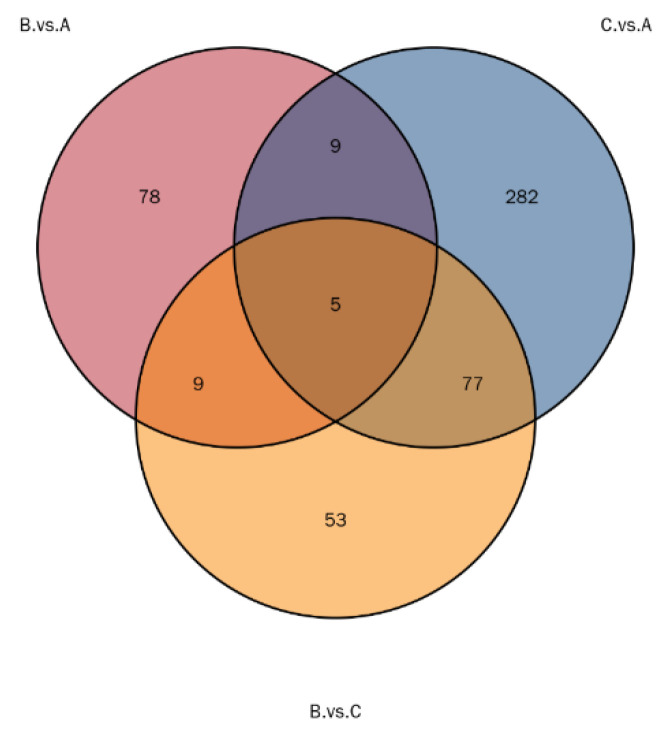 Figure 13
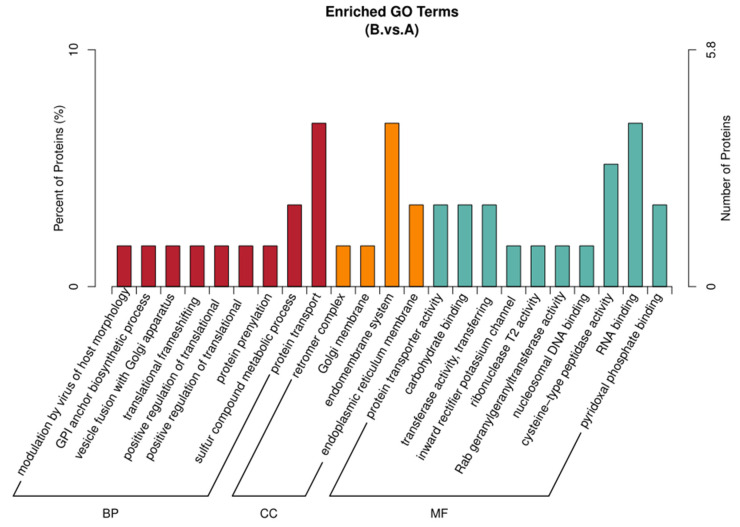 Figure 14
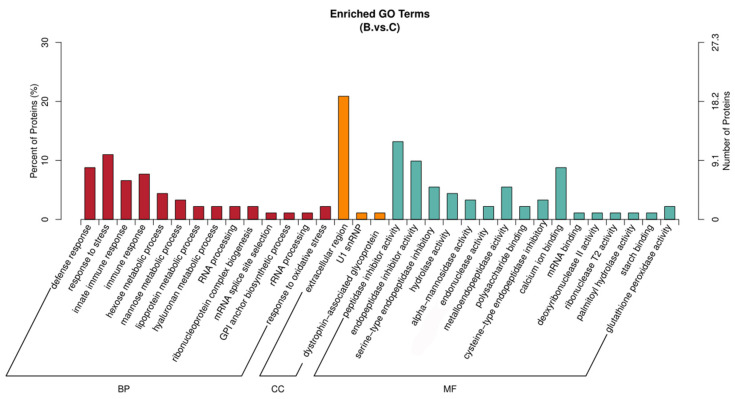 Figure 15
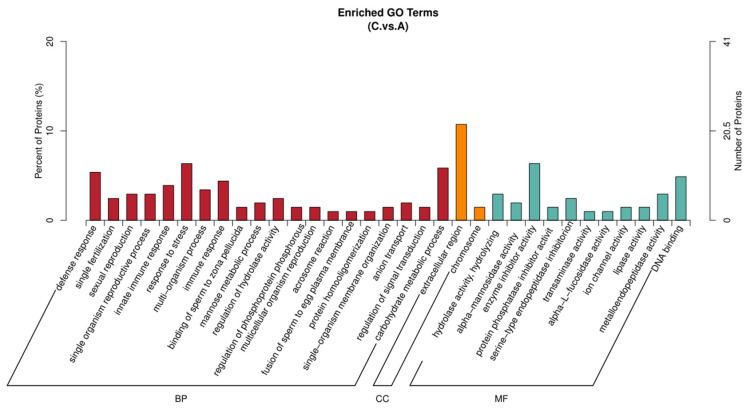 Figure 16
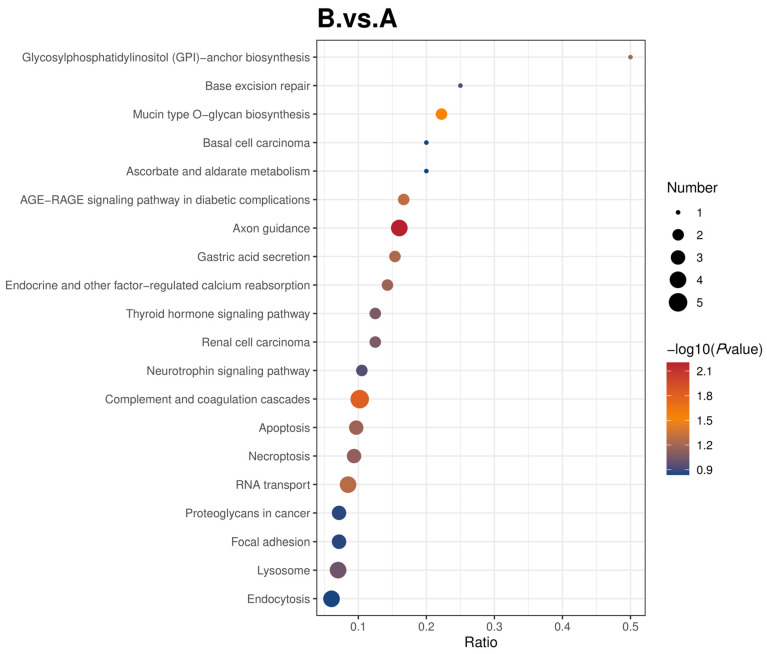 Figure 17
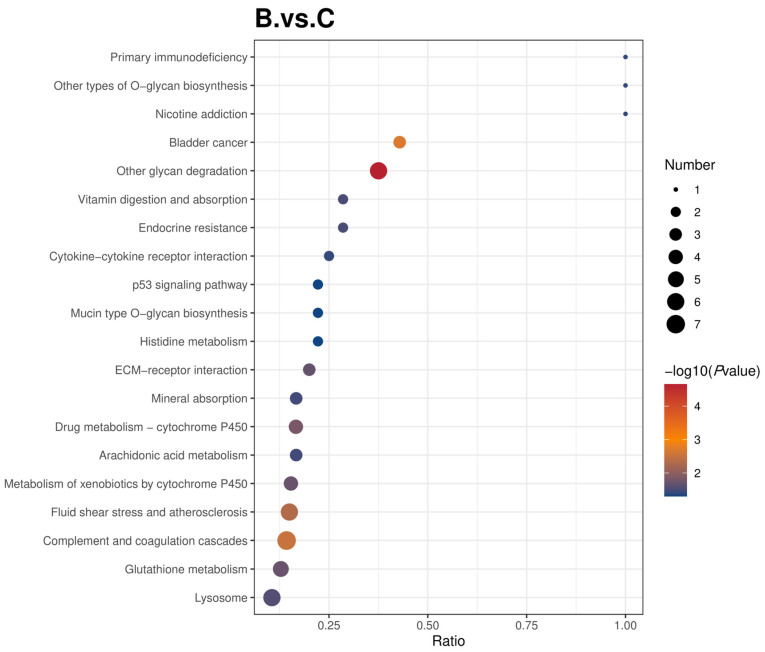 Figure 18
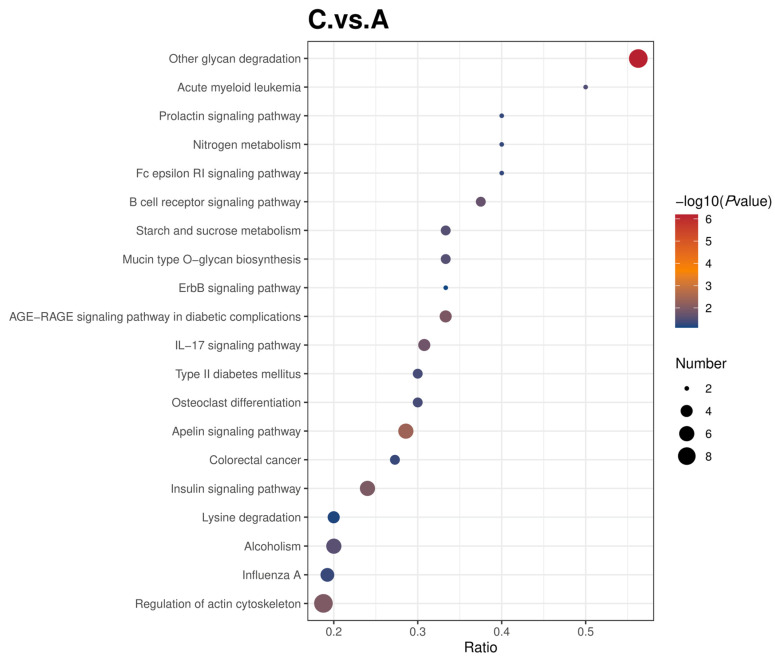 Figure 19
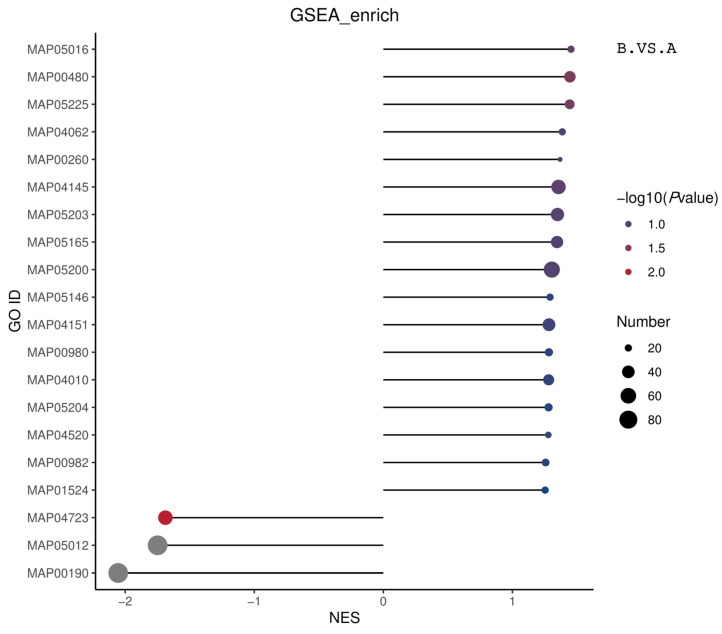 Figure 20
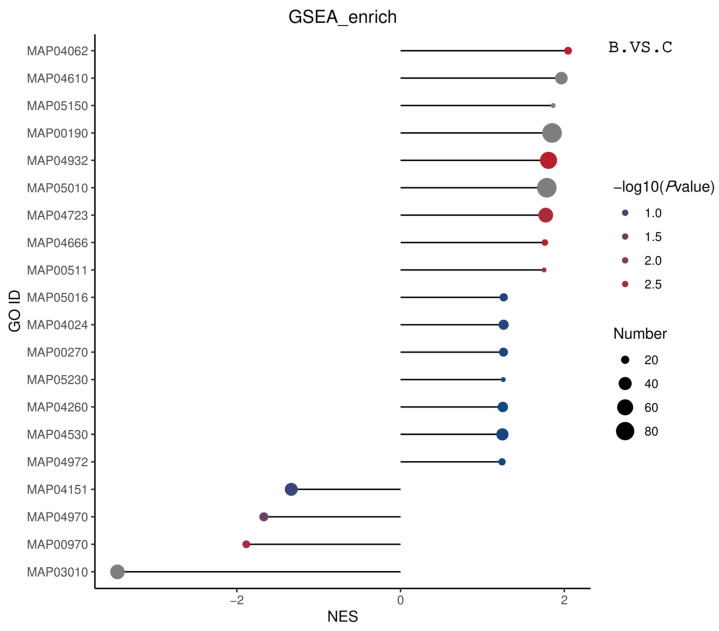 Figure 21
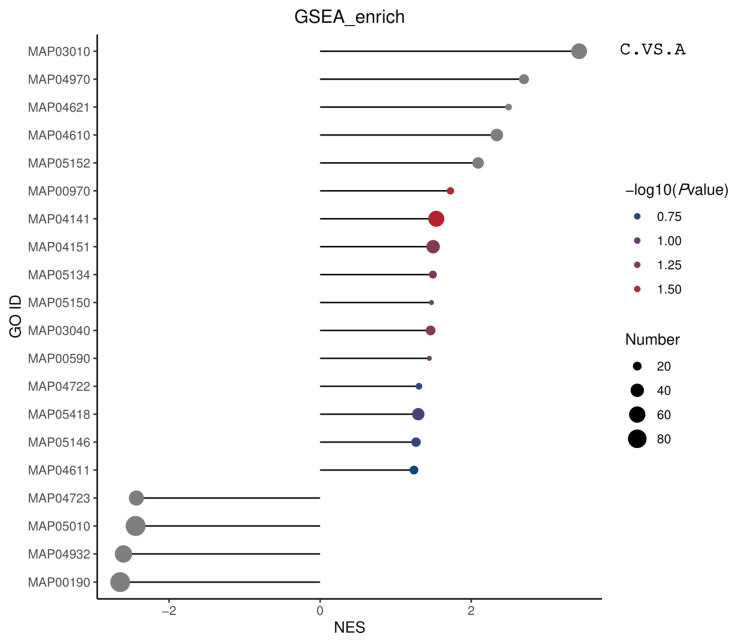 Figure 22
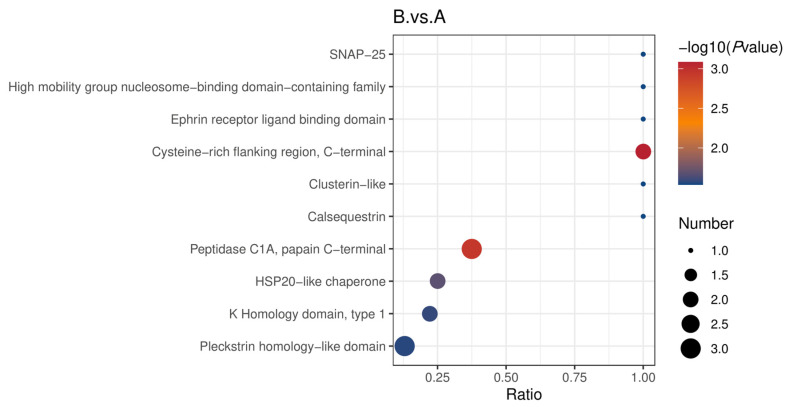 Figure 23
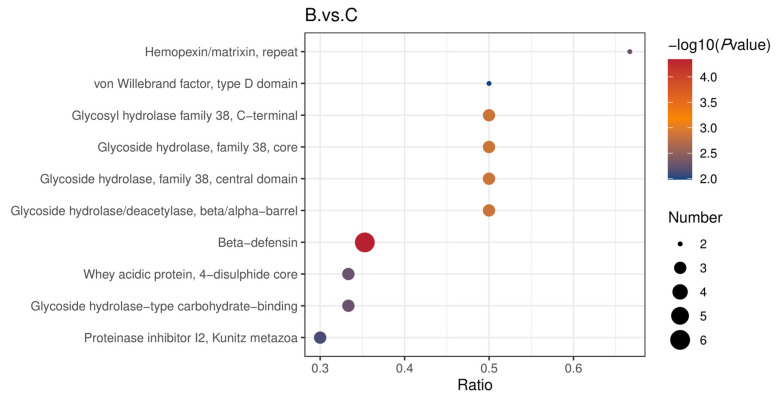 Figure 24
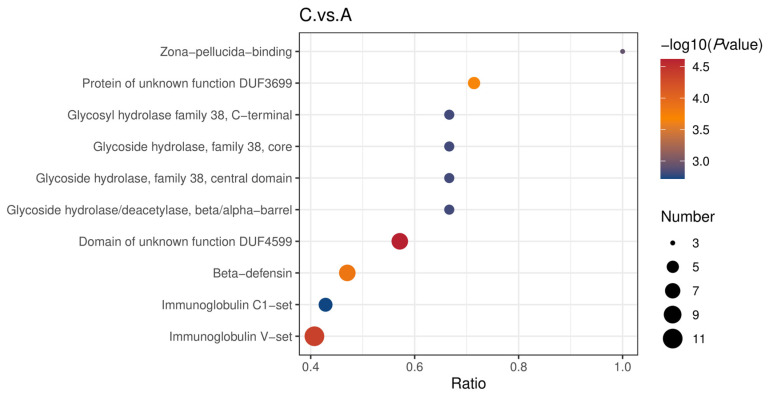 Figure 25
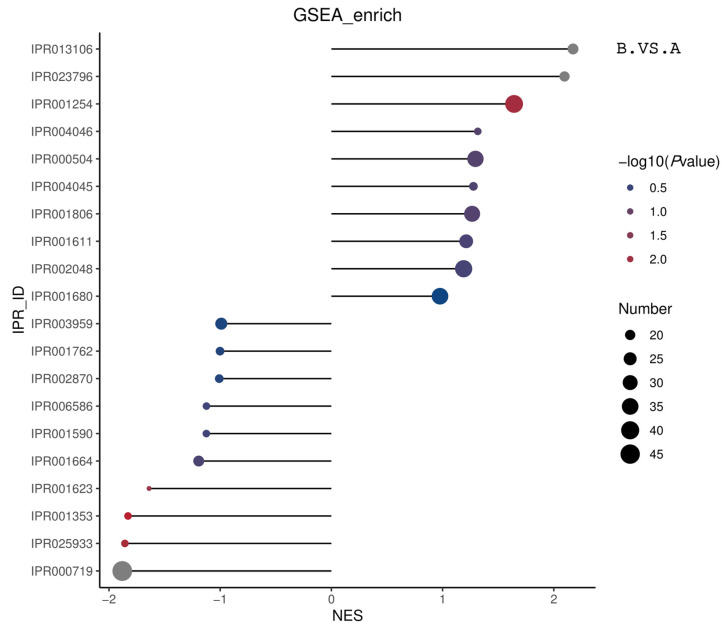 Figure 26
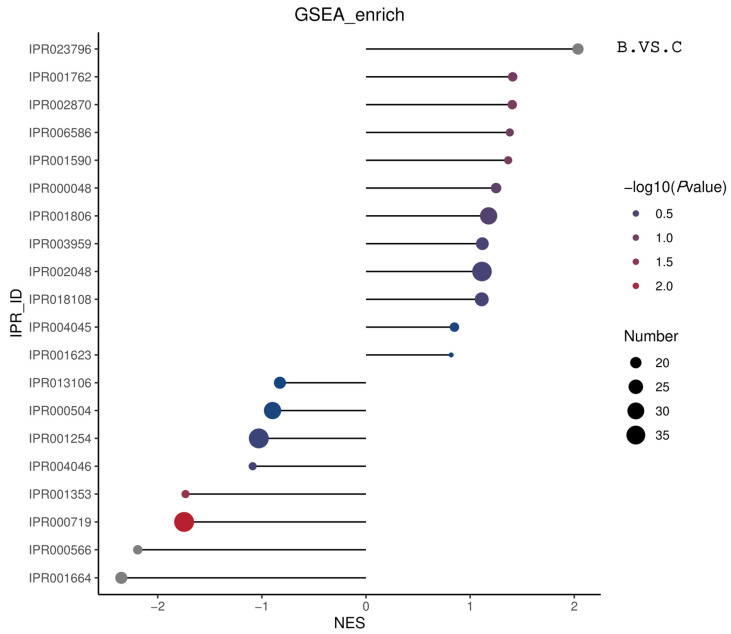 Figure 27
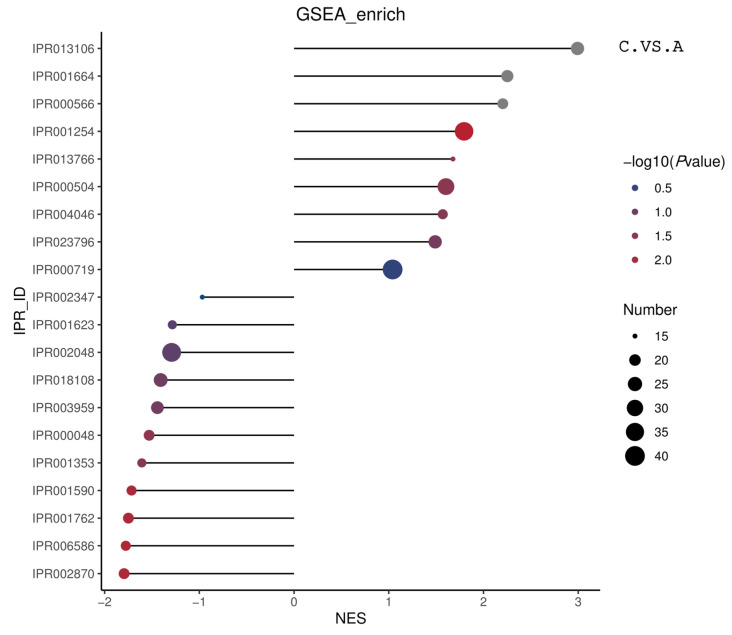 Figure 28
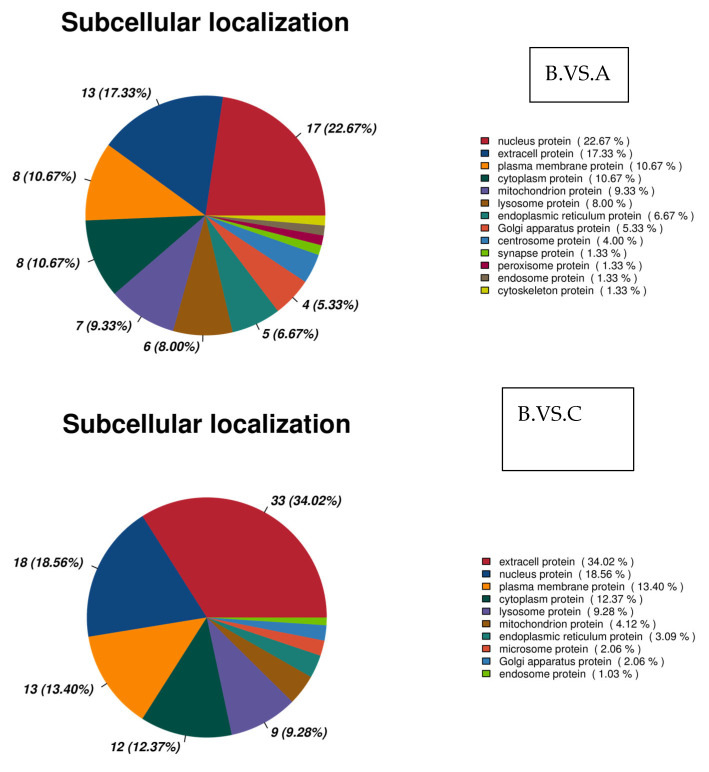 Figure 29
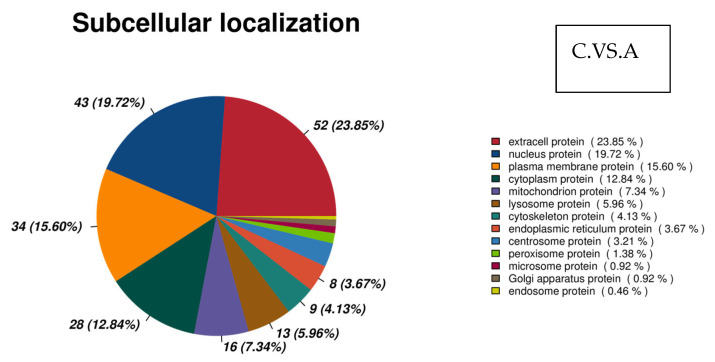 Figure 30
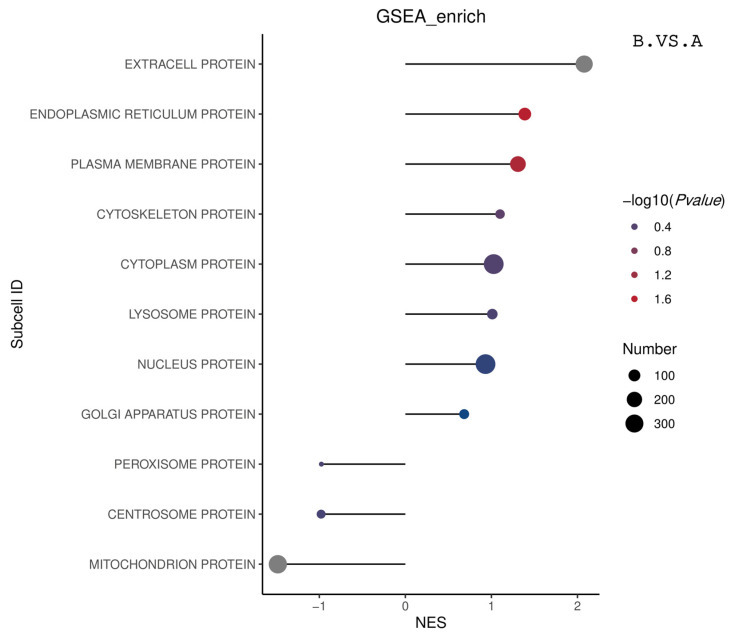 Figure 31
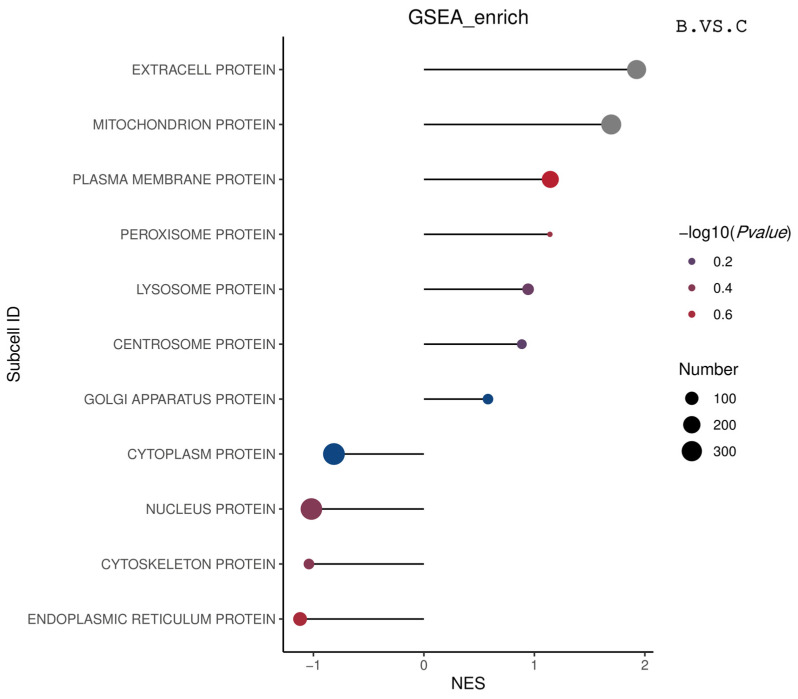 Figure 32
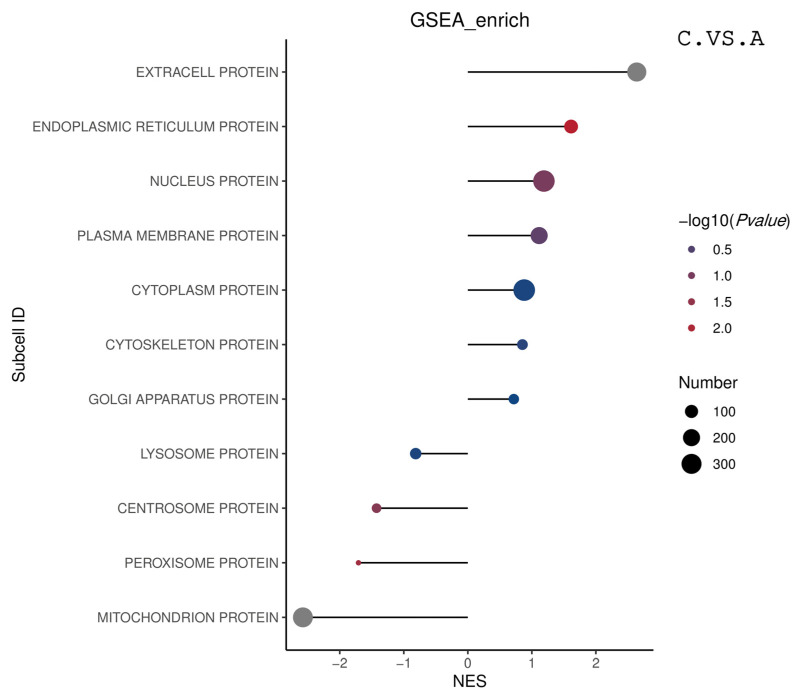 Figure 33
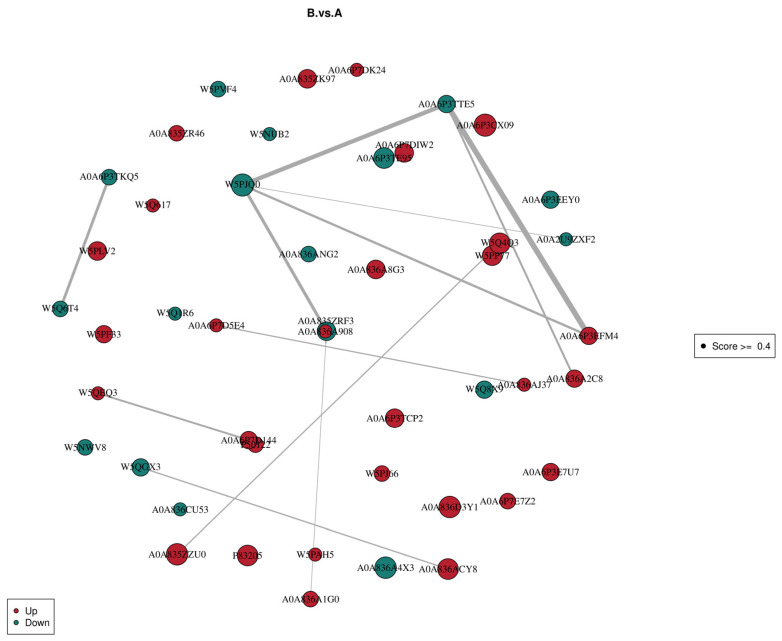 Figure 34
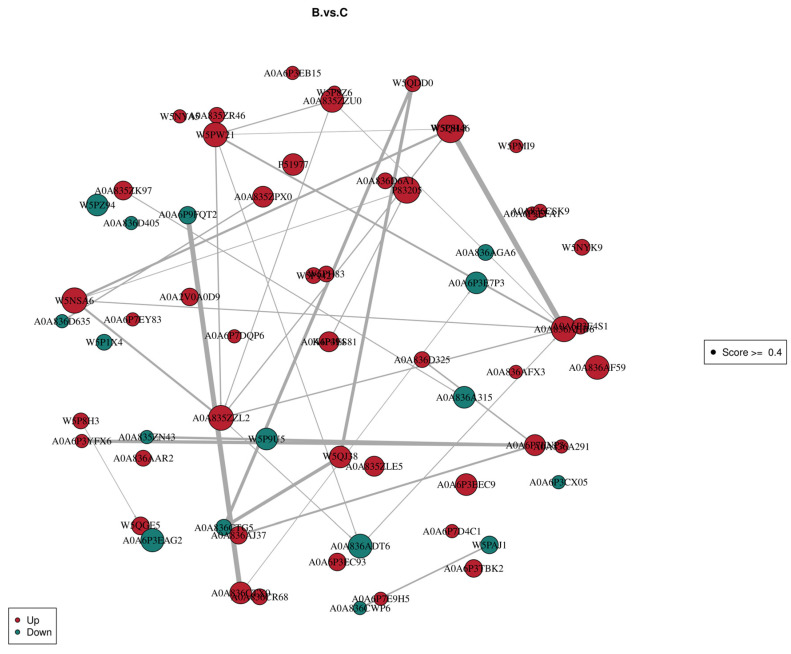 Figure 35
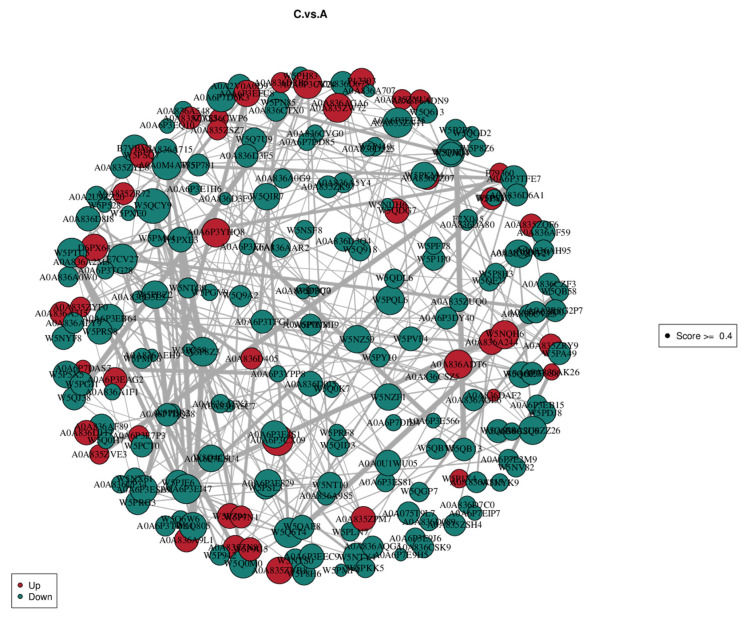 Figure 36
Peer Reviews
No public reviews on file for this paper yet. If you reviewed it on a platform where reviews are public (OpenReview, ICLR, NeurIPS, ICML), you can paste yours below so the community can read it here.
Videos
No videos yet. Explain this paper in a talk, walkthrough, or lecture? Add one.
Taxonomy
TopicsSperm and Testicular Function · Animal Genetics and Reproduction · Genetic and phenotypic traits in livestock