The Role of the Cell Surface Heparan Sulfate Proteoglycan Syndecan-3 in Breast Cancer Pathophysiology
Lena Habenicht, Nourhan Hassan, Nancy A. Espinoza-Sànchez, Jessica Oyie Sousa Onyeisi, Balázs Győrffy, Lars Hanker, Burkhard Greve, Martin Götte

TL;DR
This study explores how the protein syndecan-3 influences breast cancer progression and survival outcomes.
Contribution
The study reveals novel functional roles of syndecan-3 in breast cancer cell behavior and survival.
Findings
High SDC3 expression correlates with improved relapse-free survival in breast cancer patients.
SDC3 depletion impairs cell viability, migration, and spheroid formation in breast cancer cells.
SDC3 depletion alters gene expression of MMPs, E-cadherin, and VEGFA in breast cancer cells.
Abstract
The heparan sulfate proteoglycan syndecan-3 (SDC3) is a critical regulator of cell–matrix interactions. While other syndecan family members contribute to the progression of multiple cancers, SDC3’s functional contributions to tumor biology remain largely unexplored. This study investigates the potential role of SDC3 in the pathogenesis of breast cancer. By conducting an in-silico analysis of publicly available datasets, including TNM-plot, The Human Protein Atlas, and Kaplan–Meier Plotter, we observed that SDC3 is upregulated in breast cancer tissue. Notably, high SDC3 expression correlates with improved relapse-free survival in breast cancer patients. In vitro experiments revealed that SDC3 depletion significantly impairs cell viability, cell-cycle progression, cell migration, and 3D-spheroid-formation in MDA-MB-231 and MCF-7 breast cancer cells. Furthermore, SDC3 depletion results in…
Genes, proteins, chemicals, diseases, species, mutations and cell lines named across the full text — each resolved to its canonical identifier and authoritative record.
Click any figure to enlarge with its caption.
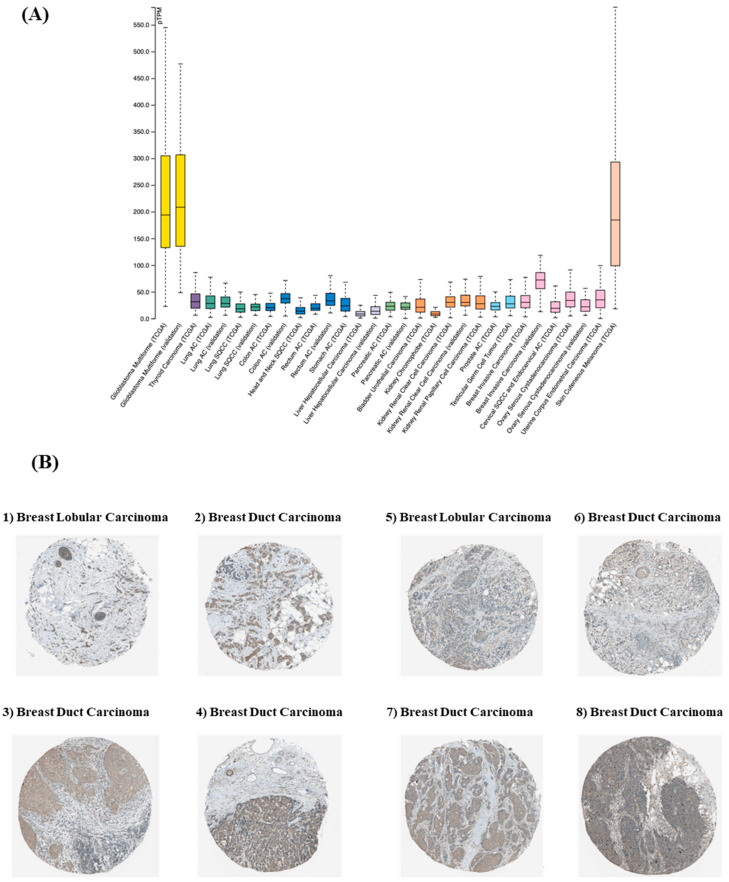 Figure 1
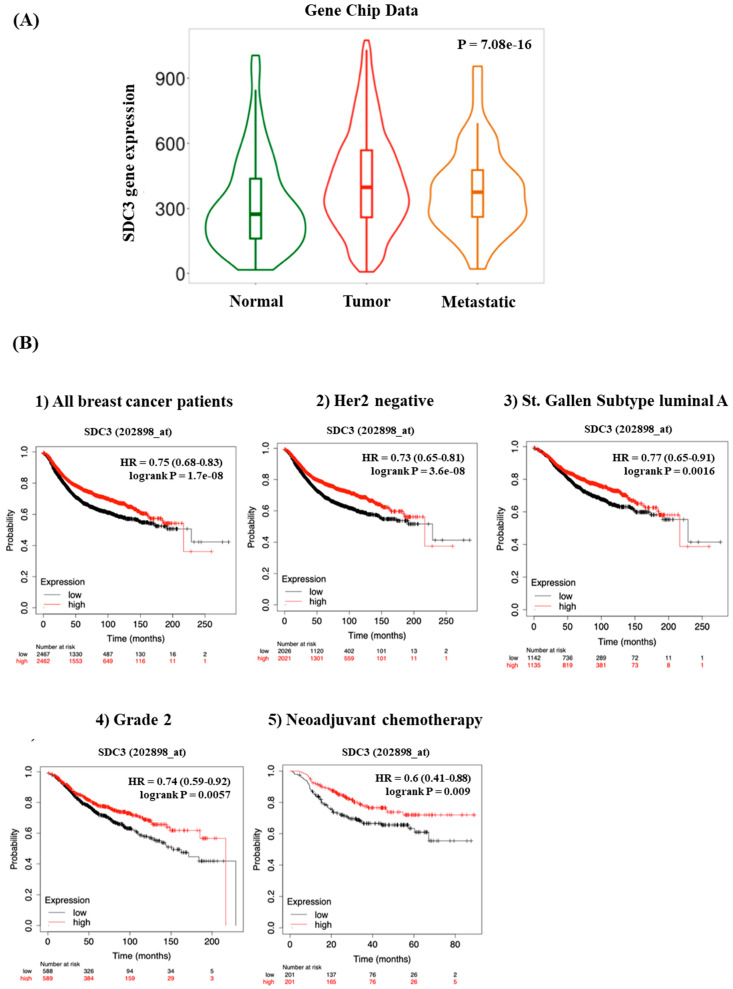 Figure 2
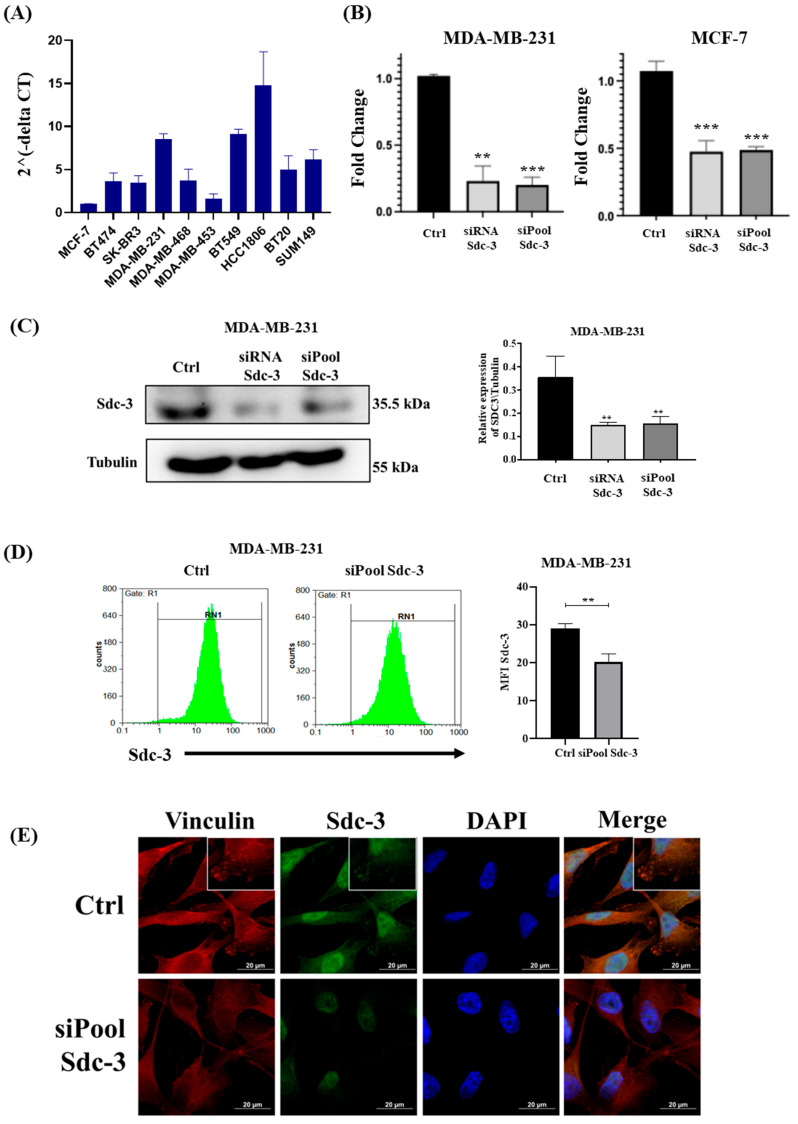 Figure 3
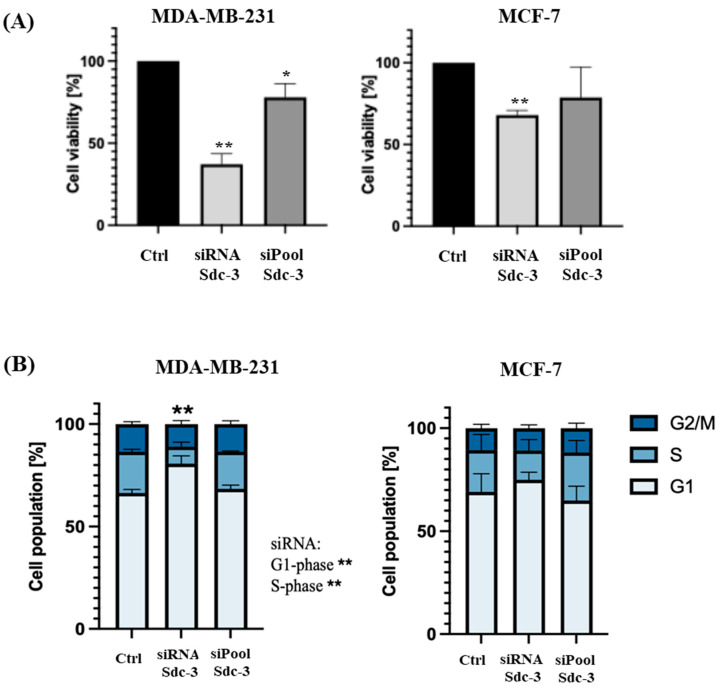 Figure 4
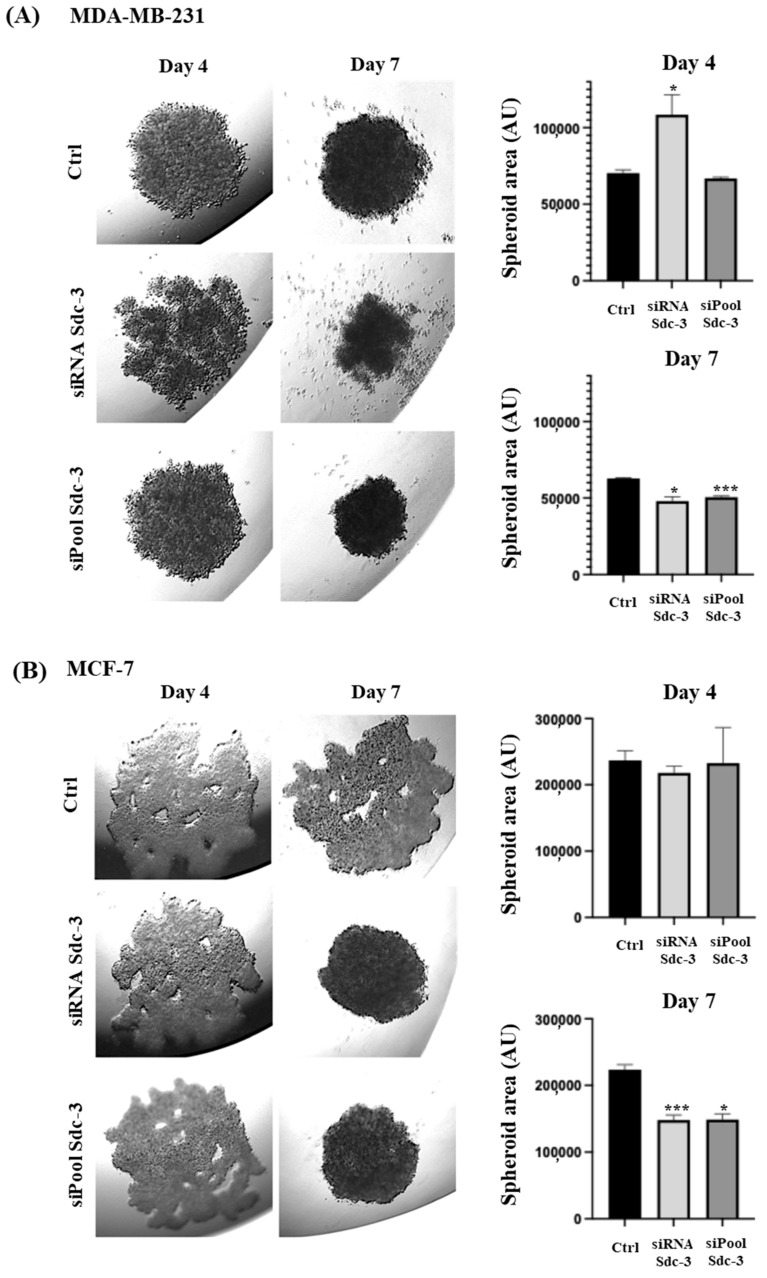 Figure 5
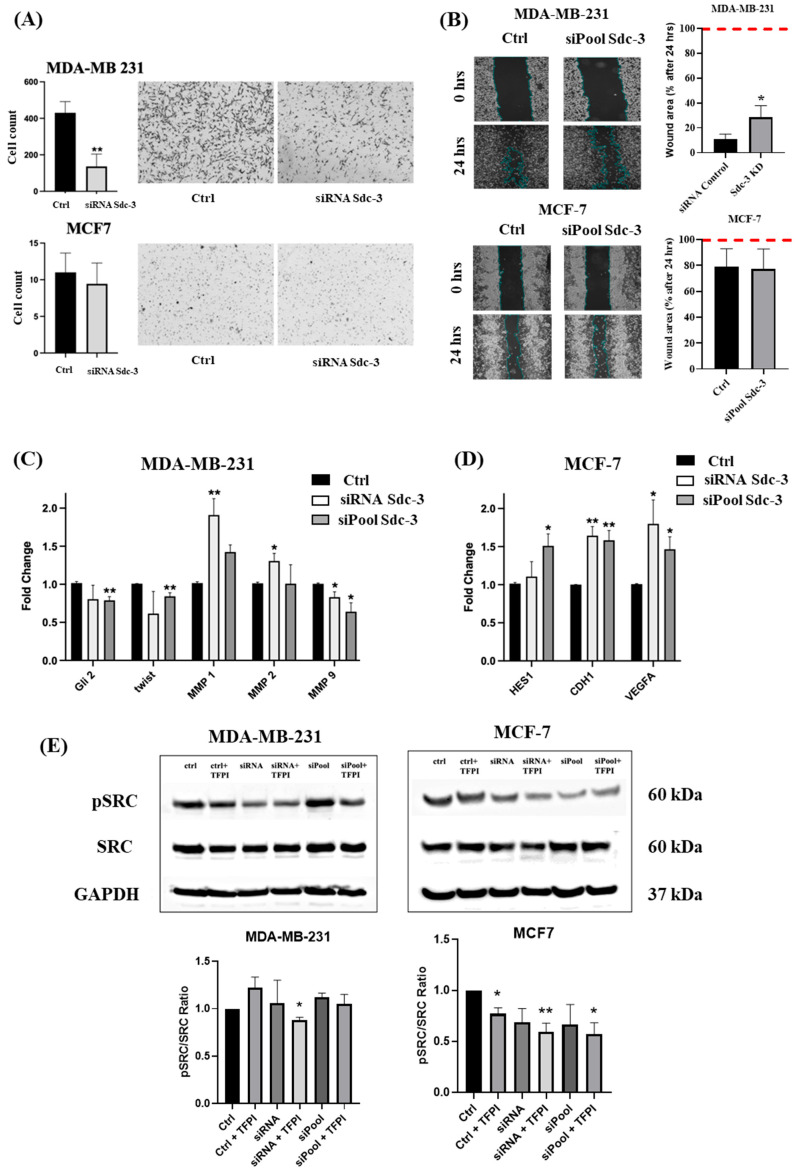 Figure 6
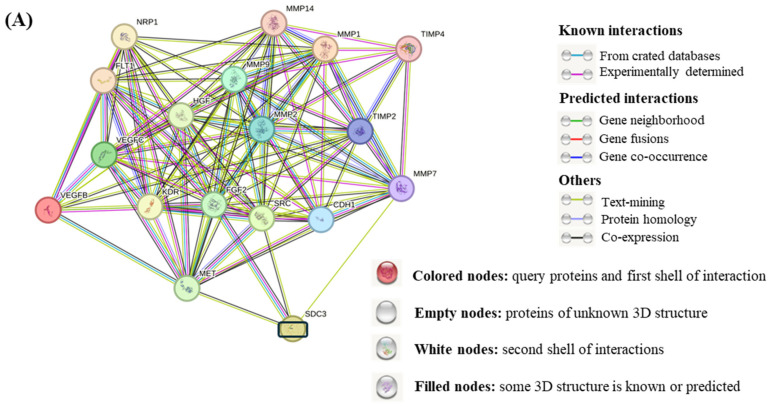 Figure 7
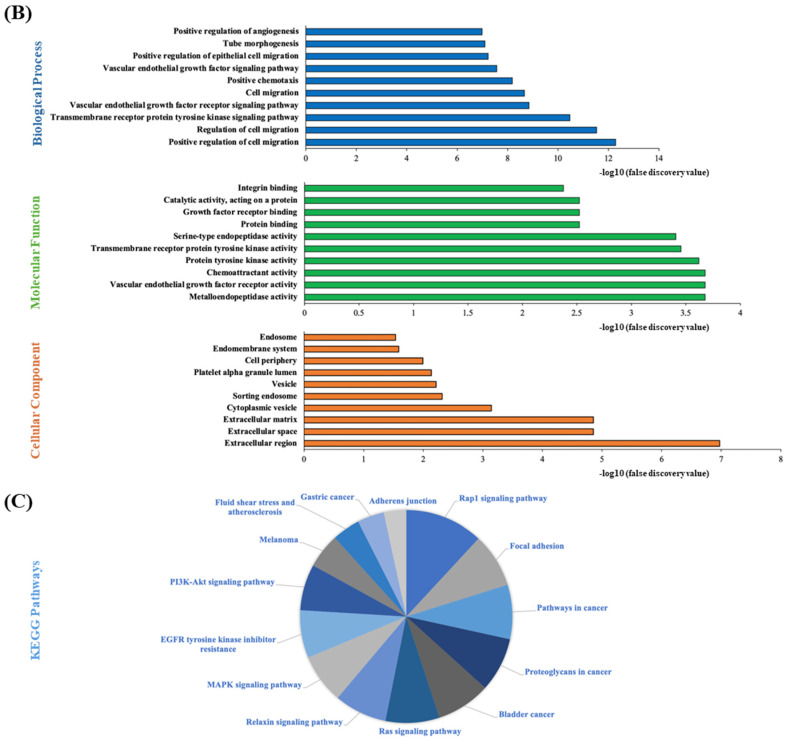 Figure 8
Peer Reviews
No public reviews on file for this paper yet. If you reviewed it on a platform where reviews are public (OpenReview, ICLR, NeurIPS, ICML), you can paste yours below so the community can read it here.
Videos
No videos yet. Explain this paper in a talk, walkthrough, or lecture? Add one.
Taxonomy
TopicsProteoglycans and glycosaminoglycans research · Protease and Inhibitor Mechanisms · Connective tissue disorders research