Bacterial Lysates Modulate Human Macrophage Responses by Inducing BPI Production and Autophagy
Yael García-González, María Teresa Herrera, Esmeralda Juárez, Teresa Santos-Mendoza, Yolanda González, Eduardo Becerril-Vargas, Silvia Guzmán-Beltrán

TL;DR
This study shows that bacterial lysates can boost human macrophage responses by increasing BPI production and autophagy, which may help fight tuberculosis.
Contribution
The study reveals that bacterial lysates modulate macrophage responses through BPI and autophagy, offering new insights for host-directed tuberculosis therapies.
Findings
Bacterial lysates induce diverse immunostimulatory effects in macrophages, including cytokine production and BPI expression.
BPI levels are elevated in TB patients and decrease with treatment, suggesting its potential as a biomarker.
Lysates reduce intracellular mycobacterial burden and induce autophagy in macrophages.
Abstract
Bacterial lysates have emerged as promising immunomodulatory agents that can enhance innate immune responses. Given the crucial role of macrophages in recognizing and controlling intracellular pathogens such as Mycobacterium tuberculosis, this study aimed to evaluate the immunological effects of selected bacterial lysates on human monocyte-derived macrophages (MDMs). We examined the ability of commercial bacterial lysates, Pulmonarom, Ismigen, Uro-Vaxom, and a lysate of M. tuberculosis H37 Ra (LMtb) to stimulate the production of key pro-inflammatory cytokines, including TNF-α, IL-1β, and IL-8. In addition, we investigated whether these lysates could modulate the expression of bactericidal/permeability-increasing protein (BPI), a critical antimicrobial effector, and assessed their ability to reduce the intracellular burden of mycobacteria and induce autophagy. The results demonstrate…
Genes, proteins, chemicals, diseases, species, mutations and cell lines named across the full text — each resolved to its canonical identifier and authoritative record.
Click any figure to enlarge with its caption.
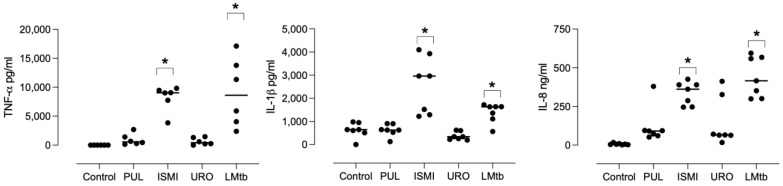 Figure 1
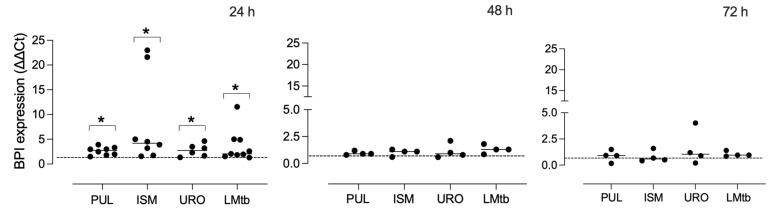 Figure 2
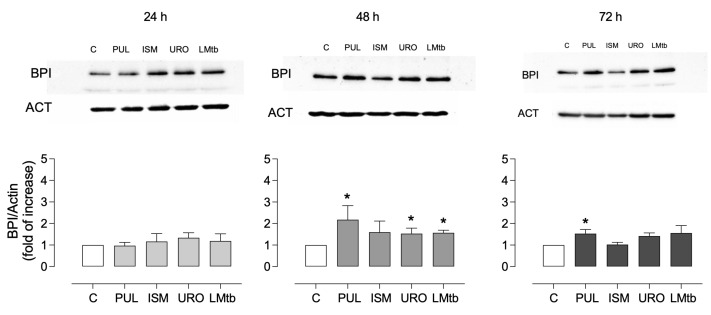 Figure 3
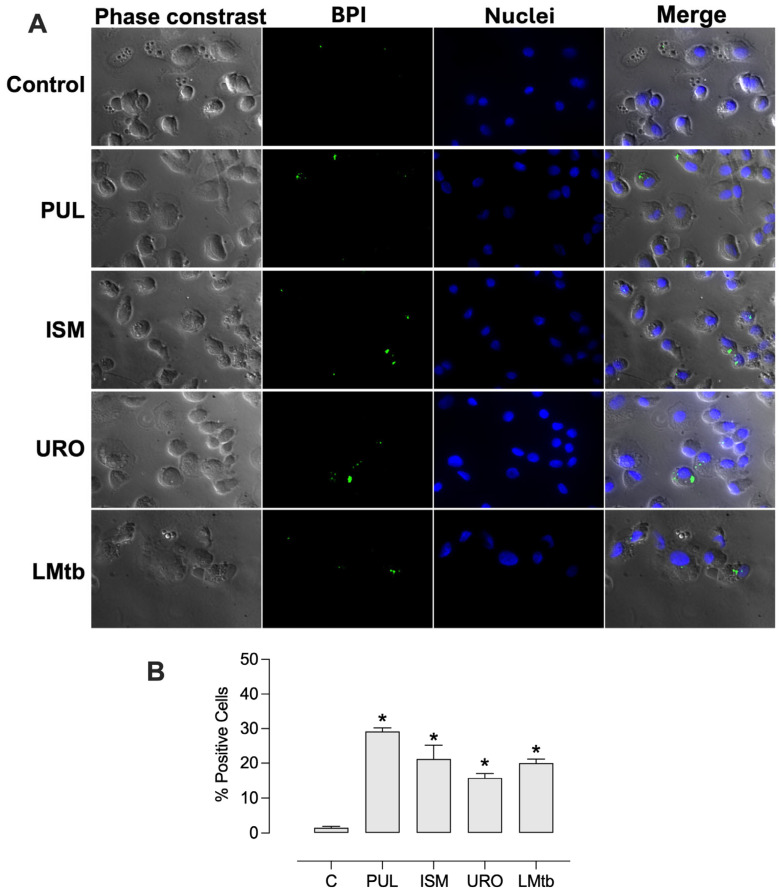 Figure 4
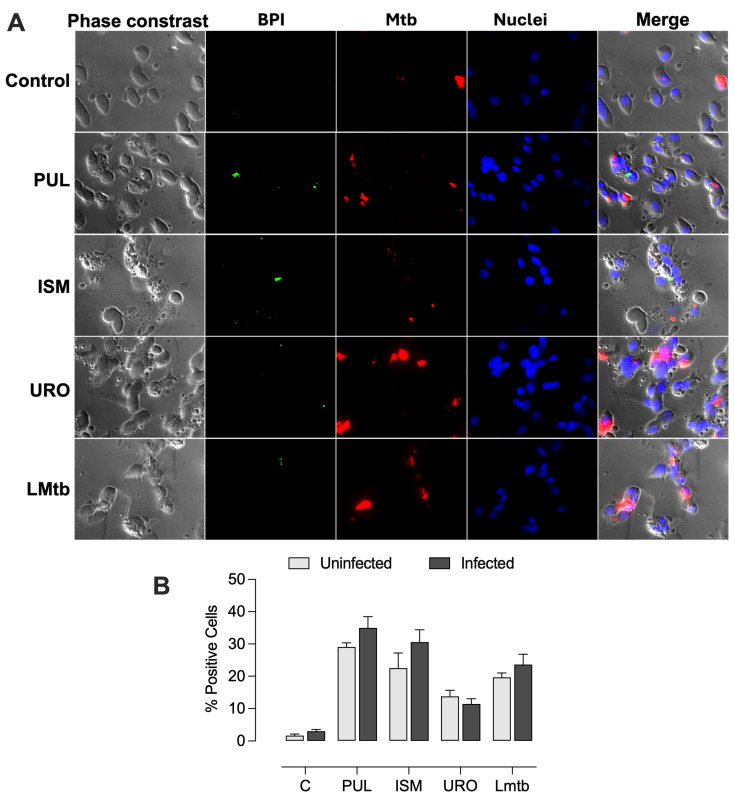 Figure 5
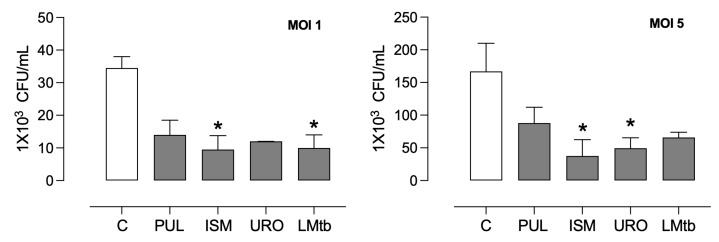 Figure 6
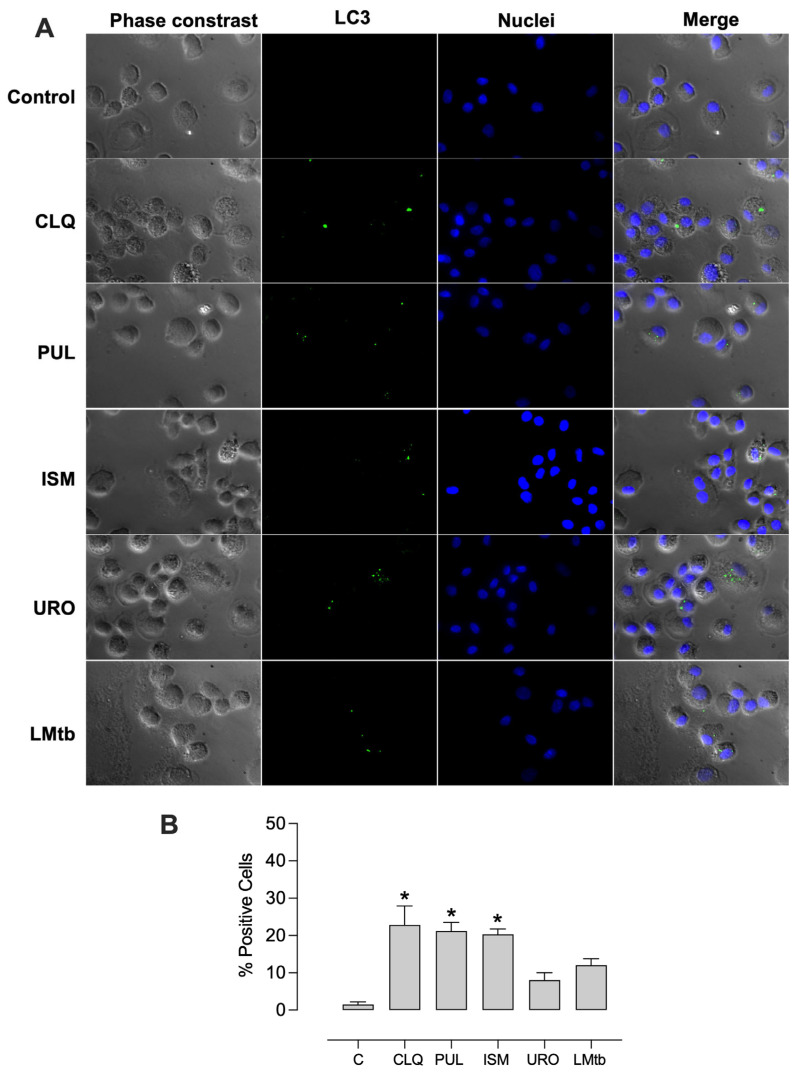 Figure 7
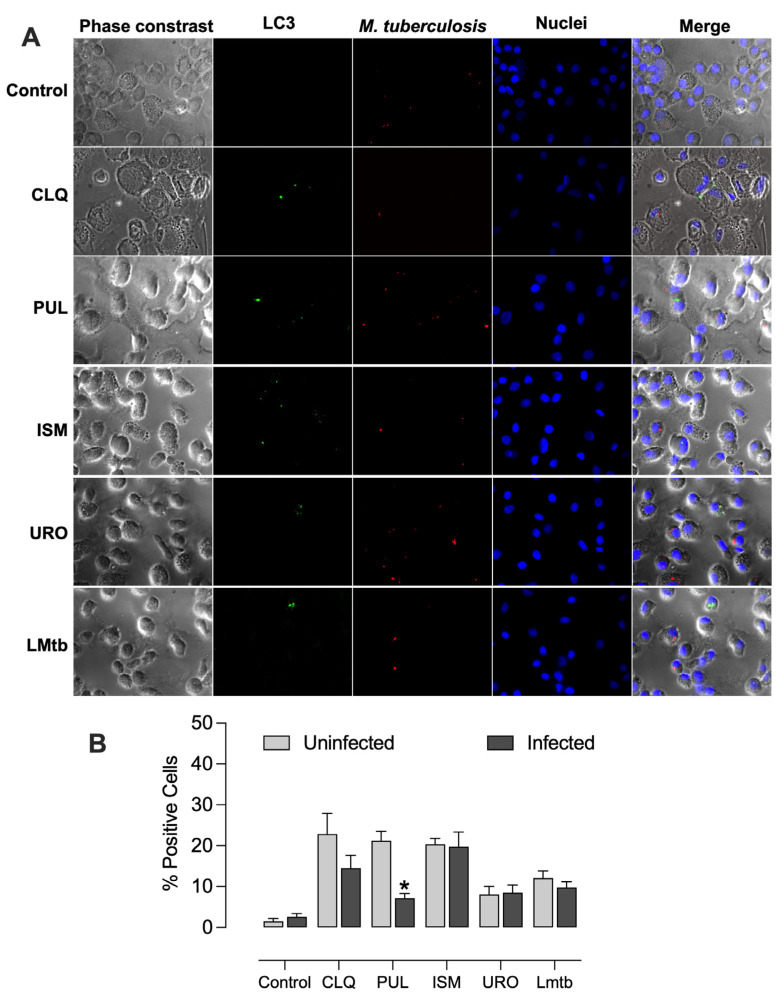 Figure 8
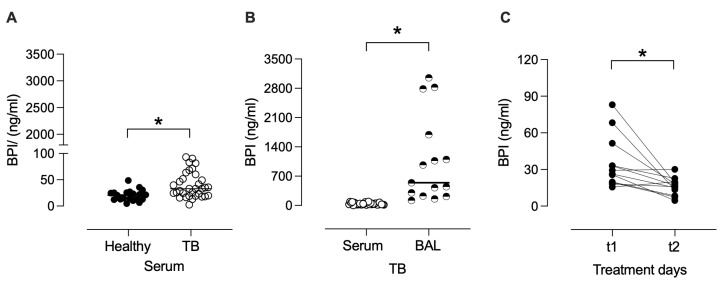 Figure 9
Peer Reviews
No public reviews on file for this paper yet. If you reviewed it on a platform where reviews are public (OpenReview, ICLR, NeurIPS, ICML), you can paste yours below so the community can read it here.
Videos
No videos yet. Explain this paper in a talk, walkthrough, or lecture? Add one.
Taxonomy
TopicsPediatric health and respiratory diseases · Epigenetics and DNA Methylation · Gut microbiota and health