Phage Display Reveals VLRB-Mediated Recognition of Minimal Tumor Glycan Antigen Sialyl-Tn
Mark Rickard N. Angelia, Abigail Joy D. Rodelas-Angelia, Youngrim Kim, Cheolung Yang, Hyeok Jang, Seungpyo Jeong, Jihyun Mun, Kim D. Thompson, Taesung Jung

TL;DR
This study shows that VLRB proteins can be used to detect a cancer-related sugar called sTn, offering a new alternative to traditional antibodies.
Contribution
The study introduces VLRB as a novel scaffold for high-affinity recognition of the tumor glycan sialyl-Tn.
Findings
Two VLRB binders, A8 and B11, were isolated with high specificity for sTn and related O-glycans.
Both ccombodies bound to sTn-positive cell lines and glycoproteins, showing potential for diagnostic and therapeutic use.
The Vicia villosa lectin inhibited ccombody binding, suggesting shared epitope recognition.
Abstract
Sialyl-Tn (sTn) is a tumor-associated carbohydrate antigen (TACA) abundantly expressed by various types of carcinomas. While conventional antibody-based platforms have traditionally been used for the detection and targeting of sTn, alternative binding scaffolds may offer distinct advantages. Variable lymphocyte receptor B (VLRB), the immunoglobulin-like molecule of jawless vertebrates, offers a promising alternative for glycan recognition. In this study, a phage-displayed VLRB library was utilized to identify sTn-specific binders. Two candidates, designated as ccombodies A8 and B11, were isolated after four rounds of biopanning. Both were expressed and purified using Ni-affinity and FPLC, yielding proteins with apparent molecular weights of ~27 kDa in SDS-PAGE. Sequence analysis revealed a preference for glycan-binding residues in randomized hypervariable regions, with A8 exhibiting an…
Genes, proteins, chemicals, diseases, species, mutations and cell lines named across the full text — each resolved to its canonical identifier and authoritative record.
Click any figure to enlarge with its caption.
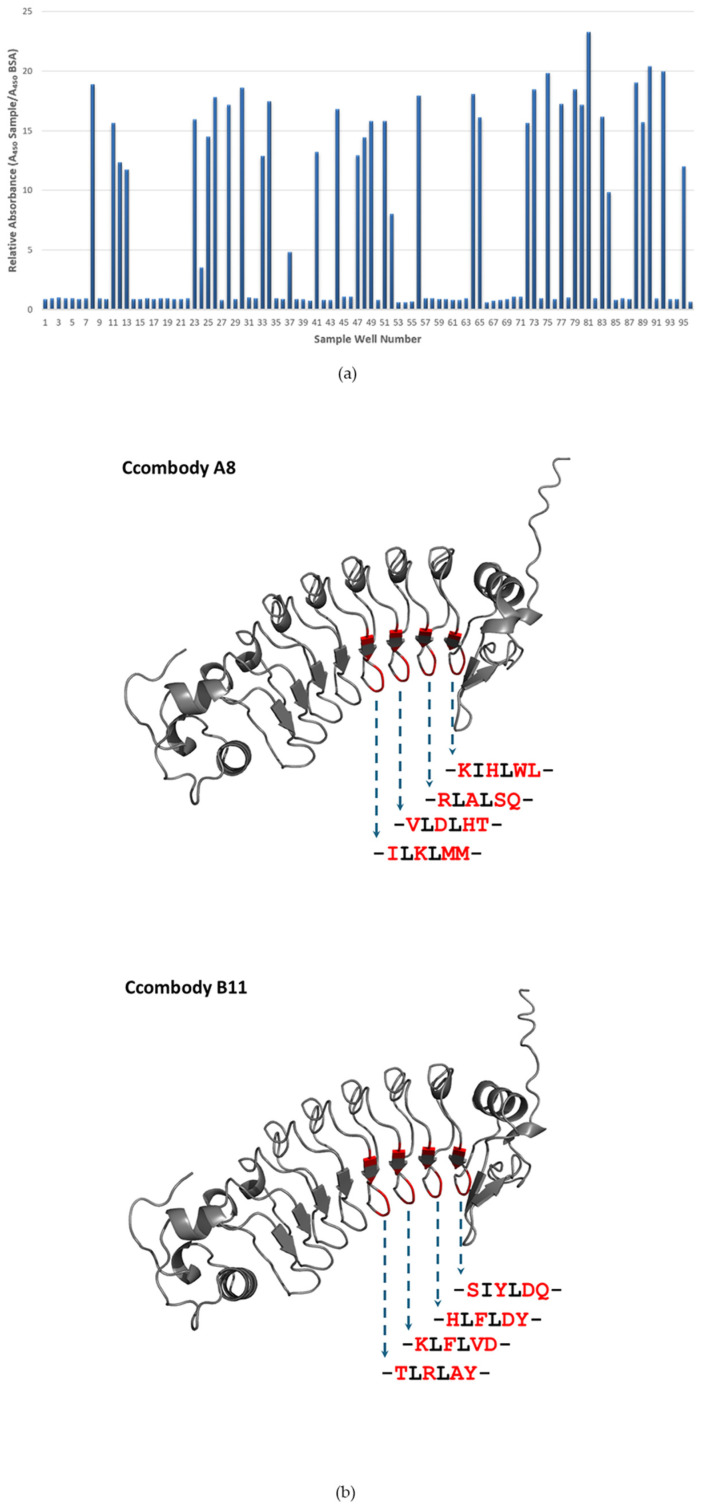 Figure 1
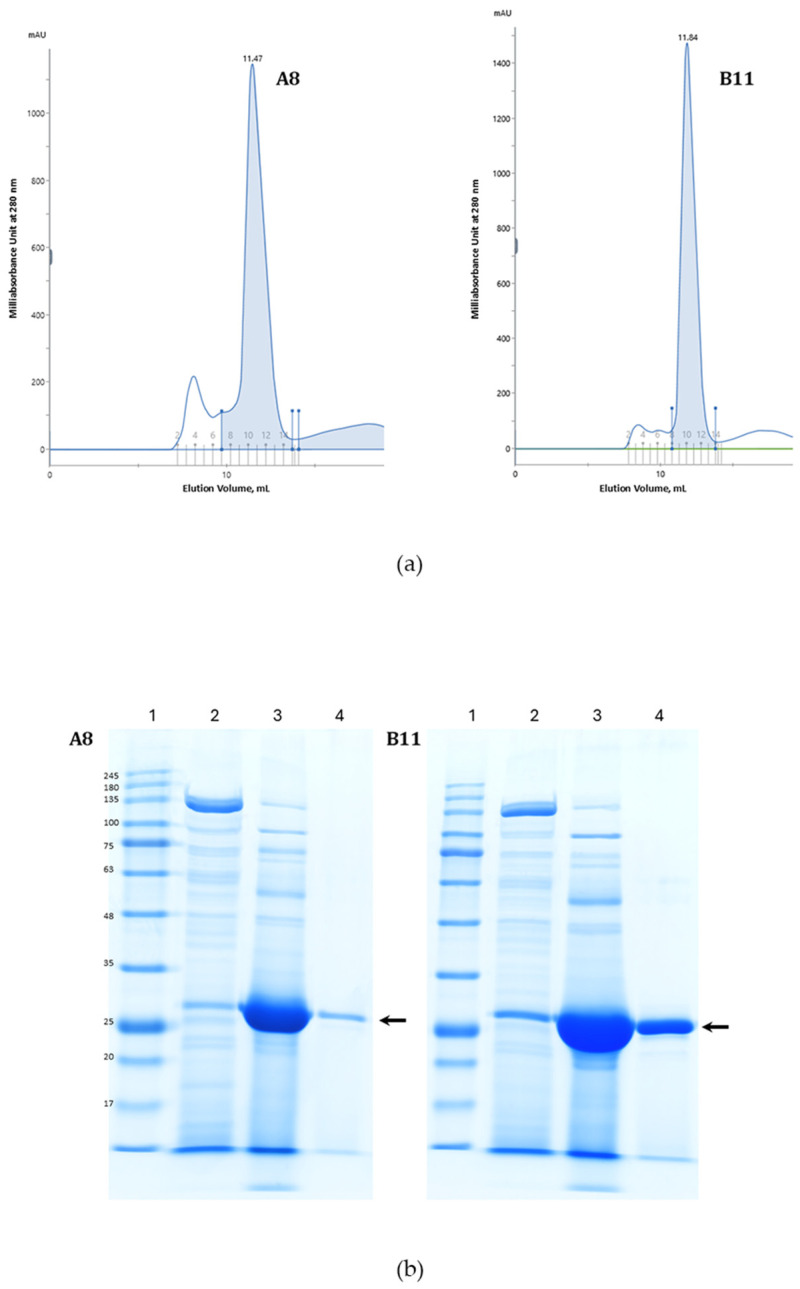 Figure 2
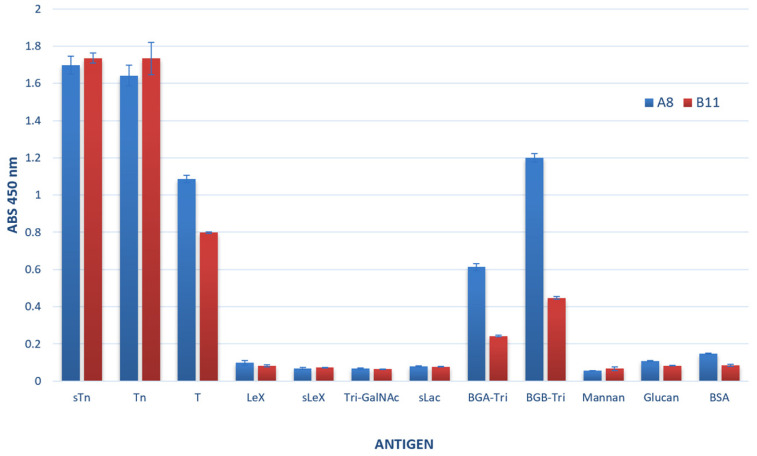 Figure 3
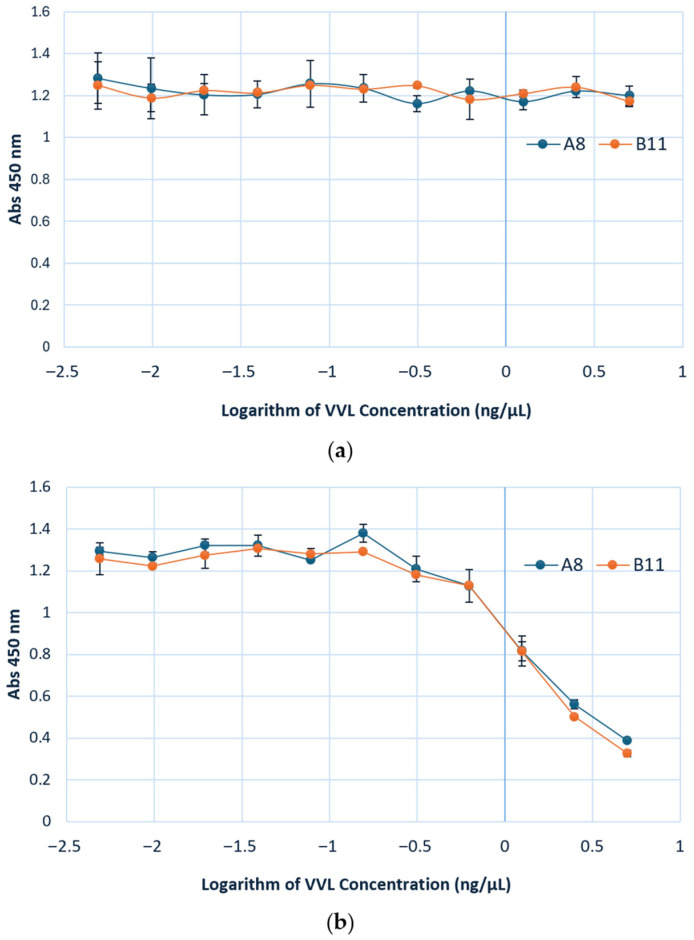 Figure 4
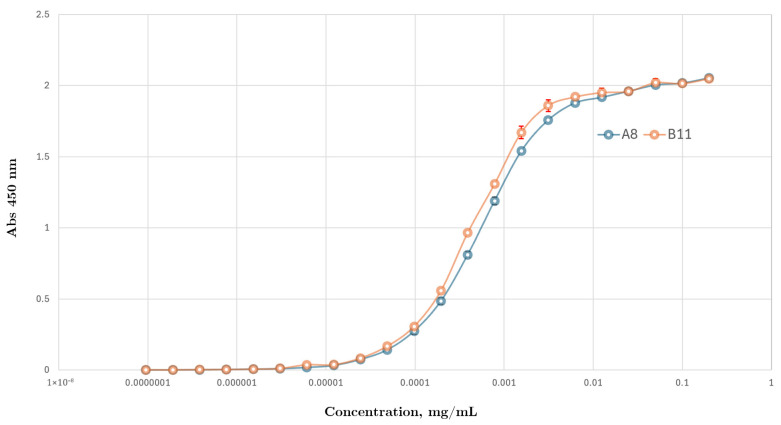 Figure 5
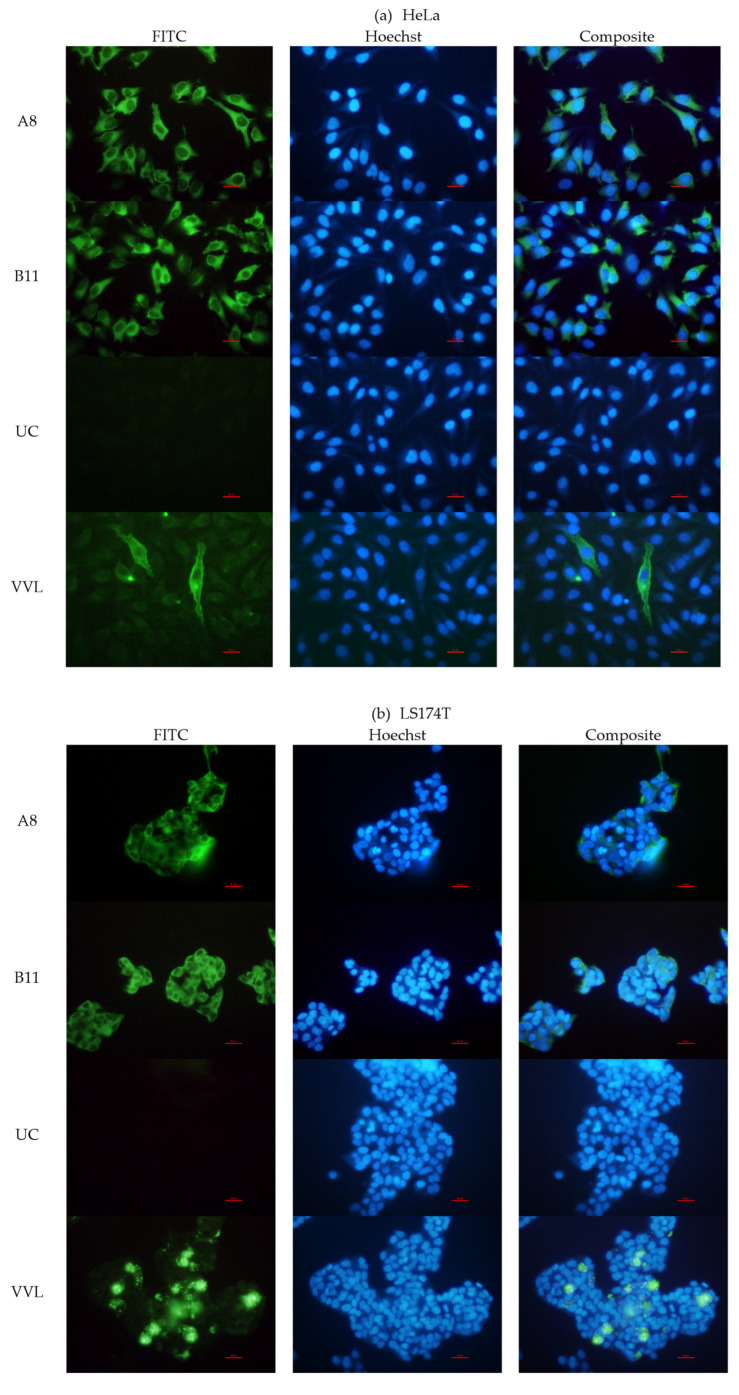 Figure 6
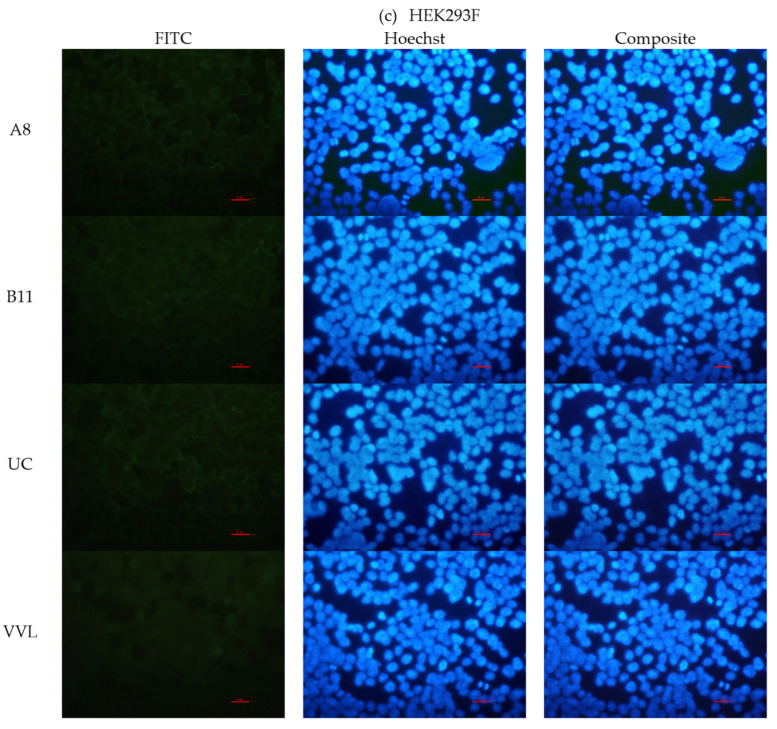 Figure 7
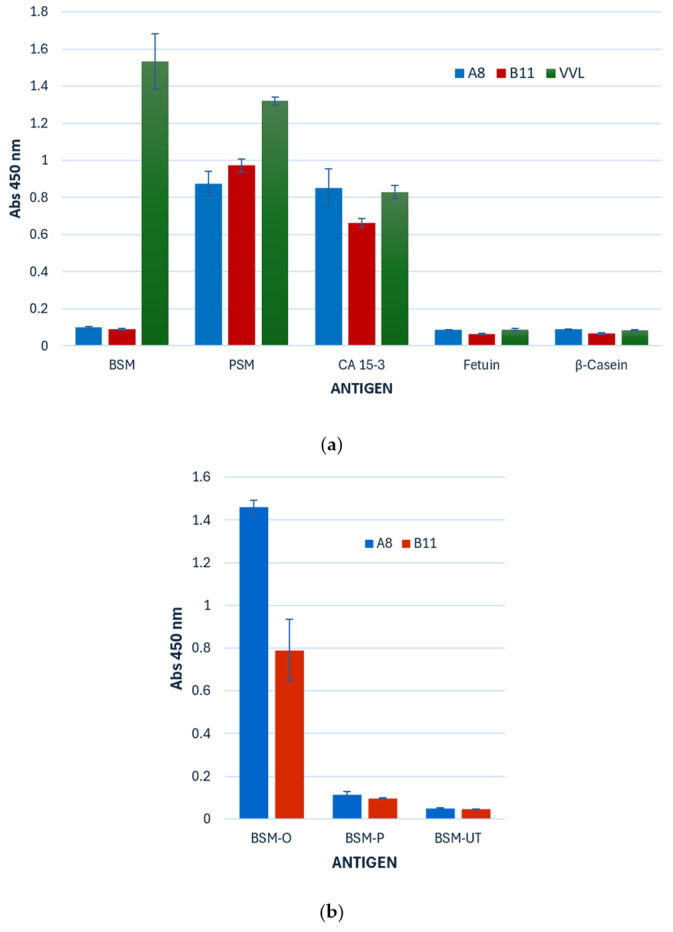 Figure 8
Peer Reviews
No public reviews on file for this paper yet. If you reviewed it on a platform where reviews are public (OpenReview, ICLR, NeurIPS, ICML), you can paste yours below so the community can read it here.
Videos
No videos yet. Explain this paper in a talk, walkthrough, or lecture? Add one.
Taxonomy
TopicsGlycosylation and Glycoproteins Research · Monoclonal and Polyclonal Antibodies Research · Cancer Research and Treatments