Dopaminergic Degeneration Differentially Modulates Primary Motor Cortex Activity and Motor Behavior in Hemiparkinsonian Rats
Suelen L. Boschen, Julian Seethaler, Shaohua Wang, Wendy D. Lujan, Jodi L. Silvernail, Launia J. White, Michael G. Heckman, Rickey E. Carter, Su-Youne Chang, J. Luis Lujan

TL;DR
This study shows how dopamine loss in rats with Parkinson's-like symptoms affects brain activity and motor behavior, and how treatment with levodopa can help.
Contribution
The study reveals how M1 calcium activity is differentially modulated by dopaminergic degeneration and levodopa treatment in a lesion-dependent manner.
Findings
Levodopa treatment improved fine motor performance in hemiparkinsonian rats.
M1 calcium activity was modulated by lesion severity, with low-lesion rats showing reduced event frequency and increased influx post-lesion.
Calcium influx was negatively correlated with lesion severity during levodopa treatment.
Abstract
Background/Goal: Parkinson’s disease (PD) disrupts dopaminergic transmission, leading to motor deficits and altered activity in the primary motor cortex (M1). While M1 modulation is critical for motor control, its response to dopaminergic degeneration and treatment remains unclear. This study aimed to characterize M1 neuronal activity and motor behavior in hemiparkinsonian rats using in vivo calcium imaging across naïve, lesioned, and levodopa-treated states. Methods: Thirteen Sprague Dawley rats were injected with GCaMP6f in the M1 and implanted with a GRIN lens and guide cannula targeting the medial forebrain bundle. Calcium imaging and motor behavior were assessed longitudinally using a single pellet reaching test (SPRT) before and after unilateral 6-hydroxydopamine (6-OHDA) lesioning and subsequent levodopa/carbidopa treatment. Dopaminergic lesion severity was quantified via…
Genes, proteins, chemicals, diseases, species, mutations and cell lines named across the full text — each resolved to its canonical identifier and authoritative record.
Click any figure to enlarge with its caption.
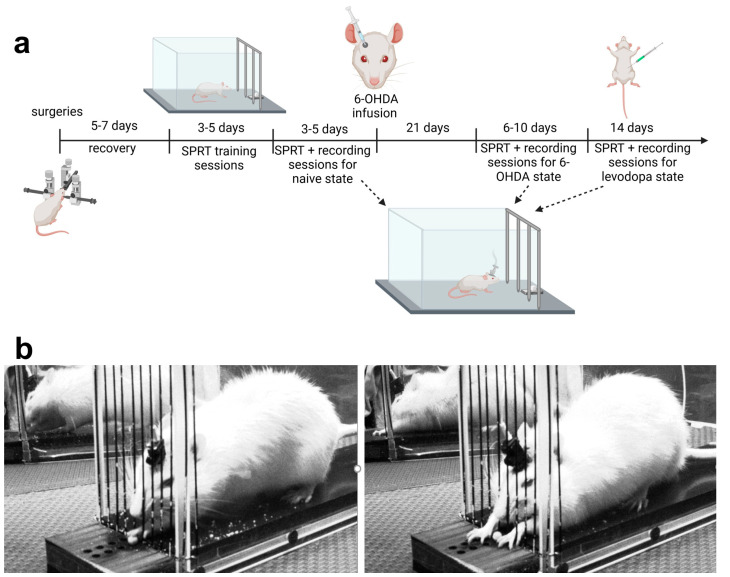 Figure 1
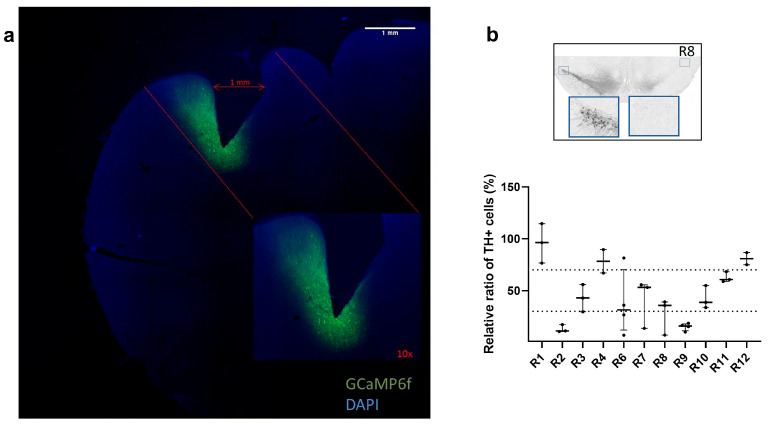 Figure 2
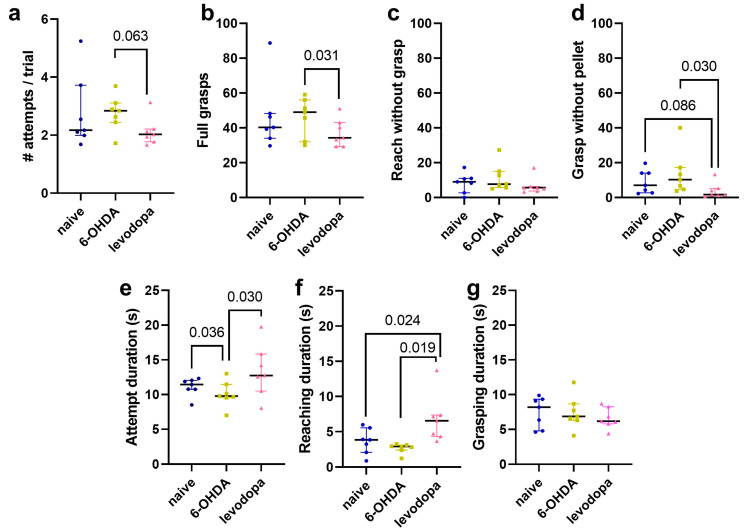 Figure 3
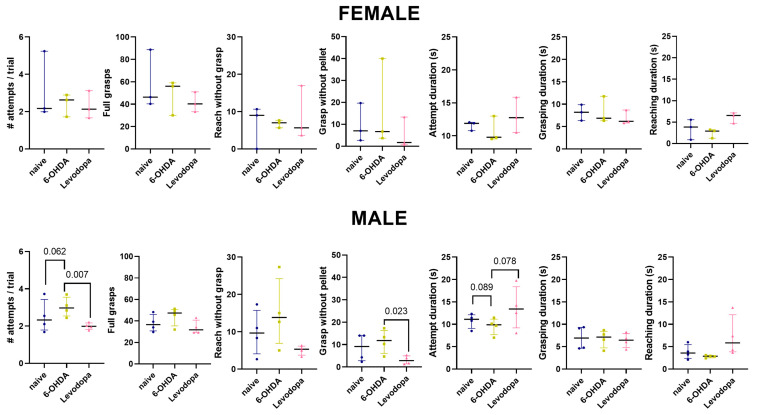 Figure 4
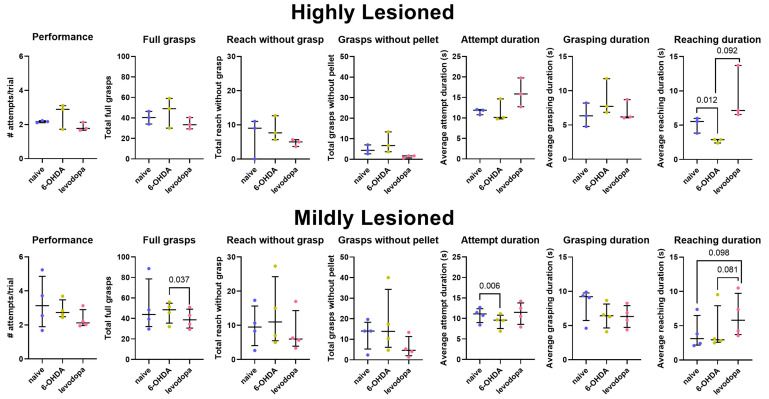 Figure 5
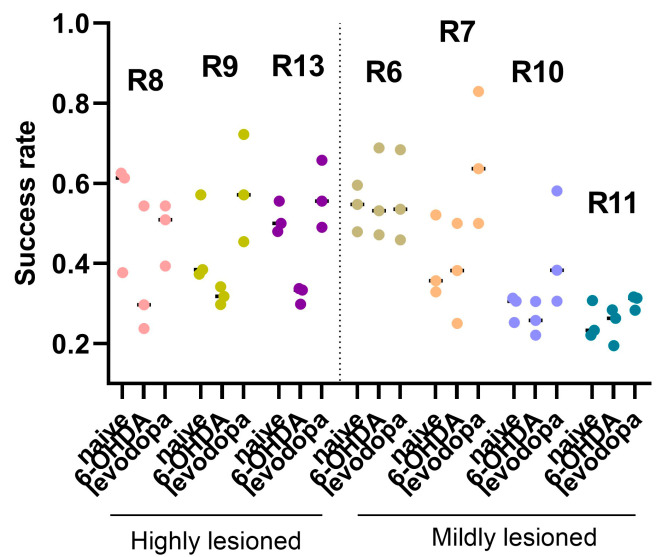 Figure 6
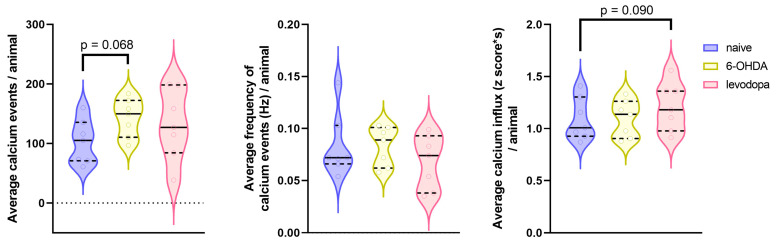 Figure 7
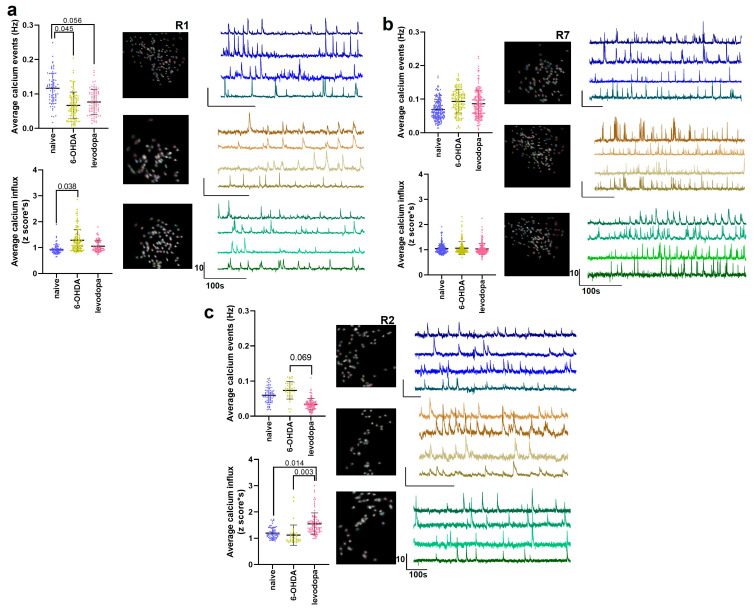 Figure 8
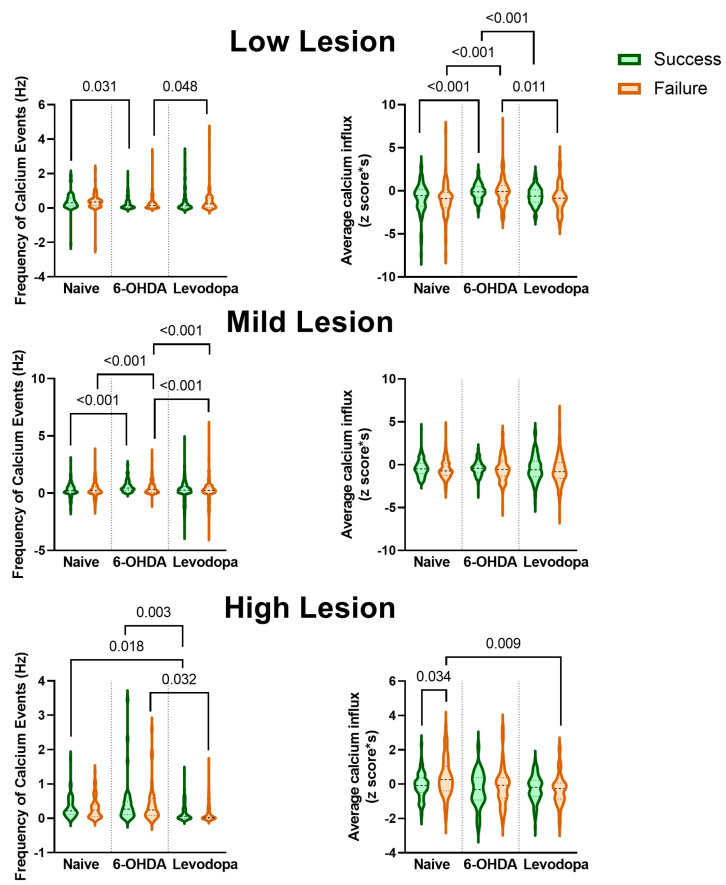 Figure 9
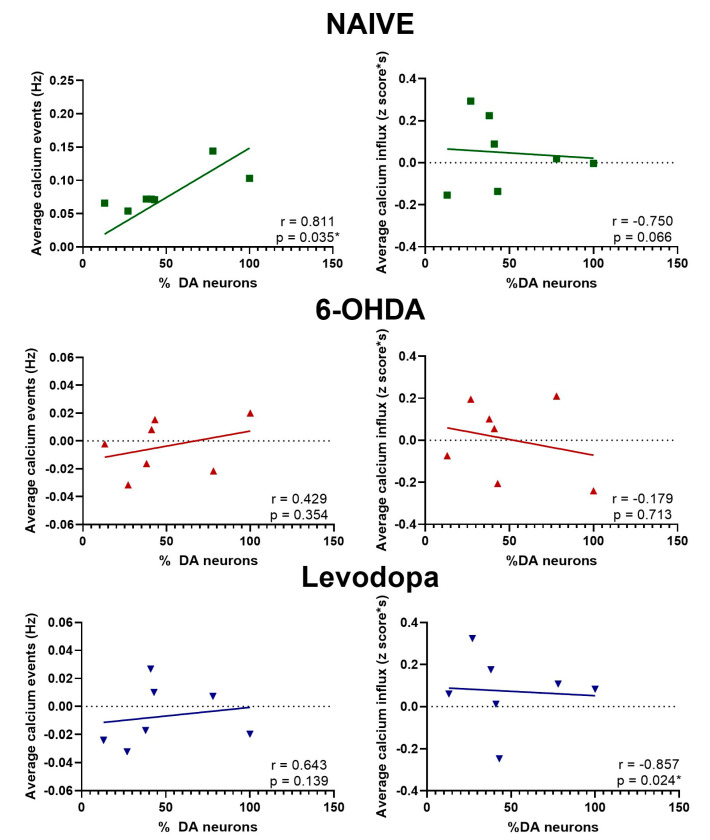 Figure 10
Peer Reviews
No public reviews on file for this paper yet. If you reviewed it on a platform where reviews are public (OpenReview, ICLR, NeurIPS, ICML), you can paste yours below so the community can read it here.
Videos
No videos yet. Explain this paper in a talk, walkthrough, or lecture? Add one.
Taxonomy
TopicsNeurological disorders and treatments · Neuroscience and Neuropharmacology Research · Genetic Neurodegenerative Diseases