Harnessing in Silico Design for Electrochemical Aptasensor Optimization: Detection of Okadaic Acid (OA)
Margherita Vit, Sondes Ben-Aissa, Alfredo Rondinella, Lorenzo Fedrizzi, Sabina Susmel

TL;DR
This paper presents a new method for designing a fast and sensitive biosensor to detect a harmful marine toxin in food and environmental samples.
Contribution
A novel in silico workflow is introduced for optimizing aptasensors, enabling rapid detection of okadaic acid with high sensitivity and short assay time.
Findings
A 31-nucleotide aptamer was successfully designed and validated for high binding affinity to okadaic acid.
The developed electrochemical sensor achieved a detection limit of 2.5 nM with a linear range of 5–200 nM.
The sensor demonstrated excellent recovery rates (82–103%) in real-world food matrices like mussel samples.
Abstract
The urgent need for advanced analytical tools for environmental monitoring and food safety drives the development of novel biosensing approaches and solutions. A computationally driven workflow for the development of a rapid electrochemical aptasensor for okadaic acid (OA), a critical marine biotoxin, is reported. The core of this strategy is a rational design process, where in silico modeling was employed to optimize the biological recognition element. A 63-nucleotide aptamer was successfully truncated to a highly efficient 31-nucleotide variant. Molecular docking simulations confirmed the high binding affinity of the minimized aptamer and guided the design of the surface immobilization chemistry to ensure robust performance. The fabricated sensor, which utilizes a ferrocene-labeled aptamer, delivered a sensitive response with a detection limit of 2.5 nM (n = 5) over a linear range of…
Genes, proteins, chemicals, diseases, species, mutations and cell lines named across the full text — each resolved to its canonical identifier and authoritative record.
Click any figure to enlarge with its caption.
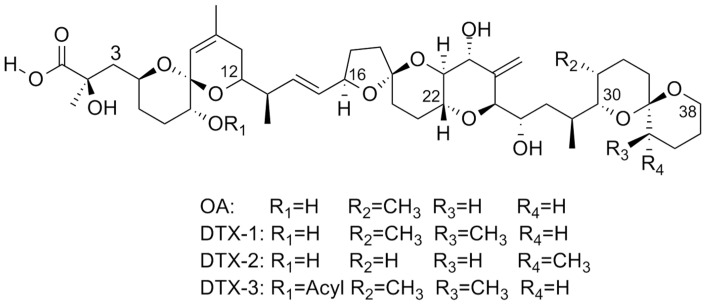 Figure 1
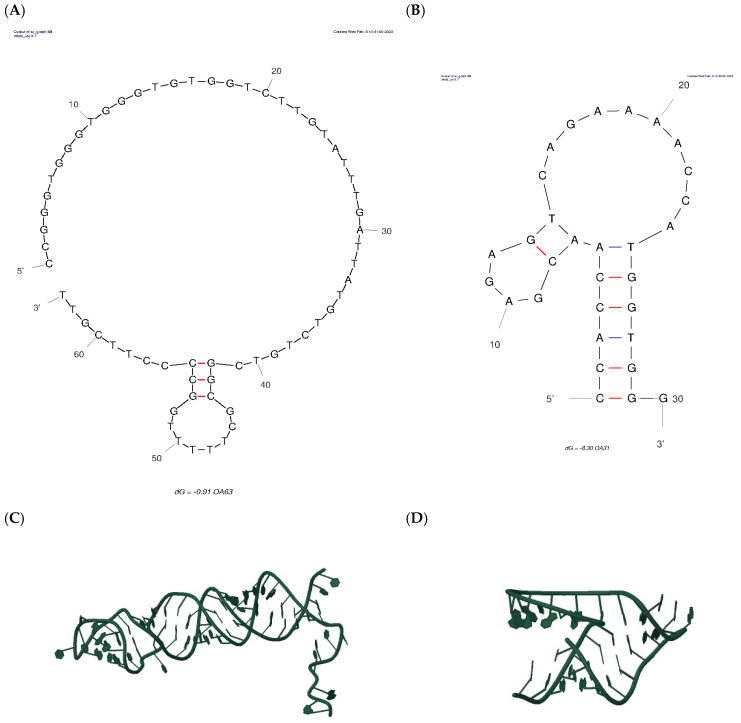 Figure 2
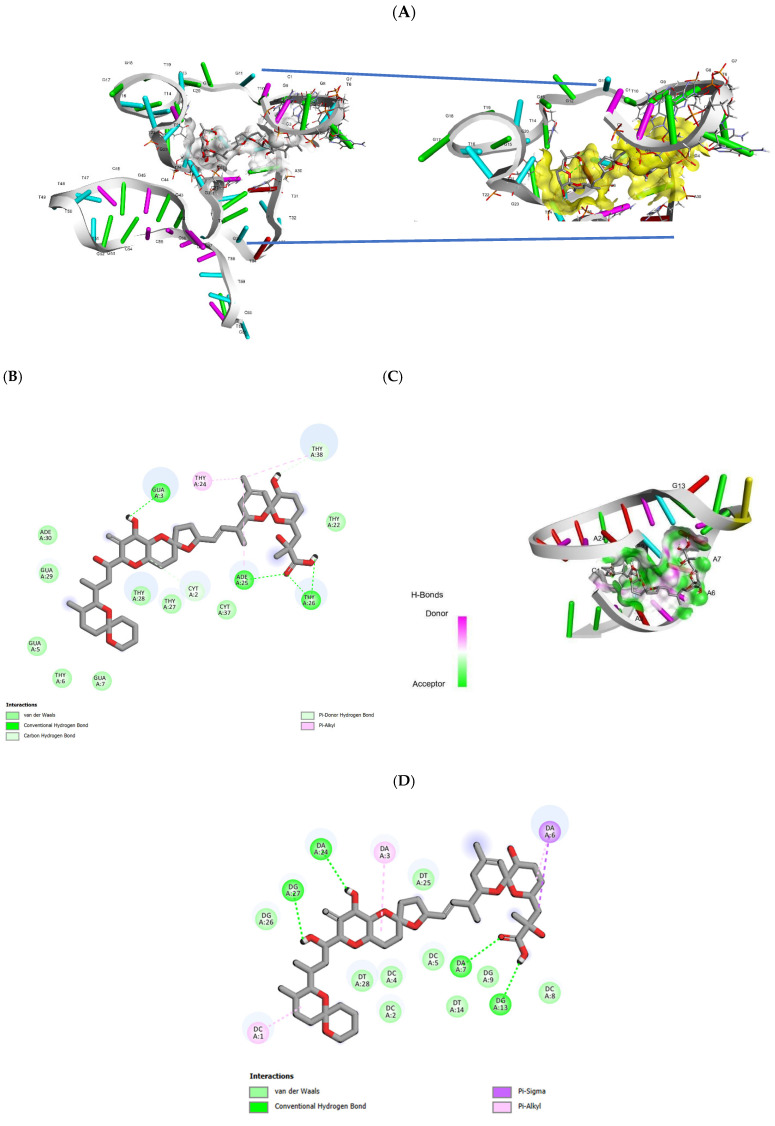 Figure 3
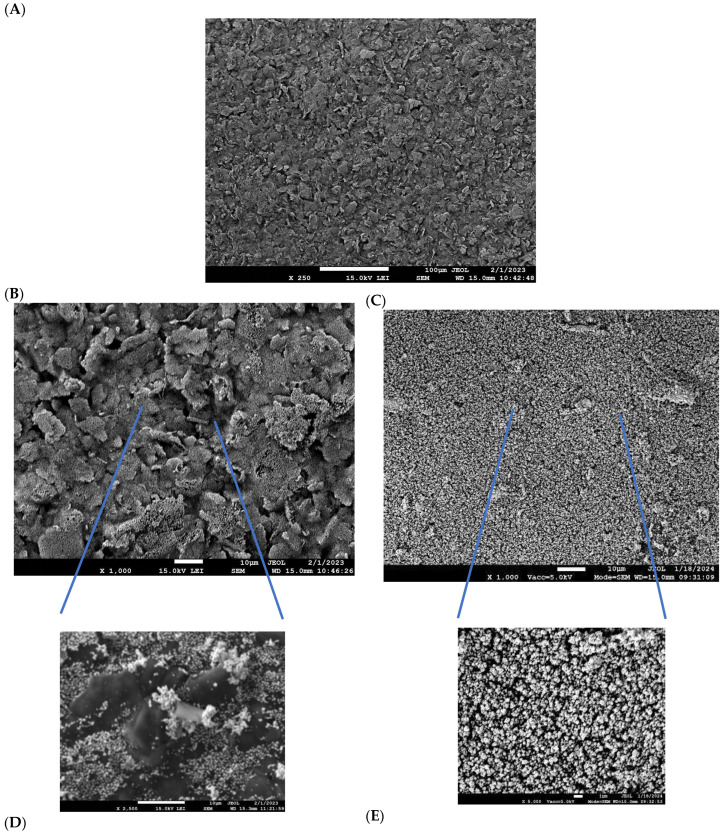 Figure 4
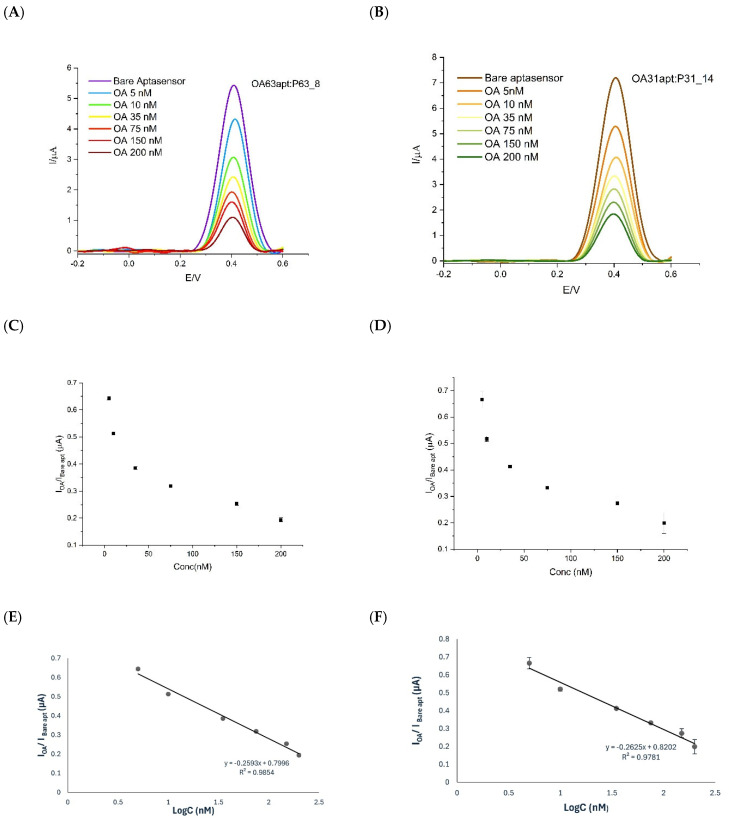 Figure 5
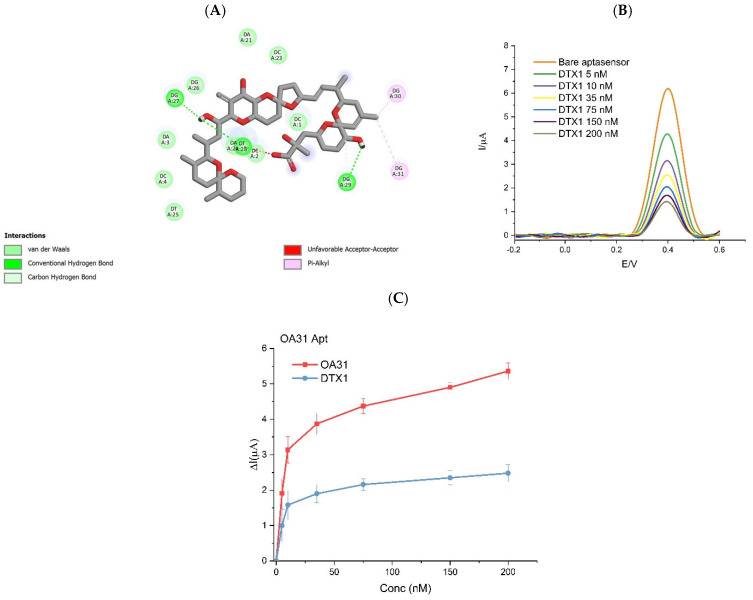 Figure 6
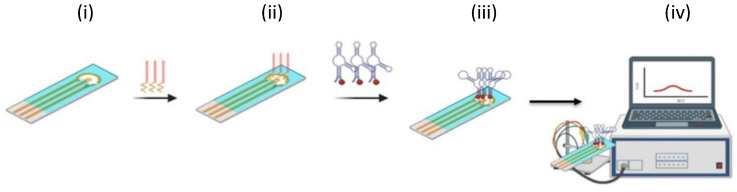 Figure 7
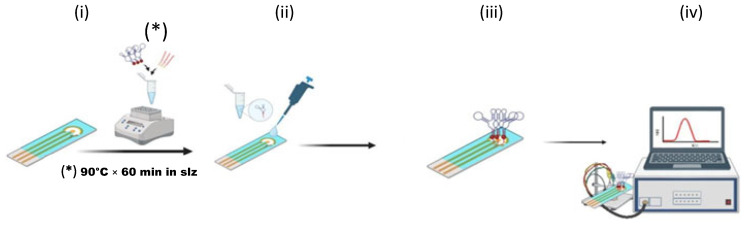 Figure 8
Peer Reviews
No public reviews on file for this paper yet. If you reviewed it on a platform where reviews are public (OpenReview, ICLR, NeurIPS, ICML), you can paste yours below so the community can read it here.
Videos
No videos yet. Explain this paper in a talk, walkthrough, or lecture? Add one.
Taxonomy
TopicsElectrochemical sensors and biosensors · Advanced Chemical Sensor Technologies · Electrochemical Analysis and Applications