Palonosetron, a 5-HT3 Receptor Antagonist, Induces G1 Cell Cycle Arrest and Autophagy in Gastric Cancer Cells
Young Chul Yoo, Lin Lin, Sihak Lee, Yeeun Rachel Shin, Ju Eun Oh, Na Young Kim

TL;DR
This study shows that palonosetron, a drug used to block serotonin receptors, can slow gastric cancer growth by stopping cell division and triggering cell cleanup processes.
Contribution
The study reveals palonosetron's novel anti-cancer effects via G1 cell cycle arrest and autophagy induction in gastric cancer cells.
Findings
Palonosetron induced G1 cell cycle arrest and autophagy in AGS gastric cancer cells.
Palonosetron reduced tumor growth and modulated pro-inflammatory cytokines in a mouse model.
Palonosetron increased p27, p53, and LC3B expression and phosphorylated GSK3β in cancer cells.
Abstract
Serotonin or 5-hydroxytryptamine (5-HT) has been implicated in promoting cancer cell growth by acting on 5-HT receptors, such as 5-HT1 and 5-HT2 receptors. However, the role of 5-HT3 receptor antagonists in gastric cancer cell lines remains unclear. This study aimed to evaluate the effect of 5-HT3 receptor antagonists (ondansetron, palonosetron, and ramosetron) on cancer cell growth using AGS and MKN-1 cell lines, as well as the xenograft mouse model. All the three antagonists inhibited cell proliferation, migration, and colony formation in AGS cells. Specifically, palonosetron induced G1 cell cycle arrest, autophagy, and phosphorylation of GSK3β, along with increased expression of p27, p53, and LC3B. In vivo studies demonstrated that palonosetron reduced tumor growth and modulated pro-inflammatory cytokines—tumor necrosis factor alpha, interleukin 6, and interleukin 1β. These findings…
Genes, proteins, chemicals, diseases, species, mutations and cell lines named across the full text — each resolved to its canonical identifier and authoritative record.
Click any figure to enlarge with its caption.
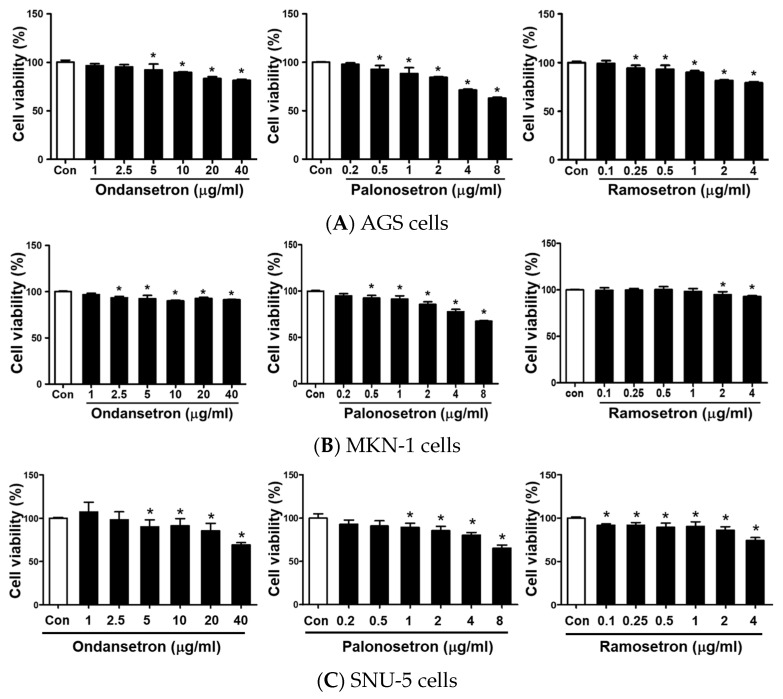 Figure 1
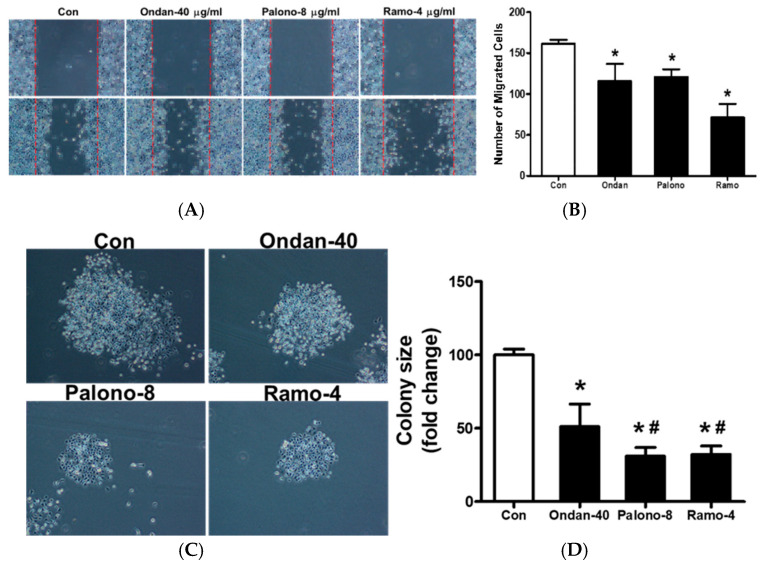 Figure 2
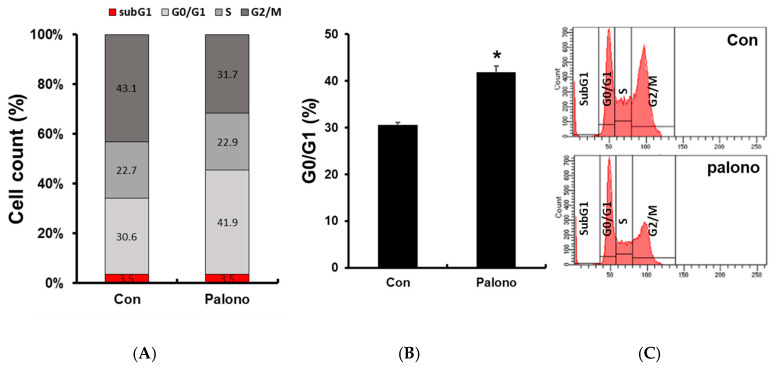 Figure 3
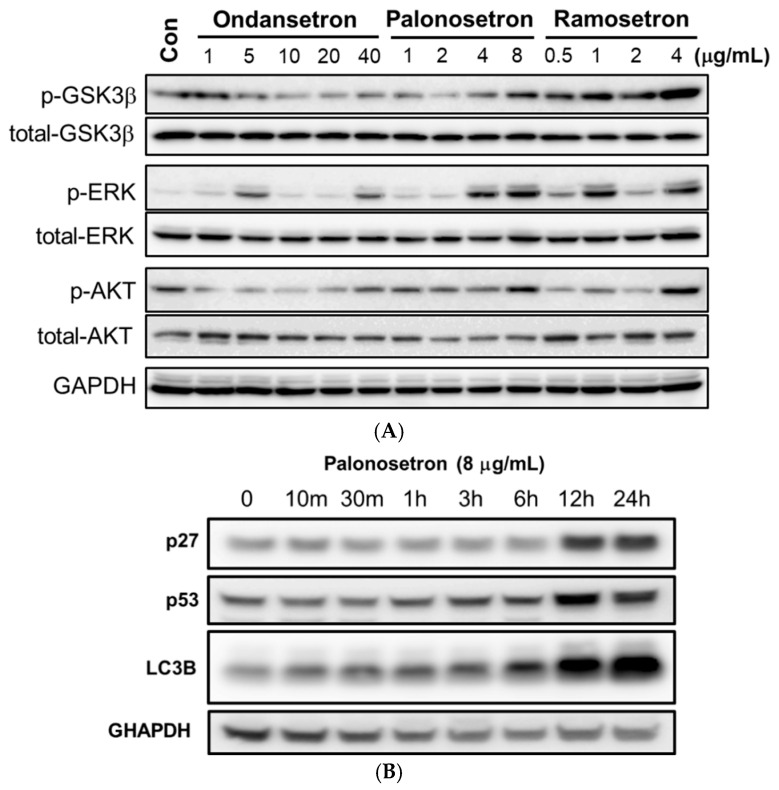 Figure 4
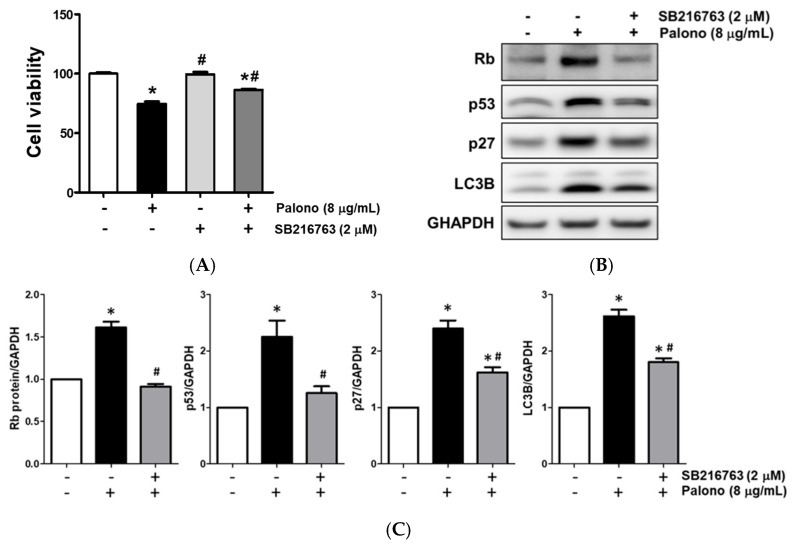 Figure 5
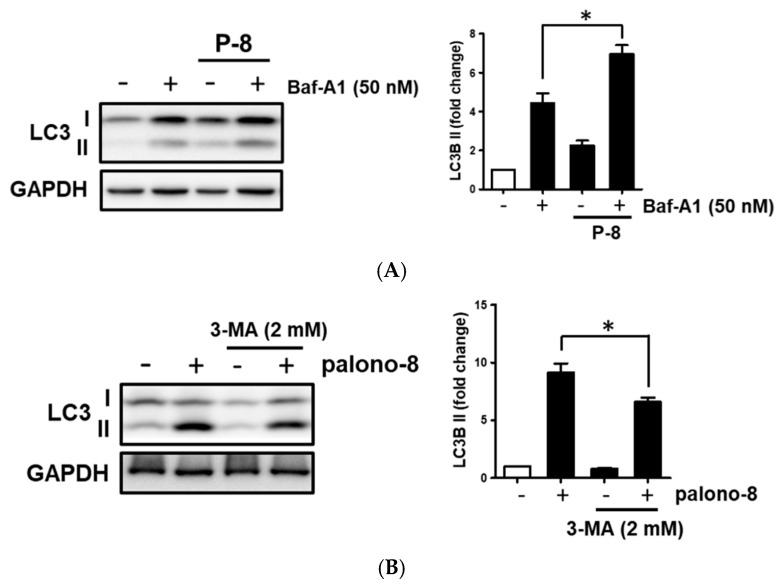 Figure 6
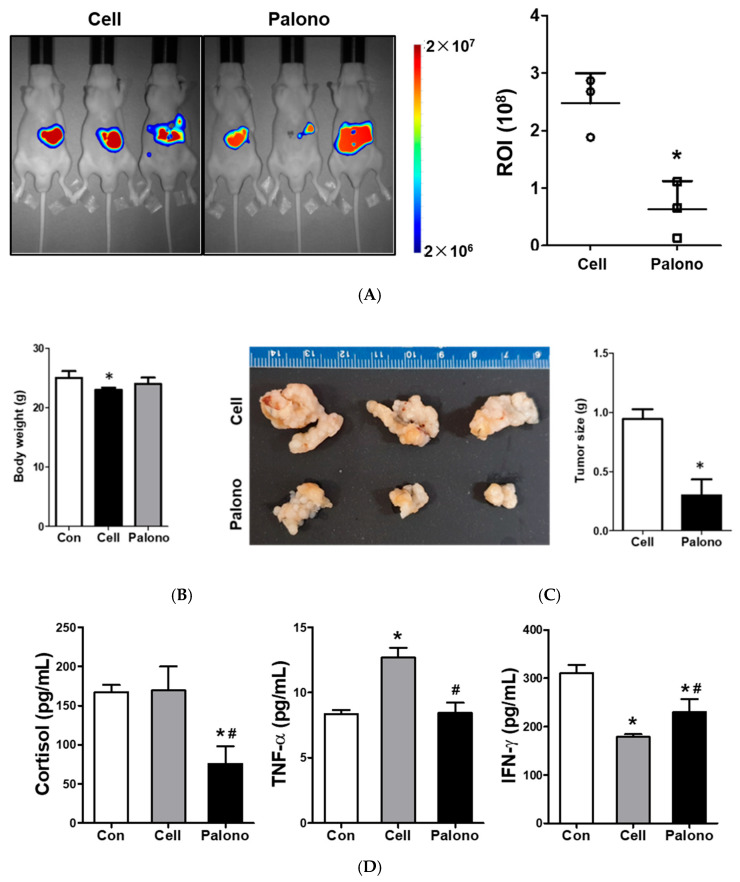 Figure 7
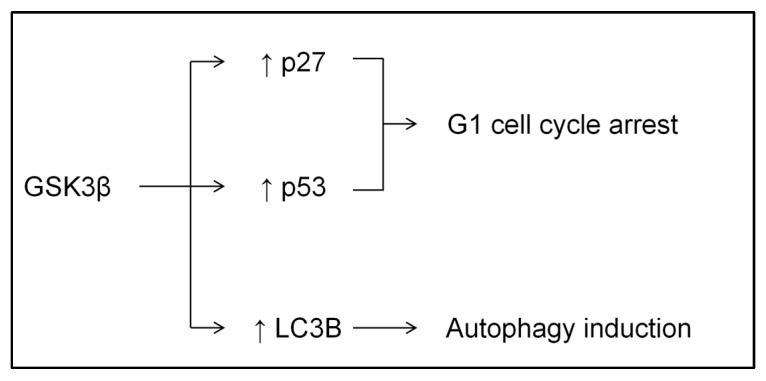 Figure 8
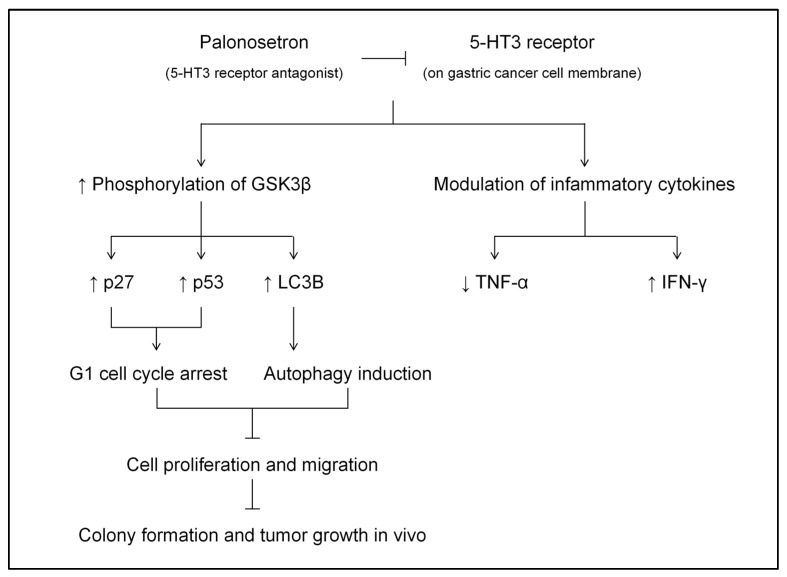 Figure 9
Peer Reviews
No public reviews on file for this paper yet. If you reviewed it on a platform where reviews are public (OpenReview, ICLR, NeurIPS, ICML), you can paste yours below so the community can read it here.
Videos
No videos yet. Explain this paper in a talk, walkthrough, or lecture? Add one.
Taxonomy
TopicsCancer, Stress, Anesthesia, and Immune Response · Echinoderm biology and ecology · Ion Transport and Channel Regulation