Peer review of the pesticide risk assessment of the active substance benzobicyclon
Fernando Álvarez, Maria Arena, Dionysia Athanasiou, Domenica Auteri, Sofia Batista Leite, Marco Binaglia, Anna Federica Castoldi, Arianna Chiusolo, Angelo Colagiorgi, Mathilde Colas, Federica Crivellente, Chloe De Lentdecker, Isabella De Magistris, Mark Egsmose, Gabriella Fait

TL;DR
This paper summarizes the peer review of the risk assessment for the pesticide benzobicyclon, focusing on its use as a herbicide on rice.
Contribution
The paper provides a peer-reviewed evaluation of benzobicyclon's risk assessment under EU regulations.
Findings
The peer review evaluated the representative use of benzobicyclon as a herbicide on rice.
Missing information required by the regulatory framework was identified.
Concerns were raised regarding the risk assessment of benzobicyclon.
Abstract
The conclusions of the EFSA following the peer review of the initial risk assessments carried out by the competent authority of the rapporteur Member State, Malta, for the pesticide active substance benzobicyclon are reported. The context of the peer review was that required by Regulation (EC) No 1107/2009 of the European Parliament and of the Council. The conclusions were reached on the basis of the evaluation of the representative use of benzobicyclon as a herbicide on rice. The reliable endpoints, appropriate for use in regulatory risk assessment, are presented. Missing information identified as being required by the regulatory framework is listed. Concerns are identified.
Genes, proteins, chemicals, diseases, species, mutations and cell lines named across the full text — each resolved to its canonical identifier and authoritative record.
Click any figure to enlarge with its caption.
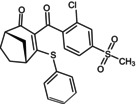 Figure 1
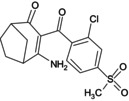 Figure 2
 Figure 3
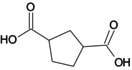 Figure 4
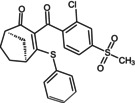 Figure 5
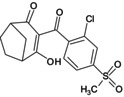 Figure 6
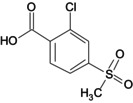 Figure 7
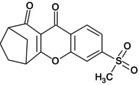 Figure 8
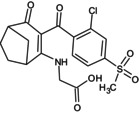 Figure 9
| Compound (name and/or code) | Genotoxicity hazard identified | General toxicity triggered reference values | Considered in other compartments |
|---|---|---|---|
| 1315P‐070 | No | Yes | Yes, groundwater |
| Unlikely to be genotoxic based on experimental data. |
| Non‐dietary exposure | |
| Based on a 90‐day rat study (NOAEL 0.3 mg/kg bw per day), UF 200 (standard UF100 and extra UF of 2 due to lack of chronic studies) | |||
|
| |||
| Based on a developmental toxicity study in rabbits (NOAEL 150 mg/kg bw per day), UF 100 (standard). | |||
|
| |||
| Based on a 90‐day rat study (NOAEL 0.3 mg/kg bw per day), UF100 (standard), no correction for oral absorption. | |||
|
| |||
| 1315P‐966 (CMBA) | Open | Yes | Yes, Groundwater |
| Although available experimental data do not raise concern for genotoxicity, additional experimental data on the common metabolite 1315P‐966 are available in sulcotrione renewal dossier (currently under peer review |
No conclusion Data gap | ||
| 1315P‐570 | No | Yes | Yes, Groundwater |
| Available experimental data do not raise concern for genotoxicity |
No conclusion Data gap | ||
| Thiophenol | Open | Yes | Yes, Groundwater |
| No toxicological data/assessment available (data gap) | No toxicological data/assessment available Data gap |
| Compound (name and/or code) | Ecotoxicology |
|---|---|
| Benzobicyclon | Low risk |
| 1315P‐070 | Low risk |
| 1315P‐570 | Low risk |
| 1315P‐960 | Low risk |
| 1315P‐966 | Low risk |
| Thiophenol | Low risk |
| Compound (name and/or code) | > 0.1 μg/L at 1 m depth for the representative uses | Biological (pesticidal) activity/relevance Step 3a. | Hazard identified Steps 3b. and 3c. | Consumer RA triggered Steps 4 and 5 | Human health relevance |
|---|---|---|---|---|---|
|
| No | Yes | – | – | Yes |
| 0.157 μg/L | Yes | No | No, as already relevant at Step 3a | Yes, as relevant at Step 3a | |
|
| 1 out of 2 | Unlikely to be genotoxic | |||
| MED‐Rice | Low acute oral toxicity (rat) | ||||
| Scenarios | ADI 0.0015 mg/kg bw per day | ||||
|
| 1.125 μg/L | No | Open | No whilst Step 3b remains open | Yes |
| 1 out of 2 | Available experimental data do not raise concern for genotoxicity; however, as a groundwater metabolite a data gap for in vitro mammalian gene mutation assay is set. | ||||
|
MED‐Rice Scenarios | Data gap for general toxicity | ||||
|
| No | No | Not triggered | No | Not triggered |
| 1315P‐966 | No | No | Open genotoxicity assessment | No | Not triggered |
|
| 0.986 μg/L | Data gap | Open | No whilst Step 3b remains open | Data gap |
| 2 out of 2 | No toxicological data/assessment available | ||||
| MED‐Rice | |||||
| Scenarios |
| Compound (name and/or code) | Ecotoxicology |
|---|---|
| Benzobicyclon | Low risk to fish, aquatic invertebrates and algae |
| Risk assessment not finalised for macrophytes (data gap) | |
| 1315P‐070 | High risk |
| 1315P‐570 | High risk |
| 1315P‐683 | Low risk |
| 1315P‐960 | High risk |
| 1315P‐962 | Low risk |
| 1315P‐966 | Low risk |
| Thiophenol | Risk assessment not finalised (data gap) |
| Compound (name and/or code) | Toxicology |
|---|---|
|
| Rat LC50 > 2.72 mg/L air (4 h; whole‐body) |
|
| Open |
| Representative use | Rice | |
|---|---|---|
| 1 × 300 g/ha | ||
|
| Risk not identified | |
| Assessment not finalised | ||
|
| Risk identified | X9 |
| Assessment not finalised | ||
|
| Risk identified | X9 |
| Assessment not finalised | ||
|
| Risk identified | |
| Assessment not finalised | X2 | |
|
| Risk identified | X10 |
| Assessment not finalised | X6 | |
|
| Risk identified | |
| Assessment not finalised | X7 | |
|
| Risk identified | X11 |
| Assessment not finalised | X5 | |
|
| Legal parametric value breached | |
| Assessment not finalised | ||
|
| Legal parametric value breached | 1 of 2 MED‐Rice scenarios |
| Parametric value of 10 μg/L | ||
| Assessment not finalised | X1,3 | |
Peer Reviews
No public reviews on file for this paper yet. If you reviewed it on a platform where reviews are public (OpenReview, ICLR, NeurIPS, ICML), you can paste yours below so the community can read it here.
Videos
No videos yet. Explain this paper in a talk, walkthrough, or lecture? Add one.
Taxonomy
TopicsAgricultural safety and regulations · Pesticide Residue Analysis and Safety · Pesticide and Herbicide Environmental Studies
SUMMARY
Benzobicyclon is a new active substance for which, in accordance with Article 7 of Regulation (EC) No 1107/2009 of the European Parliament and of the Council, the rapporteur Member State (RMS), Malta, received an application from Gowan Crop Protection Limited on 13 August 2019 for approval. Complying with Article 9 of the Regulation, the completeness of the dossier was checked by the RMS and the date of admissibility of the application was recognised as being 10 April 2020.
An initial evaluation of the dossier on benzobicyclon was provided by the RMS in the draft assessment report (DAR), and subsequently, a peer review of the pesticide risk assessment on the RMS evaluation was conducted by EFSA in accordance with Article 12 of Regulation (EC) No 1107/2009. The following conclusions are derived.
The representative use of benzobicyclon as a herbicide on paddy rice fields via spray application, as proposed at EU level, results in a sufficient herbicidal efficacy against the target weeds.
The assessment of the data package revealed no issues that could not be finalised or that needed to be included as critical areas of concern with respect to identity, physical–chemical and technical properties of the active substance and the formulation for representative uses and analytical methods.
In the area of mammalian toxicology and non‐dietary exposure, a critical area of concern was identified for non‐dietary exposure estimates for the metabolite 1315P‐070 as exceeding the acceptable operator exposure level (AOEL) for workers and residents even when applying all possible risk mitigation measures. The toxicological assessment could not be finalised for some metabolites (residues and groundwater) since insufficient information was provided.
In the residue section, the consumer dietary risk assessment could not be finalised in view of the data gaps identified for investigation of the thiophenyl moiety in plant metabolism studies and pending the toxicological assessment of groundwater metabolites, leading to consumer risk assessment via dietary intake and drinking water not being finalised.
In the area of environmental fate and behaviour, additional data/information are needed to fully characterise the route of degradation of benzobicyclon in soil under flooded aerobic conditions, resulting in an assessment not finalised. For surface water, a data gap has been identified for further information to exclude the potential formation of thiophenol metabolite at levels triggering risk assessment under aqueous photolytic conditions. As a consequence, an aquatic exposure assessment for thiophenol metabolite could not be finalised. Due to its herbicide activity, the degradation product 1315P‐070 is considered a relevant groundwater metabolite with exposure exceeding the parametric drinking water limit of 0.1 μg/L in one out of the two MED‐Rice scenarios.
In the field of ecotoxicology, two critical areas of concern were identified: a high long‐term risk to mammals and a high risk to aquatic organisms were concluded for metabolite 1315P‐070 for the representative use in rice. Several issues could not be finalised, including the risk assessment for aquatic plants and non‐target terrestrial plants for benzobicyclon, the long‐term risk assessment to birds for metabolite 1315P‐070 and the aquatic risk assessment for the metabolite thiophenol. A low risk for benzobicyclon was concluded for bees, non‐target arthropods other than bees, soil organisms and organisms involved in biological sewage treatment, for the representative use on rice.
Based on the available information, benzobicyclon is not an endocrine disruptor in humans according to point 3.6.5 of Annex II to Regulation (EC) No 1107/2009. However, for non‐target organisms other than mammals, the assessment of the endocrine disruption potential of benzobicyclon according to point 3.8.2 of Annex II to Regulation (EC) No 1107/2009, as amended by Commission Regulation (EU) 2018/605, could not be finalised.
BACKGROUND
Regulation (EC) No 1107/2009 of the European Parliament and of the Council1 (hereinafter referred to as ‘the Regulation’) lays down, inter alia, the detailed rules as regards the procedure and conditions for approval of active substances. This regulates for the European Food Safety Authority (EFSA) the procedure for organising the consultation of Member States and the applicant(s) for comments on the initial evaluation in the draft assessment report (DAR), provided by the rapporteur Member State (RMS), and the organisation of an expert consultation, where appropriate.
In accordance with Article 12 of the Regulation, EFSA is required to adopt a conclusion on whether an active substance can be expected to meet the approval criteria provided for in Article 4 of the Regulation (also taking into consideration recital (10) of the Regulation) within 120 days from the end of the period provided for the submission of written comments, subject to an extension of 30 days where an expert consultation is necessary, and a further extension of up to 150 days where additional information is required to be submitted by the applicant(s) in accordance with Article 12(3).
Benzobicyclon is a new active substance for which, in accordance with Article 7 of the Regulation, the RMS, Malta (hereinafter referred to as the ‘RMS’), received an application from Gowan Crop Protection Limited on 13 August 2019 for approval of the active substance. Complying with Article 9 of the Regulation, the completeness of the dossier was checked by the RMS, and the date of admissibility of the application was recognised as being 10 April 2020.
The RMS provided its initial evaluation of the dossier on benzobicyclon in the DAR, which was received by EFSA on 12 October 2022 (Malta, 2023). The peer review was initiated on 8 May 2023 by dispatching the DAR to the Member States and the applicant, Gowan Crop Protection Limited, for consultation and comments. EFSA also provided comments. In addition, EFSA conducted a public consultation on the DAR. The comments received were collated by EFSA and forwarded to the RMS for compilation and evaluation in the format of a reporting table. The applicant was invited to respond to the comments in column 3 of the reporting table. The comments and the applicant's response were evaluated by the RMS in column 3.
The need for expert consultation and the necessity for additional information to be submitted by the applicant in accordance with Article 12(3) of the Regulation were considered in a teleconference between EFSA and the RMS on 30 October 2023. On the basis of the comments received, the applicant's response to the comments and the RMS's evaluation thereof, it was concluded that additional information should be requested from the applicant, and that EFSA should conduct an expert consultation in the areas of mammalian toxicology, residues, environmental fate and behaviour and ecotoxicology.
The outcome of the teleconference, together with EFSA's further consideration of the comments, is reflected in the conclusions set out in column 4 of the reporting table. All points that were identified as unresolved at the end of the comment evaluation phase and which required further consideration, including those issues to be considered in an expert consultation, were compiled by EFSA in the format of an evaluation table.
The conclusions arising from the consideration by EFSA, and as appropriate by the RMS, of the points identified in the evaluation table, together with the outcome of the expert consultation and the written consultation on the assessment of additional information, where these took place, were reported in the final column of the evaluation table.
In accordance with Article 12 of the Regulation, EFSA should adopt a conclusion on whether benzobicyclon can be expected to meet the approval criteria provided for in Article 4 of the Regulation, taking into consideration recital (10) of the Regulation.
A final consultation on the conclusions arising from the peer review of the risk assessment took place with Member States via a written procedure in July 2025.
This conclusion report summarises the outcome of the peer review of the risk assessment on the active substance and the formulation for representative uses evaluated on the basis of the representative use of benzobicyclon as a herbicide on rice, as proposed by the applicant. In accordance with Article 12(2) of Regulation (EC) No 1107/2009, risk mitigation options identified in the DAR and considered during the peer review, if any, are presented in the conclusion.
A list of the relevant end points for the active substance and the formulation is provided in Appendix B. In addition, the considerations as regards the cut‐off criteria for benzobicyclon according to Annex II of Regulation (EC) No 1107/2009 are summarised in Appendix A.
A key supporting document to this conclusion is the peer review report (EFSA, 2025), which is a compilation of the documentation developed to evaluate and address all issues raised in the peer review, from the initial commenting phase to the conclusion. The peer review report comprises the following documents, in which all views expressed during the course of the peer review, including minority views, where applicable, can be found:
- the comments received on the DAR;
- the reporting table (30 October 2023);
- the evaluation table (5 September 2025);
- the reports of the scientific consultation with Member State experts (where relevant);
- the comments received on the assessment of the additional information (where relevant);
- the comments received on the draft EFSA conclusion.
Given the importance of the DAR, including its revisions (Malta, 2025), and the peer review report, both documents are considered background documents to this conclusion and thus are made publicly available.
It is recommended that this conclusion and its background documents would not be accepted to support any registration outside the EU for which the applicant has not demonstrated that it has regulatory access to the information on which this conclusion report is based.
THE ACTIVE SUBSTANCE AND THE FORMULATION FOR REPRESENTATIVE USES
Benzobicyclon is the ISO common name for (1RS,5SR)‐3‐[2‐chloro‐4‐(methylsulfonyl)benzoyl]‐4‐(phenylthio)bicyclo[3.2.1]oct‐3‐en‐2‐one (IUPAC name); it is noted that this ISO common name corresponds to a racemic mixture of the (1R,5S)‐ and (1S,5R)‐isomers. The formulation for representative uses for the evaluation was ‘GWN‐10235’, a suspension concentrate formulation that contains 400 g/kg of pure benzobicyclon.
The information on the active substance and the formulation for representative uses, including the co‐formulants in this formulation, was considered in the overall assessment during the peer review. One of the components of a co‐formulant is an unacceptable co‐formulant listed in Annex III of Regulation (EC) No 1107/2009; however, it is below the level set in Regulation (EU) 2021/3832 paragraph (14) for acceptable unintentional impurity.3 One of the components of a co‐formulant is a currently approved active substance under Regulation (EC) 1107/2009.^3^ One of the components of a co‐formulant is a currently non‐approved active substance under Regulation (EC) 1107/2009.^3^ Details on the composition of the formulations cannot be reported in conclusions because of the provisions in Article 63(2)(d) of Regulation (EC) No 1107/2009; however, this information was fully available and evaluated during the peer review. A proposal for classification of the formulation(s) according to Regulation (EC) 1272/2008 was provided by the applicant and assessed by the RMS (please see Volumes 3 CP of the RAR).
The representative EU use evaluated was spray application as a herbicide against monocotyledonous (grass and non‐grass) weeds in paddy rice fields. Full details of the good agricultural practices (GAPs) can be found in the list of end points in Appendix B. Data were submitted to conclude that the representative uses of benzobicyclon proposed at EU level result in a sufficient herbicidal effect following the guidance document SANCO/10054/2013‐rev. 3 (European Commission, 2013).
CONCLUSIONS OF THE EVALUATION
General aspects
With regard to mammalian toxicity, the toxicological profile of the formulation for representative uses was discussed at the Pesticides Peer Review Teleconference 157 and 158 in January 2025 (see Section 2).4 Acute toxicity studies were available with the formulation for representative uses ‘GWN 10235’. With regard to the co‐formulants contained in ‘GWN 10235’, sufficient toxicological data were available for all components, but six (three present < 0.1% and three present in limited amounts in the final formulation). For all these six components, the experts considered that the available toxicological information does not sufficiently address the genotoxicity, and for three of these, the repeated dose toxicity over the short and/or long term. Thus, these six components might be considered for further assessment (data gap, Section 10). The collected information (not covering all endpoints), including information from the existing uses other than plant protection products, under regulated EU frameworks, did not highlight any concern (see Section 10).5
The availability of ecotoxicity data with the formulation for representative uses was discussed at the Pesticides Peer Review Teleconference 157 and 161 in February 2025 (refer to Section 5).6 It was noted that, based on the available data (see Section 5), the formulation for representative uses is not more acutely toxic than predicted from the active substance. Furthermore, the experts also discussed the data retrieval search and the available data for the individual components, and no concerns were identified.
IDENTITY, PHYSICAL/CHEMICAL/TECHNICAL PROPERTIES AND METHODS OF ANALYSIS
1
The following guidance documents were followed in the production of this conclusion: European Commission (2000a, 2000b, 2010, 2013).
RMS proposed a minimum purity of 980 g/kg based on industrial scale batch data. However, EFSA considers that a higher minimum purity of 985 g/kg could be set; in addition, an impurity present at levels above 1 g/kg should also be specified.7 For this impurity, sufficient identification data were not provided; consequently, its toxicological assessment cannot be performed (data gap, see Section 10). The batches used in the (eco)toxicological assessment support the reference specification proposed by the RMS (see Sections 2 and 5). There is no FAO specification available for benzobicyclon. The applicant spontaneously provided additional data on the analysis of the technical active substance; however, these data could not be considered in the peer review due to their late submission (outside of the applicable regulatory framework, as laid down in Regulation (EC) No 1107/2009). These data could potentially impact the current conclusions on the proposed reference specification and on the relevance of impurities.^7,^ 8
The main data regarding the identity of benzobicyclon and its physical and chemical properties is given in Appendix B.
In general, adequate methods are available for the generation of data required for the risk assessment. Validated methods of analysis are available for the determination of the active substance and impurities in the technical material, and for the determination of the active substance in the formulation for representative uses. An appropriate high‐performance liquid chromatography (HPLC)–MS/MS method is available for monitoring benzobicyclon and metabolite 1315P‐070 in food and feed of plant origin with a limit of quantification (LOQ) of 0.01 mg/kg for each analyte and in each commodity group. However, the extraction efficiency of the method was not demonstrated (data gap, see Section 10). An independent laboratory validation (ILV) was provided for dry, high‐water and high‐acid content matrices but not for high‐oil content matrices; nonetheless, as the proposed representative use is not for application to oily crops, a data gap was not set. A residue definition was not set for monitoring in food and feed of animal origin; therefore, a monitoring method is not required. Residues of benzobicyclon and 1315P‐070 in soil can be monitored with an HPLC‐MS/MS method with an LOQ of 0.005 mg/kg for each analyte. A data gap was set for a validated method to monitor benzobicyclon and 1315P‐070 in water and drinking water, and an ILV for drinking water (see Section 10). Residues of benzobicyclon in air can be monitored with an HPLC‐MS/MS method with an LOQ of 0.5 μg/m^3^. Residues of benzobicyclon and 1315P‐070 in body fluids and tissues can be measured with a QuEChERS HPLC‐MS/MS method with an LOQ of 0.05 mg/L for blood and urine and 0.1 mg/kg for meat and liver for each analyte.
MAMMALIAN TOXICITY
2
The toxicological profile of the active substance benzobicyclon and its metabolites was discussed at the Pesticides Peer Review Teleconference 157 and 158 on 28–30 January 2025. The assessment is based on the following guidance documents: European Commission (2003a, 2003b, 2013), EFSA (2017); EFSA (2019, 2022) and ECHA (2017).
The applicant spontaneously submitted additional information in January 2025 outside the timelines foreseen for the applicable regulatory framework (Regulation (EC) No 1107/2009). Consequently, this additional information (including a study on α2μ‐globulin binding in rat kidney and information on some impurities) was not eligible for consideration during the peer review. However, a preliminary screening indicated that this information does not impact the current conclusions on mammalian toxicity.
Regarding the proposed reference specification, the identified impurities are not toxicologically relevant (see Section 1 for information on impurities identification). The test material used in the toxicity studies is representative of the proposed reference specification for the active substance and associated impurities (see Section 1).
Benzobicyclon is a racemate. The racemic mixture has been tested in toxicity studies. No information is provided on the potential changes in stereoisomer composition following oral and intravenous exposure or toxicity of individual enantiomers.
Benzobicyclon is a 4‐hydroxyphenylpyruvate dioxygenase (HPPD) inhibitor, with HPPD‐inhibiting properties related to its metabolite 1315P‐070 derived from hydrolysis of the thiophenyl group.
The oral absorption of benzobicyclon is estimated to account for 11% of the administered low dose and 4%–5% at the high dose. Non‐linear kinetics were observed testing low and high doses. Excretion is rapid (within 48 h) and occurs predominantly through the faecal route, with limited amounts excreted in the bile and urine. In the rat, benzobicyclon is widely distributed throughout the body, with the highest levels being reached in the liver and kidneys.9 The main metabolic pathways in the rat include hydrolysis of either the keto linkage or the thiophenyl group (this generating the pesticidal active metabolite 1315P‐070) or replacement of the thiophenyl moiety, followed by hydroxylation. No glucuronic acid or sulfate conjugated metabolites were identified. No major metabolites were identified in the rat ADME study.
Based on a comparative in vitro metabolism study in human and rat hepatocytes, no unique human metabolites and/or disproportionate human metabolites were identified.10
The residue definition for body fluids and tissues includes benzobicyclon and 1315P‐070.
Benzobicyclon has low acute toxicity by oral, dermal and inhalation exposure, and it has no irritating or sensitising properties. It is neither a skin or eye irritant, nor a skin sensitiser. Based on its UV‐vis absorption spectra, phototoxicity but not photomutagenicity testing is required for benzobicyclon. Benzobicylon is not a Ultraviolet B (UVB) absorber and tested negative in an in vitro phototoxicity assay (according to OECD TG 432).
Short‐term oral toxicity studies were provided for rats, mice and dogs. In male rats, adverse effects were observed in the kidneys, consisting of alpha‐2 urinary globulin nephropathy; this justified the dose level selection. This condition is not relevant for humans.11 In mice, adverse liver changes were observed in a 90‐day study at 1686 mg/kg body weight (bw) per day (statistically significant increased centrilobular hepatocyte hypertrophy in female mice), resulting in a no observed adverse effect level (NOAEL) of 684 mg/kg bw per day (females). No adverse effects were seen in dogs up to the highest dose tested of 2000 mg/kg bw per day.12 The relevant oral NOAEL is 22.74 mg/kg bw per day, the highest dose tested in male rats in a 90‐day study.
Based on the available genotoxicity studies, the substance is unlikely to be genotoxic.13 This is in line with the ECHA Risk Assessment Committee (ECHA, 2024).
After long‐term exposure, target organs for toxicity included kidneys in rats (males only, consistent with α 2‐urinary (u) globulin nephropathy and justifying the dose level selection)14 and liver in mice (increased weight and histopathology).15 Kidney toxicity in the rat is considered not relevant for humans.16 The relevant NOAEL is 3.43 mg/kg bw per day (104‐week rat study), the highest dose administered to male rats. As regards carcinogenicity, the substance was concluded unlikely to be carcinogenic for humans.^14, 15, 16^ This is in line with the ECHA Committee for Risk Assessment (RAC) (ECHA, 2024).
With regard to reproductive toxicity studies, fertility and overall reproductive performance were not affected. In the multigeneration rat study, the parental NOAEL is 1176 mg/kg bw per day (the highest dose tested, males) based on the lack of adverse findings relevant for humans. The offspring NOAEL is 1250 mg/kg bw per day (the highest dose tested, males) based on the lack of treatment‐related effects in both sexes. Finally, the reproductive NOAEL is 1515 mg/kg bw per day (the highest dose tested, both sexes) based on the lack of reproductive treatment‐related effects.17 With regard to fetal development, no teratogenic or adverse effect was observed in rats and rabbits. In both the rat and rabbit teratogenicity study, the maternal and developmental NOAEL is 1000 mg/kg bw per day (the highest dose tested). The substance was concluded unlikely to be a reproductive toxicant in humans. This is in line with the ECHA RAC (ECHA, 2024).
With respect to neurotoxicity and immunotoxicity, benzobicyclon did not show any potential for neurotoxic or immunotoxic effects in the standard regulatory toxicity studies nor in acute and subchronic neurotoxicity studies in rats and in the 28‐day immunotoxicity study in rats. The substance was concluded unlikely to be neurotoxic or immunotoxic in humans.
Toxicological reference values have been derived for benzobicyclon18 and for its metabolite 1315P‐070 (acting as HPPD inhibitor).
For benzobicyclon, the acceptable daily intake (ADI) is 0.034 mg/kg bw per day, based on the (human‐relevant) NOAEL of 3.43 mg/kg bw per day from a 104‐week chronic toxicity/carcinogenicity study in rats, applying the standard uncertainty factor (UF) of 100. The acute reference dose (ARfD) is not required since no acute toxic effects were observed in the available data set. The acceptable operator exposure level (AOEL) is 0.6 mg/kg bw per day based on the (human‐relevant) parental NOAEL of 1176 mg/kg bw per day from the two‐generation reproductive toxicity study in rats, applying the standard UF of 100 and a correction for an oral absorption of 5%. The acute AOEL (AAOEL) is not required since no acute toxic effects were observed in the available data set.
For 1315P‐070, the ADI is 0.0015 mg/kg bw per day, based on the NOAEL of 0.3 mg/kg bw per day (the highest dose tested) from a 90‐day study in rats, applying the standard UF of 100 and an extra UF of 2 due to the lack of chronic studies.^18^ The ARfD is 1.5 mg/kg bw based on the NOAEL of 150 mg/kg bw per day from a developmental toxicity study in rabbits, applying the standard UF of 100. The AOEL is 0.003 mg/kg bw per day based on the NOAEL of 0.3 mg/kg bw per day from a 90‐day study in rats, applying the standard UF of 100; no correction for oral absorption is applied. The acute AOEL (AAOEL) is 1.5 mg/kg bw based on the NOAEL of 150 mg/kg bw per day from a developmental toxicity study in rabbits, applying the standard UF of 100; no correction for oral absorption is applied. See also Table 1.
In consideration of degradation values of benzobicyclon from hydrolysis and flooded paddy field studies, dermal absorption and non‐dietary exposure assessments have been carried out on benzobicyclon and/or its metabolite 1315P‐070.
Dermal absorption of benzobicyclon in the representative formulation ‘GWN‐10235’ has been assessed in an in vitro study with human skin. Based on the EFSA guidance (EFSA, 2017), the dermal absorption values to be used for risk assessment are 0.66% for the concentrate and 16% for the spray dilution. In the absence of experimental data with the metabolite 1315P‐070, the default dermal absorption values to be used for risk assessment are 10% for the concentrate and 50% for the dilution.
Non‐dietary exposure estimates were conducted for operators and bystanders on benzobicyclon and its metabolite 131P5‐070 (in the respective proportions of 70% and 30% based on the degradation value from the hydrolysis study, see Section 4) while for workers and residents on the metabolite only (considering results from hydrolysis and flooded paddy field studies, see Section 4).19
For the representative use on rice, based on the EFSA calculator (EFSA, 2022), the non‐dietary exposure estimates for the operators (wearing standard workwear) are below the (A)AOEL for both benzobicyclon and the metabolite 1315P‐070 (including drift reduction for the metabolite 1315P‐070). EFSA notes that the combined operator exposure to both parent and metabolite, even though not included in the calculations, is not affecting the outcome of the exposure estimates for operators. For the workers, considering re‐entry exposure from entry into flooded paddy fields combined with exposure to dry residues on the plants, the predicted exposure estimate to the metabolite 1315P‐070 is above the AOEL, even with the use of gloves (identifying a safe re‐entry period of 80 days). The estimated exposure to the metabolite 1315P‐070 for residents is above the AOEL even when applying all possible risk mitigation measures (buffer zone of 10 m and drift reduction of 50%) (critical area of concern, see Section 9.2). As a consequence, it is noted that the missing exposure to benzobicyclon from the spray drift pathway has no further impact on the resident's exposure. For bystanders, the estimated exposure to the metabolite 1315P‐070 is below the AAOEL. The bystander exposure assessment for thiophenol metabolites is open (see data gap, Section 10).
As regards residues, the metabolites 1315P‐070, 1315P‐966, 1315P‐570 are found as residues in plants (see Table 1 below and Section 3).
As regards groundwater metabolites, 1315P‐070 and 1315P‐570 are above 0.1 g/L (see Table 3 in Section 7).
Available experimental data do not raise concern for genotoxicity on residue metabolites 1315P‐070, 1315P‐966 and 1315P‐570. However, the genotoxicity assessment remains open for 1315P‐570 as groundwater metabolite (> 0.1 μg/L), as per applicable guidance (European Commission, 2003a, 2003b), due to the lack of an in vitro mammalian gene mutation assay (data gap leading to an issue not finalised, Section 9.1). The genotoxic potential could not be concluded for thiophenol, since very limited information was provided (data gap, see Section 9.1).
As regards general toxicity, toxicological reference values were derived for 1315P‐070 (see Table 1 below). For the other metabolites and transformation products (1315P‐966 and 1315P‐570), toxicological information available did not allow assessment of their general toxicity (data gap, see Section 9.1).20
Regarding water treatment transformation products, based on available information, no genotoxicity concern is identified; however, a more robust assessment should be provided, including structural difference of the transformation products compared to their precursors (data gap, see Section 10).
Thiophenol moiety was not investigated in residue and environmental fate studies (see Sections 3 and 4); therefore, toxicological information might be needed for metabolites containing this moiety.
RESIDUES
3
The assessment in the residue section is based on the OECD guidance document on the overview of the residue chemistry studies (OECD, 2009), the OECD publication on the maximum residue level (MRL) calculations (OECD, 2011) and the European Commission guideline document on the MRL setting (European Commission, 2011).
Benzobicyclon was discussed at the Pesticide Peer Review Experts' Meeting 162 on 11–12 February 2025.
Metabolism in primary crops was investigated on rice with Benzobicyclon labelled in [bic‐14C]‐ and [ben‐14C] positions applied as granular (approx 1.4N) and suspension concentrate (1N) on water‐flooded field. The two metabolism studies show qualitatively comparable metabolic pathways. In both studies, the predominant metabolic route involves the removal of the thiophenyl ring to form the dione metabolite, 1315P‐070, and the enamine metabolite, 1315P‐570. Metabolite 1315P‐966 was also formed free and conjugated (23.1% of total radioactive residue (TRR) in straw) by removal of the bicyclooctane ring. Despite 1315P‐570 being found at significant proportions in metabolism studies (19% of TRRs in straw, 40% of TRRs in hulls, 11% in grains), it was never recovered in field trials. Metabolite 1315P‐070 was found at a lower level in metabolism studies for up to 12% TRR in straw, but it was found in the field trials (0.02 mg/kg in straw). The parent compound benzobicyclon was found only in the metabolism study with SC formulation at a limited level but present in field trials in straw at a significant level (0.16 mg/kg). Based on the overall information in metabolism studies and field trials, the residue definition for enforcement is proposed as benzobicyclon and 1315P‐070, expressed as benzobicyclon. For the risk assessment residue definition, it is benzobicyclon and 1315P‐070 expressed separately as they have different toxicological values. This proposal is provisional pending the investigation of the thiophenol moiety (data gap, see Sections 2 and 9.1).
A confined rotational crop metabolism study was conducted with bicyclo‐ and chlorophenyl‐benzobicyclon labels in root crops (radish), leafy crops (lettuce) and cereals (wheat), covering all plant back intervals (PBIs). The metabolic pattern was similar to primary crops but quantitatively different, with 1315P‐966 being most abundant (up to 68% of TRRs in grain and 60% of TRRs in root). Although metabolites 1315P‐070, 1315P‐570 and 1315P‐966 are persistent in dry soil (see Section 4), their DT90 values in flooded soil were below 100 days. Consequently, the application rate used in the study is considered sufficient on flooded soil.
The two submitted rotational field trials were conducted at 1N rate in SEU with lettuce, radish and wheat cultivated in the soil with benzobicyclon applied on flooded bare soil and aged for 5 days. All relevant metabolites were analysed, and 1315P‐966 was found relevant at the first PBI in wheat straw and grain at 0.026 and 0.04 mg/kg respectively. Based on these results, the enforcement residue definition for rotational crops was proposed as for primary crops, while the risk assessment residue definition is proposed as benzobicyclon, 1315P‐070 and 1315P‐966 expressed separately due to a data gap in the toxicological assessment of 1315P‐966 (see Section 2) and investigation of thiophenyl moiety (data gap, see Section 9.1).
Sufficient GAP‐compliant field trials analysing benzobicyclon and its metabolites in rice grain and straw were conducted in Southern Europe. For all trials, residues in grain for each analyte were below 0.01 mg/kg, with analyses performed using validated analytical methods and supported by appropriate storage stability studies (see Appendix B).
The investigation of the nature of residues under standard hydrolysis conditions was not triggered for the representative use of GAP in flooded rice.
Livestock metabolism studies were not required for the representative use in primary crops since the calculated dietary burden (DB) was below the trigger value of 0.004 mg/kg. Although from the available rotational trials the first PBI of 30 days showed that the DB for metabolite 1315P‐966 is exceeded, this scenario is unlikely to occur under the representative GAP, where application is until BBCH 21. Nevertheless, this assessment should be re‐evaluated in case alternative GAPs are submitted in the future.
Fish metabolism studies were not triggered by the representative use as the DB was below 0.1 mg/kg.
Rice plants are attractive to bees. Since, in the representative GAP, the application is before flowering, the magnitude of residues in bees' products intended for human consumption needs to be investigated in line with the risk assessment residue definition (data gap, see Section 10).
As regards the consumer dietary exposure, a provisional assessment was conducted using the derived toxicological reference values for benzobicyclon and 1315P‐070 (see Section 2). By using the residue levels in rice grain as inputs for PRIMo rev. 3.1, the exposure for benzobicyclon resulted in a chronic exposure (TMDI) below 0.1% of the ADI (GEMS/Food G06 diet). For 1315P‐070, the chronic exposure (TMDI) was 1% of the ADI (GEMS/Food G06 diet), and the acute exposure (IESTI) was calculated at 0.01% of the ARfD (NL diet). Since both benzobicyclon and 1315P‐070 contain a chiral centre and the possible change of the ratio of stereoisomers was not investigated in metabolism studies, an uncertainty factor of 2 is applied to the exposure calculations.
As regards the consumer exposure via groundwater, this is triggered for two metabolites: 1315P‐570 and thiophenol.
The overall consumer risk assessment via dietary intake is not finalised as the risk assessment residue definition in plants is provisional since thiophenol moiety was not investigated in the primary and rotational crops. Additionally, pending the complete toxicological assessment for 1315P‐570 and thiophenol, the consumer risk assessment via drinking water may need to be updated (see Sections 2 and 9.1).
ENVIRONMENTAL FATE AND BEHAVIOUR
4
Benzobicyclon was discussed at the Pesticide Peer Review Meeting Teleconference (TC) 160 on 27–30 January 2025.
The rate of dissipation and degradation in the environmental matrices investigated was estimated using FOCUS (2006) guidance. In soil laboratory incubations under aerobic flooded conditions in the dark, benzobicyclon exhibited low to moderate persistence, forming major metabolites (> 10% applied radioactivity (AR)) 1315P‐070 (max. 31.7% AR) exhibiting high to very high persistence, 1315P‐570 (max. 41.0% AR) exhibiting high to very high persistence and 1315P‐960 (max. 12.2% AR) exhibiting high to very high persistence. Mineralisation of the bicyclooctane ring‐^14^C and chlorophenyl ring‐^14^C radiolabels accounted, respectively, for 2.7%–4.8% AR after 120 days. The formation of unextractable residues (not extracted by sodium hydroxide or acetonitrile/water and/or methanol and/or methanol/water) for bicyclooctane ring‐^14^C and chlorophenyl ring‐^14^C radiolabels accounted for 11.2%–25.5% AR after 120 days. A data gap (see Section 9.1) was identified because the thiophenol ring was not radiolabelled, and the degradation of the thiophenol ring in subsequent metabolites could not be assessed, preventing final conclusions on the presence of further degradation products in the soil and aquatic environment. In anaerobic soil incubations, benzobicyclon degraded more quickly than under aerobic flooded conditions. The route and rate of aerobic soil degradation (non‐flooded conditions) of benzobicyclon in the dark were also evaluated. The findings from this study are instrumental in informing rotational crop assessments, particularly for persistent (i.e. flooded aerobic soil DT_90_ > 100 days) metabolites when transitioning from paddy rice cultivation to other crops.
The soil mobility of benzobicyclon ranged from slightly mobile to immobile. Metabolite 1315P‐070 exhibited very high to medium mobility. It was concluded that the adsorption of benzobicyclon and 1315P‐070 was not pH dependent. Reliable adsorption endpoints are missing for metabolites 1315P‐570 and thiophenol (data gap, see Section 9.1). Reliable adsorption parameters are also missing for the soil metabolites 1315P‐960 and 1315P‐966 and two aqueous photolysis metabolites 1315P‐683 and 1315P‐962 (data gap, see Section 10).
In two satisfactory paddy field dissipation studies conducted in Italy and Spain (with spray application on bare ground flooded test plots), sample analyses were carried out for the benzobicyclon and its metabolites: 1315P‐070, 1315P‐966, 1315P‐570 and 1315P‐960. Metabolite 1315P‐966 was observed at a maximum concentration of 9.3% (parent equivalent) in the whole system of the paddy field dissipation study. The paddy field DT_50_ study value for metabolites 1315P‐070, 1315P‐966, 1315P‐570 and 1315P‐960 was accepted as a reasonable estimate of degradation for use in higher tier groundwater exposure calculations.
In laboratory incubations in dark aerobic natural sediment water systems, benzobicyclon exhibited low to moderate persistence, forming the major metabolites 1315P‐070 (max. 53.1% in water and max. 18.6% in sediment) exhibiting very high persistence, 1315P‐570 (max. 31.6% AR in water and max. 22.8% AR in sediment) exhibiting very high persistence. The unextractable sediment fraction (not extracted by sodium hydroxide or acetonitrile/water and/or methanol and/or methanol/water) of bicyclooctane ring‐^14^C and chlorophenyl ring‐^14^C radiolabels accounted, respectively, for 8.0%–11.6% AR at study end (104 days). Mineralisation of these radiolabels accounted for 0.8%–1.5% AR at the end of the study. The rate of decline of benzobicyclon in a laboratory sterile aqueous photolysis experiment was high relative to that occurred in the dark aerobic sediment water incubations. Chromatographically resolved components accounting for > 10% AR were metabolite 1315P‐070 (max. 53.08% AR), 1315P‐962 (max. 30.25% AR) and 1315P‐966 (max. 29.12% AR). During the Pesticides Peer Review TC 160 (see Expert Consultation 4.3), it was agreed to insert the aqueous photolysis metabolite 1315P‐683 (max. 9.7% AR) in the residue definition for water as the mean of this metabolite in the bicyclooctane ring‐^14^C and chlorophenyl ring‐^14^C radiolabel experiments was approaching 10% AR.
The necessary surface water and sediment exposure assessments (predicted environmental concentrations (PEC) calculations) were carried out for benzobicyclon and its metabolites 1315P‐070, 1315P 570, 1315P 966, 1315P‐960, 1315P‐683, 1315P‐962 and thiophenol using the MED‐RICE guidance document (European Commission, 2003a, 2003b) to calculate Tier 1c PEC for the representative use;22 experts agreed to use a K Foc of 10 mL/g to calculate PEC in surface water and 500 mL/g to calculate PEC in sediment for metabolites 1315P 570, 1315P‐960, 315P‐966, 1315P‐683, 1315P‐962 and thiophenol (see Pesticides Peer Review TC 137).23
The necessary groundwater exposure assessments were appropriately carried out using MED‐RICE (European Commission, 2003a, 2003b) by calculating the concentration at 1‐m depth for the representative use for the active substance benzobicyclon and its soil metabolites 1315P‐070, 1315P 966, 1315P‐570, 1315P‐960 and thiophenol. These included higher tier groundwater estimations calculated using the field DT_50_ values obtained in the paddy study for metabolites 1315P‐070, 1315P‐966, 1315P‐570 and 1315P‐960. The potential for groundwater exposure from the representative use of benzobicyclon and its metabolites 1315P‐966, 1315P‐960 above the parametric drinking water limit of 0.1 μg/L was concluded to be low in geoclimatic situations that are represented by the two MED‐RICE scenarios. Concentrations moving below 1 m depth were predicted to be above the parametric drinking water limit of 0.1 μg/L in one out of two MED‐Rice scenarios for metabolite 1315P‐070 (relevant due to herbicide activity) and 1315P‐570, and in two out of two MED‐Rice scenarios for thiophenol. Considering the toxicology assessment of the available data, the assessment of relevance for metabolites 1315P‐070, 1315P‐570 and thiophenol could not be completed due to several data gaps, leading to an issue that could not be finalised (see Sections 2 and 9.1). However, 1315P‐070 is a relevant groundwater metabolite due to its herbicide activity.
The applicant provided appropriate information to address the effect of water treatment processes on the nature of the residues that might be present in surface water and groundwater when surface water or groundwater is abstracted for drinking water. The conclusion of this consideration was that an assessment was only triggered for transformation products formed from 1315P‐966, 1315P‐070, 1315P‐570 and 1315P‐960, and the structures of five water treatment transformation products from these were presented for toxicological consideration. The outcome of this consideration is indicated in Section 2.
The PEC in soil, surface water, sediment and groundwater covering the representative uses assessed can be found in Appendix B of this conclusion. A key to the wording used to describe the persistence and mobility of the compounds assessed can be found in Appendix C of this conclusion.
ECOTOXICOLOGY
5
The risk assessment was based on the following documents: European Commission (2002), SETAC (2001), EFSA (2009, 2013) and EFSA PPR Panel (2013).
Aspects of the ecotoxicology risk assessment were discussed during the Pesticides Peer Review Experts' Teleconference 161 (3–6 February 2025). The batches used in the regulatory studies were considered compliant with the proposed reference specification.
Suitable acute and reproductive toxicity data for birds and wild mammals were available for benzobicyclon. The reproductive endpoint for mammals was agreed upon during the experts' meeting.24 A low acute and long‐term risk to birds and mammals from exposure to benzobicyclon was indicated based on screening or Tier 1 assessment, under the assumption that cereals serve as a suitable surrogate crop for rice (as currently a specific risk assessment for rice paddies is lacking). However, the experts at the meeting highlighted the uncertainty associated with using cereals as a surrogate for rice paddies.25 A more representative risk assessment for rice may need to be considered at the Member State level for national authorisations.
A low risk to birds and mammals via secondary poisoning was concluded, as well as a low risk from the ingestion of contaminated water.
Plant metabolism studies identified three relevant metabolites: 1315P‐070, 1315P‐966 and 1315P‐570. The maximum percent of total radioactive residue for metabolite 1315P‐966 was agreed upon by the experts.26 Acute studies were available for birds for metabolite 1315P‐070 and for mammals for all three metabolites. Additionally, a long‐term study with mammals was conducted on metabolite 1315P‐070. For metabolite 1315P‐070, a low acute risk was concluded for both birds and mammals, while a high long‐term risk was indicated for mammals for the representative uses of benzobicyclon in rice (critical area of concern, see Section 9.2). In the absence of chronic toxicity data for birds with metabolite 1315P‐070, and considering that this metabolite is the active moiety of benzobicyclon (once hydrolysed) and it acts as a 4‐HPPD inhibitor, the long‐term risk to birds could not be finalised for 1315P‐070 (data gap, see Section 9.1). For metabolites 1315P‐966 and 1315P‐570, a low acute risk was concluded for wild mammals, while the acute and long‐term risk for birds and the long‐term risk for wild mammals were considered covered by the risk assessment of benzobicyclon as their toxicity was considered to be lower or comparable to that of benzobicyclon.
Toxicity studies with the active substance were available for all relevant groups of aquatic organisms, including fish, invertebrates, algae and the macrophyte Lemna gibba. Additionally, acute studies with fish and aquatic invertebrates, as well as studies with algae and macrophytes, were submitted for the formulation for the representative uses GWN‐10235.
Based on the outcome of the risk assessment, a low risk was concluded for all aquatic organisms for uses of benzobicyclon in rice, based on MED‐Rice values at Step 1c. However, experts at the meeting determined that an additional study with the rooted macrophyte Miriophyllum spicatum was needed to address the uncertainties related to the mode of action of benzobicyclon and to evaluate potential effects resulting from root uptake of the active substance. As a result, the risk assessment for aquatic plants could not be finalised (data gap, see Section 9.1).27 ^,^ 28
The following metabolites were considered relevant in the aquatic compartment: 1315P‐070, 1315P‐570, 1315P‐683, 1315P‐960, 1315P‐962, 1315P‐966 and thiophenol. Toxicity data for all aquatic taxonomic groups were available for 1315P‐070. The risk assessment was therefore based on the available toxicity data of this metabolite, and a high risk for aquatic macrophytes was identified, considering a lower tier (Tier 1c) PEC surface water values (see Section 4), leading to a critical area of concern (see Section 9.2). For the other metabolites 1315P‐570, 1315P‐683, 1315P‐960, 1315P‐962 and 1315P‐966, toxicity studies were available only for macrophytes, showing lower toxicity (i.e. > 1 order of magnitude) compared to the parent. Therefore, the risk assessment for these five metabolites was carried out for every group of aquatic organisms, either using available toxicity data for the individual metabolites or, when these were missing, toxicity data related to the parent (i.e. screening assessment). Based on this approach, a high risk could not be excluded for metabolites 1315P‐570 (fish acute and chronic, aquatic invertebrates acute) and 1315P‐960 (fish chronic), considering a lower tier (Tier 1c) PEC surface water values (see Section 4). For thiophenol, no toxicity data were available. The screening assessment for this metabolite, assuming its toxicity to be 10 times greater than that of the parent, could not exclude a high risk for fish (acute and chronic), aquatic invertebrates (acute) and macrophytes (see data gap in Section 10).
Acute (oral and contact) and chronic studies using both the active substance and its metabolite 1315P‐070 were available to assess the risk to bees. Toxicity data with the formulation for the representative uses GWN‐10235 were not available (data gap, see Section 10). The applicant submitted an acute study with honey bees using the formulation for the representative uses GWN‐10235. However, it could not be considered in the risk assessment as it was provided outside of the timelines foreseen for the applicable regulatory framework (Regulation (EC) No 1107/2009).
The risk assessment following the European Commission (2002) guidance document indicated a low acute risk from both oral and contact exposure. This conclusion was supported by the acute risk assessment according to EFSA (2013). For the chronic risk assessment, using EFSA (2013), a low risk to adult bees was concluded, but a high risk to bee larvae was indicated for the ‘flowering weeds in the treated field’ scenario. The risk to larvae was further discussed at the experts' meeting.29 Considering the low occurrence of weeds during the time of benzobicyclon application, as demonstrated by efficacy trials, a low risk to bee larvae was ultimately concluded for all scenarios of EFSA (2013).
For metabolite 1315P‐070, a low acute and chronic risk for adults and larvae was concluded. A screening risk assessment was performed for metabolites 1315P‐570 and 1315P‐966, assuming their toxicity to be 10 times greater than that of the active substance. While a low acute and chronic risk to adults was indicated for both metabolites, a high risk to bee larvae could not be excluded (data gap, see Section 10).
An assessment of accumulative and sublethal effects was not available (data gap for sublethal effects, see Section 10). Additionally, no toxicity data were available for bumble bees and solitary bees.
Regarding non‐target arthropods other than bees, Tier 1 (glass plate) toxicity studies were conducted with the two indicator species Aphidius rhopalosiphi and Typhlodromus pyri using the formulation for the representative uses. Additionally, extended laboratory studies with T. pyri, Chrysoperla carnea and Orius laevigatus were available with GWN‐10235. Based on the available risk assessments, a low in‐field and off‐field risk to non‐target arthropods was concluded.
Appropriate laboratory chronic toxicity studies with benzobicyclon were available for earthworms, other soil macroorganisms (the Collembola Folsomia candida and the soil predatory mite Hypoaspis aculeifer) and soil microorganisms. Toxicity data with the formulation for the representative uses GWN10235 were not available (data gap, see Section 10).
Based on the outcome of the risk assessment, a low risk to all soil macroorganisms and soil microorganisms was concluded for the representative use of benzobicyclon in rice.
Relevant metabolites of benzobicyclon in soil were 1315P‐070, 1315P‐570, 1315P‐960, 1315P‐966 and thiophenol. Toxicity studies were only available for earthworms and for metabolites 1315P‐070, 1315P‐570 and 1315P‐960. A screening risk assessment, assuming the toxicity of the metabolite to be 10 times greater than that of benzobicyclon, was conducted in cases where studies were not available. The risk assessment for the soil metabolites indicated a low risk for all metabolites and all groups of soil organisms.30
A seedling emergence and a vegetative vigour study with the formulation for the representative uses were available to assess the risk to non‐target terrestrial plants. The validity of both studies was discussed at the experts' meeting.31 While the vegetative vigour study was accepted by the experts despite several minor limitations, the experts concluded that the seedling emergence study was not reliable and could not be used for the risk assessment. Therefore, the risk to non‐target terrestrial plants could not be finalised, and a data gap was identified (Section 9.1).
A low risk to organisms involved in biological methods for sewage treatment was concluded.
ENDOCRINE DISRUPTION PROPERTIES
6
The endocrine disruption properties of benzobicyclon were discussed at the Pesticides Peer Review Experts' Teleconference (TC) 157 (27 January 2025) for Mammalian Toxicology and Ecotoxicology.
With regard to the assessment of the endocrine disruption (ED) potential of benzobicyclon for humans according to the ECHA/EFSA guidance (ECHA/EFSA, 2018), in determining whether benzobicyclon interacts with the oestrogen, androgen and steroidogenesis (EAS) and thyroid (T)‐mediated pathways, the number and type of effects induced and the magnitude and pattern of responses observed across studies were considered. Additionally, the conditions under which effects occur were considered, in particular, whether or not endocrine‐related responses occurred at dose(s) that also resulted in overt toxicity. The assessment is therefore providing a weight‐of‐evidence analysis of the potential interaction of benzobicyclon with the EAS and T signalling pathways using the available evidence in the dataset.
For the EATS modalities, the data set was considered complete, and a pattern of EATS‐mediated adversity was not identified. Therefore, based on the available and sufficient data set, it was concluded that the ED criteria for humans are not met (Scenario 1a of the ECHA/EFSA (2018) ED Guidance).
The outcome of the assessment reported above for humans also applies to wild mammals as non‐target organisms.
For non‐target organisms (NTOs) other than mammals, an Amphibian Metamorphosis Assay (AMA, OECD TG 231) and a Fish Short‐Term Reproductive Assay (FSTRA, OECD TG 229) were available. In the AMA, no significant effects were observed up to the highest treatment (100 μg/L, nominal concentration); however, there were major uncertainties over the appropriateness of the selection of the testing concentrations since no mortality and/or sublethal effects were observed in the range‐finding test up to the highest treatment (200 μg/L), with no clear evidence of precipitation of the a.s. in the testing vessels^31^. The study also showed other drawbacks, i.e. the presence of compromised replicates and missing animals likely due to human error.32 Overall, based on the presence of the abovementioned limitations, the level of uncertainties identified in the AMA was considered too high to draw a conclusion on the ED assessment of benzobicyclon for NTOs other than mammals through the T‐modality (data gap and issue not finalised, see Section 9.1).
In the FSTRA, no significant effects were observed up to the highest treatment (200 μg/L, nominal concentration).33 In the absence of a range‐finding test, the selection of the testing concentration was considered appropriate based on the available toxicity data on fish. The FSTRA also showed other limitations, i.e. fecundity and vitellogenin (VTG) measurements considered reliable with restrictions, which in T34 were considered not fully compromising the use of the study in the ED assessment of benzobicyclon for NTOs other than mammals. Therefore, based on the absence of a pattern of effect that could be related to an ED mode of action (MoA) through the EAS‐modalities, it was concluded that benzobicyclon is not likely to have ED properties impacting on the Hypothalamus Pituitary Gonad axis.
According to point 3.6.5 of Annex II to Regulation (EC) No 1107/2009, as amended by Commission Regulation (EU) 2018/605, it can be concluded that benzobicyclon is not an endocrine disruptor.
Based on the available information on non‐target organisms other than mammals, the assessment of the endocrine disruption potential of benzobicyclon according to point 3.8.2 of Annex II to Regulation (EC) No 1107/2009, as amended by Commission Regulation (EU) 2018/605, cannot be concluded (data gap leading to an issue not finalised).
OVERVIEW OF THE RISK ASSESSMENT OF COMPOUNDS LISTED IN RESIDUE DEFINITIONS TRIGGERING ASSESSMENT OF EFFECTS DATA FOR THE ENVIRONMENTAL COMPARTMENTS (TABLES 2, 3, 4, 5)
7
TABLE 3: Groundwater. a
PARTICULAR CONDITIONS PROPOSED TO BE TAKEN INTO ACCOUNT BY RISK MANAGERS
8
Risk mitigation measures (RMMs) identified following consideration of Member State (MS) and/or applicant's proposal(s) during the peer review, if any, are presented in this section. These measures are applicable for human health and/or the environment, leading to a reduction of exposure levels of operators, workers, bystanders/residents, environmental compartments, and/or non‐target organisms for the representative uses are listed below. The list may also cover any RMMs as appropriate, leading to an acceptable level of risks for the respective non‐target organisms.
It is noted that final decisions on the need of RMMs to ensure the safe use of the plant protection product containing the concerned active substance will be taken by risk managers during the decision‐making phase. Consideration of the validity and appropriateness of the RMMs remains the responsibility of MSs at product authorisation, taking into account their specific agricultural, plant health and environmental conditions at national level.
No particular conditions are proposed for the representative uses evaluated for benzobicyclon. Drift reduction is needed to reduce operator exposure to the metabolite 1315P‐070 during application (gloves could be sufficient but no calculation has been provided).
CONCERNS AND RELATED DATA GAPS
9
Issues that could not be finalised
9.1
An issue is listed as ‘could not be finalised’ if there is not enough information available to perform an assessment, even at the lowest tier level, for one or more of the representative uses in line with the uniform principles in accordance with Article 29(6) of Regulation (EC) No 1107/2009 and as set out in Commission Regulation (EU) No 546/201135 and if the issue is of such importance that it could, when finalised, become a concern (which would also be listed as a critical area of concern if it is relevant to all representative uses).
An issue is also listed as ‘could not be finalised’ if the available information is considered insufficient to conclude on whether the active substance can be expected to meet the approval criteria provided for in Article 4 of Regulation (EC) No 1107/2009.
The following issues or assessments that could not be finalised have been identified, together with the reasons including the associated data gaps where relevant, which are reported directly under the specific issue to which they are related:
- The toxicological assessment could not be concluded for the following metabolites (see Section 2):
- thiophenol (plant residue metabolite and metabolite that may leach to groundwater): the genotoxic potential could not be excluded and the general toxicity could not be assessed because insufficient information was provided (relevant for the representative use evaluated; see Section 2);
- 1315P‐570: the genotoxic potential could not be excluded as a groundwater metabolite (> 0.1 μg/L), because in vitro mammalian gene mutation assays were not provided (relevant for the representative use evaluated; see Section 2);
- 1315P‐966: in the overall weight of evidence for genotoxicity, the additional experimental data available on this metabolite, common to sulcotrione (and available in the sulcotrione renewal dossier, currently under peer review^21^), should be considered.
- 1315P‐966 and 1315P‐570: the general toxicity could not be assessed because insufficient information was provided (relevant for the representative use evaluated; see Sections 2, 3 and 4);
- The consumer risk assessment via dietary intake could not be finalised since the risk assessment residue definition in plants is provisional and pending the toxicological assessment of metabolites (see Sections 2 and 3):
- The risk assessment residue definition in plants is provisional since the thiophenol moiety was not investigated in the primary and rotational crops (relevant for the representative use evaluated; see Section 3); see also the above bullet c under issue not finalised 1.
- Pending the toxicological assessment of 1315P‐570 and thiophenol, the consumer risk assessment via drinking water may need to be updated (relevant for the representative use evaluated; see Sections 2 and 3)
- The route of degradation of benzobicyclon under flooded aerobic soil conditions has not been finalised as the thiophenol ring was not radiolabelled. As consequence the degradation of the thiophenol ring in subsequent metabolites could not be assessed, preventing final conclusions on the presence of further degradation products in soil and aquatic environment. As a result, the risk assessment of potential thiophenol metabolites could not be finalised (relevant for the representative use evaluated; see Section 4).
- Reliable rate of degradation in aerobic paddy soil laboratory study and surface water sediment are missing for metabolite thiophenol. In addition, a reliable adsorption endpoint was not available for thiophenol see also assessment not finalised point 1 above (relevant for the representative use evaluated; see Sections 2, 4 and 7).
- The groundwater exposure estimate available for groundwater relevant metabolite 1315P‐570 was made using a default adsorption value so is more conservative than usually presented for substances (relevant for the representative use evaluated; see Section 4).
- Reliable adsorption endpoint, is not available for metabolite 1315P‐570 (see Section 4)).
- The risk to aquatic plants (macrophytes) could not be finalised for benzobicyclon (see Section 5).
- Further data with an additional species to assess the risk to aquatic plants (relevant for the representative use evaluated; see Section 5).36
- The long‐term risk to birds for metabolite 1315P‐070 could not be finalised (see Section 5).
- Further data to assess the long‐term risk to birds for metabolite 1315P‐070 (relevant for the representative use evaluated; see Section 5).
- The risk to non‐target terrestrial plants could not be finalised for benzobicyclon as the available seedling emergence study was not reliable and could not be used for the risk assessment (see Section 5).
- Further data to assess the risk to non‐target terrestrial plants for benzobicyclon (relevant for the representative use evaluated; see Section 5).
- The endocrine assessment of benzobicyclon for NTOs other than mammals could not be finalised (see Section 6).
- The level of uncertainties/drawbacks in the available AMA was considered too high to reach a firm conclusion for the ED assessment of benzobicyclon for NTOs through the T‐modality. According to the ECHA/EFSA Guidance (2018), a valid and reliable AMA should be made available to sufficiently investigate the ED properties of the substance through the T‐modality. In presence of positive results, a MoA analysis should be performed, which could require the submission of further information to confirm/refute the postulated MoA i.e. Larval Amphibian Growth and Development Assay (LAGDA, OECD 241) (relevant to comply with the conditions of approval, not dependent of any specific use, see Section 6).
Critical areas of concern
9.2
An issue is listed as a critical area of concern if there is enough information available to perform an assessment for the representative uses in line with the uniform principles in accordance with Article 29(6) of Regulation (EC) No 1107/2009 and as set out in Commission Regulation (EU) No 546/2011, and if this assessment does not permit the conclusion that, for at least one of the representative uses, it may be expected that a plant protection product containing the active substance will not have any harmful effect on human or animal health or on groundwater, or any unacceptable influence on the environment.
An issue is also listed as a critical area of concern if the assessment at a higher tier level could not be finalised due to lack of information, and if the assessment performed at the lower tier level does not permit the conclusion that, for at least one of the representative uses, it may be expected that a plant protection product containing the active substance will not have any harmful effect on human or animal health or on groundwater, or any unacceptable influence on the environment.
An issue is also listed as a critical area of concern if, in the light of current scientific and technical knowledge using guidance documents available at the time of application, the active substance is not expected to meet the approval criteria provided for in Article 4 of Regulation (EC) No 1107/2009.
The following critical areas of concern are identified, together with any associated data gaps, where relevant, which are reported directly under the specific critical area of concern to which they are related:
- 9Predicted exposure estimate to the metabolite 1315P‐070 is above the AOEL for workers and residents even when applying all possible risk mitigation measures (relevant for the representative use evaluated; see Section 2).
- 10High long‐term risk to mammals for metabolite 1315P‐070 (relevant for the representative use evaluated; see Section 5).
- 11High long‐term risk to aquatic organisms for metabolite 1315P‐070 (relevant for the representative use evaluated; see Section 5).
Overview of the concerns identified for each representative use considered (Table 6)
9.3
(If a particular condition proposed to be taken into account to manage an identified risk, as listed in Section 8, has been evaluated as being effective, then ‘risk identified’ is not indicated in Table 6)
In addition to the issues indicated below, the assessment of the endocrine disrupting properties of benzobicyclon for non‐target organisms (other than mammals) according to the scientific criteria for the determination of endocrine disrupting properties as set out in point 3.8.2 of Annex II to Regulation (EC) No 1107/2009, as amended by Commission Regulation (EU) 2018/605, could not be finalised.
LIST OF OTHER OUTSTANDING ISSUES
10
Remaining data gaps not leading to critical areas of concern or issues not finalised but considered necessary to comply with the data requirements, and which are relevant for some or all of the representative uses assessed at EU level. Although not critical, these data gaps may lead to uncertainties in the assessment and are considered relevant.
These data gaps refer only to the representative uses assessed and are listed in the order of the sections:
- For six of the components of the formulation for representative uses ‘GWN 10235’, genotoxicity, long‐term toxicity/carcinogenicity data were not available; therefore, in order to allow a final conclusion on the safety assessment of ‘GWN 10235’, genotoxicity, repeated dose toxicity (short‐ and long‐ term) data for these component might be considered for further assessment (to be confirmed by Member States when assessing applications for PPP authorisation; relevant for all representative uses evaluated) (see ‘General aspects’).
- Identification data and toxicological assessment was not provided for an impurity present at levels above 1 g/kg in the provided batches (relevant for the representative use evaluated; see Section 1).
- A validated method to monitor benzobicyclon and 1315P‐070 in water and drinking water, and an ILV for drinking water was not provided (relevant for the representative use evaluated; see Section 1).
- The extraction efficiency of the method for monitoring in food and feed of plant origin was not demonstrated (relevant for the representative use evaluated; see Section 1).
- For water transformations products, pending on their levels, at least a more robust assessment of their genotoxicity potential should be provided, including structural difference of the transformation products compared to their precursors (relevant for the representative use evaluated; see Section 2).
- Residues trials in bee's products intended for human consumption analysed in line with the risk assessment residue definition were not provided (relevant for the representative use evaluated; see Section 3).
- Reliable adsorption parameters are missing for the soil metabolites 1315P‐960 and 1315P‐966 and two aqueous photolysis metabolites 1315P‐683 and 1315P‐962 (relevant for the representative use evaluated; see Section 4).
- PEC air for thiophenol or any of its volatile metabolites was not available and the uniform principles requires that risk to humans (such as workers and bystanders) is assessed for volatile compounds (relevant for the representative use evaluated; see Sections 2 and 7 and evaluation table section 4 in the review report (EFSA, 2025)).
- Further data with the metabolite thiophenol were not available to address the risk to aquatic organisms (relevant for the representative use evaluated; see Section 5)
- Further data with the formulation for the representative uses GWN‐10235 were not available to address the risk to bees and soil organisms (relevant for the representative use evaluated; see Section 5).37
- Further data were not available to assess the risk to bee larvae for metabolites 1315P‐570 and 1315P‐966 (relevant for the representative use evaluated; see Section 5).
- Further data were not available to address the risk to honey bees from sublethal effects (relevant for the representative use evaluated; see Section 5).
- Screening for the biological activity against the target weeds according to SANCO/221/2000‐rev.10‐final (European Commission, 2003a) Step 3a Stage 1, for thiophenol (relevant for the representative use evaluated; see Section 7, Table 2).
ABBREVIATIONS1/n slope of Freundlich isothermAAOELacute acceptable operator exposure levelAChEacetylcholinesteraseADEactual dermal exposureADIacceptable daily intakeAFassessment factorAhRaryl hydrocarbon receptorAMAAmphibian Metamorphosis AssayAOELacceptable operator exposure levelAOPadverse outcome pathwayAPalkaline phosphataseARandrogen receptorARapplied radioactivityARfDacute reference dosea.s.active substanceAVavoidance factorBUNblood urea nitrogenbwbody weightCASChemical Abstracts ServiceCHOChinese hamster ovary cellsCIconfidence intervalCLconfidence limitsDARdraft assessment reportDATdays after treatmentDT_50_ period required for 50% dissipation (define method of estimation)DT_90_ period required for 90% dissipation (define method of estimation)EASoestrogen, androgen, and steroidogenesis modalitiesECHAEuropean Chemicals AgencyEECEuropean Economic CommunityFAOFood and Agriculture Organization of the United NationsFIDflame ionisation detectorFIRfood intake rateFOBfunctional observation batteryFOCUSForum for the Co‐ordination of Pesticide Fate Models and their UseFSTRAFish Short‐Term Reproduction AssayGAPGood Agricultural PracticeGCgas chromatographyGMgeometric meanHPLChigh‐pressure liquid chromatography or high‐performance liquid chromatographyHPLC–MShigh‐pressure liquid chromatography–mass spectrometryHQhazard quotientHRhazard rateIESTIinternational estimated short‐term intakeILVIndependent laboratory validationISOInternational Organization for StandardizationIUPACInternational Union of Pure and Applied Chemistryivintravenous K doc organic carbon linear adsorption coefficient K Foc Freundlich organic carbon adsorption coefficientLAGDALarval Amphibian Growth and Development TestLCliquid chromatographyLC_50_ lethal concentration, medianLC–MSliquid chromatography–mass spectrometryLC‐MS/MSliquid chromatography with tandem mass spectrometryLOQlimit of quantificationM/Lmixing and loadingMCVmean corpuscular volumemmmillimetre (also used for mean measured concentrations)mNmilli‐newtonMOAmode of actionMRLmaximum residue levelMSmass spectrometryMSDSmaterial safety data sheetNOAELno observed adverse effect levelNOELno observed effect levelNPDnitrogen–phosphorus detectorOECDOrganisation for Economic Co‐operation and DevelopmentOMorganic matter contentPapascalPECpredicted environmental concentrationpF2pF value of 2 (suction pressure that defines field capacity soil moisture)PHIpreharvest intervalPIEpotential inhalation exposurePPEpersonal protective equipmentppmparts per million (10^−6^)PTproportion of diet obtained in the treated areaPTTpartial thromboplastin timeRACregulatory acceptable concentrationRARRenewal Assessment ReportRBCred blood cellsREACHRegistration, Evaluation, Authorisation of Chemicals RegulationSCsuspension concentrateSDstandard deviationSMILESsimplified molecular‐input line‐entry systemTKtechnical concentrateTMDItheoretical maximum daily intakeTRRtotal radioactive residueTWAtime‐weighted averageUFuncertainty factorUVultravioletW/Swater/sedimentw/vweight per unit volumew/wweight per unit weightWBCwhite blood cellWHOWorld Health Organizationεdecadic molar extinction coefficientλwavelength
REQUESTOR
European Commission
QUESTION NUMBER
EFSA‐Q‐2020‐00395
COPYRIGHT FOR NON‐EFSA CONTENT
EFSA may include images or other content for which it does not hold copyright. In such cases, EFSA indicates the copyright holder and users should seek permission to reproduce the content from the original source.
Supporting information
APPENDIX B: List of end points for the active substance and the formulation for representative uses
The reference list from the paper itself. Each links out to its DOI / PubMed record.
- 1ECHA (European Chemicals Agency) and EFSA (European Food Safety Authority) with the technical support of the Joint Research Centre (JRC) , Andersson, N. , Arena, M. , Auteri, D. , Barmaz, S. , Grignard, E. , Kienzler, A. , Lepper, P. , Lostia, A. M. , Munn, S. , Parra Morte, J. M. , Pellizzato, F. , Tarazona, J. , Terron, A. , & Van der Linden, S. (2018). Guidance for the identification of endocrine disruptors in the context of Regulations (EU) No 528/2012 and (EC) No 1107/2009. E · doi ↗ · pubmed ↗
- 2ECHA (European Chemicals Agency) . (2017). Guidance on the Application of the CLP Criteria; Guidance to Regulation (EC) No 1272/2008 on classification, labelling and packaging (CLP) of substances and mixtures. Version 5.0, July 2017. Reference: ECHA‐17‐G‐21‐EN; ISBN: 978‐92‐9020‐050‐5. https://echa.europa.eu/guidance‐documents/guidance‐on‐clp
- 3ECHA (European Chemicals Agency) . (2024). Committee for Risk Assessment (RAC) Opinion proposing harmonised classification and labelling at EU level of benzobicyclon (ISO); 3‐[2‐chloro‐4‐(methylsulfonyl)ben zoyl]‐4‐ (phenylthio)bicyclo [3.2.1]oct‐3‐en‐2‐ one. CLH‐O‐0000007414‐76‐01/F. Adopted 14 March 2024. www.echa.europa.eu
- 4EFSA (European Food Safety Authority) . (2009). Guidance on risk assessment for birds and mammals on request from EFSA. EFSA Journal, 7(12), 1438. 10.2903/j.efsa.2009.1438 40123698 PMC 11926626 · doi ↗ · pubmed ↗
- 5EFSA (European Food Safety Authority) . (2013). EFSA Guidance Document on the risk assessment of plant protection products on bees (Apis mellifera, Bombus spp. and solitary bees). EFSA Journal, 11(7), 3295. 10.2903/j.efsa.2013.3295 PMC 1017385237179655 · doi ↗ · pubmed ↗
- 6EFSA (European Food Safety Authority) . (2017). Guidance on dermal absorption. EFSA Journal, 10(4), 2665. 10.2903/j.efsa.2012.2665 PMC 701009332625532 · doi ↗ · pubmed ↗
- 7EFSA (European Food Safety Authority) , Bura, L. , Friel, A. , Magrans, J. O. , Parra‐Morte, J. M. , & Szentes, C. (2019). Guidance of EFSA on risk assessments for active substances of plant protection products that have stereoisomers as components or impurities and for transformation products of active substances that may have stereoisomers. EFSA Journal, 17(8), 5804. 10.2903/j.efsa.2019.5804 PMC 700910032626414 · doi ↗ · pubmed ↗
- 8EFSA (European Food Safety Authority) , Charistou, A. , Coja, T. , Craig, P. , Hamey, P. , Martin, S. , Sanvido, O. , Chiusolo, A. , Colas, M. , & Istace, F. (2022). Guidance on the assessment of exposure of operators, workers, residents and bystanders in risk assessment of plant protection products. EFSA Journal, 20(1), 7032. 10.2903/j.efsa.2022.7032 PMC 876509135079284 · doi ↗ · pubmed ↗